Food & Drink Deep Dive
7 unglamorous pumpkin-gut repurposes that are better than 'compost later'
Seven concrete afterlives for your pulp and seeds: thickening stock, breakfast bake-ins, firestarter pellets, bird-scatter, seed roasting, papier-mâché and quick dye—each with one-line prep and why it beats the trash bin.
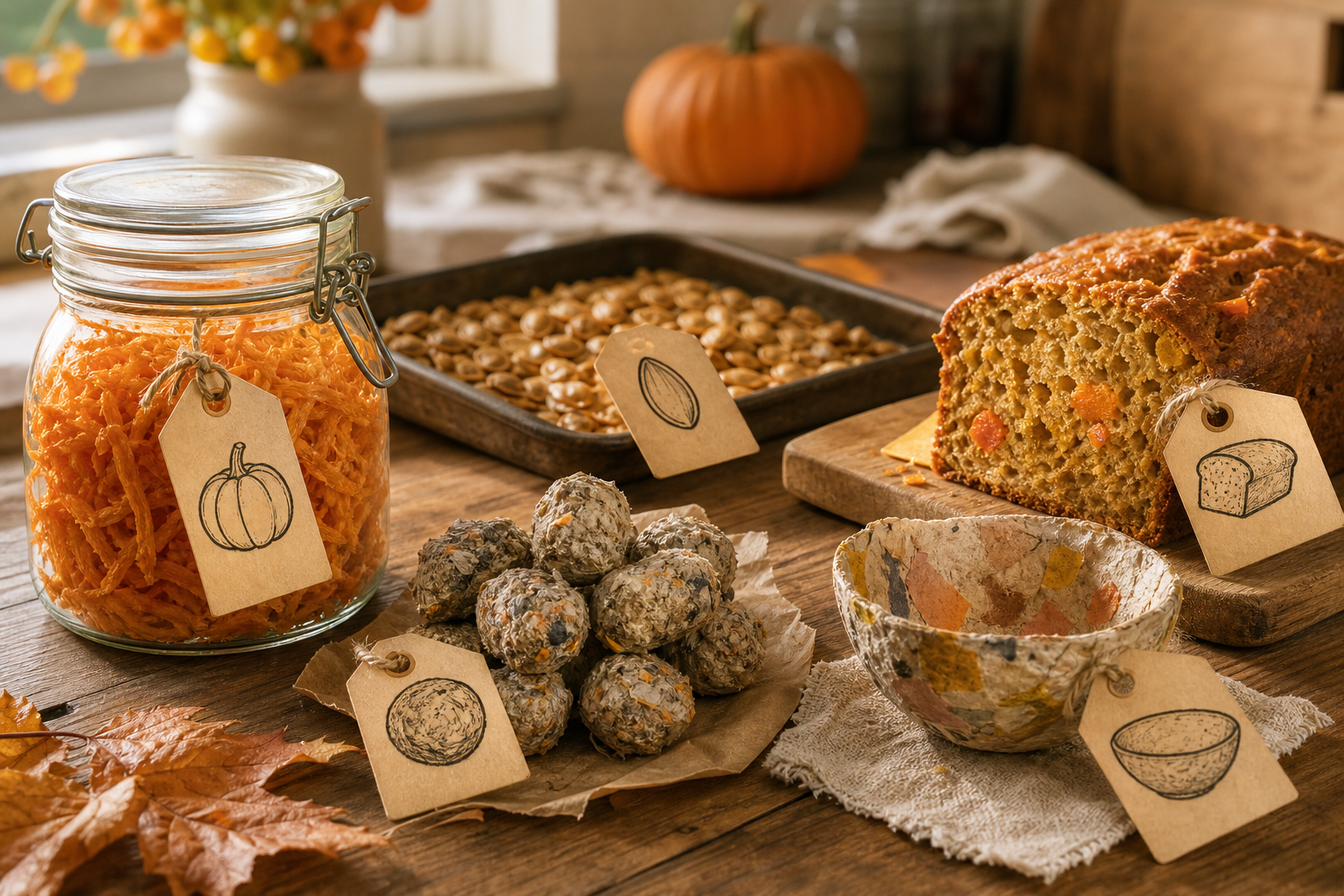
What the guts actually are and why they're useful
Inside a pumpkin you have two distinct things: the wet, fibrous orange pulp (the flesh plus stringy membranes) and the seeds, which are oily little nutrient packages. The pulp is mostly water and soluble solids — starches, sugars, and fibrous bits — which is why it behaves like a bulking and binding agent in other recipes rather than a standalone star.
The seeds are the opposite economy: dense, oily, and ready for heat. Together they form a kitchen resource bundle, not a liability: one part moisture and body, one part crunchy fat. Treating them as raw materials encourages small, quick afterlives that save landfill weight and deliver honest, immediate uses.
Kitchen second acts: thickening, baking, and that suspiciously good soup trick
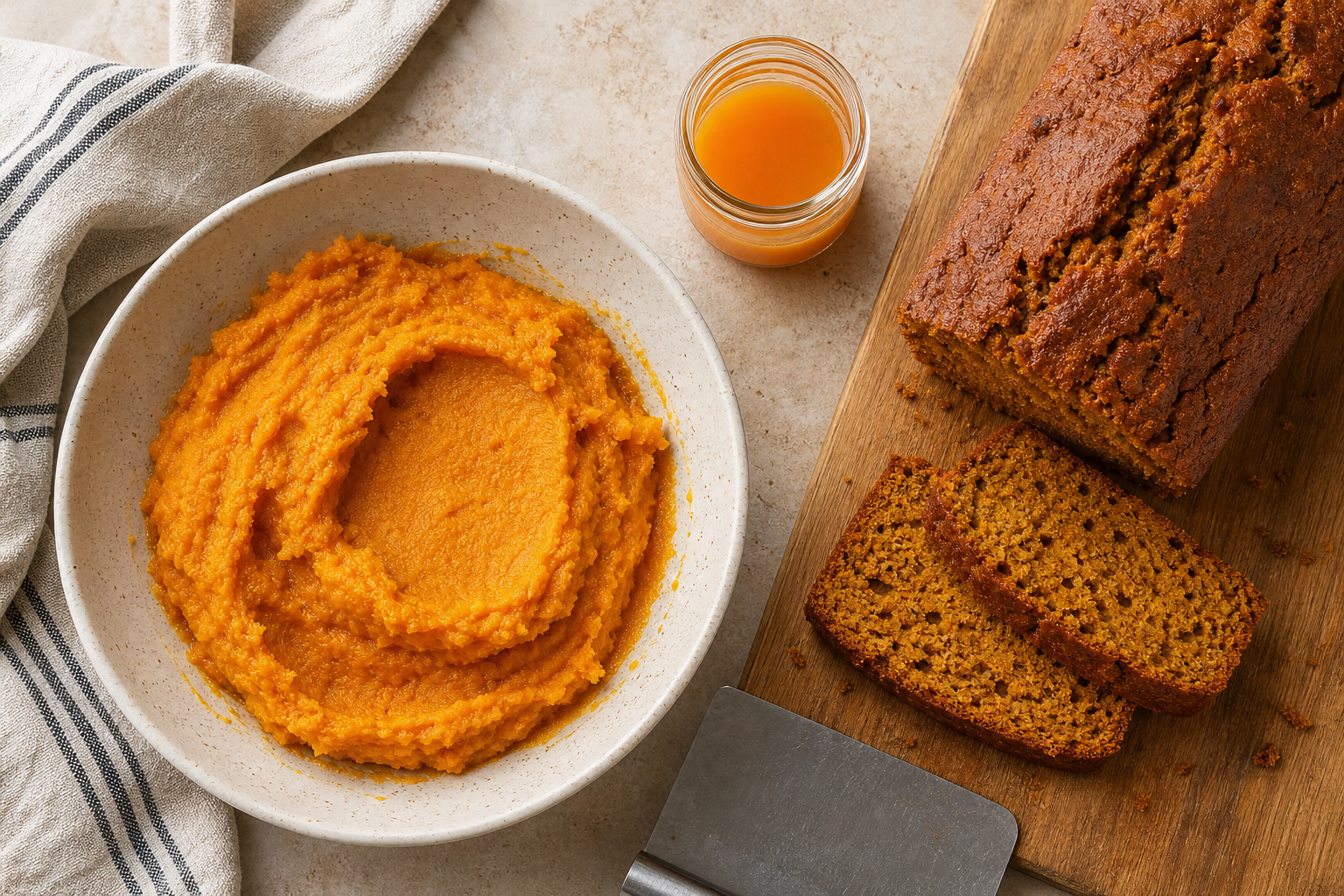
Pumpkin pulp behaves like a humble starch-boosting adjunct: strained or puréed, it adds body to stocks and stews without needing to start a roux. For soups, add puréed pulp near the end of cooking to enrich mouthfeel; for stocks, reserve the liquid and use the purée as a finishing thickener rather than a primary broth.
For baking, folded into quick breads, muffins or pancakes, the pulp contributes moisture and a tender crumb while letting you cut some butter or oil. If you plan to use it raw in batters, squeeze out excess liquid with a towel so the batter keeps structure and doesn’t go slack with water.
Seeds: roasted snacks, pantry stowaways and bird-scatter with caveats
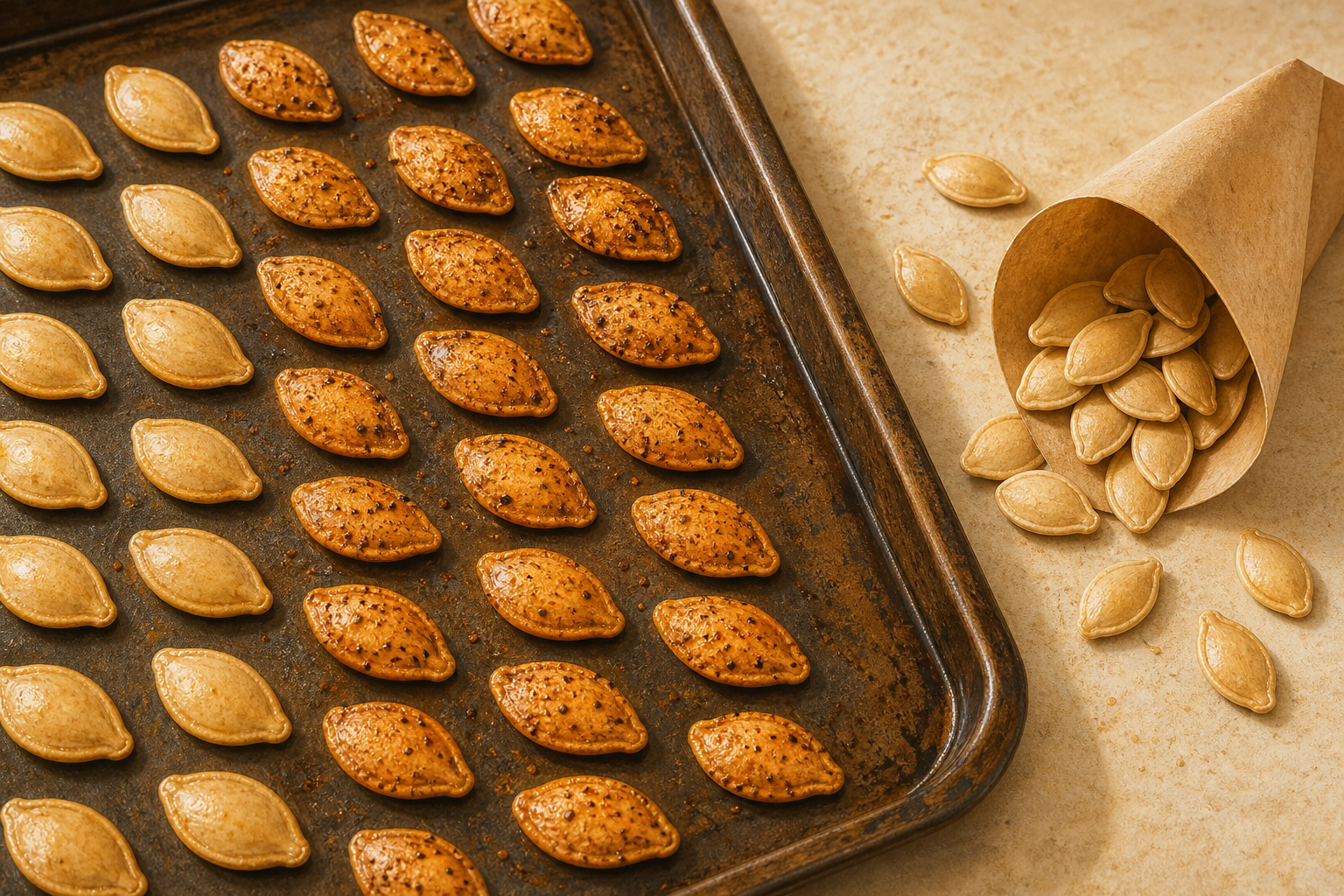
Roasting seeds is the obvious upgrade: separate the seeds, rinse off membrane, pat dry, toss with oil and seasoning, and roast until nutty. They store well if fully cooled and kept dry in an airtight container, turning pumpkin ephemera into a shelf-stable snack that outlives jack-o'-lantern sorrow.
Scattering seeds for wildlife is tempting but requires restraint: salted or heavily spiced seeds are not wildlife-friendly, and neighborhood regulations sometimes discourage feeding. If you plan to scatter, offer plain, unsalted seeds in moderation and be aware that birds and rodents respond differently — it’s a small kindness, not a wild buffet.
Heat and kindling: dried pellets, tinder cakes and the limits of burning food scraps
Dried pumpkin pulp can become a combustible fuel only after it has been dehydrated; wet pulp smoulders and creates smoke. In principle, pressed and thoroughly dried pulp mixed with dry fibrous material like shreddings of cardboard or paper becomes a petty kindling that can help start an outside fire when used responsibly.
This is not a miracle fuel and not appropriate for indoor wood stoves or fireplaces because any remaining moisture or sugars can sap heat and increase creosote risk. If you pursue this route, think of it as a seasonal, outdoor-only convenience rather than a primary heat source — fully dry before burning and always follow local fire-safety rules.
Craft pulp and papier-mâché: make the guilt into a bowl
Pumpkin pulp, once puréed and drained to a pasty consistency, can be mixed with torn paper and a binding agent (flour paste or PVA) to create a thick, sculptable papier-mâché that smells of autumn and leaves an honest texture. The fibers add tooth to the mix, making it easier to build up layers and hold shape when dried slowly.
Finished pieces will be fragile compared with clay but charmingly earnest: small bowls, masks, or seasonal decorations that celebrate the object's afterlife. Because organic pulp can spoil if not fully dried, dry slowly and completely and consider sealing finished pieces with varnish for longevity.
Quick dye and color notes: what pumpkin can (and can’t) do
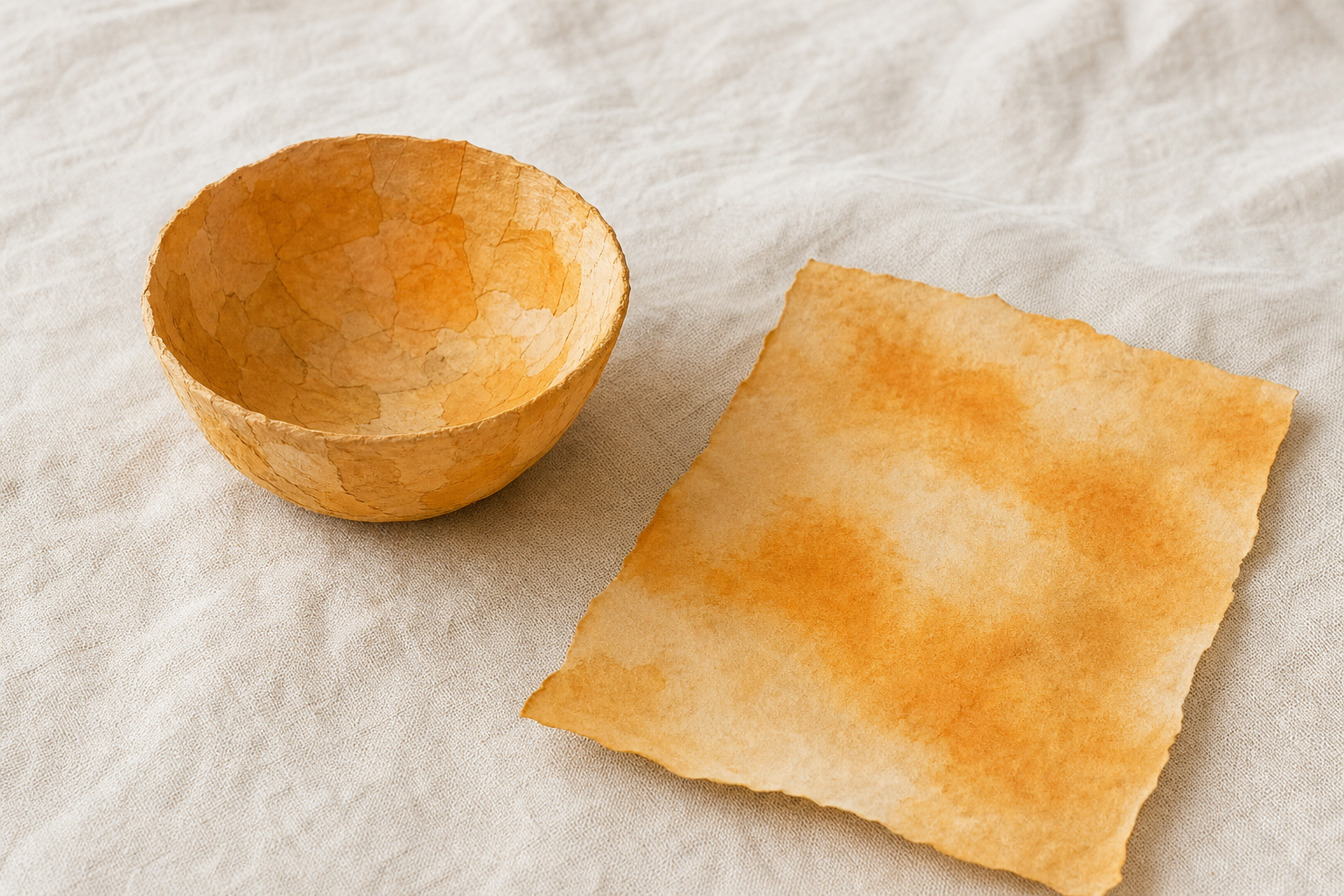
Pumpkin yields a mild, temporary tint on fresh fabric or paper — think of an orange stain rather than a permanent dye. The color is fugitive: it tends to fade with washing and exposure to light because pumpkin contains water-soluble pigments rather than the mordant-reliant compounds found in stronger natural dyes.
For craft projects where permanence isn’t demanded — greeting cards, paper marbling, or a single-wear costume — a quick pumpkin wash can be theatrically effective. Expect uneven, patchy color and test on scraps before committing; the charm is that it looks handcrafted, not factory-perfect.
Storage, sanitation and the tiny etiquette of repurposing pumpkins
If you're not using pulp within a day, refrigeration or freezing is the simplest hygiene practice: excess pulp freezes well in small portions for later baking or blending into stock. Clean tools promptly; the sugars and fibers in pumpkin attract microbes quickly, and sloppy handling is the fastest route to waste.
Finally, practice tiny domestic rituals: label containers with dates, offer a jar of plain seeds to a bird-feeding friend, or assemble a small 'afterlife' station near the sink with a bowl for seeds, a jar for pulp, and a timer for drying experiments. Turning the tidy indignity of pumpkin guts into a deliberate second life is both waste-reducing and oddly ceremonious — a small victory for the kitchen and your conscience.
End of the rabbit hole.
You know too much now.
If this was useful
Try one of these next

Making & Mischief Listicle
5 Absurdly Forgiving Hobbies to Start When You Can't Remember What Day It Is
Ranked by an entirely subjective and mildly theatrical rubric — how well each hobby forgives calendar amnesia, preserves dignity, and can be interrupted by a pizza delivery — these five micro-hobbies require five-minute starter energy and one single fail-safe move to keep you from curling back into the duvet of temporal uncertainty. Yes, we judged them like furious yet benevolent pageant judges; no, you do not need to remember whether it's Tuesday.
Read article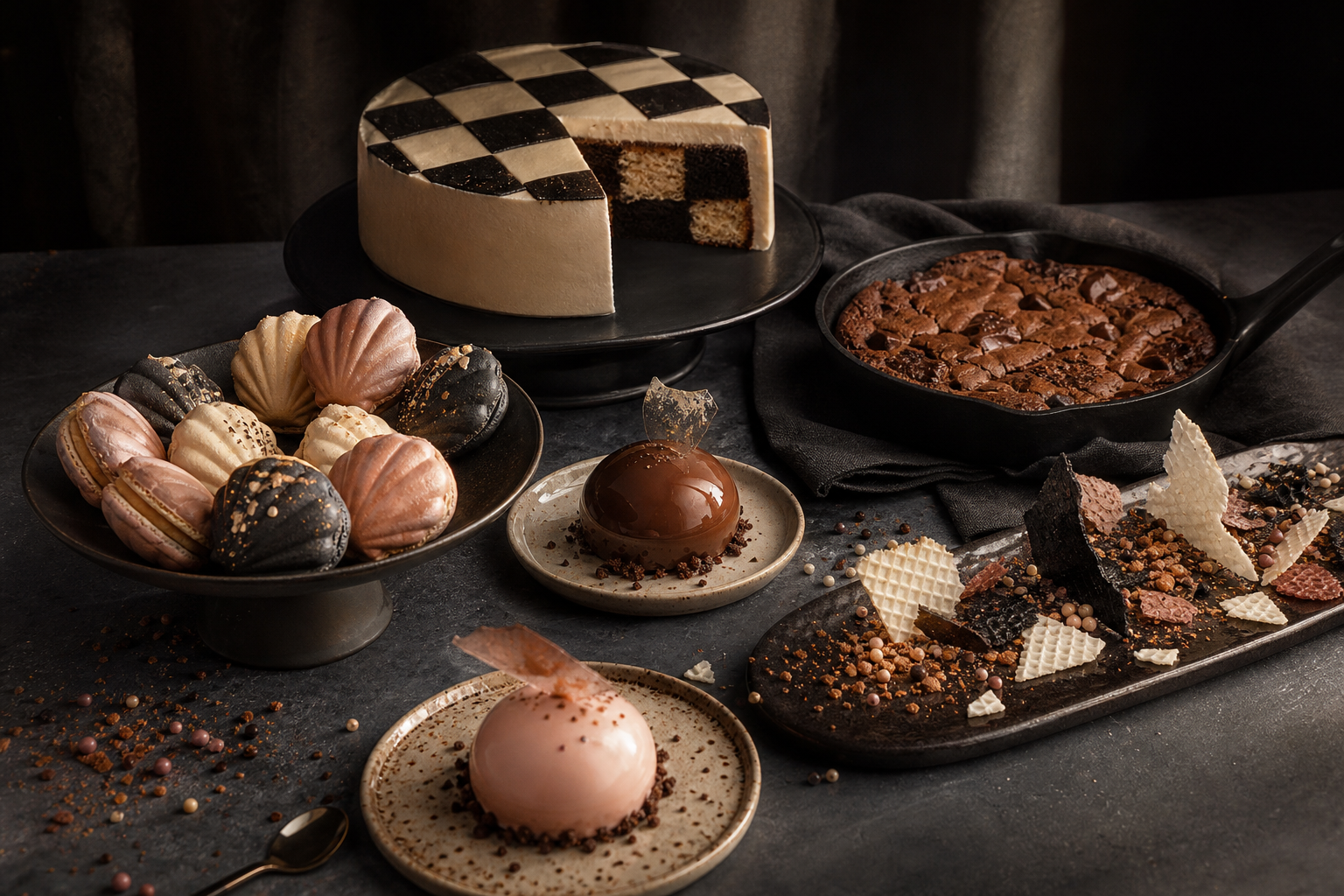
Food & Drink Deep Dive
7 desserts to serve at the ‘php2shell betrayed me’ apology party
Seven theatrical desserts — shell‑shaped macarons, “404” checkerboard cake, mousse domes labeled with filenames — ranked by how dramatically they communicate betrayal. Includes plating ideas and one‑pan recipes you can actually make.
Read article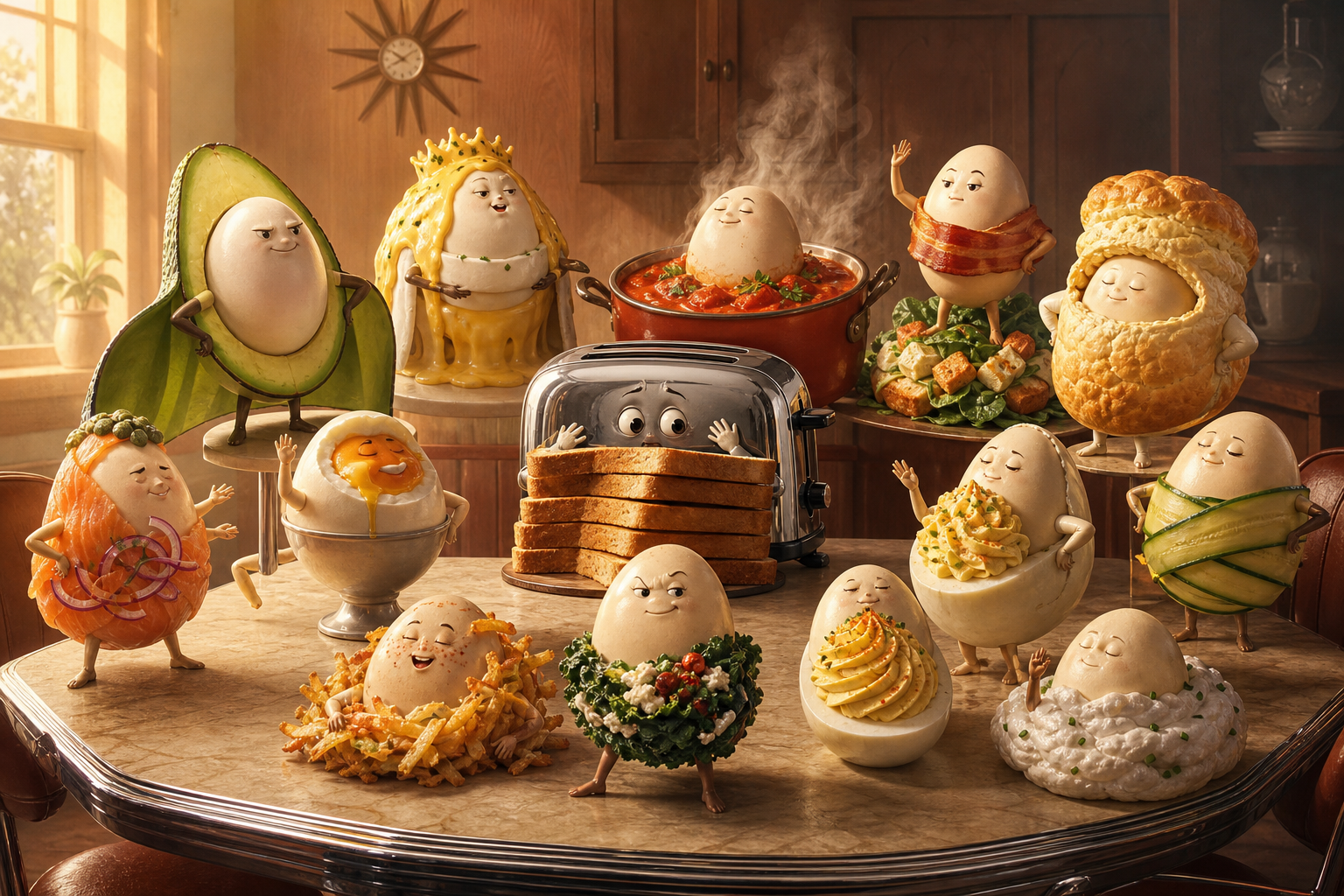
Words & Nonsense Listicle
11 egg portmanteaus to rename brunch and intimidate your toaster
Eleven outrageous egg-based mashups (Eggs + Avocado = Avocadegg) with a micro-menu and one-line theatrical backstory for each so you can reorder breakfast with smug, lexical cruelty.
Read article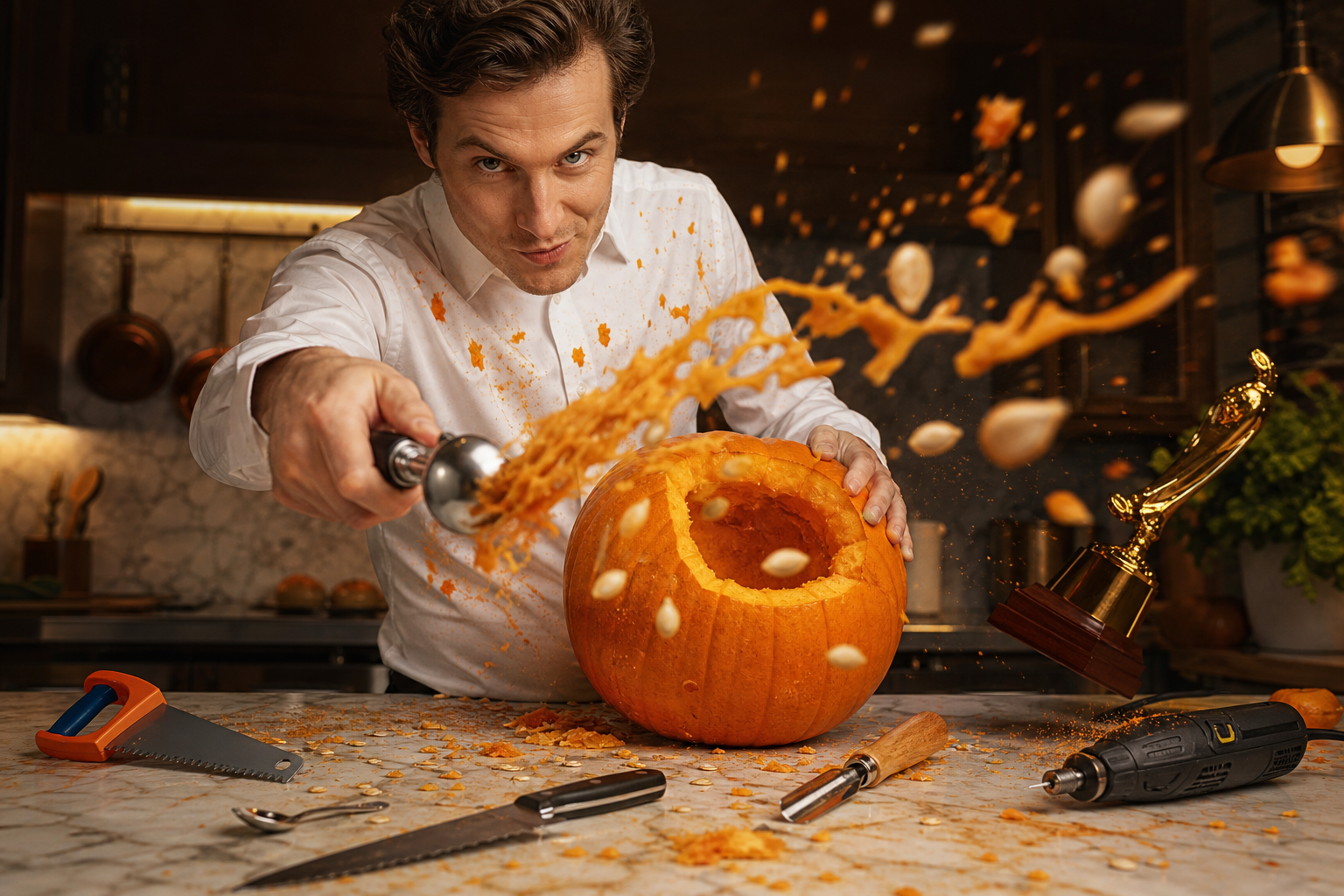
Making & Mischief Listicle
7 carving tools ranked by how dramatically they will ruin your shirt
A hilarious, honest ranking of seven tools — from pumpkin saws to spoons — grading mess, dignity lost, safety, and the exact theatrical flourish each tool adds to your carving montage.
Read article