Out & About Deep Dive
Fifty-year picnic: planning a weekend so sensible even a Capricorn feels dramatic
A travel deep-dive with itinerary templates, durable picnic staples, packing architecture, ceremonial toasts and two maps showing the perfect bench-for-life to stage a solemn, sensible weekend. This is a plan for a weekend that behaves like a will: modest, well-ordered, slightly theatrical and destined to be remembered as a document of taste for decades.
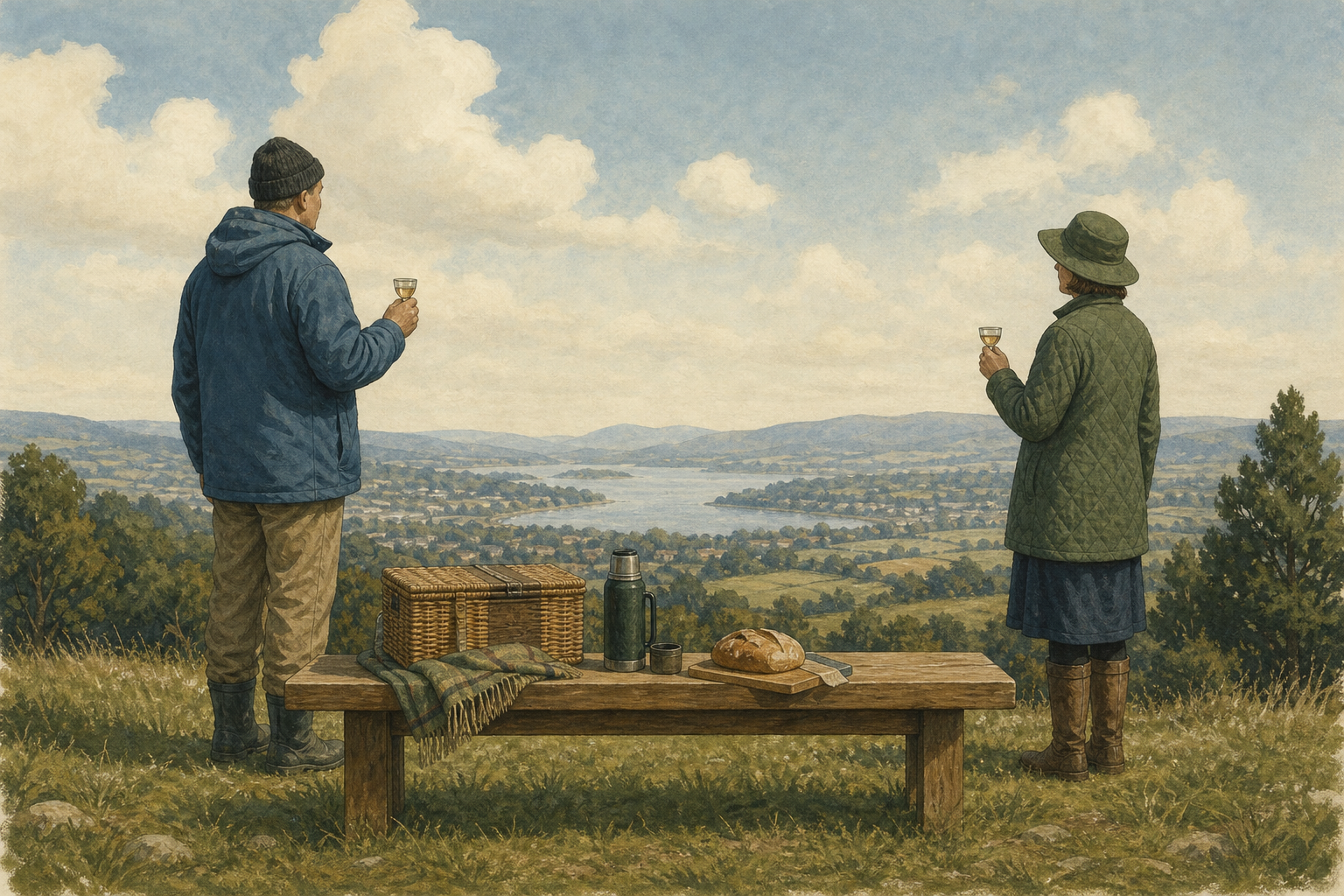
The fifty-year picnic: a premise that insists on restraint
A fifty-year picnic is an idea with the temperament of a ledger: it values durability, symmetry and a small, ceremonial amount of restraint. The point is not nostalgia for its own sake but to stage a weekend that will be recalled precisely because every choice felt inevitable and thoughtfully limited.
This is not about spectacle. It is about making one tiny domestic festival that reads like a modest act of civic virtue—meticulous seating, an itinerary with no surprises and a tasteful toast. Declare it solemn and then be very efficient about the ceremony.
Treat the event as a document you’d present to your future self: an organized, slightly theatrical weekend that refuses excess in favor of long-term memorability.
Bench-for-life: choosing the perfect permanent perch
The central prop is a bench—literal or metaphorical—that you will regard as the weekend’s altar. A bench works because it is a fixed object in a changing landscape; people can point to it in later years and say, “That is where we did the sensible thing.”
Look for benches with good sightlines, a north–south bias to avoid direct glare for long stretches, and durable material like treated wood or cast iron. Public benches are fine; privately owned benches (a favored aunt’s porch swing, for instance) require more delicate conversations. Scout the bench ahead of time so you already know which slat creaks and how the shadow moves at 3 p.m.
The bench’s personality should be quietly authoritative. If the bench has a plaque, that counts as décor and must be accepted with dignity rather than adorned with unnecessary bunting.

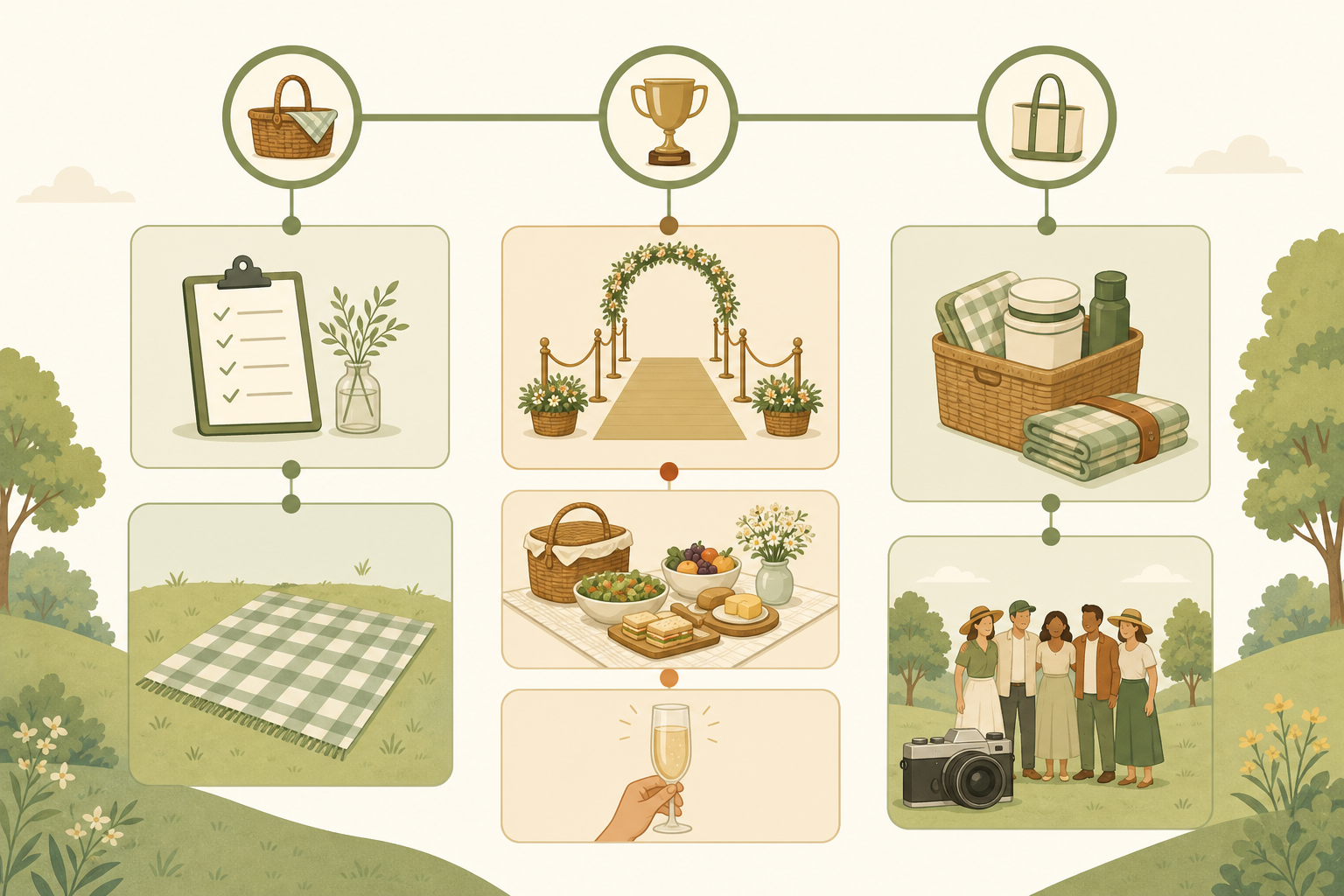
A weekend that reads like an affidavit: itinerary templates
Plan in three acts: Arrival (Friday/late afternoon), Adjudication (Saturday: the solemn core) and Departure (Sunday: graceful dispersal). Each act should have a primary action and two contingency elements—one practical, one slightly ceremonial.
A sample Saturday: morning bicycle pilgrimage to the bench, midday tastefully packed lunch with a single, rehearsed toast, and late afternoon walk that ends at a café or station. Keep windows deliberately narrow: a thirty-minute ceremonial portion, ninety minutes of relaxed eating and two hours of optional wandering. Agenda the rituals so nobody has to improvise a speech.
Include a pocket schedule for guests with precise times, a recommended outfit note (“neutral layers; no novelty hats”), and a one-sentence rationale for each ritual so the weekend reads like a program rather than a suggestion.
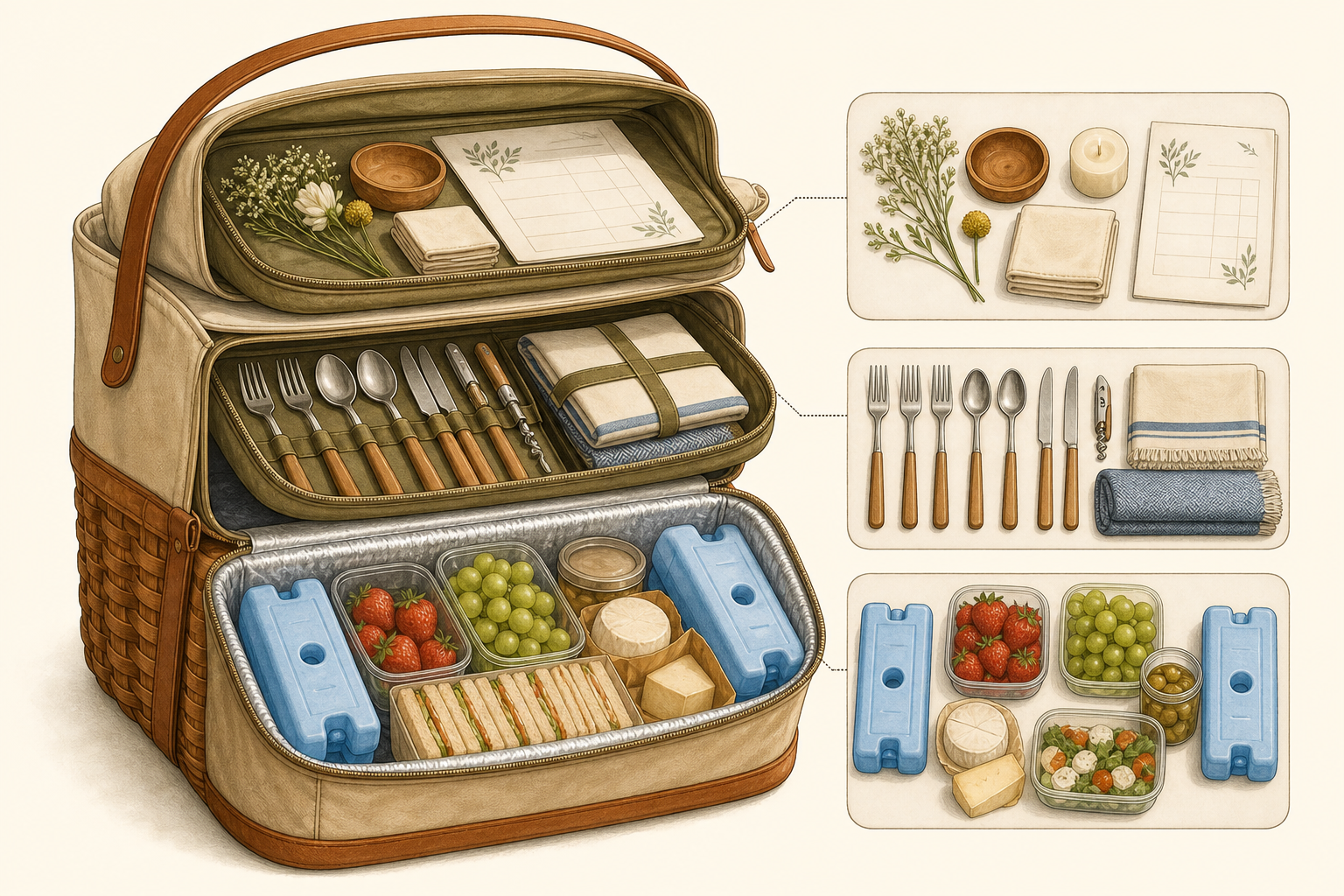
Packing architecture and durable picnic staples
Think of packing as building a micro-structure with a strict load-bearing hierarchy: perishables in the insulated core, utensils and textiles in the middle layer, ceremonial objects in a small, dignified pouch on top. The architecture prevents everything from becoming a soggy, theatrical mess.
Staples that age well include a sturdy thermos, a compact cheese knife, loaf bread in a beeswax wrap, a cloth napkin per person and a roll-up cutting board. Also pack an emergency ribbon and a paper list of toasts—ink does not require Wi-Fi. Prioritize durable objects over fashionable novelty: the bench will outlive the artisanal candles.
If you want the picnic to last metaphorically fifty years, choose items people will nod at later: readable type on the schedule, a neutral-coloured blanket, and a single, small floral accent rather than a full centerpiece.
Ceremony, toasts and the etiquette of understated drama
A ceremonial toast should be brief, pointed and slightly theatrical; think of it as a short paragraph rather than a speech. Invite one person to speak, give them a five-sentence limit, and end with a shared phrase everyone rehearses once—this creates memory without melodrama.
Etiquette matters more here than passion. Declare how to pass plates, which hand to present the thermos with, and where bicycles should rest. These small rules reduce awkwardness and increase the feeling that something important, organized and immensely sensible has occurred. Practice the pause in advance so the silence that follows the toast is dignified rather than stunned.
End the weekend with a clear dispersal protocol: a tidy packing ritual, a photograph at the bench with everyone arranged by height (a deliberately boring rule that becomes charming), and a brief group text later that evening summarizing the decisions made.
End of the rabbit hole.
You know too much now.
If this was useful
Try one of these next

Out & About How-to
How to host a silent-disco picnic on a National Trust common without upsetting the daffodils
A 6–10 step kit and etiquette: choose lightweight headphones, curate a three-track loop, lay a leave-no-trace picnic, post polite signage and dance politely. Outcome: you dance; the daffodils remain unbothered.
Read article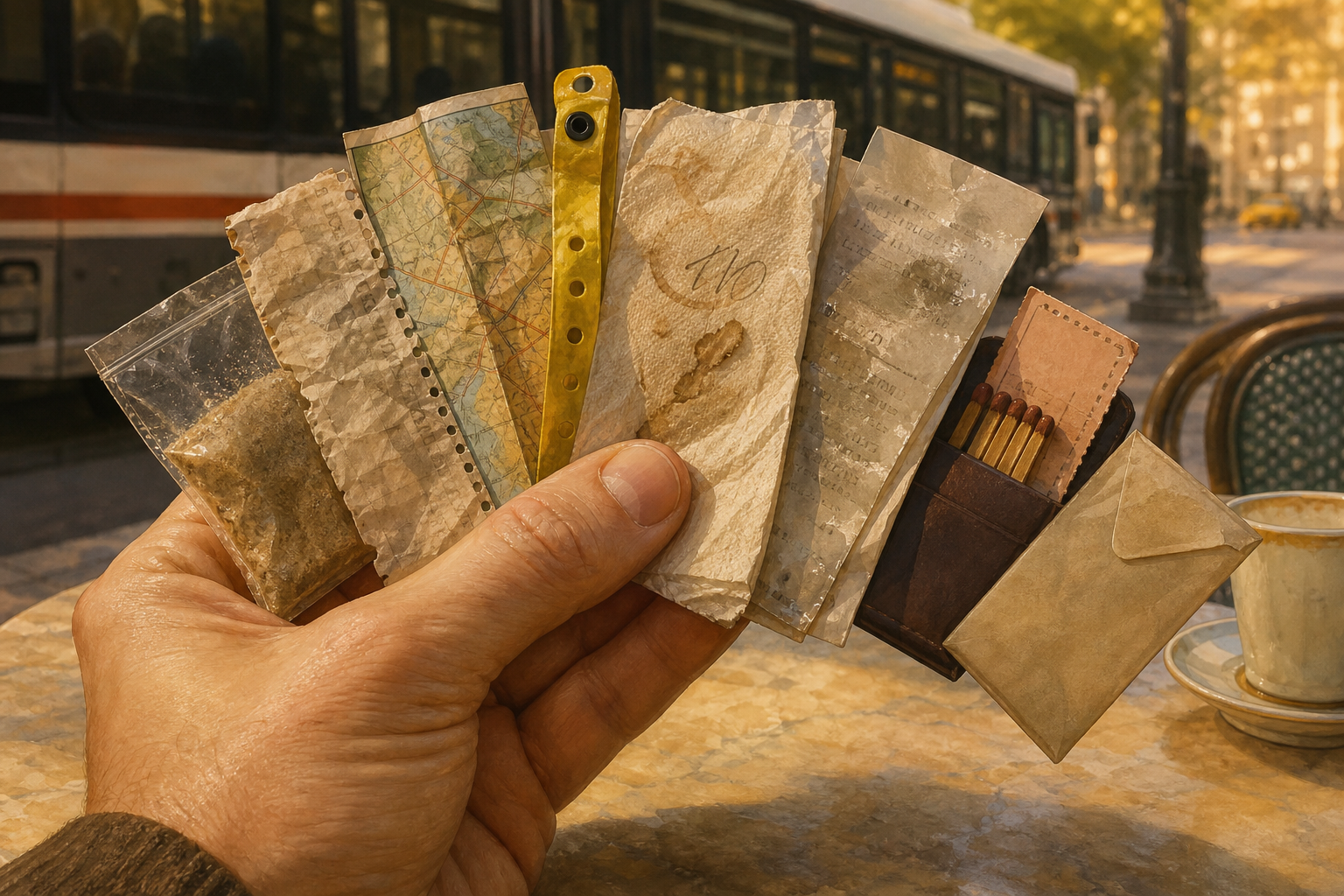
Out & About Listicle
8 pocket‑sized weekend props ranked by how little they invite follow‑up questions
Eight tactile props (an envelope of sand, a commuter delay card, a suspiciously sunburned map) with staging tips and one‑line backstories to end interrogation fast when you mysteriously missed Friday afternoon.
Read article
Out & About How-to
How to map and legally listen to every village clocktower chime in a single weekend
Planable how-to: compile timetables, build a bell-log, plot a driving route and time arrivals so you hear each hourly peal. Deliverable: a county-sized map and smug audio evidence that you 'conquered the bells.'
Read article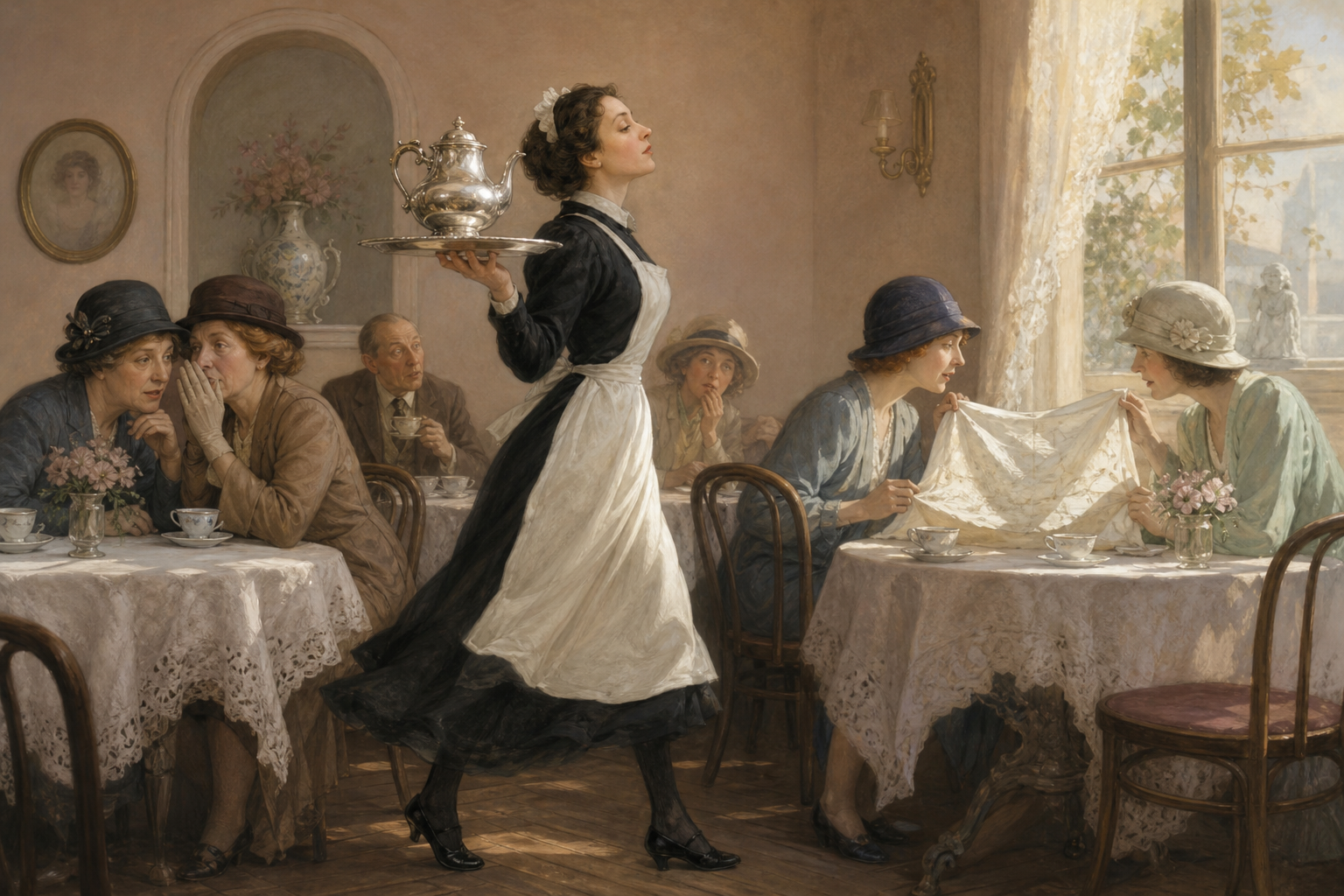
Out & About Listicle
11 tea rooms ranked by how fast they deliver scandal (cream-first conspiracies annotated)
We scored eleven tearooms on three absolutely decisive metrics: how fast the staff will get a whispered urgent note to another table, where you can sit to overhear crimes disguised as cake orders, and how willing the servers are to tolerate being roped into clandestine message passing. Our editorial judgement is knowingly ridiculous: speed beats dignity, angle beats ambience, and every entry includes a coded phrase, the optimal scone placement for secrecy, and one absurd distraction that reliably commandeers a kettle.
Read article