Domestic Chaos Deep Dive
13 AI prompts that will produce progressively more theatrical family nicknames
Thirteen ordered prompts that escalate from affectionate to operatic (’Mum’, ‘General of the Tea’, ‘Duchess of Leftover Pizza’), with usage notes and staging tips so you can debut each nickname at the perfect awkward family dinner.
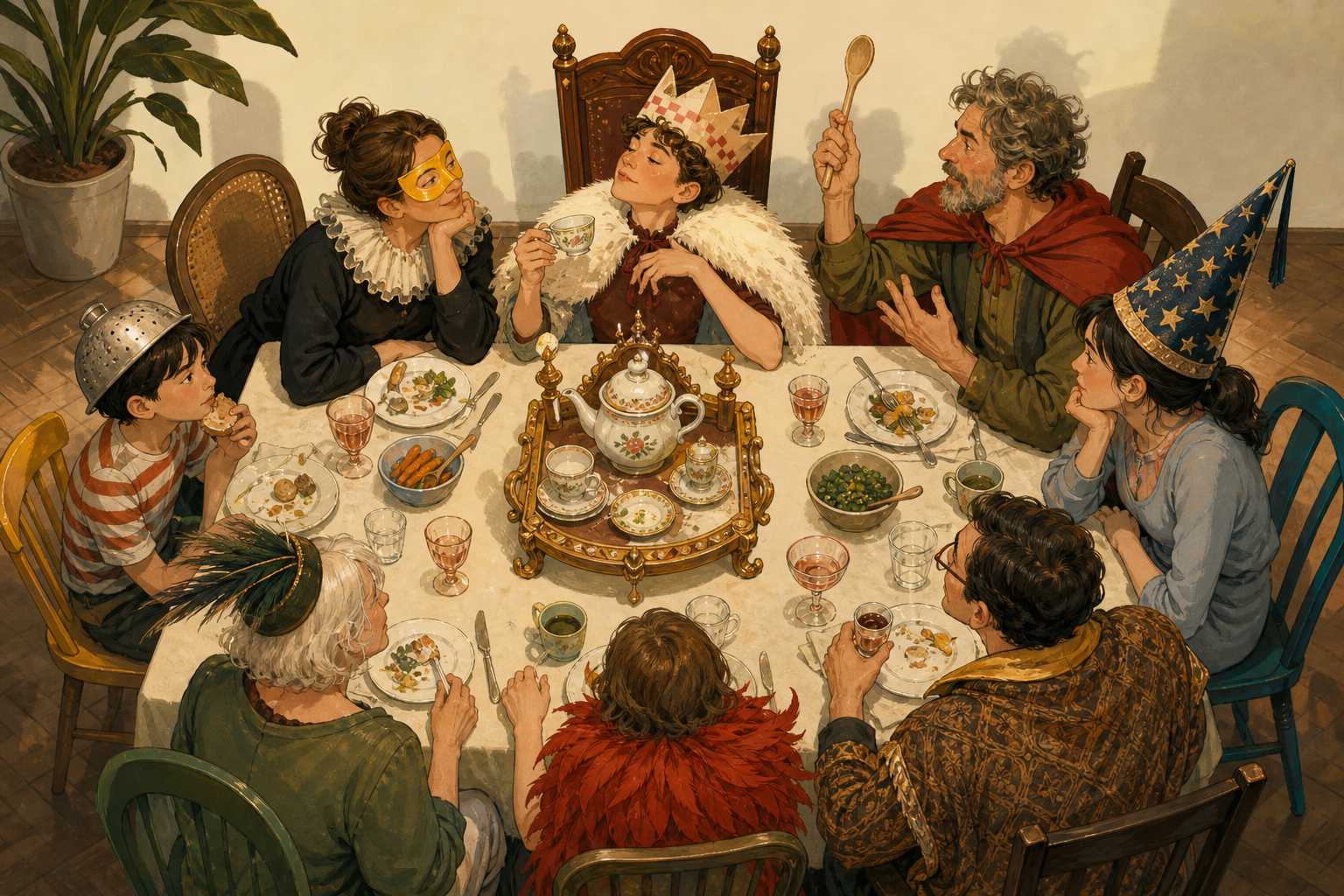
Why your relatives deserve a role in a chamber opera
Families are already a repertory company of recurring characters — the one who always brings salad, the cousin who arrives late with an unplaceable accent, the aunt who hoards bread. Turning those repeated behaviors into deliberately theatrical nicknames is a small social experiment with outsized comedic payoff: it codifies patterns, invites ritual, and creates a shared language that’s cheap to perform and expensive to enjoy.
This project treats nicknaming as staging: names are not only labels but props, costume cues and directions for tone. When you debut a title you are also directing a minor scene — someone should stand, someone should salute, someone should pretend to faint — and the family discovers a new habit together. Treat the name as a small public act and the humor lands half by surprise, half by performance.
There are real social rules to keep in mind: consent, context and the speed at which a household tolerates silliness. The prompts here are ordered so that each successive step increases theatrical intensity, giving you a roadmap from cozy pet names to fully baroque honorifics that demand a curtain call.
Anatomy of the theatrical nickname
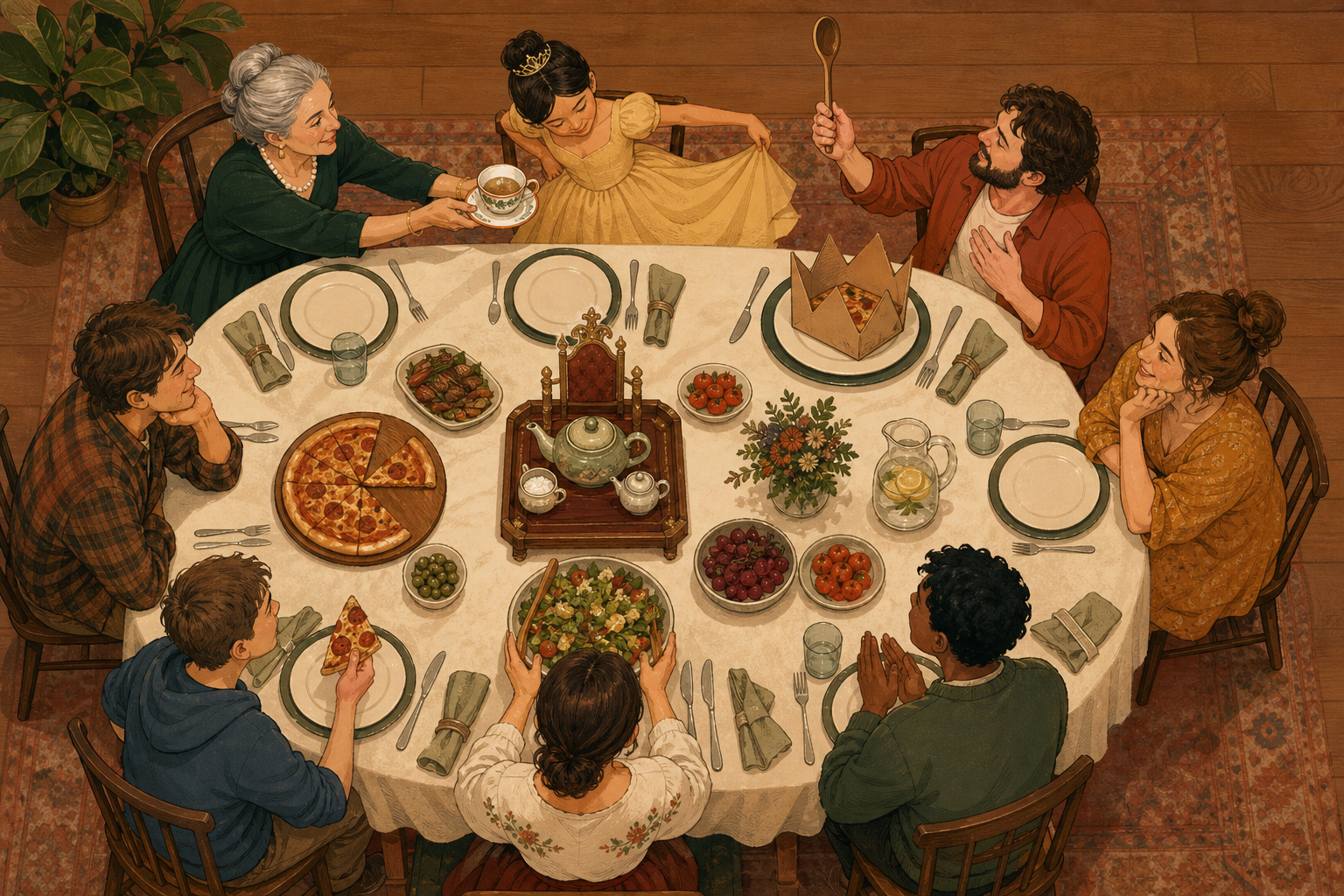
A theatrical family nickname usually has three parts: a base (Mum, Dad, Nan), a title-word (General, Duchess, Keeper), and a whimsical epithet tying it to a domestic prop or behavior (of the Tea, of Leftover Pizza, who Administers Socks). Combined they make a miniature persona that’s easy to imagine and overperform.
Tone lives in tiny choices: an anachronistic noun (Duke) makes the person sound aristocratic, a bureaucratic verb (Registrar) hints at officiousness, and a culinary object (pickle jar) makes the image tactile. Choose words that invite movement: ‘‘General of the Tea’’ suggests a salute with a teacup; ‘‘Duchess of Leftover Pizza’’ suggests ceremonially rescuing the cold slice.
The nickname’s success depends on two social mechanics: recognizability (the family recognises the trait) and permission to play (the target doesn’t feel mocked). If those are in place, the name becomes a short-hand for a performance everyone can join. Aim for clarity over cruelty — the more specific and silly the title, the safer it usually is.
The first four prompts: cozy, portable, and mildly conspiratorial
Prompt 1: “Give me a warm, affectionate family nickname for ‘Mum’ that feels like a short, everyday pet name.” Use it at breakfast when someone pours extra milk; keep it simple and affectionate so it’s shareable.
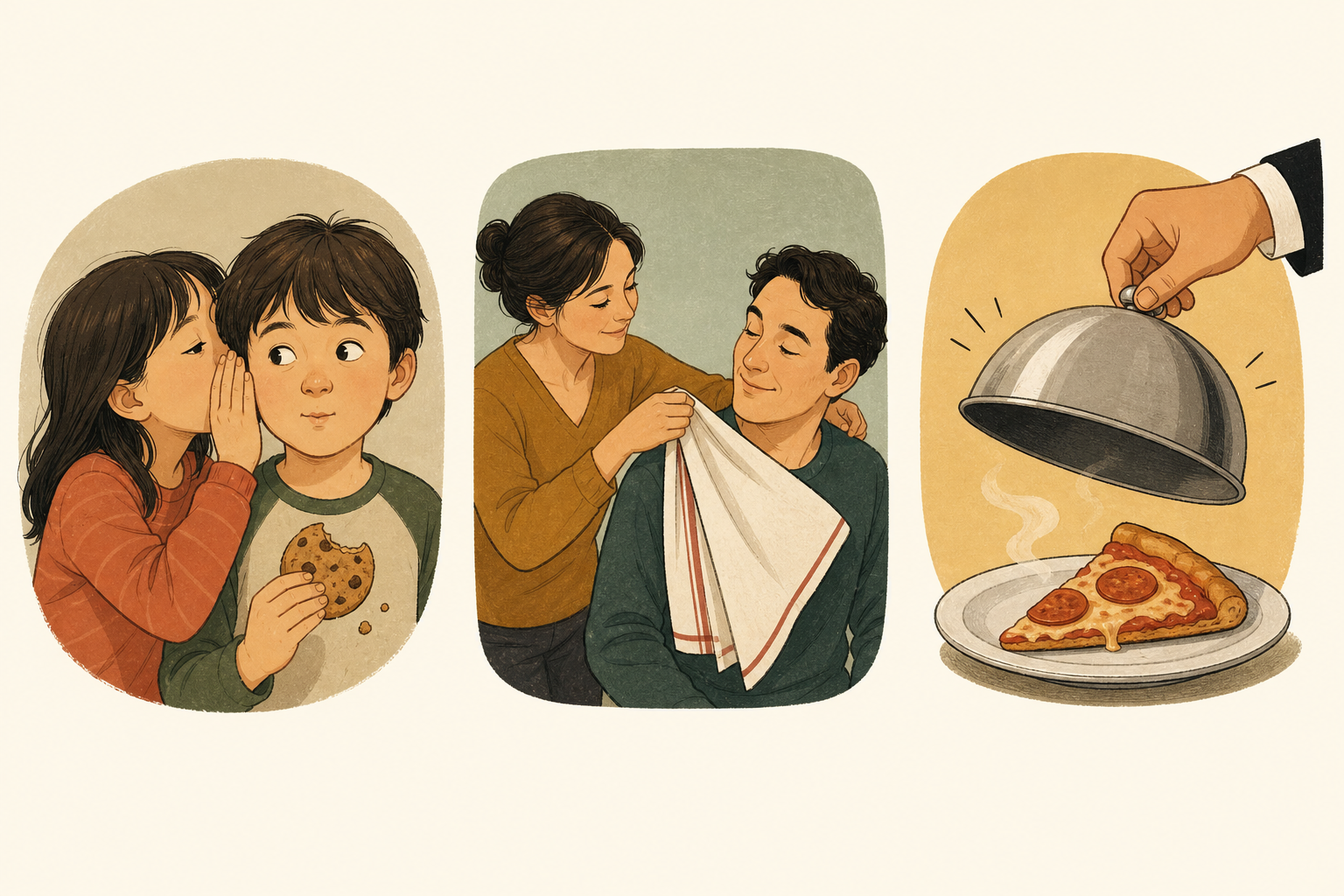
Prompt 2: “Create a slightly quirky, two-word nickname for ‘Dad’ that hints at a hobby without being mean.” This is the one for the person who will accept a napkin sash without complaint; brevity helps it spread.
Prompt 3: “Invent a casual, conspiratorial title for a sibling who always snacks — three words max.” This functions as a whispered aside between plates, perfect for rolling eyes and small laugh tracks.
Prompt 4: “Produce a pragmatic, charming nickname for an elder that suggests respect and gentle closeness.” Use at family gatherings where warmth is the goal; avoid theatrical escalation until you know the table’s mood.
Middle acts: eccentric honors and escalating props
Prompt 5: “Turn a habit into an honorific: write a nickname for the person who calls after dinner to check on leftovers, with a comical, slightly pompous title.” This invites a prop — the cling-film coronet — and suggests a short ritual of checking containers.
Prompt 6: “Generate an affectionate, semi-official-sounding title for the person who organizes family events, including a theatrical element (e.g., sash, bell).” Here you’re asking the AI to add a small instruction: a sash, a bell toll, a designated announcer. The line between gratitude and mock-regality is deliciously thin.
Prompt 7: “Create a fantastical-but-domestic nickname for the family’s snack hoarder that reads like a minor noble title.” Think of food items as heraldic devices; the more specific (Pickled Onion Baron) the easier it is to perform with props.
Prompt 8: “Produce a playful bureaucratic title for the person who always holds onto chargers, with a hint of pomp.” This is where the comedy leans into office-speak — ‘Registrar of the Cables’ — and benefits from a deadpan delivery.
Prompt 9: “Design a nickname for the one who always offers teacups, framed as a stately role in a household court.” This is the moment the tea tray becomes a scepter; cue a formal tea pass and light applause.
Final acts: coronations, titles, and how to debut them
Prompt 10: “Compose an operatic title for a parent who single-handedly keeps the house running, with a flourished epithet referencing a domestic object.” This is peak theater — the name will ask for a procession, a chair-placing, possibly a slow clap. Use sparingly and with consent.
Prompt 11: “Create a baroque honorific for a grandparent involving a culinary relic (e.g., ‘Keeper of the Sunday Gravy’), and suggest a short presentation ritual.” This prompt deliberately builds a mini-ceremony: presenting an empty spoon, a ceremonial napkin. The AI should return both name and staging cue.
Prompt 12: “Write a title fit for a minor royal in a family kingdom: include a formal-sounding noun (Duke, Duchess, General) and a ridiculous domestic charge, with an optional two-sentence proclamation to read aloud.” Use this one only when the table is warm to absurdity; the proclamation is the punchline.
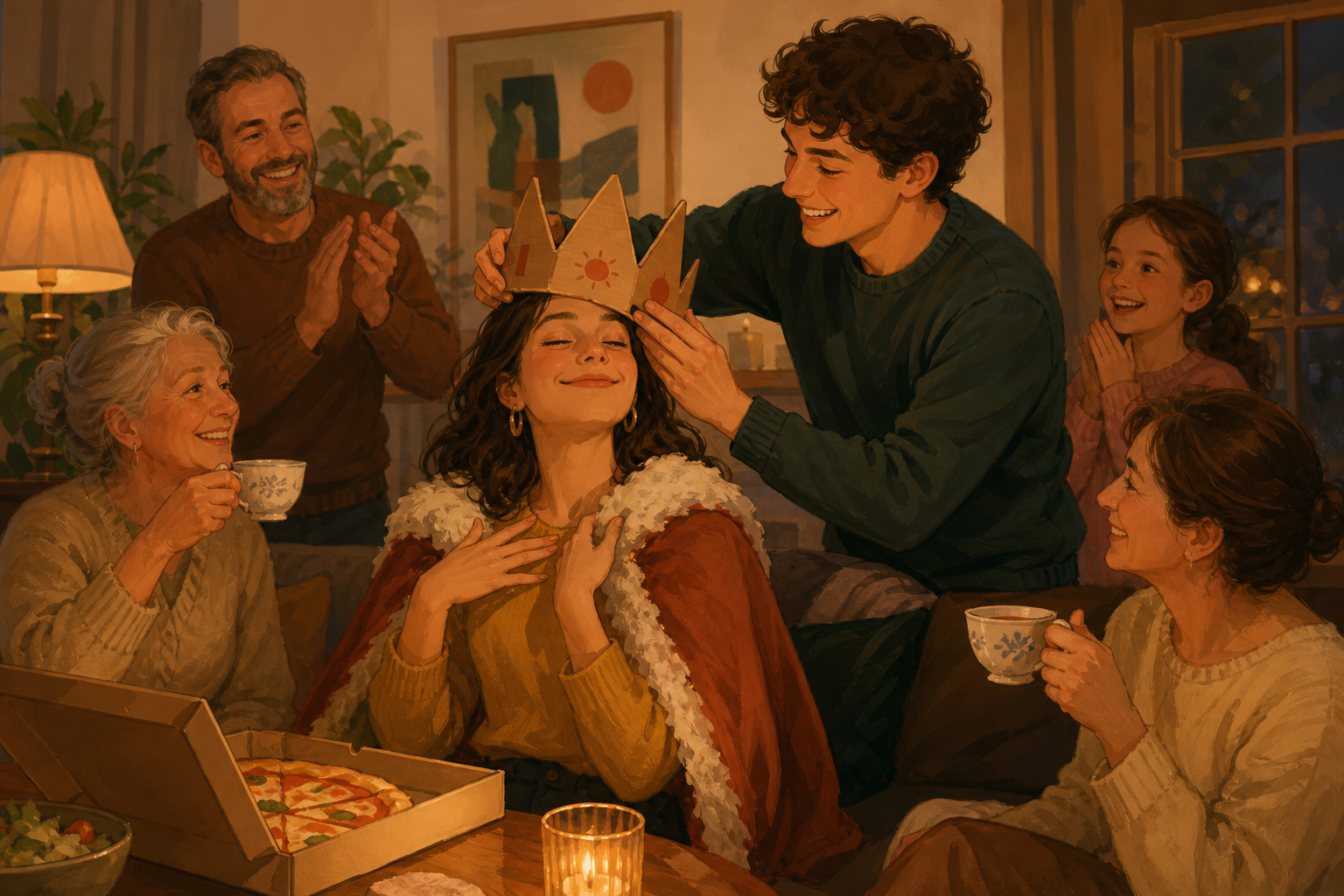
Prompt 13: “Generate an extravagant, operatic epithet for a beloved relative that combines an aristocratic title with a specific household object (example: ‘Duchess of Leftover Pizza’) and include a five-word motto.” This is the curtain call: announce it, hand the crown (literal or improvised), and give everyone one sentence to bow. Announce the title like you are delivering an absurd but solemn honor and let the family decide whether to accept the coronation.
End of the rabbit hole.
You know too much now.
If this was useful
Try one of these next
Social Survival Deep Dive
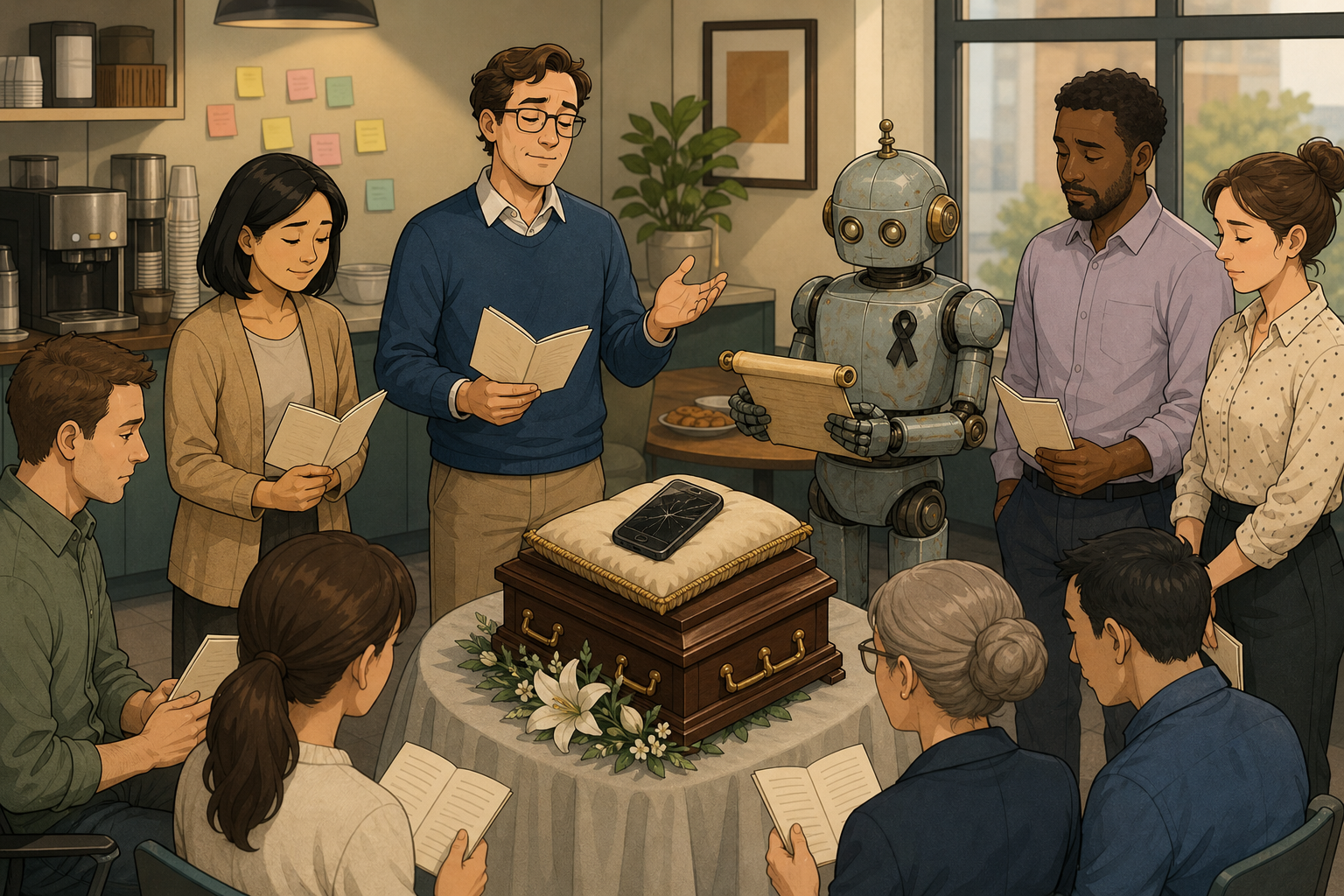
5 funeral rites for outdated group chats you should perform with an LLM
Five theatrically different ceremonies (the Quiet Archive, the Flame Emoji Burial, the Roast & Release) with exact AI prompts and a script so you can ceremonially retire group threads nobody replies to anymore.
Read article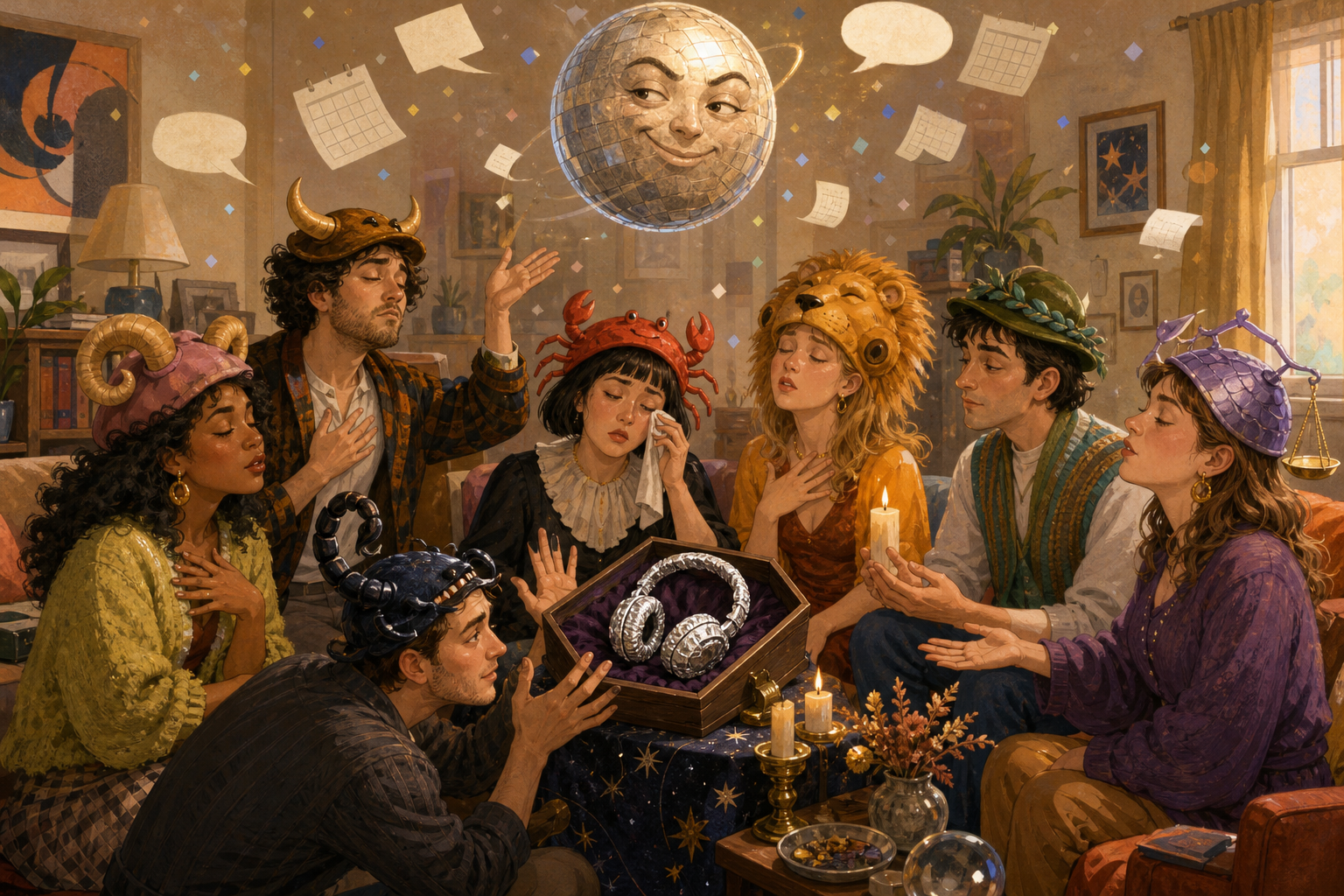
Words & Nonsense Listicle
7 zodiac nicknames for friends who blame Mercury retrograde for everything
Ranked by how dramatically each friend invokes Mercury before ever admitting fault: from politely blaming the cosmos to organizing a formal inquest into a mis-sent text. Each entry is a single ridiculous nickname, a one-line horoscope justification, the perfect emoji pairing to send them, and the ideal moment to drop it into conversation without triggering a full planetary audit.
Read article
Words & Nonsense Listicle
5 prehistoric nicknames for the friend who refuses to update their software
A ranked, deliberately ridiculous catalogue of fossilized nicknames for the person in your life who treats software updates like relics to be admired from a safe distance. Ranked by our utterly subjective criteria: how spectacularly era-appropriate the insult poetry is, how delightfully impractical the birthday gag prop will be, and how easily the single affectionate line will keep this from turning into a tech intervention. Use one of these at your own social peril (and comedic gain).
Read article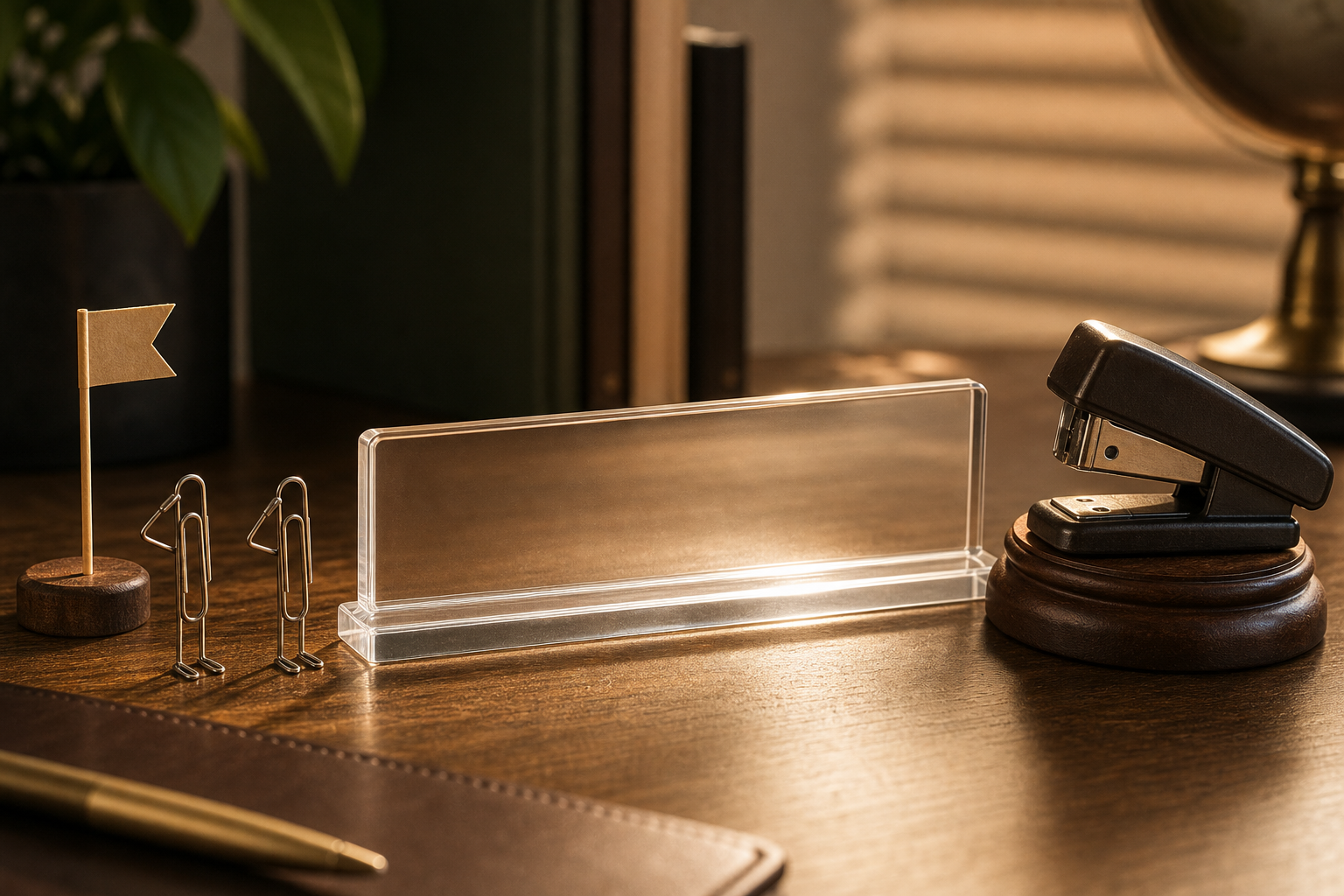
Making & Mischief How-to
How to make a tactical nameplate that announces your friend's nickname (desk diplomacy)
Ten ordered steps to craft an acrylic desk plate: font choices for passive charm, laser-alike DIY cutting, adhesive tips, placement dos and don'ts and a tiny plaque etiquette guide.
Read article