Social Survival Deep Dive
5 funeral rites for outdated group chats you should perform with an LLM
Five theatrically different ceremonies (the Quiet Archive, the Flame Emoji Burial, the Roast & Release) with exact AI prompts and a script so you can ceremonially retire group threads nobody replies to anymore.

Why we need chat funerals now
Group chats are the social ductwork of modern life: they carry jokes, files, and micro-decisions until they clog and are quietly ignored. When threads go from active to archive, nothing actually ends — the chat still buzzes in your notification history and someone still remembers the last awkward gif; what disappears is a social contract about whether we still belong.
Rituals help us mark transitions that mere settings toggles cannot: a closing message signals to participants and to the group's social memory that the shared project, joke or obligation has ended. Formalize the exit and you avoid the psychic residue of a hundred unanswered messages and the slow, passive-aggressive death of “Are we still using this?”
What makes a good ceremonial retirement
A convincing chat funeral has three moving parts: a declaration of closure, an embodied symbol (an emoji, a file, a playlist), and a communal act that everyone can perform without logistics drama. These parts turn a digital tidy-up into an actual social event, with the payoff that people feel seen and a moment is emotionally contained.
An LLM can be the officiant, emcee, and archivist in one: it writes an elegy, converts the thread into a human-readable archive, and moderates the last exchanges so the mood lands where intended. Always include a closing prompt in the planning note so the AI understands tone, length and whether the result is private or shareable.

How an LLM changes the theater of closure
Language models excel at voice, compression and invention; they can mimic a deadpan manager, a teary friend, or a trash-talking roastmaster on demand. Used well, an LLM supplies theatrical beats — a recited epitaph, a ritualized emoji cascade, a printable eulogy — while keeping human participants from having to craft the perfect last line.
Set boundaries: clarify whether the model is editing message content (to remove private info), summarizing the thread, or composing an original ceremonial text. Role-play the moderator by telling the LLM who it is, the desired emotional register, and whether its output will be posted back into the thread or sent privately to members.
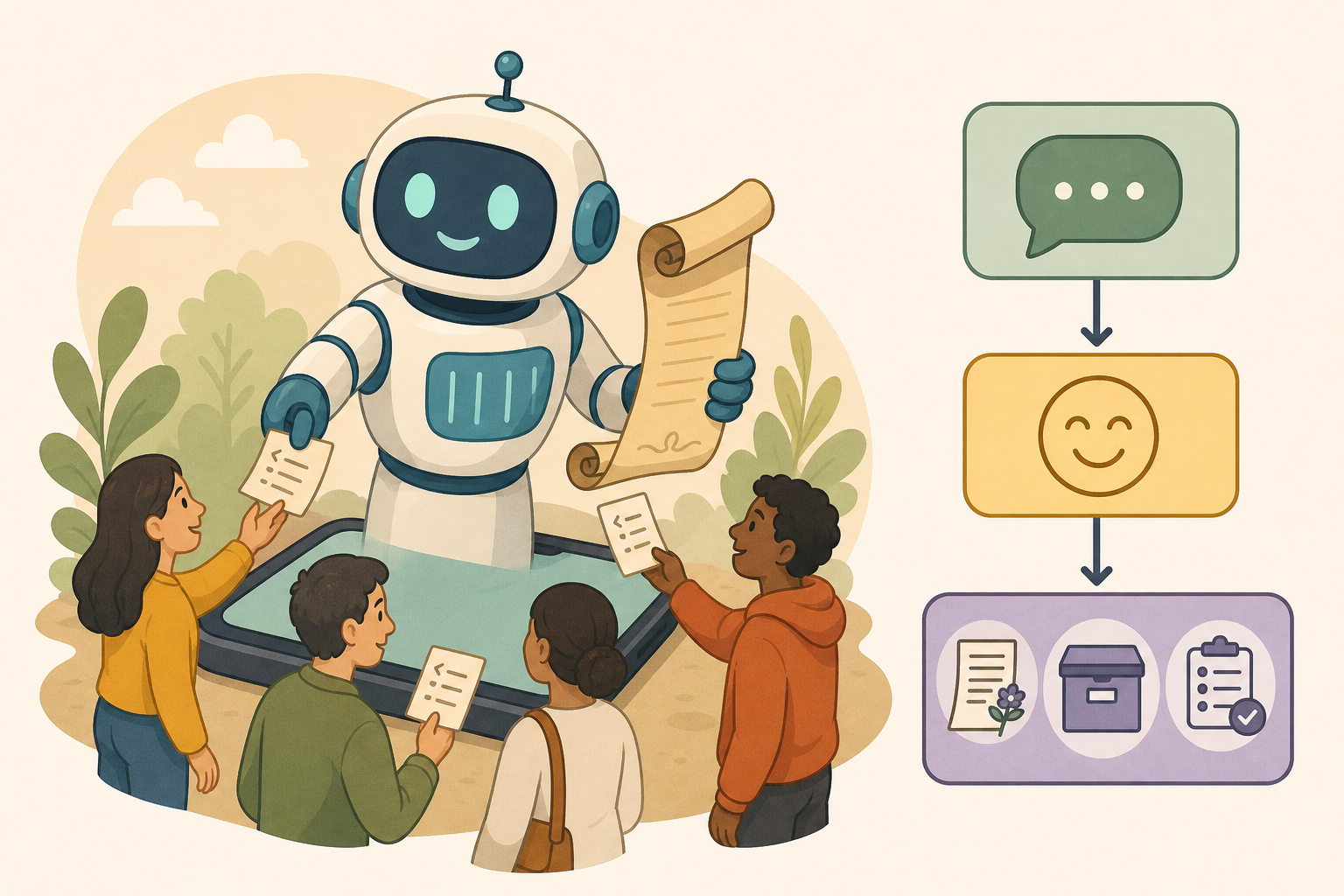
Five rites you can run (with exact prompts and sample scripts)
The Quiet Archive: a soft closure for workplace channels that preserves records without drama. Prompt to the LLM: “You are an unobtrusive archivist. Summarize this thread in three bullet points, note any unresolved action items, and compose a two-sentence neutral closing message suitable for posting in the chat announcing archival.” Sample closing: “Thread archived. If tasks remain, please reopen or message @ProjectLead by Friday.” Deliver the eulogy as a compact public service announcement, not a eulogy of grief.
The Flame Emoji Burial: theatrical, silly, and great for friend groups. Prompt: “You are a ceremonial emcee in a playful register. Turn this thread’s highlights into a 120–200 word roast-eulogy that uses flame and ghost emojis sparingly and ends with an invitation to a digital send-off (voice note or five GIFs).” Script excerpt to post: a short comedic eulogy, then invite everyone to drop one 🔥 and one 👻 in their final message before archiving.
The Roast & Release: best for teams that can handle blunt humor. Prompt: “Act as a roastmaster who is kind beneath the cruelty. Write 8-12 roast lines that lampoon the thread’s most lovable failures, then end with a sincere line of gratitude and a closing ‘we’re done’ message appropriate for a work Slack channel.” Post the roast, then post the sincere closure so the sequence reads as ritual.
The Sendoff Sonata: nothing says closure like a playlist. Prompt: “Create a 10-song playlist for a valedictory mood based on these thread themes: [list 3 keywords]. Provide short blurbs (one sentence each) linking song to thread memory and a two-sentence spoken sendoff that a human can record.” Use the recorded sendoff as the final message and pin the playlist in the channel.
The Tribunal of Pings: a democratic method for groups unsure whether to close. Prompt: “You are a neutral facilitator. Draft a three-option poll text (keep each option under 30 words): archive now, pause & revisit in 3 months, or active with new owner. Include a one-sentence recommendation based on participation metrics: if fewer than X messages in Y months, favor archive.” Post the poll, wait the agreed window, then let the LLM post the archival notice or the transfer of ownership.

Aftercare, etiquette, and the workplace politics of deletion
Retiring a chat can surface privacy and record-keeping issues: archived messages may be subject to company retention policies, and some industries require preserving certain communications. Before any ceremonial archive, check whether the thread contains records that must be retained and whether participants expect copies. Ask for consent when ceremonies involve sharing or transforming someone’s messages; get an opt-out process.
Treat the ritual as a social tool, not a bureaucratic sleight of hand. An announced ceremony solves ambiguity: colleagues aren’t left guessing whether the channel is abandoned, and managers get one clean place to assign follow-ups. When in doubt, default to clarity and preservation rather than theatrical destruction.
End of the rabbit hole.
You know too much now.
If this was useful
Try one of these next

Social Survival Listicle
7 micro-rituals to end a 30-second argument before it hires a lawyer
Seven tiny reset moves—coin flip, mutual pause handshake, snack swap—with exact scripts and timings so fights fizzle into a comic anecdote instead of an archived feud. Ranked by theatricality and likelihood to demote an argument from ‘litigious’ to ‘laughable’ (a knowingly ridiculous editorial judgement). Use these precisely: each ritual has an exact line and a stopwatch-friendly timing so the quarrel never gets a retainer.
Read article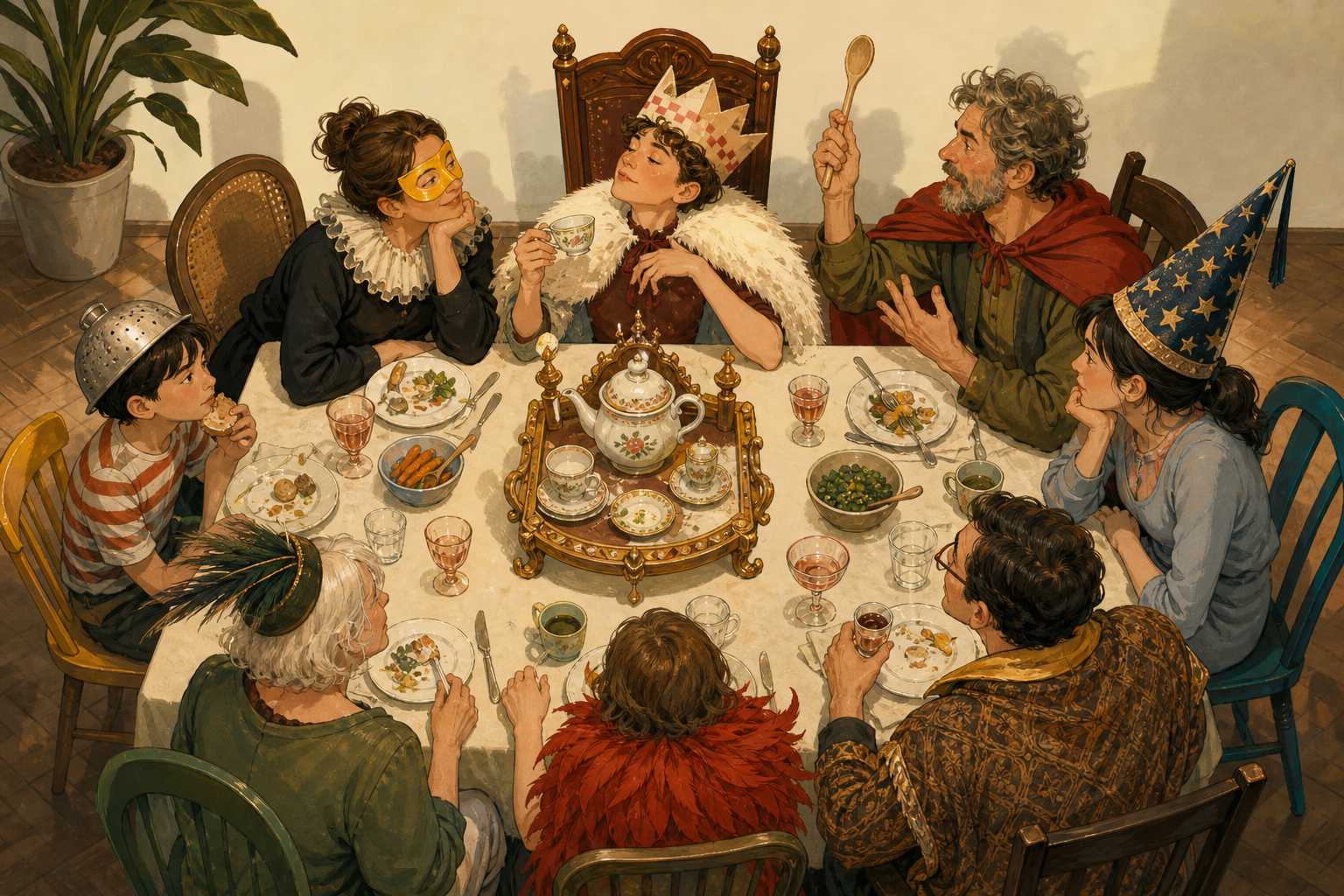
Domestic Chaos Deep Dive
13 AI prompts that will produce progressively more theatrical family nicknames
Thirteen ordered prompts that escalate from affectionate to operatic (’Mum’, ‘General of the Tea’, ‘Duchess of Leftover Pizza’), with usage notes and staging tips so you can debut each nickname at the perfect awkward family dinner.
Read article
Social Survival Deep Dive
The Fibometer: a clear guide to what body language can — and can’t — tell you
Body language is a seductive detective: a raised eyebrow, a clipped sentence, a flash of a smile feel like evidence. This deep dive separates the usable behavioural red flags from theatrical guesswork. We cover microgestures, vocal cues, the need for baselines and clusters, and the cognitive traps that turn ordinary signals into a courtroom in your head.
Read article
Social Survival How-to
How to host a Fact‑Tea: dunk claims, read sources and embarrass a manifesto politely
Turn a viewing party into a live fact-checking salon: five simple steps to prepare claim cards, brew suspicious tea, time answers, compare sources and award polite biscuit-based verdicts so every dubious Reform UK line gets a proper dunking
Read article