Domestic Chaos Deep Dive
The apartment audit: a forensic guide to making your home 'respectably Capricorn'
Room-by-room deep dive: which chair choices imply tenure, cleaning cadences, plant pairings and a printable inspection checklist to make a Capricorn inhale approval—plus two annotated room diagrams. This is a domestic forensics manual and ceremonial etiquette guide for anyone who wants their apartment to read like a long-term lease and an unspoken promotion letter.

What 'respectably Capricorn' actually means (and why your couch is lying to you)
This is not astrology as interior design; it is an aesthetic personality test administered by your furniture. "Respectably Capricorn" is the look of long-term competence: nothing ostentatious, nothing transient, everything arranged as if the tenant has been filing expense reports here since 2014.
It privileges durability over trend, quiet symmetry over theatrical chaos, and a hint of ceremony—an evening tea cup returned to the same saucer each night—over maximalist spontaneity. The phrase is a judgment call you can cultivate deliberately with small, repeatable behaviours.
Start by accepting that objects will be read like résumés. You can't fake tenure with a bright novelty pillow; you need items that age with the apartment and a set of habits that look practiced. Make possessions look like they have paid rent.
The living room: chairs that imply tenure and staging that suggests fiscal responsibility
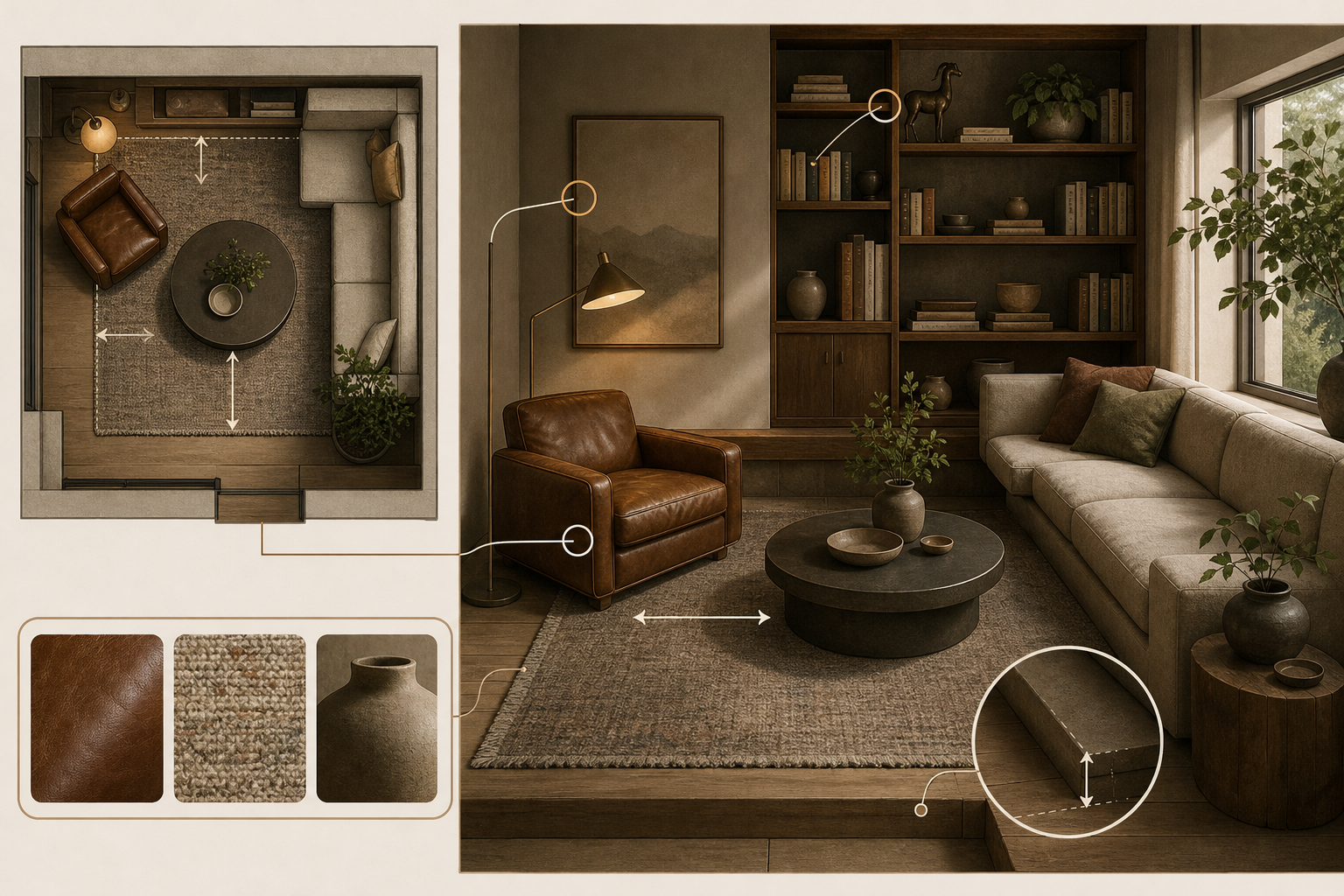
If someone asks whether your couch has a retirement plan, the living room has failed. Chair choice matters: a slightly sunk-in leather club chair signals that it has earned its place; a pristine, impossibly white sofa screams 'I moved in last weekend.' Textures that invite use—worn leather, brushed wool, a faded woven rug—read as invested ownership.
Arrangement should be purposeful. Center a conversation area on a rug that is slightly smaller than the seating arrangement (it should look like the rug was chosen, not chosen to be perfect). One visible bookshelf left slightly asymmetrical announces a human who edits rather than hoards. Choose a chair that looks like it paid rent for five years.
Lighting is the living room's signature. A single warm task lamp with a dimmer communicates deliberation. Multiple competing floor lamps read as indecision. Shelving is not a museum; a small stack of well-thumbed books, a single framed photograph, and one odd object (the goat statuette, if you insist) establish narrative without shouting.
Kitchen and cleaning cadence: the rituals that whisper competence
A regime is more persuasive than perfection. Visible cleanliness should be cyclical and evident in predictable places: a sink with a rinsed dish, a chopping board seasonally worn, and countertops cleared except for one curated object. These are signals that someone maintains the apartment on a schedule, not an emergency basis.
Define a weekly rhythm: daily surface wipe, bi-weekly fridge check, weekly ‘forensic swipe’ of high-touch spots like switches and handles, and a monthly appliance glance. The point is consistency, not sterilisation; a lived-in but cared-for kitchen looks like a practiced ritual rather than a clean-room panic before guests arrive. Implement a weekly 'forensic swipe.'
Bedroom, linens and plant pairings: how to look like you sleep well and are emotionally reliable
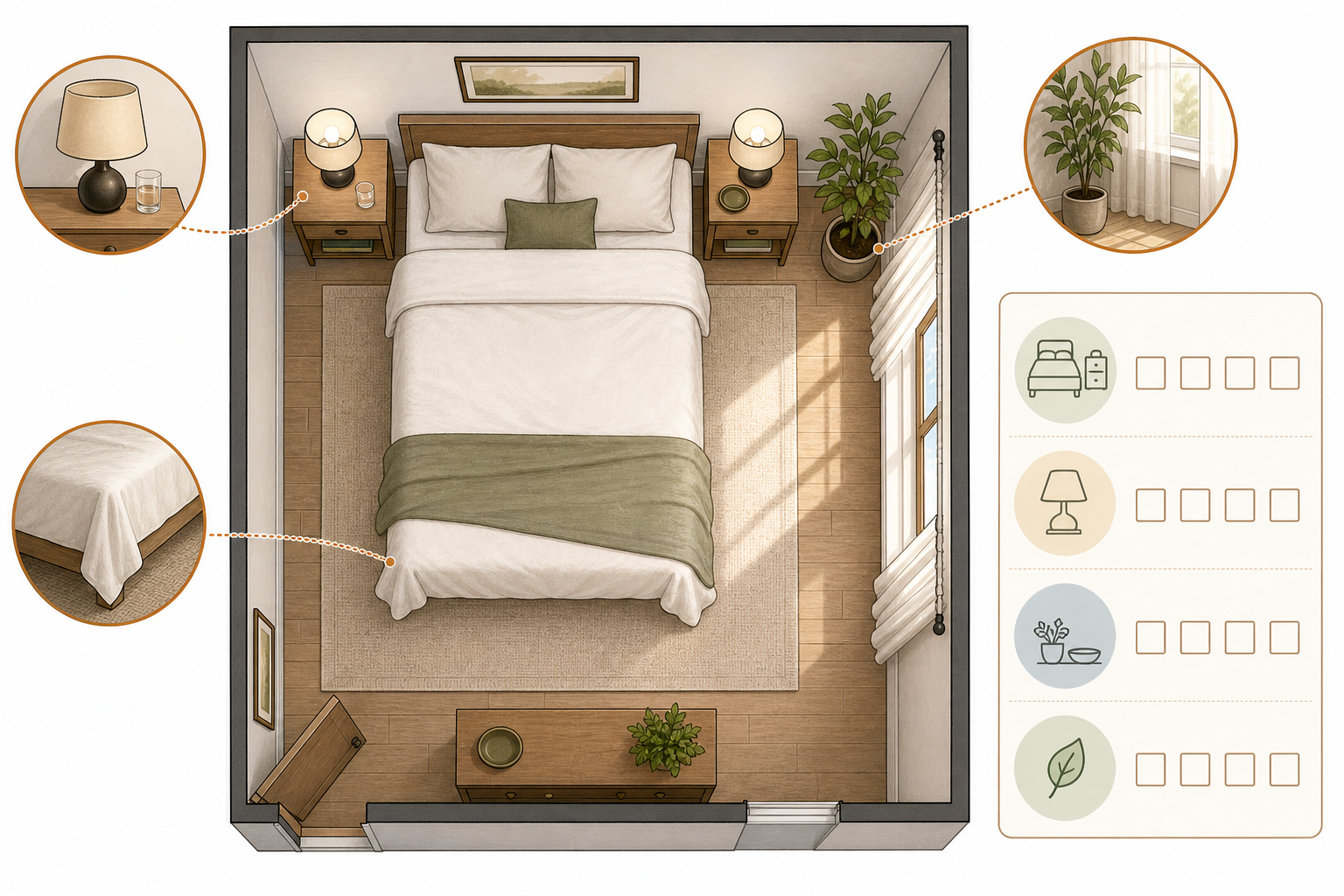
Bedrooms are reputational spaces. Sheets should be well-fitted and neutral—linen or heavy percale reads older and more considered than a baroque duvet cover. Nightstands should host exactly two objects: a lamp and a utilitarian item (glasses, a book, or a tidy water carafe). Too many decorative pillows signal performative staging; too few suggest neglect. Limit bedside clutter.
Plants in the bedroom should be deliberate. Choose species that tolerate the room's light and a watering cadence you can keep. A single tall, architectural plant and one small trailing plant read as mindful pairing: one for structure, one for softening edges. If you want green without fuss, pick varieties known for being low-maintenance in the light available rather than chasing trends.
Plants, containers and pairings: groupings that read like responsible horticulture
Plants are not accessories; they are coworkers who will either reinforce your story of competence or betray it by wilting. Pair plants by maintenance rhythm and form, not by Instagram colour palettes. Combine one columnar plant (e.g., a tall dracaena or similar form) with one spreading plant (a philodendron-type or a non-toxic alternative) and a compact, sculptural succulent or low-water cactus for variety of scale and watering needs.
Containers are the unspoken uniform. Matching tones and varied textures—terracotta, matte ceramic, a single woven basket—create visual cohesion without looking regimental. Group plants by maintenance rhythm.
The audit checklist and two annotated room diagrams: how to perform the forensic sweep
The audit is a short, cruelly specific instrument. It focuses on presence (a readable set of objects), wear (evidence of steady use), and schedule (signs of routine cleaning). Each room gets ten checkpoints: three for furniture, three for surface condition, two for lighting/ambience, and two for a living element like plants or textiles. Completing it takes under twenty minutes and leaves you with a notecard's worth of edits.
Use the diagrams as a reading tool rather than a blueprint. The living room diagram highlights chair placement, rug scale, and the 'single curated shelf'; the bedroom diagram annotates bedside parity, visible linen condition, and ideal plant placement for light. Print the checklist, perform the audit monthly, and treat any failing item as a small, dignified family meeting with your apartment. End result: the place reads like a person who returns phone calls and remembers birthdays.
End of the rabbit hole.
You know too much now.
If this was useful
Try one of these next
Domestic Chaos Deep Dive
9 pumpkin tricks to stop your kitchen from becoming a pulp crime scene
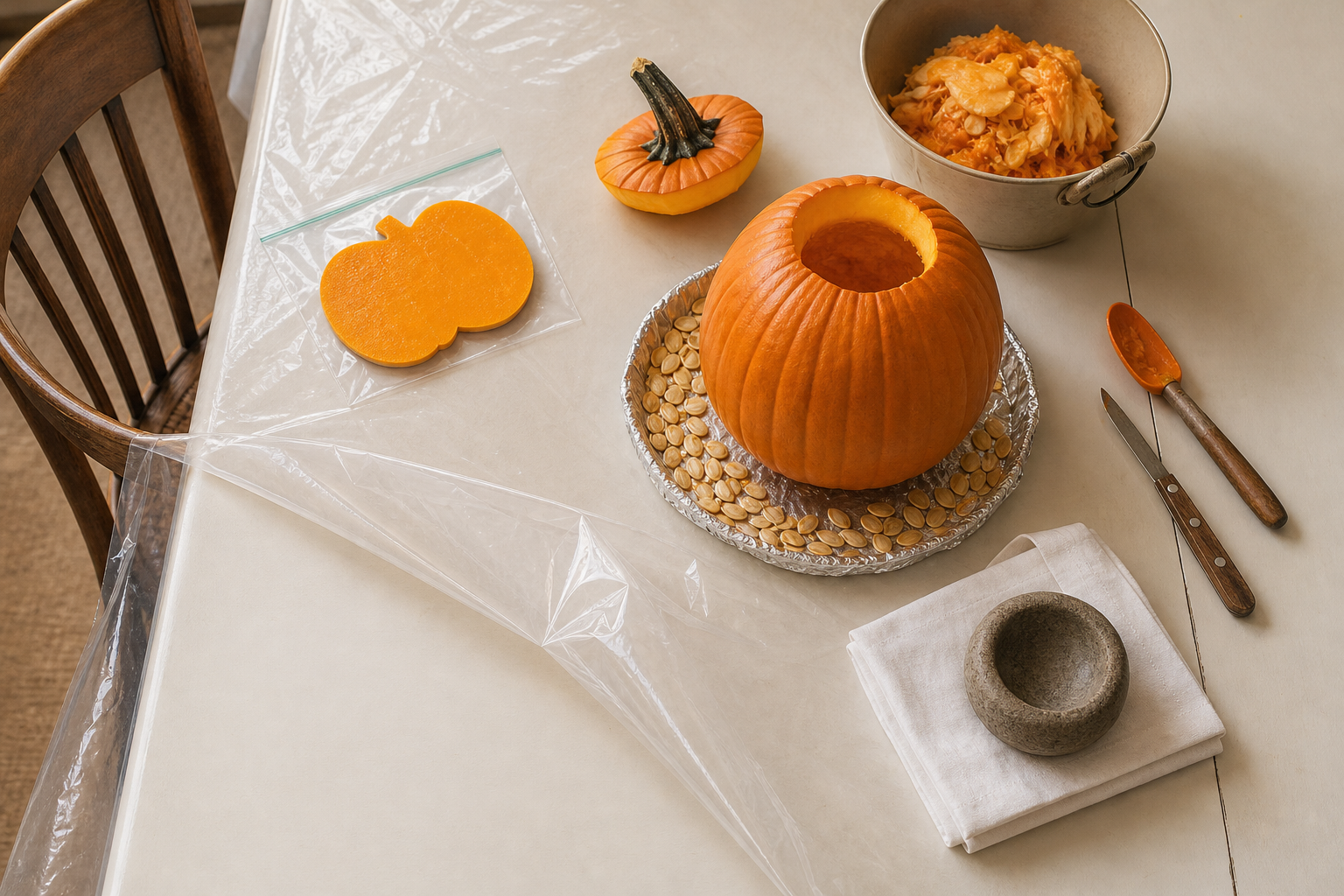
Nine field-tested hacks—peelable table liners, a seed-skim ring, a one-bucket pulp command, zipper bag cut-extract and a napkin mortar—to keep carving contained and your tablecloth untraumatised.
Read article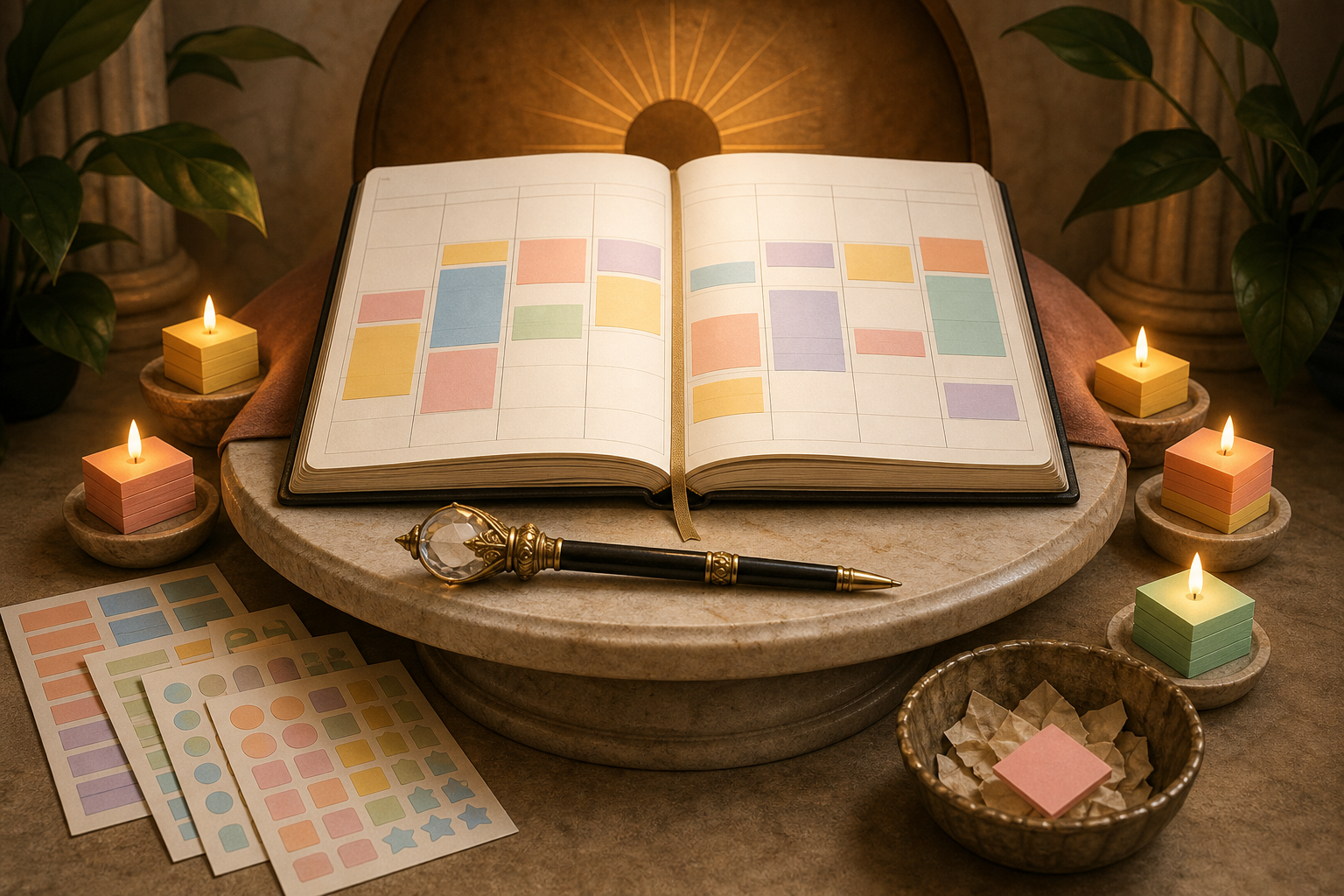
Domestic Chaos Deep Dive
The calendar altar: worship, sacrifice and sticker diplomacy for ADHD timekeepers
Investigates planners as miniature temples—color rites, buffer-zone sacrifices, alarm liturgies and sticker economies—showing how to turn a calendar into a forgiving deity that forgives missed starts.
Read article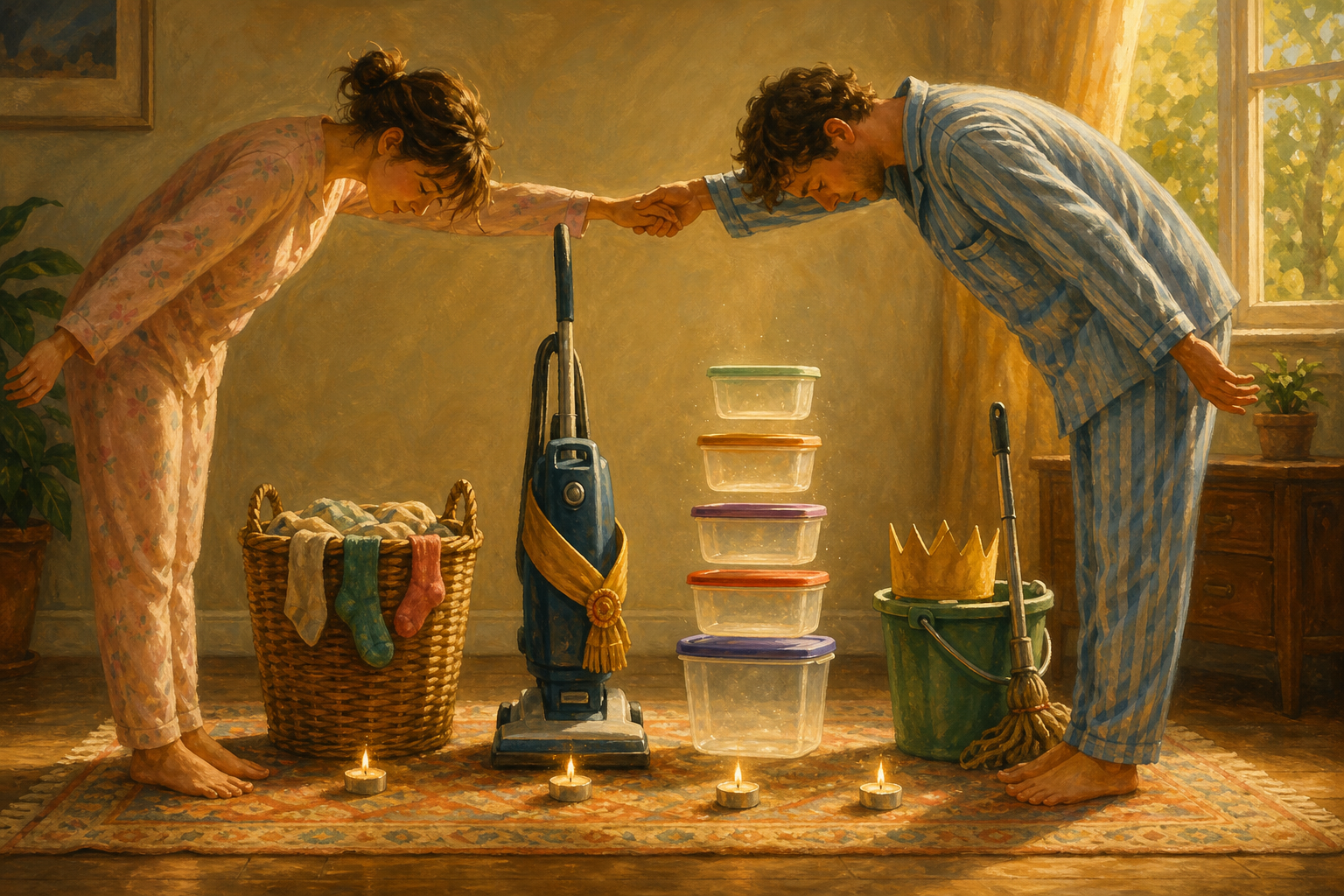
Domestic Chaos Listicle
8 household objects you should whisper a pep talk to before starting a shared chore
An absurd ranked list (laundry basket, vacuum, cursed Tupperware) with one-line pep talks and choreography so chores feel ceremonial, not punitive—perfect for mutual motivation rituals.
Read article
Social Survival Deep Dive
The stair-by-stair compliment: an anatomy of praise that persuades a Capricorn
Compliments are not spontaneous confetti; they are tiny negotiations. This deep dive breaks praise into three rehearsable treads—validation, utility, forecast—and explains why that architecture persuades a pragmatic, status-conscious person (the Capricorn archetype). Readable theory, timing maps, sample scripts and a single illustrated “compliment choreography” show how to make praise feel earned instead of gratuitous.
Read article