Social Survival Deep Dive
The stair-by-stair compliment: an anatomy of praise that persuades a Capricorn
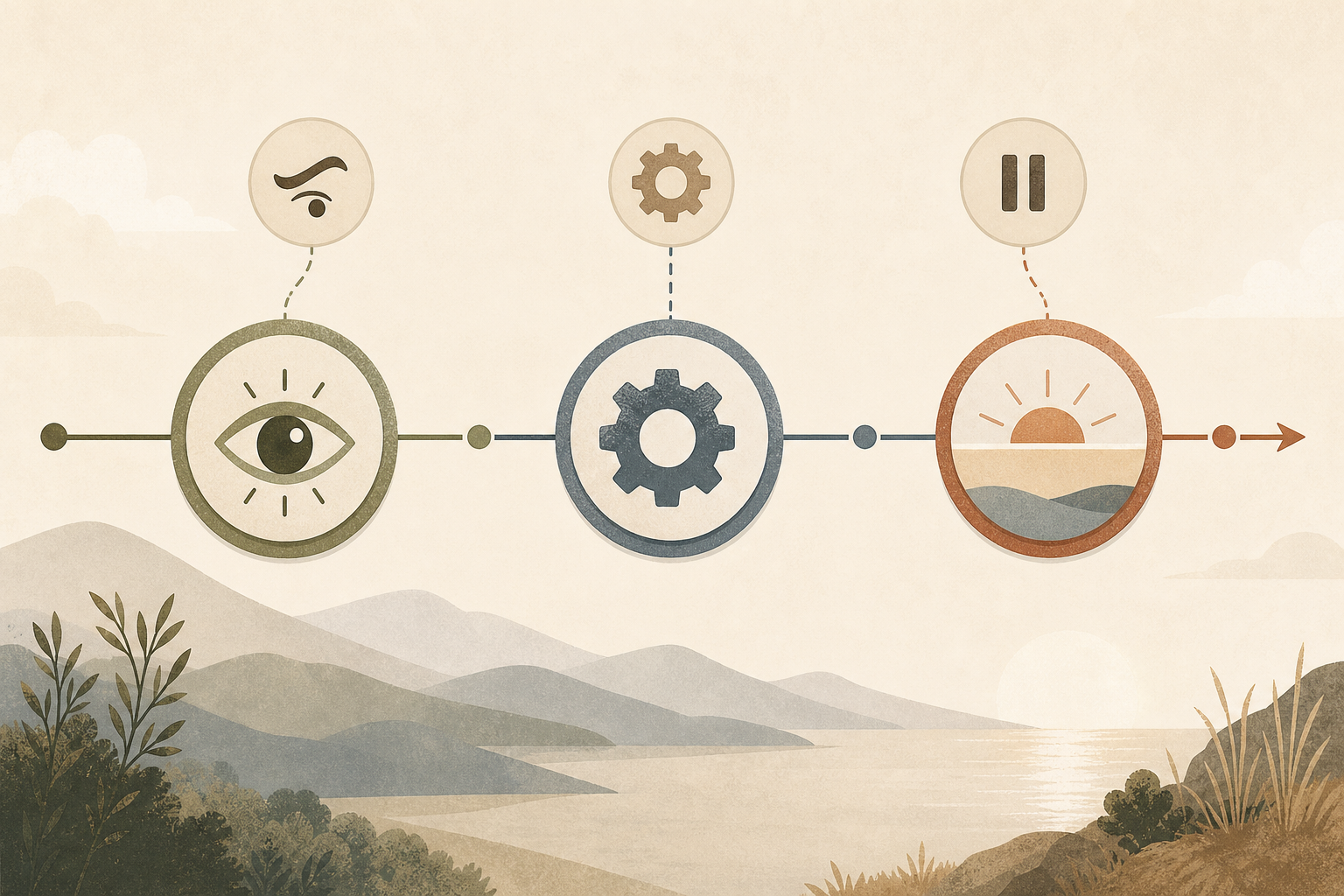
Compliments are not spontaneous confetti; they are tiny negotiations. This deep dive breaks praise into three rehearsable treads—validation, utility, forecast—and explains why that architecture persuades a pragmatic, status-conscious person (the Capricorn archetype). Readable theory, timing maps, sample scripts and a single illustrated “compliment choreography” show how to make praise feel earned instead of gratuitous.

Praise as architecture: why a compliment can be a staircase
A compliment is not merely nice words; it is a miniature architecture of attention that carries the receiver from observation to recognition to future possibility. Think of it as stairs: you are asking someone to climb from being noticed to being acknowledged to being imagined in a new way.
The Capricorn in the title functions as an archetype—the person who prefers craftsmanship to charisma, proof to poetry. Treating praise like a structure clarifies what it is doing, and who is likely to respond when the steps feel earned rather than performative.
The three stair treads: validation, utility, forecast
Every persuasive compliment can be parsed into three elements: the immediate observation, the practical value, and the future-facing implication. validation anchors the compliment in a specific, verifiable moment so it reads as attention, not flattery.
Utility answers the Capricorn’s internal accountant: why did you notice this, and why does it matter? Forecast turns the compliment from a trophy into a projection—small, believable, useful, and therefore persuasive.
Timing maps and the choreography of praise
The moment you deliver a compliment changes how it is read: a validation thrown into a meeting opener will be different from the same line murmured after a tough day. Pace matters—a compliment that rushes through the treads sounds rehearsed, one that pauses at the right place feels considered.
Compliment choreography treats the exchange as a micro-performance: a brief eye contact before the validation, a beat after utility to allow the receiver to register, and a softening tone on the forecast. This is not manipulation; it is etiquette so exaggerated it becomes a ritual.
Sample scripts: rehearsable stairs for different rooms in life
A workplace version might be low on adjectives and heavy on consequence: “I noticed how you reorganized the report—be specific—the new layout made the numbers easier to scan, and that will save the team time in review.” That sequence validates, says why it matters, and imagines a future efficiency.
For a friend, the choreography can be warmer: “You checked in after my meeting—it mattered because I felt seen, and I know I’ll tell you first next time.” The romantic variant is quieter and slightly theatrical: “The way you planned tonight—I saw how much you thought about it, it made the evening effortless, and I’m already excited for the next idea you’ll bring.”

Failure modes and theatrical retirement of a compliment
When a compliment collapses it’s usually because one of the treads is missing: validation without utility feels shallow, utility without warmth feels robotic, forecast without plausibility feels like a promise it can’t keep. The Capricorn archetype notices this ledger-balancing instantly and will mentally return the compliment with interest.
If you trip—say something hyperbolic and immediately regret it—the repair is simple and honest: acknowledge the slip and re-anchor. A theatrical retirement (a brief, exaggerated bow and a disarming laugh) is permitted when you want to make the mistake part of the ritual rather than a secret scandal.
End of the rabbit hole.
You know too much now.
If this was useful
Try one of these next

Social Survival Deep Dive
5 funeral rites for outdated group chats you should perform with an LLM
Five theatrically different ceremonies (the Quiet Archive, the Flame Emoji Burial, the Roast & Release) with exact AI prompts and a script so you can ceremonially retire group threads nobody replies to anymore.
Read article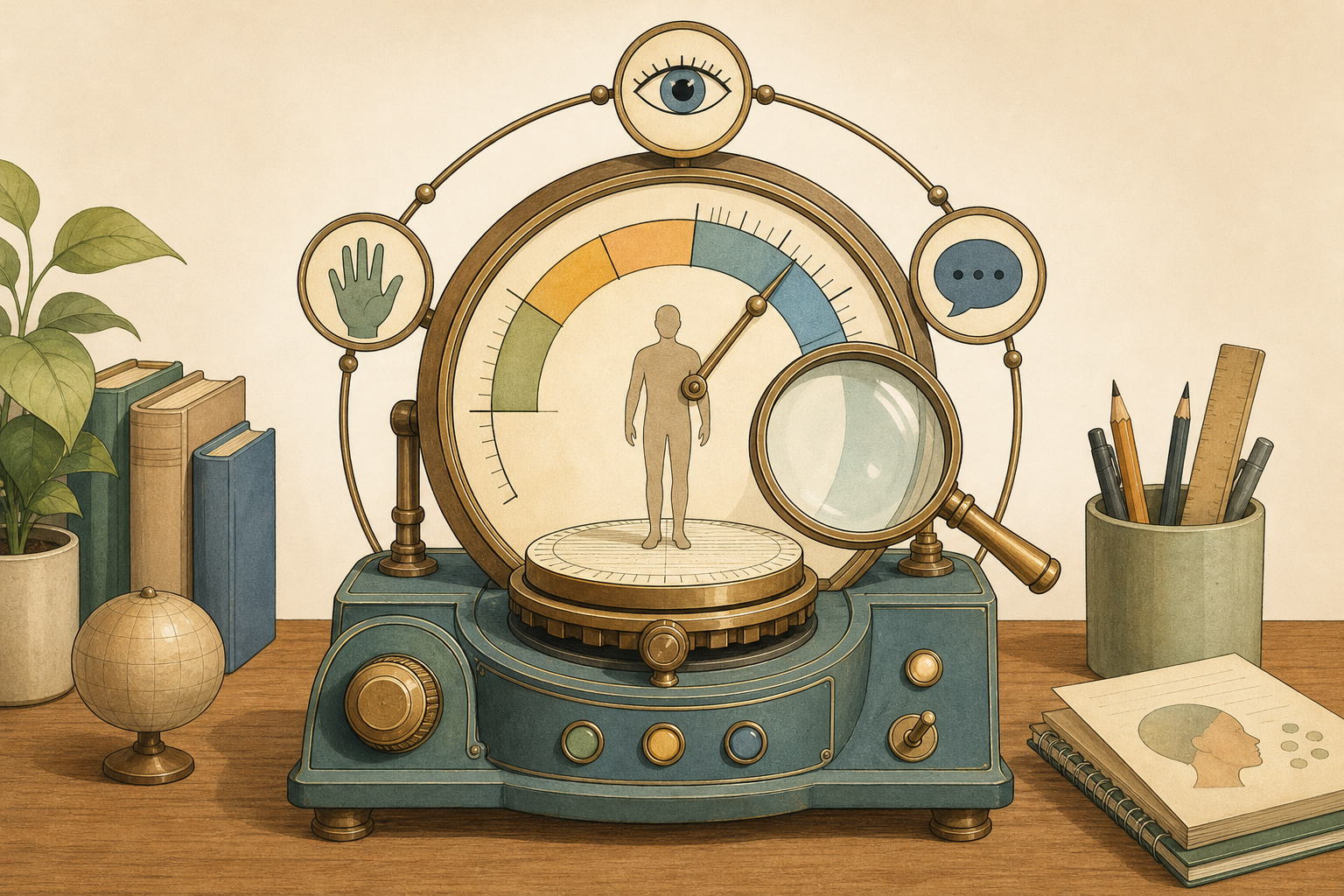
Social Survival Deep Dive
The Fibometer: a clear guide to what body language can — and can’t — tell you
Body language is a seductive detective: a raised eyebrow, a clipped sentence, a flash of a smile feel like evidence. This deep dive separates the usable behavioural red flags from theatrical guesswork. We cover microgestures, vocal cues, the need for baselines and clusters, and the cognitive traps that turn ordinary signals into a courtroom in your head.
Read article
Social Survival How-to
How to host a Fact‑Tea: dunk claims, read sources and embarrass a manifesto politely
Turn a viewing party into a live fact-checking salon: five simple steps to prepare claim cards, brew suspicious tea, time answers, compare sources and award polite biscuit-based verdicts so every dubious Reform UK line gets a proper dunking
Read article
Social Survival Listicle
7 micro-rituals to end a 30-second argument before it hires a lawyer
Seven tiny reset moves—coin flip, mutual pause handshake, snack swap—with exact scripts and timings so fights fizzle into a comic anecdote instead of an archived feud. Ranked by theatricality and likelihood to demote an argument from ‘litigious’ to ‘laughable’ (a knowingly ridiculous editorial judgement). Use these precisely: each ritual has an exact line and a stopwatch-friendly timing so the quarrel never gets a retainer.
Read article