Domestic Chaos Deep Dive
The calendar altar: worship, sacrifice and sticker diplomacy for ADHD timekeepers
Investigates planners as miniature temples—color rites, buffer-zone sacrifices, alarm liturgies and sticker economies—showing how to turn a calendar into a forgiving deity that forgives missed starts.

Planners as miniature temples
Call it a metaphor, call it a performative coping strategy: the calendar altar imagines your planner as a tiny temple where time is both a resource and an honored guest. For many people with ADHD, time isn’t a continuous line so much as a series of dramatic entrances and awkward exits, and ritual gives those entrances a stage.
Thinking of a planner as a temple changes how you treat it. Instead of a dry ledger of promises you’ll forget, the page becomes a place you visit, perform for, and occasionally appease. This is not mysticism; it’s a practical reframing that borrows the structure of ceremony—repetition, symbolic objects, and predictable sequences—to reduce decision friction and embarrassment around missed starts.
Rites: color codes, buffer sacrifices and alarm liturgies
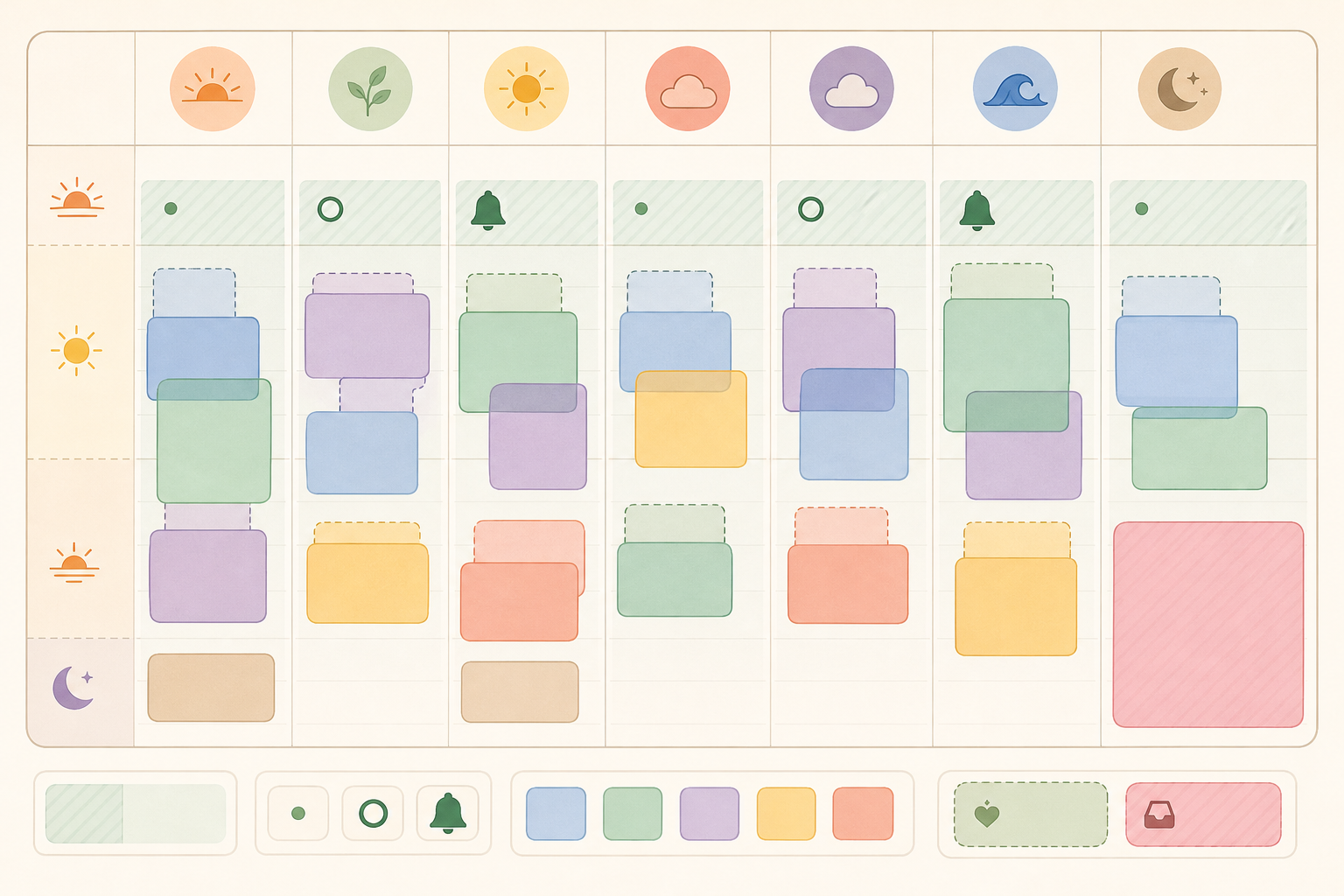
Color is the high church of planner rites: a single marker can turn a blob of commitments into a readable scripture. Use color to indicate emotional energy, task type, or permission to bail—whatever reduces the time you spend deciding which pen to use. Pick a small, consistent palette.
Buffer zones are the sacrificial goats of scheduling: deliberately oversized gaps around tasks that absorb overruns instead of shaming you for them. Treat these as ritual offerings—if a task overruns, drop a tiny sticky note into a ‘sacrifice bowl’ (real or symbolic) and move on. Alarms are more than reminders; they are liturgies. A three-stage alarm sequence (gentle nudge, trumpet-call, final bell) frames transitions as events you are prepared to attend rather than ambushes.

Sticker economies and calendar diplomacy
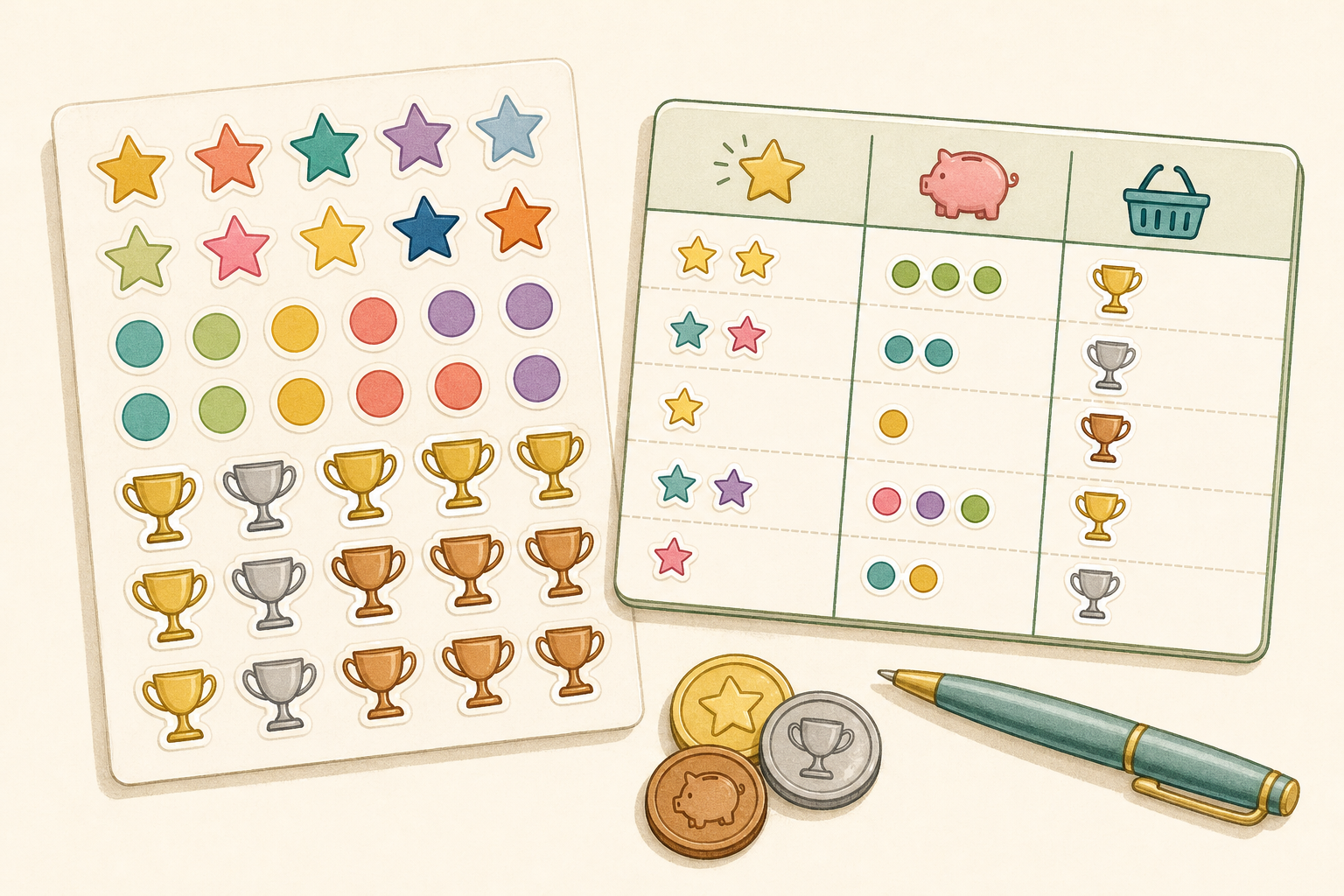
Stickers are the currency of this micro-economy: they signal completion, mark grace, and lubricate negotiation with future-you. A gold star doesn’t cure distractibility, but it can purchase goodwill; the more immediate and tangible the reward, the more likely a single action will gather momentum. Treat stickers as currency—earn them, bank them, trade them for specific rewards or privileges.
There is also diplomacy: stickers function as treaties between present-you and future-you. Use a visible ‘debt’ column for obligations you owe your future self (follow-ups, prep work), and negotiate with stickers: one sticker removes one small task from tomorrow. This ritualized exchange externalizes promise-keeping into a playful ledger that reduces cognitive load.
Alarms, altars and building a forgiving deity
The calendar altar is less about tyranny and more about mercy. A forgiving schedule anticipates failure: soft-start windows invite you to begin a task within a flexible range rather than at an exact, shame-inducing minute, and backlog days act as sacramental absolution for weeks that went sideways. Build mercy into the schedule by labeling blocks with ‘start by’ and giving yourself explicit escape routes.
Forgiveness also comes from ceremony. A short post-task ritual—scribbling a single sentence about progress, dropping a sticker in the bowl, or ringing a small bell—turns partial completion into recognized accomplishment. These tiny acts change the internal narrative from “I failed” to “I performed the rite and left an offering,” which matters when attentional differences make starts unpredictable.
What this is—and what it is not
This system is a behavioral scaffolding and a rehearsal space, not a treatment. Ritual, color, and stickers reduce friction and reshape incentives but do not alter neurological conditions. If someone needs clinical support, a planner altar is a compliment to, not a replacement for, professional care.
Don’t romanticize rigidity: the altar’s purpose is to make your planner more forgiving, not more punitive. The temptation to weaponize ritual—turning missed starts into moral failure—is real; resist it. Do not weaponize your planner. Treat rules as guidelines supporting compassion between present-you and future-you.
Erecting your own calendar altar
Begin with a simple consecration: choose a lamp, a pen that feels dignified, and a single sticker sheet you reserve for meaningful wins. Make one small, fun ceremony—writing your week’s top priority while lighting a lamp or placing a sticker on the first completed item—to anchor the practice in habit.
Maintain two commitments: keep the system small and allow frequent forgiveness. If a week collapses, perform the ‘reconciliation rite’: empty the sacrifice bowl, move three tasks to buffer zones, and place a mercy sticker on the calendar. If this sounds theatrically excessive, that’s the point—ritual turns embarrassment into a manageable play with rules you control. Consecrate with a sticker and remember the altar exists to serve you, not to demand perfection.
End of the rabbit hole.
You know too much now.
If this was useful
Try one of these next
Domestic Chaos Deep Dive
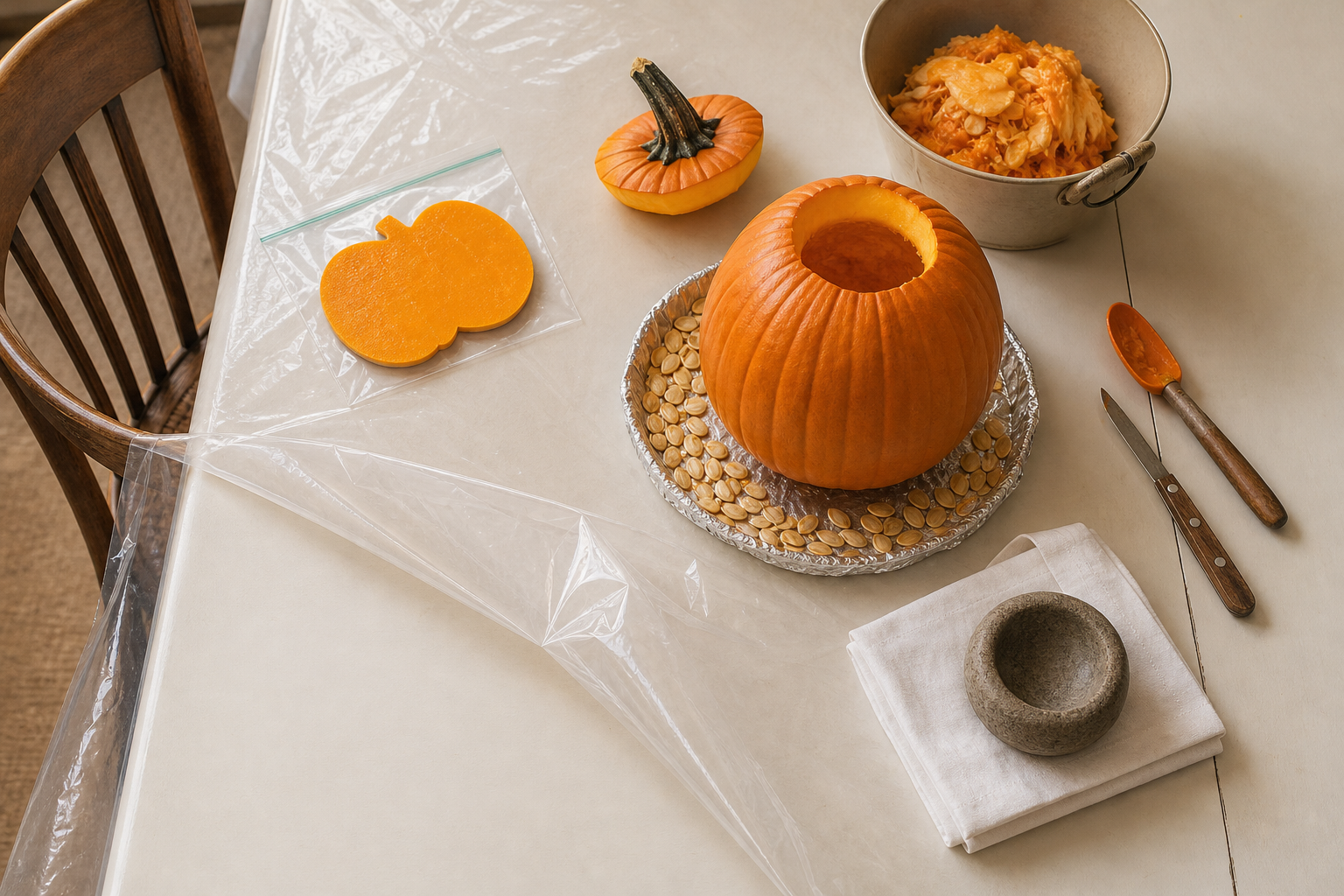
9 pumpkin tricks to stop your kitchen from becoming a pulp crime scene
Nine field-tested hacks—peelable table liners, a seed-skim ring, a one-bucket pulp command, zipper bag cut-extract and a napkin mortar—to keep carving contained and your tablecloth untraumatised.
Read article
Domestic Chaos Deep Dive
The apartment audit: a forensic guide to making your home 'respectably Capricorn'
Room-by-room deep dive: which chair choices imply tenure, cleaning cadences, plant pairings and a printable inspection checklist to make a Capricorn inhale approval—plus two annotated room diagrams. This is a domestic forensics manual and ceremonial etiquette guide for anyone who wants their apartment to read like a long-term lease and an unspoken promotion letter.
Read article
Domestic Chaos Deep Dive
The fidget’s manifesto: how tiny objects staged a coup in boardrooms and living rooms
An illustrated history of fidgets as behavioral theatre: why certain textures soothe, the etiquette of silent spinning, and how to assemble a household fidget cabinet that converts anxiety into plausible productivity.
Read article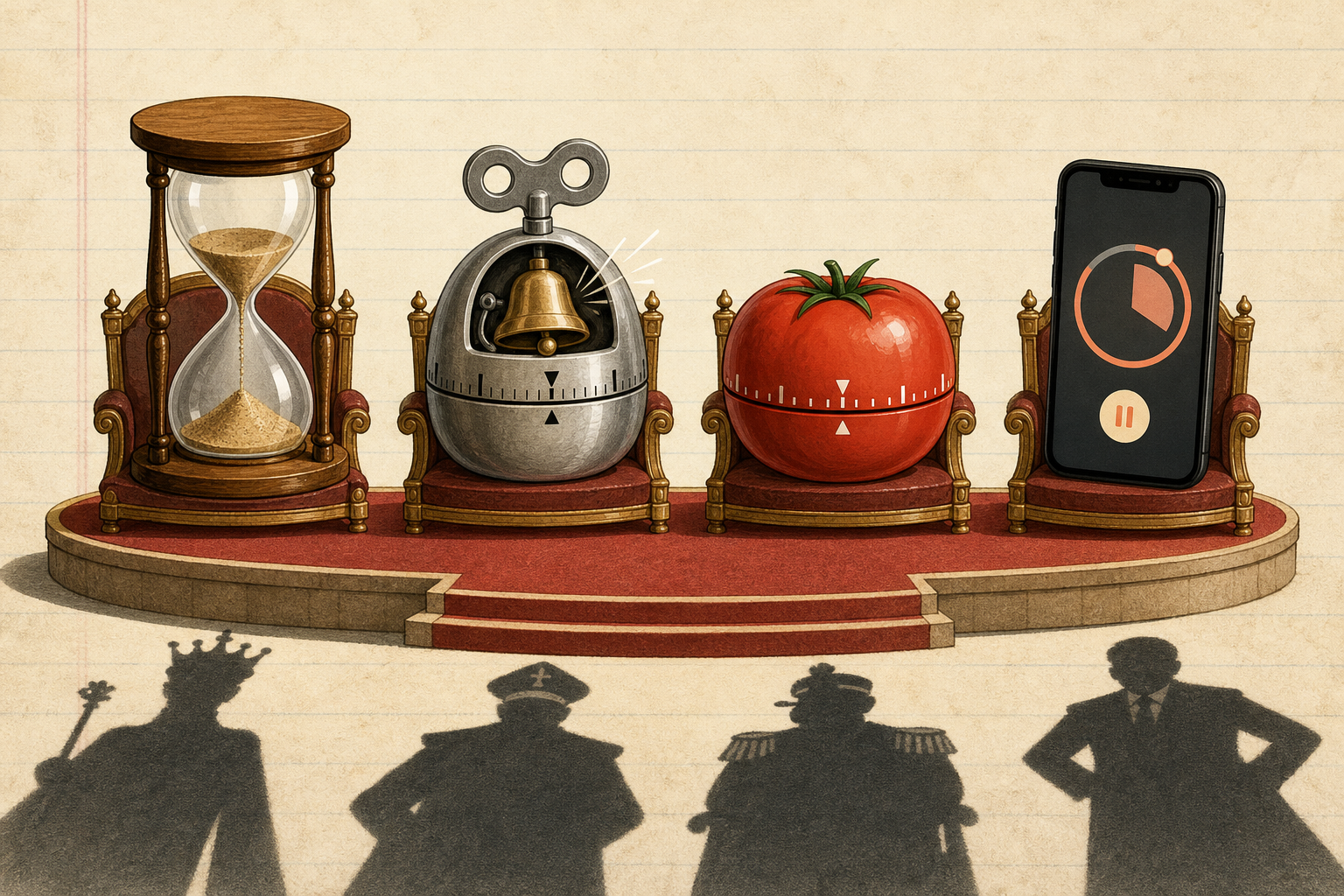
Domestic Chaos Deep Dive
Timers: A Short History of Tiny Tyrants That Make Projects Finishable
Deep-dive: an illustrated, readable history of mechanical and visual timers, Pomodoro culture, and how different timers change hobby behaviour. Includes key facts, a three-panel timer chooser and two supporting illustrations.
Read article