Food & Drink Deep Dive
The snack bribe: edible diplomacy and emergency rations for unavoidable social obligations
Explores the anthropology of pocket food—single-serving sweets, portable diplomacy recipes and snack etiquette—teaching which morsels to carry, how to offer them theatrically, and how they buy minutes of social grace.
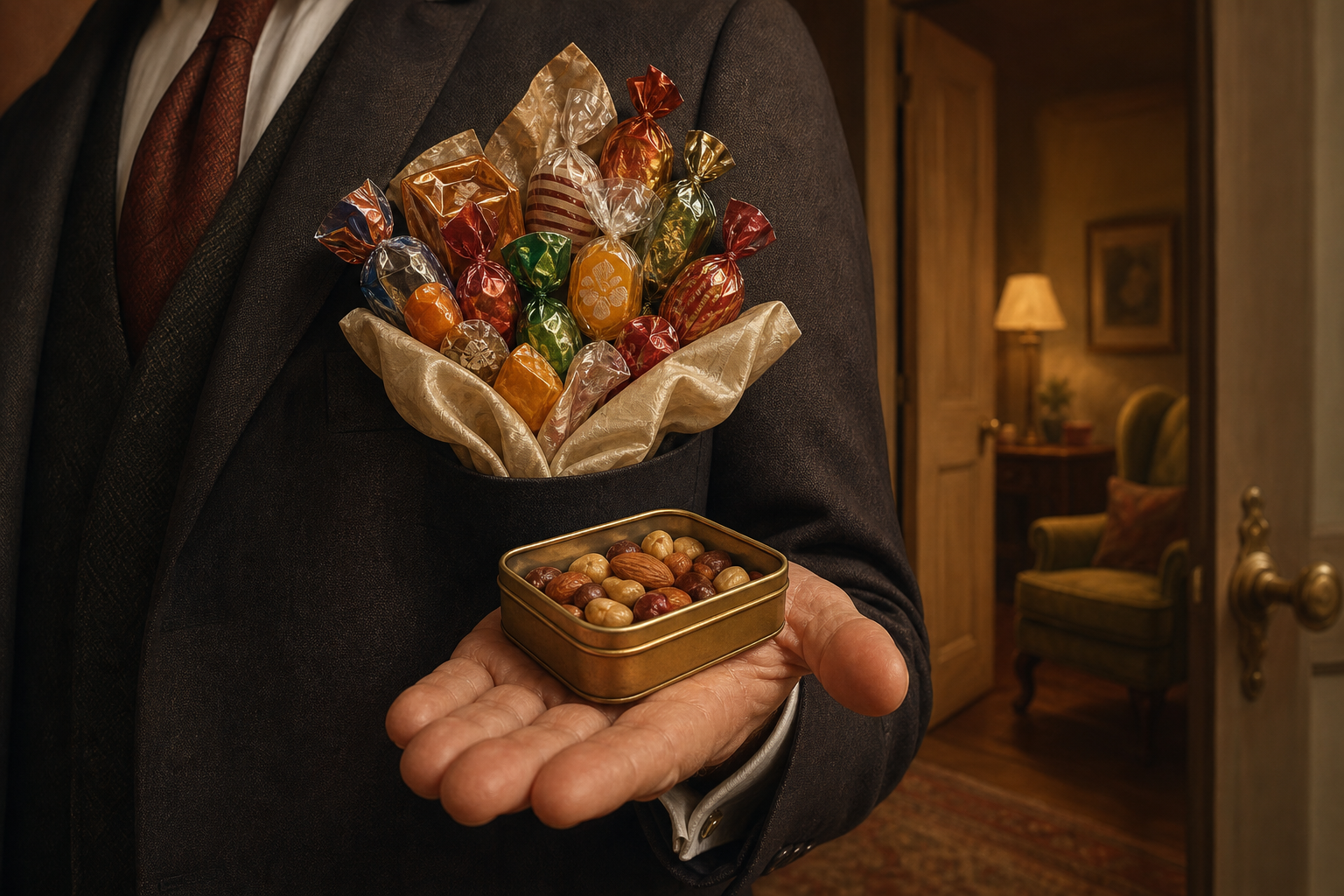
Pocket food as social lubricant: what the snack bribe is and why it matters
The snack bribe is literally what it sounds like: a bite-sized edible offered to smooth, delay, or lighten an otherwise unavoidable social interaction. It exists where practical hospitality meets tactical evasion—an olive branch you can store in your coat pocket, a tiny treaty you can sign with the mouth.
Think of it as diplomacy engineered to fit a palm. A single sweet can turn an incipient awkwardness into a two-minute conversation about mint flavors, buy enough time to change the subject, or provide a socially sanctioned pretext for a graceful exit. In households and offices that prize small mercies over dramatic honesty, these morsels are the unsung infrastructure of everyday civility.
The effect is not mystical; it depends on context, expectation, and ritual. A snack doesn't erase conflict, but it buys minutes of grace—and minutes are where most modern social improvisation happens.
Archetypes of pocket food: the species of bribe
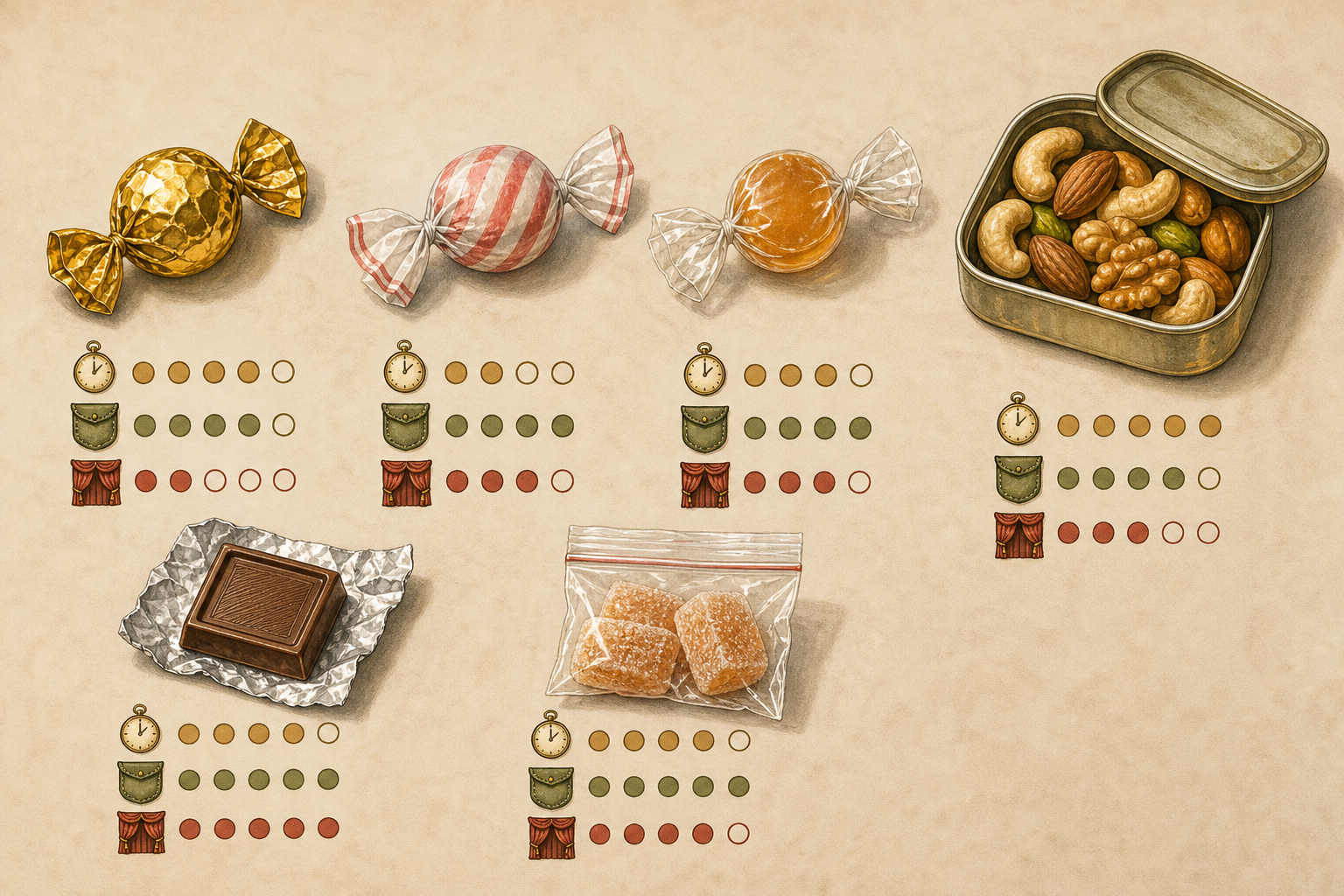
Not all snacks are created equal. There are a handful of reliable archetypes: individually wrapped hard candies (long shelf life and theatrical unwrapping), small tins of nuts (satisfying and shareable), single-serve chocolate squares (luxury in miniature), and prepackaged ginger or peppermint chews (functional for nausea or breath diplomacy). Each archetype trades off portability, longevity and performative showmanship.
Packaging matters almost as much as flavor. A stiff foil wrapper announces ceremony; a tiny tin suggests permanence and careful intent. Single-serving items are the currency because they carry no implied obligation to share a whole loaf of goodwill—only a single, discrete exchange.
There are also culinary improv archetypes: crumbs of sandwich pressed into wax paper for an emergency offering, a folded orange slice in a napkin for dramatic citrus reveal, or a tiny spoon of jam in a vial for the friend who likes the absurd. These are situational and theatrical rather than pantry mainstays.
The theatrics of offering: etiquette, timing and hand choreography
Offering a snack is a performance with three beats: approach, presentation, and withdrawal. The approach reads the room—notice the person's body language and whether food is appropriate. The presentation should be brisk and sociable; a casual smile, a small flourish, and the offer of choice ("Mint or chocolate?") disarms suspicion and converts an imposition into a shared joke.
Hand choreography counts. Extend the snack palm-up, present it slightly sideways to avoid personal space intrusion, then give the receiver a clear option to decline. The final beat is graceful withdrawal: a polite, nonchalant step back that signals the encounter is over unless they choose otherwise.
This is not manipulative wizardry; it is a packet of predictable social signals. Present with intention—a quick, clear offering with a built-in escape hatch preserves dignity for both parties.
Emergency rations and the architecture of a pocket diplomacy kit
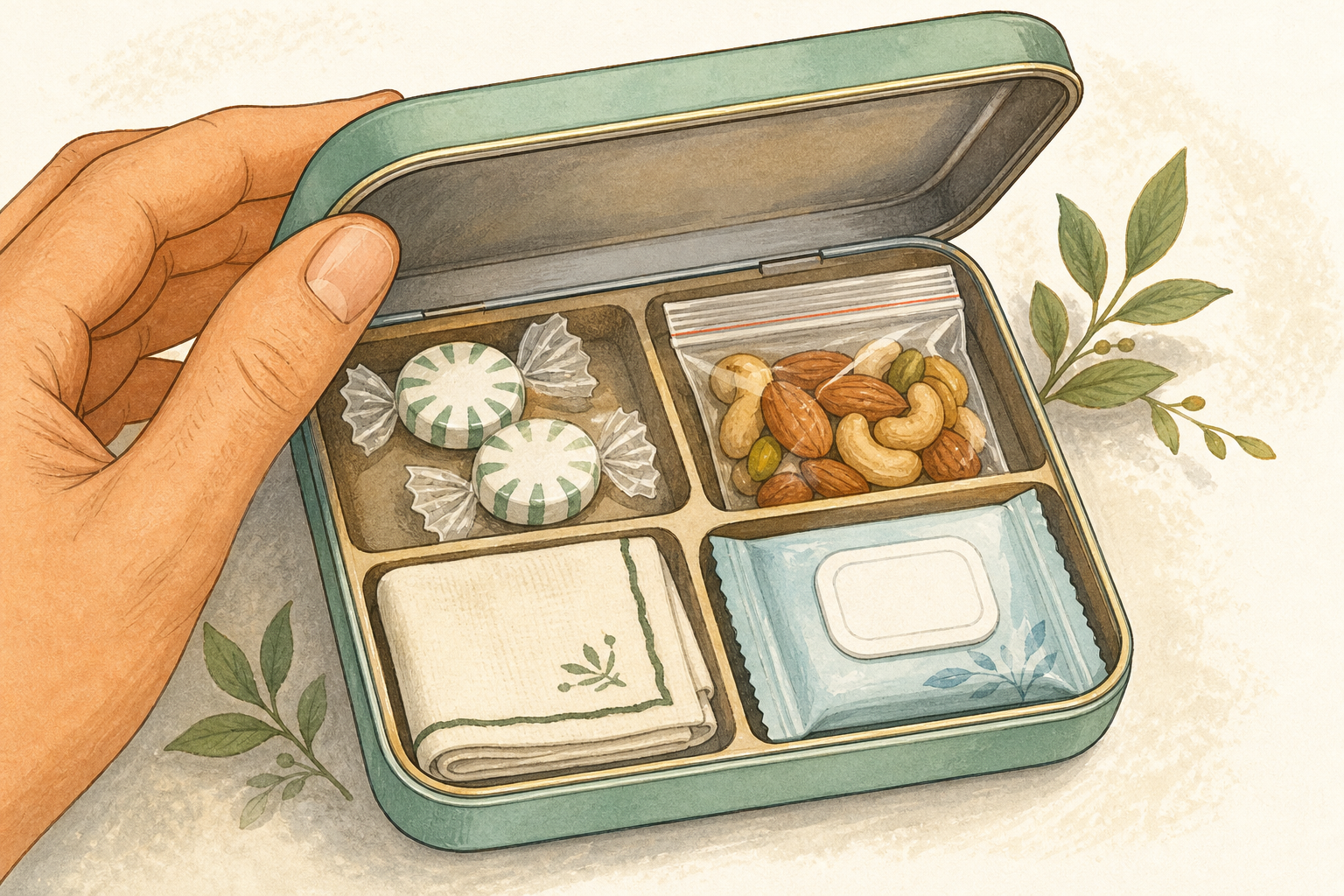
A pocket diplomacy kit is not a maximalist survival pack; it is a small, curated selection of items designed for ease and theatrical value. Essentials include two or three wrapped candies, a tiny resealable bag of roasted nuts (or allergy-safe alternative), a travel-sized wet wipe, and a single paper napkin. Tuck the kit into a coat pocket, purse compartment, or the glovebox—wherever your life encounters human minutiae.
Storage and rotation rules are simple: check once a month and replace anything stale, sweat-damaged, or suspiciously sticky. Keep ingredient lists or card notes for common allergens to avoid accidental harm. The least glamorous but most useful item is the wet wipe; it transforms a sticky offering into a clean transaction and conveys care without fuss.
Treat the kit like currency: stow and reveal. Conceal it until needed, then make the revelation a small, generous act rather than a conspicuous plea for attention. Done well, the kit turns social friction into a domestic mini-ceremony.
Limits and ethics: what a snack can’t buy and the rules of edible consent
The snack bribe is powerful in micro-interactions but limited by scale and ethics. It will not fix systemic conflicts, erase rude remarks, or substitute for a sincere apology. Using food to deflect accountability or to avoid difficult conversations is a dodge, not a solution—food can soften an edge but not remove the blade.
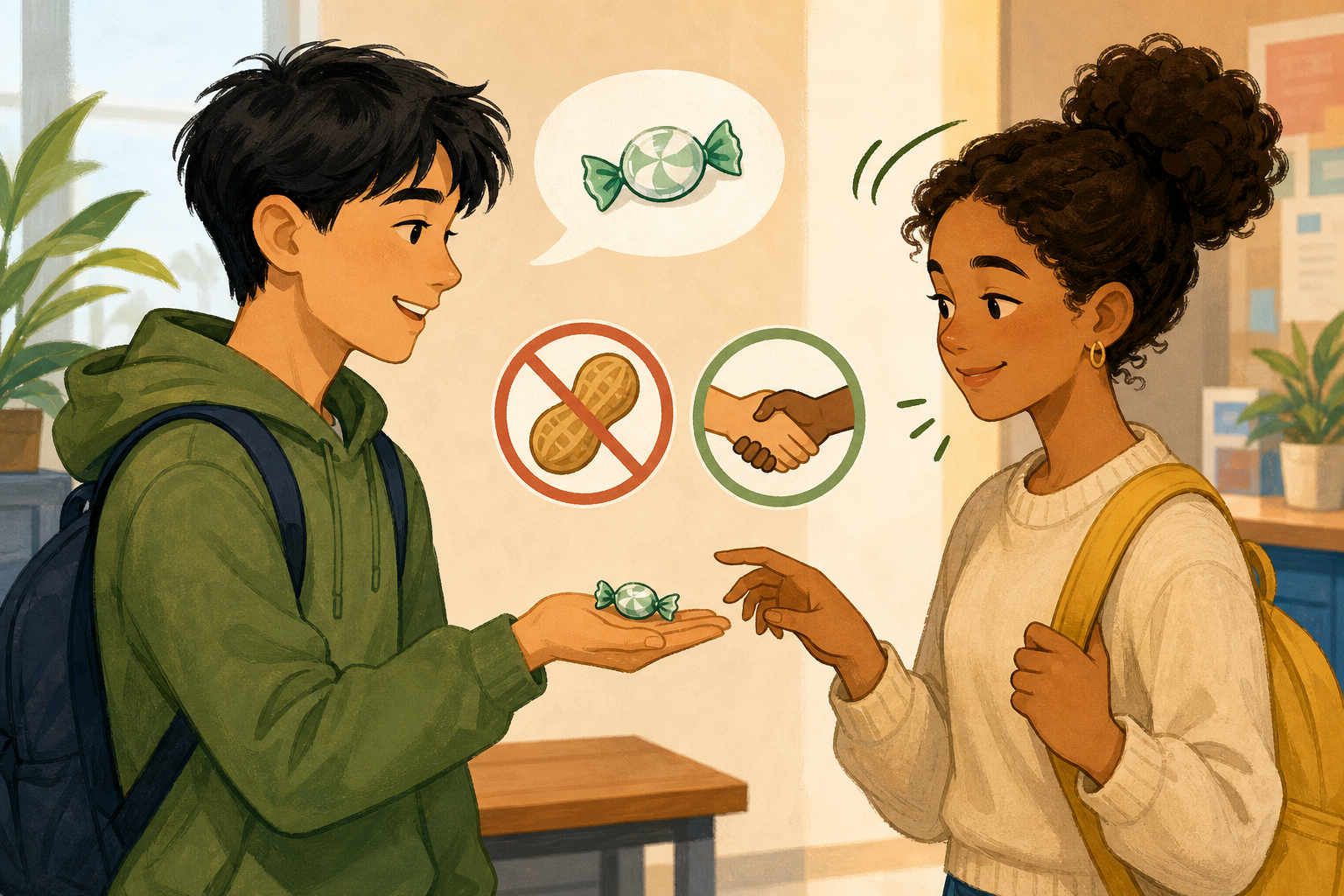
More importantly, offering food carries ethical obligations. Ask before offering when you can, avoid pressuring someone to take or eat something, and respect dietary restrictions. In workplaces and public spaces, assume there may be allergies, religious restrictions, or trauma around food. A quick "Do you want a mint?" is small politeness that saves a lot of awkwardness.
Ultimately, edible diplomacy is a social tool that must be wielded responsibly. Ask before offering; the goal is to create a small, consensual kindness, not to manufacture compliance.
End of the rabbit hole.
You know too much now.
If this was useful
Try one of these next
Food & Drink Deep Dive
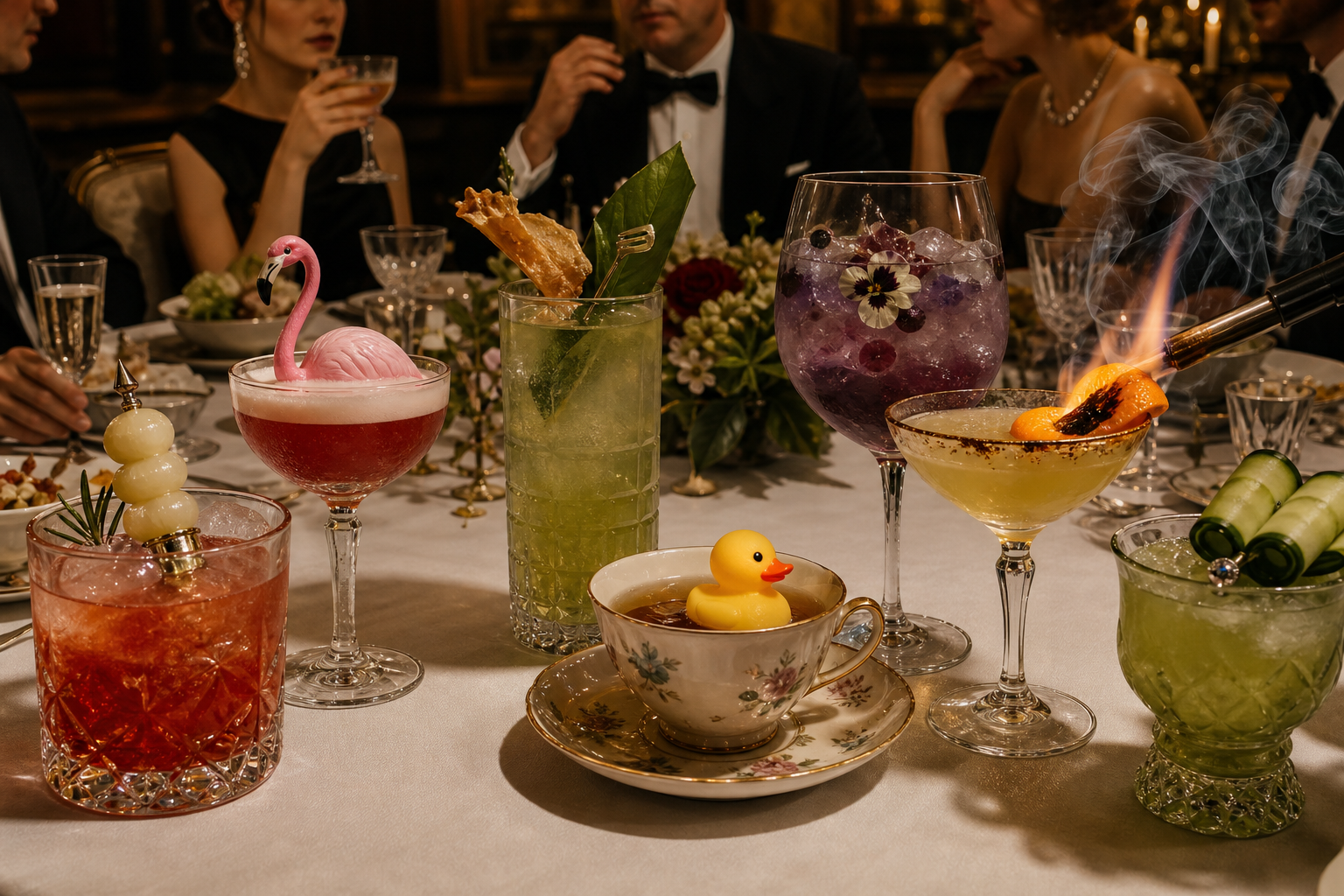
7 cocktails an AI will invent to ruin a tasteful dinner party
Seven outrageously specific, theme-ready drink concepts (including garnish instructions and a scandalous backstory each) so you can pour something gloriously inappropriate and watch the guests pretend elegance while their tastebuds file an
Read article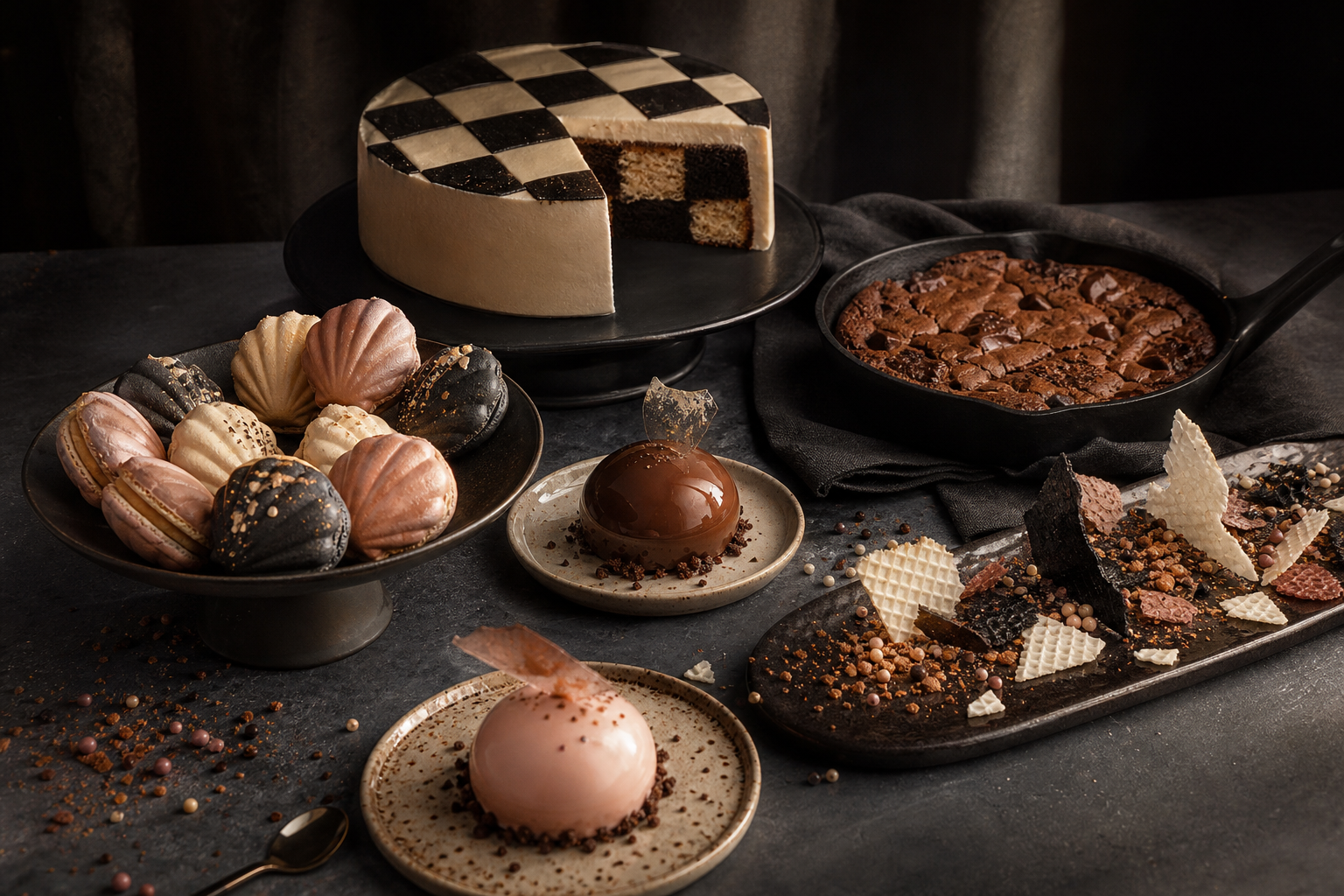
Food & Drink Deep Dive
7 desserts to serve at the ‘php2shell betrayed me’ apology party
Seven theatrical desserts — shell‑shaped macarons, “404” checkerboard cake, mousse domes labeled with filenames — ranked by how dramatically they communicate betrayal. Includes plating ideas and one‑pan recipes you can actually make.
Read article
Social Survival How-to
How to host a Fact‑Tea: dunk claims, read sources and embarrass a manifesto politely
Turn a viewing party into a live fact-checking salon: five simple steps to prepare claim cards, brew suspicious tea, time answers, compare sources and award polite biscuit-based verdicts so every dubious Reform UK line gets a proper dunking
Read article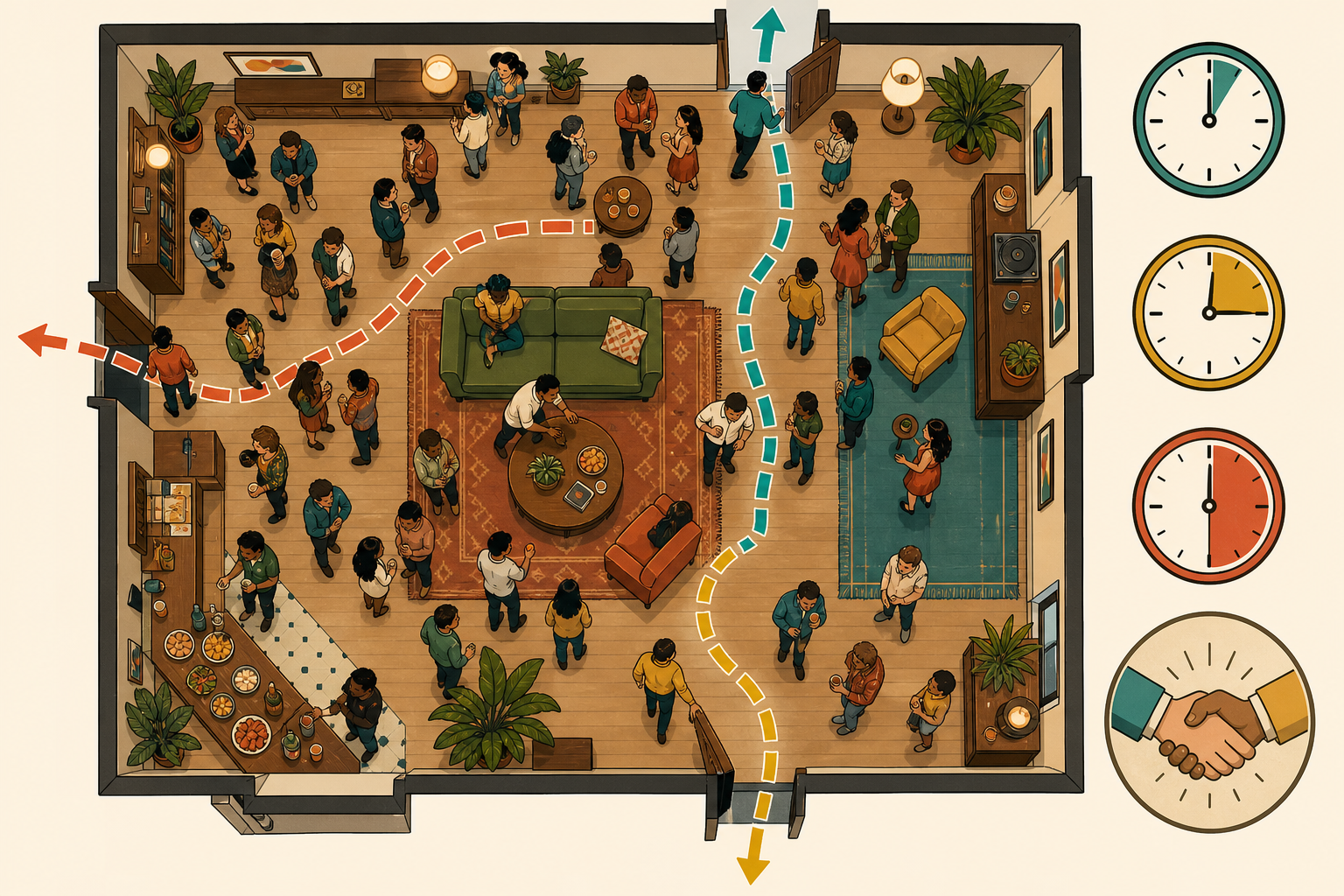
Social Survival Deep Dive
The exit: an unauthorised biography of leaving rooms, parties and conversations with zero collateral
An anatomy of departures—sighting lanes, decoy conversations, timed goodbyes and the ceremonial handshake—so you can evacuate public spaces with dignity (and an escape route mapped to your brain’s attention span).
Read article