Learning Listicle
Best music setups for focused fury: 6 soundtrack strategies that suit different work modes
A ranked guide to six music approaches—instrumental cinematic, lo-fi steady beat, natural soundscapes, tempo-synced playlists, curated silence cues, and noise-blocking ambient mixes—explaining when each helps concentration, how to set it up in broad strokes, and what kinds of tasks each suits. Ranking is based on versatility for sustained focus, minimal distraction risk, ease of control, and suitability across high- and low-arousal tasks.
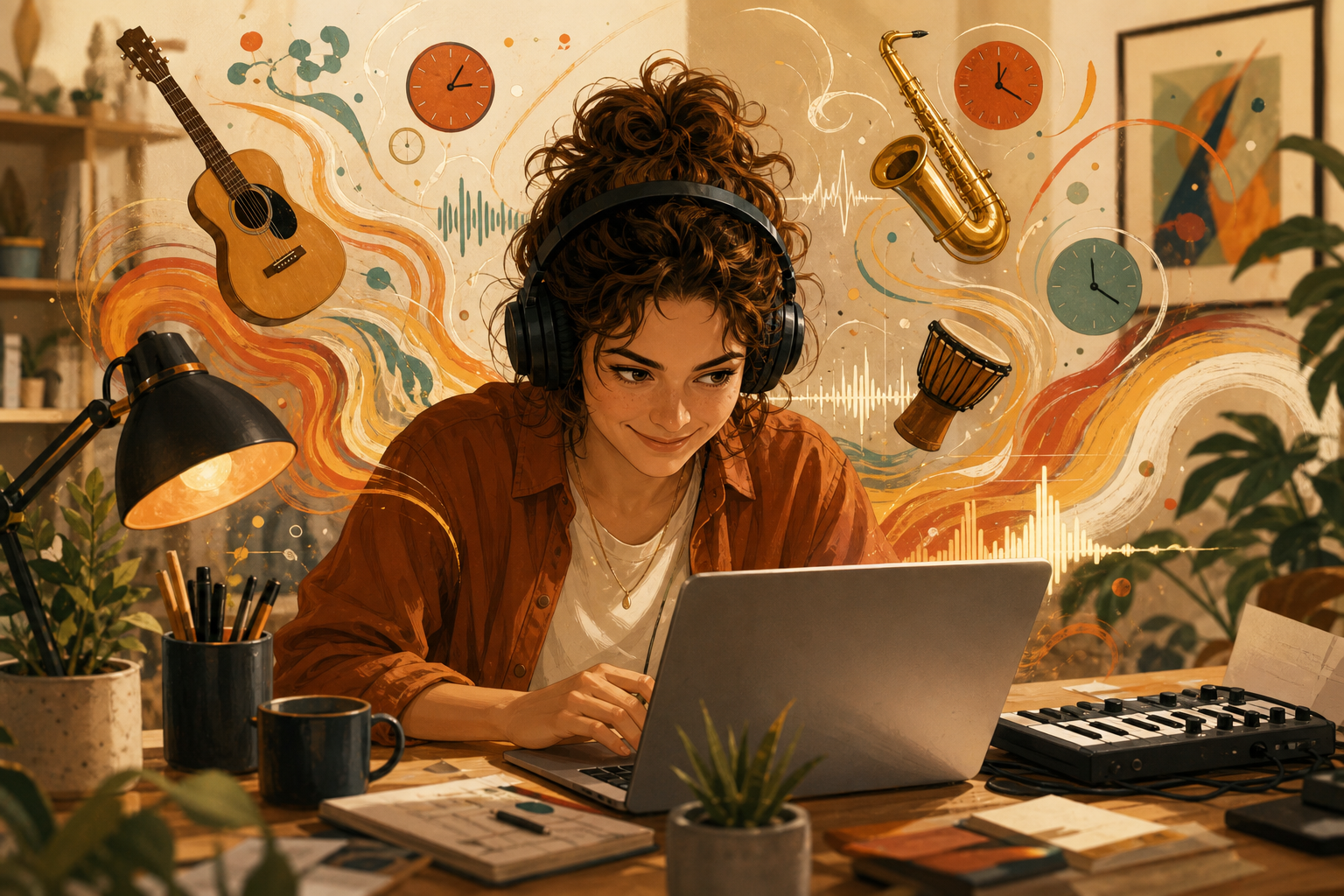
Instrumental cinematic
Big, dramatic scores create emotional momentum, which can spark creativity and feel energizing during brainstorming or big-picture planning. They risk drawing attention to musical turns, so keep them in the background and pick tracks with steady builds rather than sudden bright cues; best for creative sessions where feeling swept up is useful but detailed checking isn’t yet required.
Lo-fi steady beat
Soft drum patterns, mellow synths and gentle vinyl crackle supply a predictable groove that reduces attentional friction for extended sessions. It’s great for routine work—reading, drafting, coding—because the textures are purposely unobtrusive; favor continuous mixes with consistent energy and moderate volume so the beat supports rather than commands your focus.
Natural soundscapes
Rain, forest hum or seaside soundtracks anchor attention without musical structure to compete with thinking, which helps calming anxiety and sustaining low-arousal concentration. Use subtly varying field recordings (no abrupt animal calls or loud events) and adjust level so ambient detail fades into the background; best for low-stress tasks or when you need gentle, restorative focus.
Curated silence cues
Designed silence punctuated by brief auditory markers—soft chimes, short tones, or ambient risers—creates focus windows that train attention without continuous stimulation. This approach demands personal discipline and a predictable cue schedule, so it’s most effective for disciplined work blocks where you want clear mental resets without a constant soundtrack.
Noise-blocking ambient mixes
Dense, steady ambient textures and neutral low-frequency layers mask intrusive background noise and reduce startle distractions, making them highly practical in noisy environments. They don’t ask for much emotional engagement, so they work well for concentrated analytical tasks; pair with comfortable headphones and a stable loop to avoid noticeability.
Tempo-synced playlists
Playlists matched to the tempo and intensity your task needs—slower, steady tracks for careful editing; faster, rhythmic tracks for energy-intensive drafting—offer the clearest, most adaptable support for focused fury. Because rhythm directly affects cognitive arousal, choosing consistent BPM ranges and avoiding abrupt changes keeps your work flow smooth and sustainable; this versatility is why tempo-synced approaches top the list.
If this was useful
Try one of these next
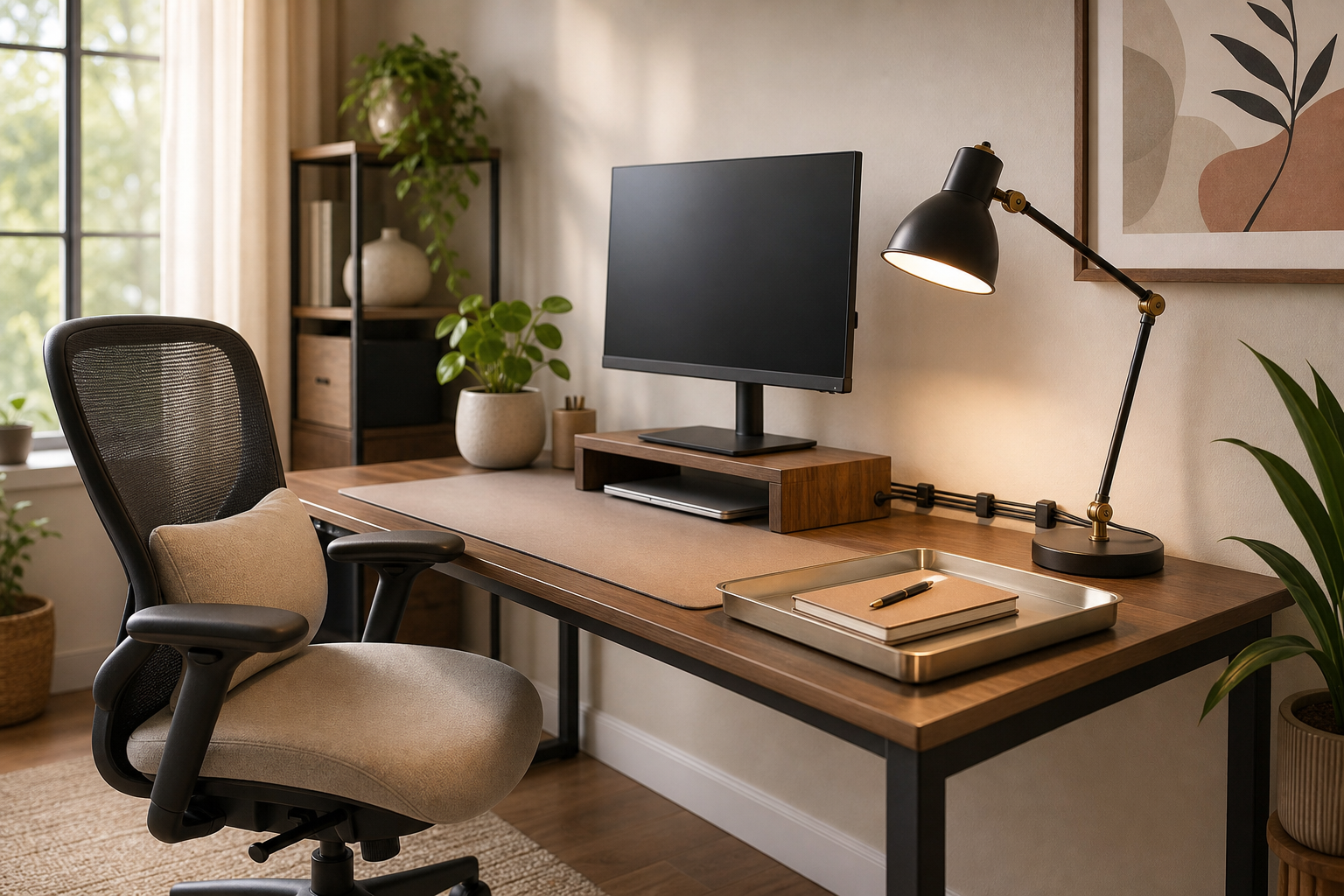
Home & life Listicle
9 small upgrades that turn a boring office into a boss-level lair (ranked by impact and cost)
Ranked by impact-per-dollar: these nine affordable swaps—from a chair tweak to a statement desk tray—deliver the biggest boosts in comfort, focus, and aesthetics for the least cash. Each pick explains why it matters and how fast you’ll notice the difference.
Read article
Learning Listicle
Best Signs to Team Up with Capricorn at Work (Ranked by Productivity & Complementary Skills)
A pragmatic, slightly ecstatic guide to workplace pairings: which signs amplify a Capricorn's strengths on projects, who balances the bossy bits, and how to divvy tasks so both people win. Ranked by real-world workplace traits, not mysticism.
Read article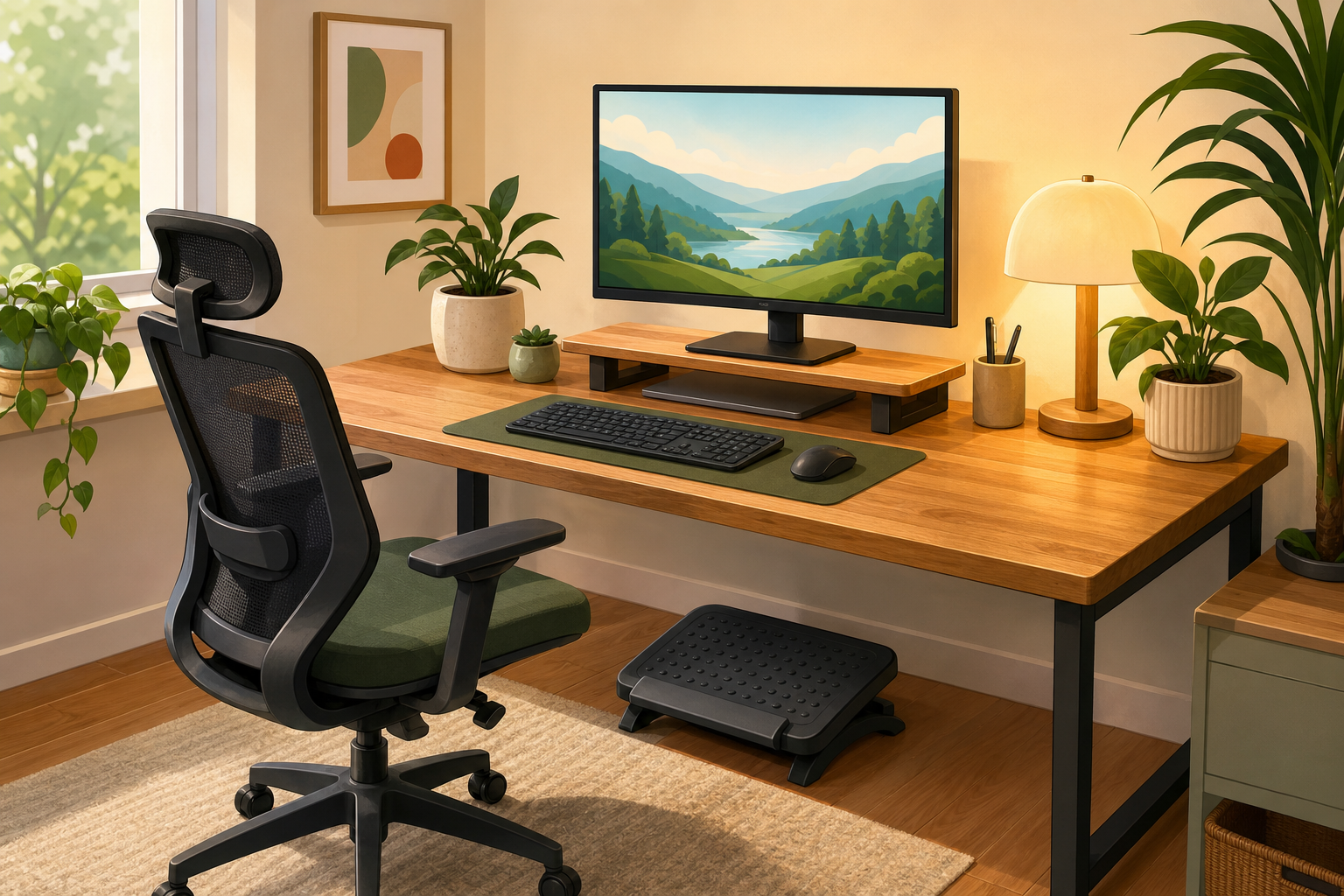
Home & life How-to
How to lay out an ergonomic baddie desk that actually makes you sit like a legend
Turn posture into panache. A quick, step-by-step guide to arranging your chair, monitor(s), keyboard, and mouse so you look fierce and don’t hate your neck by 3 PM. Includes simple measurements, seat adjustments, and easy swaps for small or
Read article
Bike & travel Listicle
Best Mini-Vacations for Capricorn Pairings, Ranked by Ease and Practical Pleasure
A travel-minded, grounded ranking of weekend-trip ideas that suit Capricorn + sign pairings: efficient nature escapes, city-getaways with good dining, and calm countryside stays. Ranked by how easy they are to plan, how comforting they feel to Capricorn practical tastes, and how likely both people will return home relaxed and satisfied.
Read article