Food & drink How-to
How to Roast Broccoli and Brussels Sprouts to Crispy Perfection (Low-Carb Sides)
A firecracker roast technique that gives you blistered edges and tender centers without burning or undercooking. Stepwise instructions on prep, spacing, seasoning and a brief troubleshooting section for uneven browning—plus two low-carb sauces to finish.
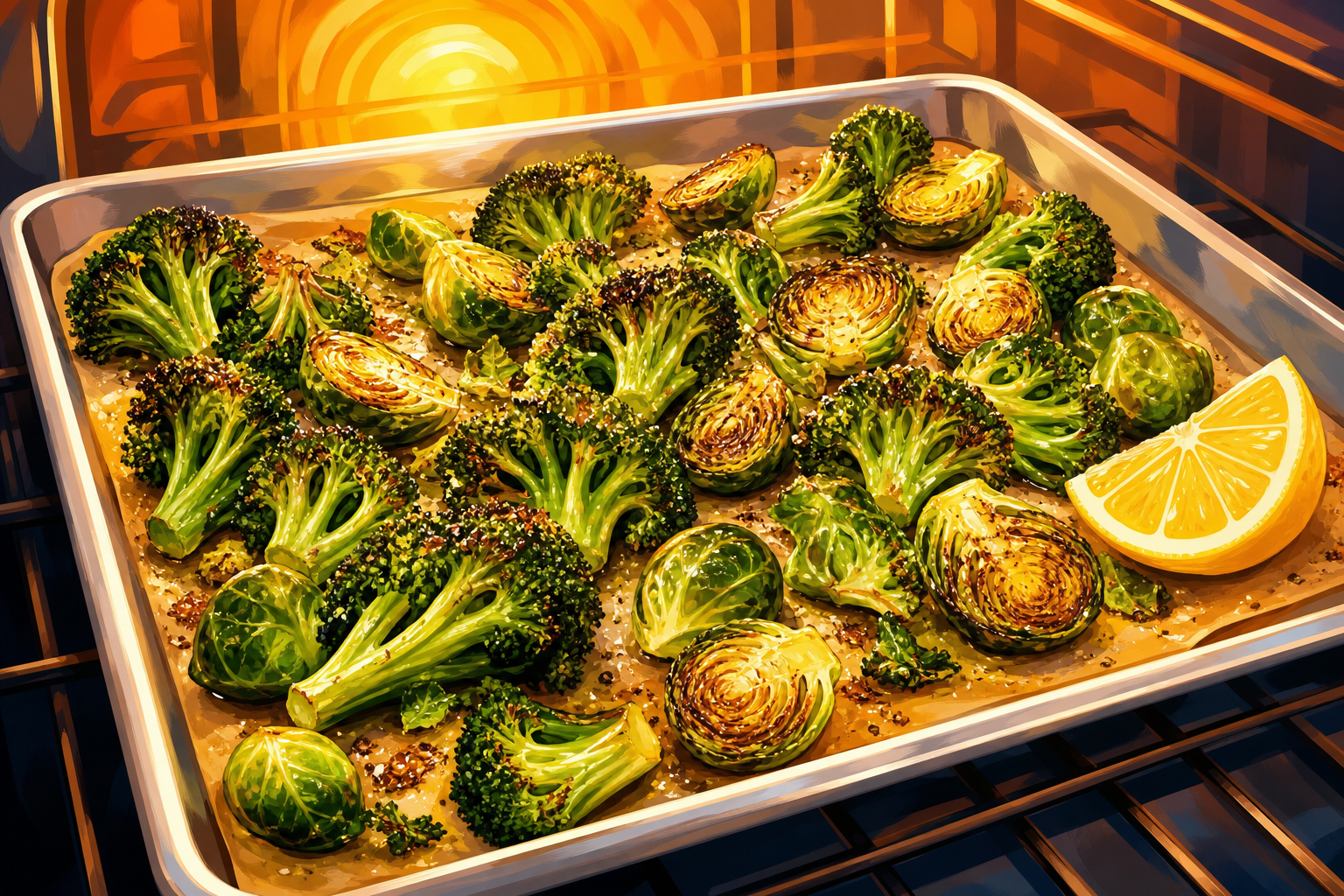
- 01
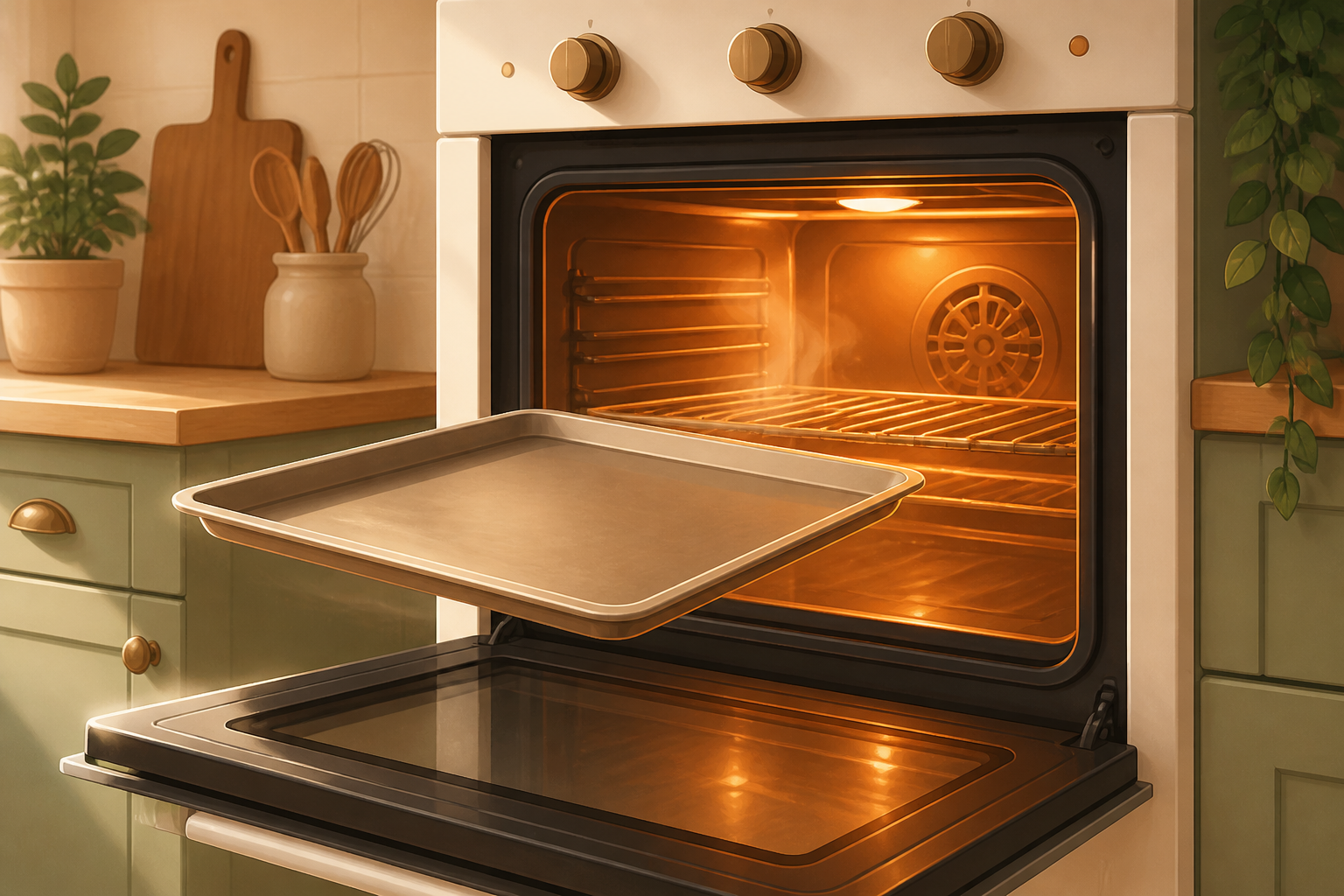
Preheat oven to 450°F (232°C) and position rack
Set your oven to 450°F (232°C) and place a rack in the upper-middle position so the vegetables get direct heat for blistering but not instant scorching. Let the oven fully preheat for at least 15–20 minutes so it and the air inside are evenly hot.
- 02
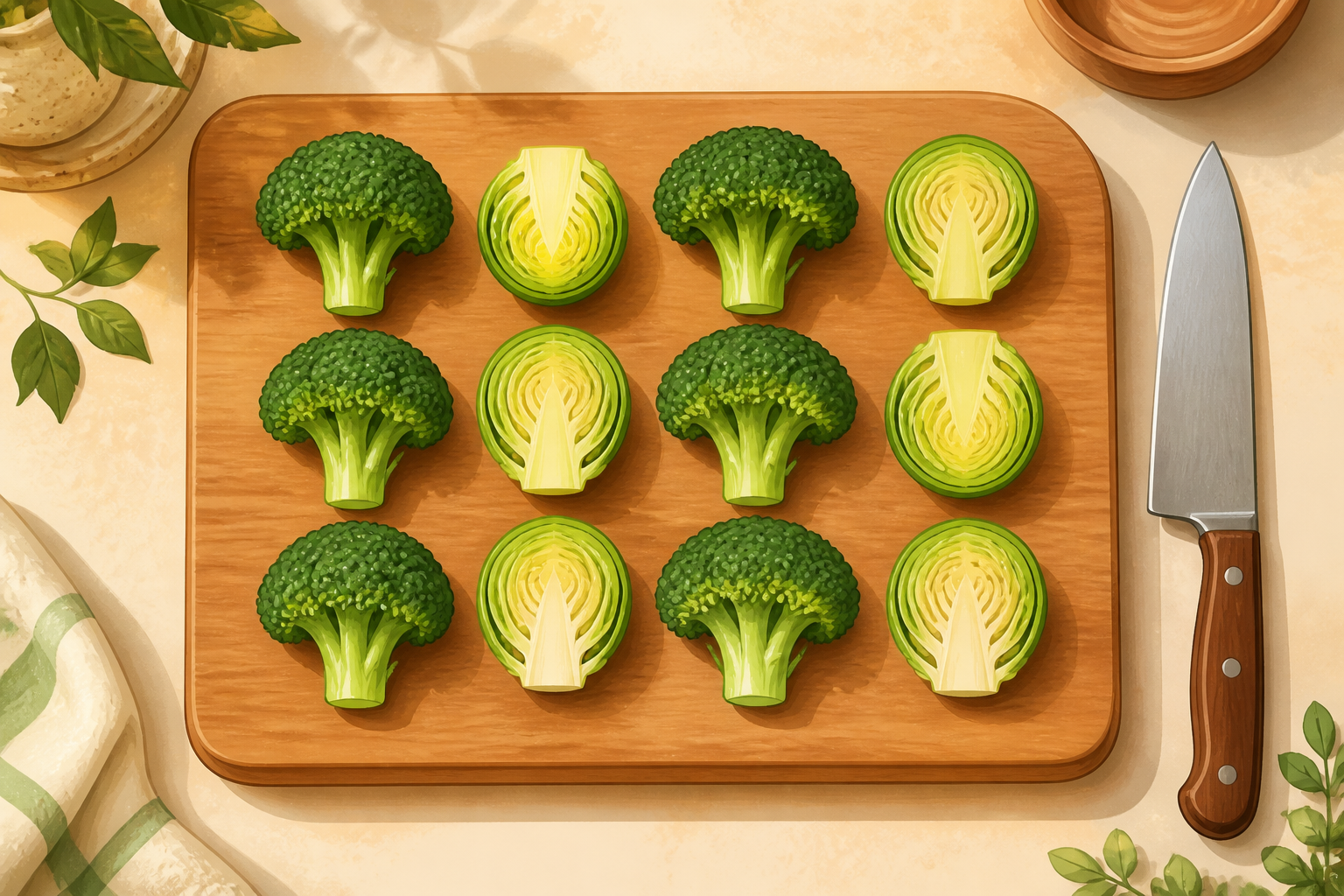
Trim and cut broccoli and Brussels sprouts
Trim broccoli into medium florets about 1 to 1½ inches across; trim Brussels sprouts, slice large ones in half or quarters so pieces are roughly the same size as the broccoli florets. Uniform pieces cook evenly and finish at the same time.
- 03
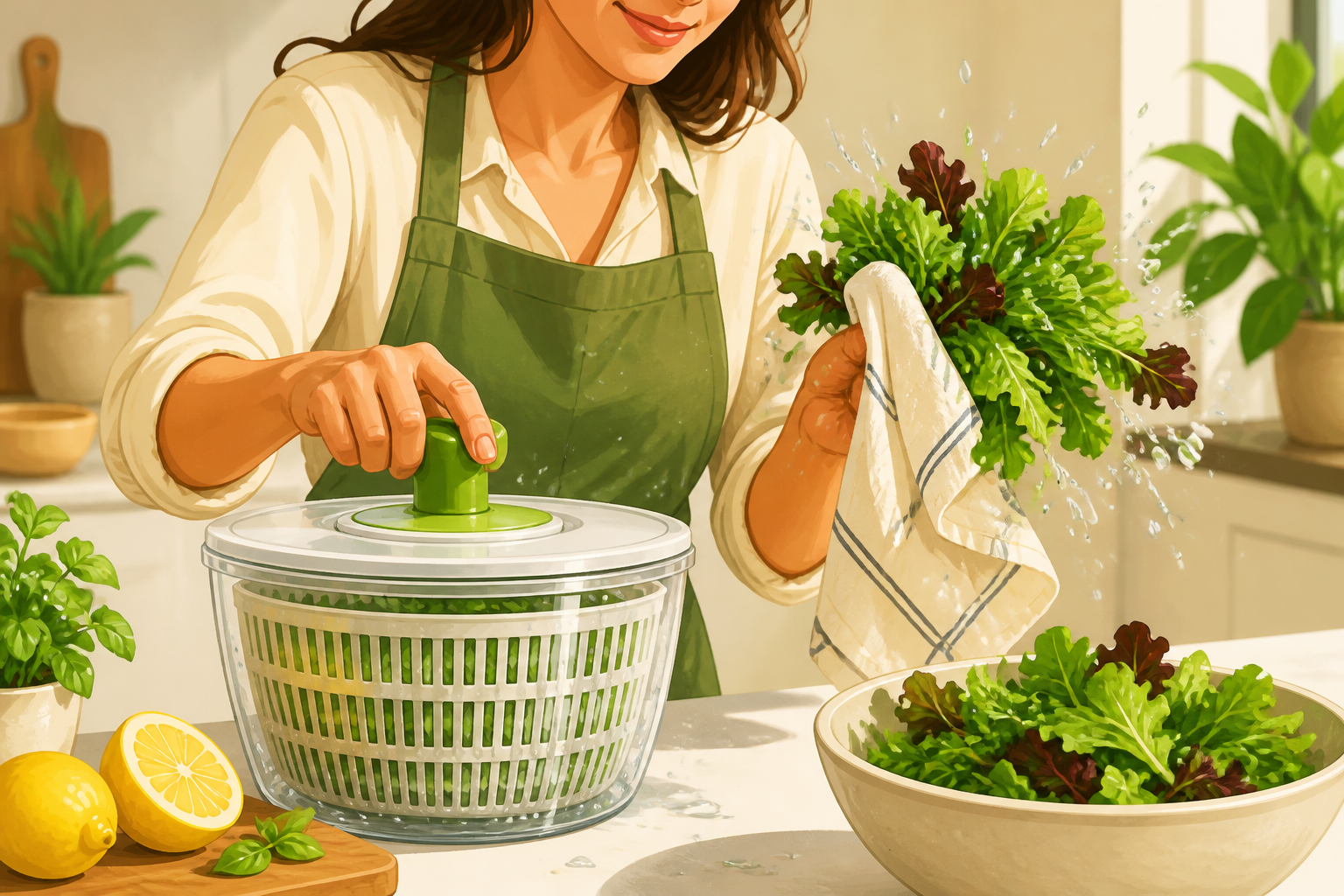
Dry thoroughly to encourage browning
Pat the vegetables completely dry with a clean towel or spin them in a salad spinner. Surface moisture steams the vegetables and prevents crisping; dry pieces will blister and caramelize instead of sogging.
- 04
Choose the right pan and space pieces in a single layer
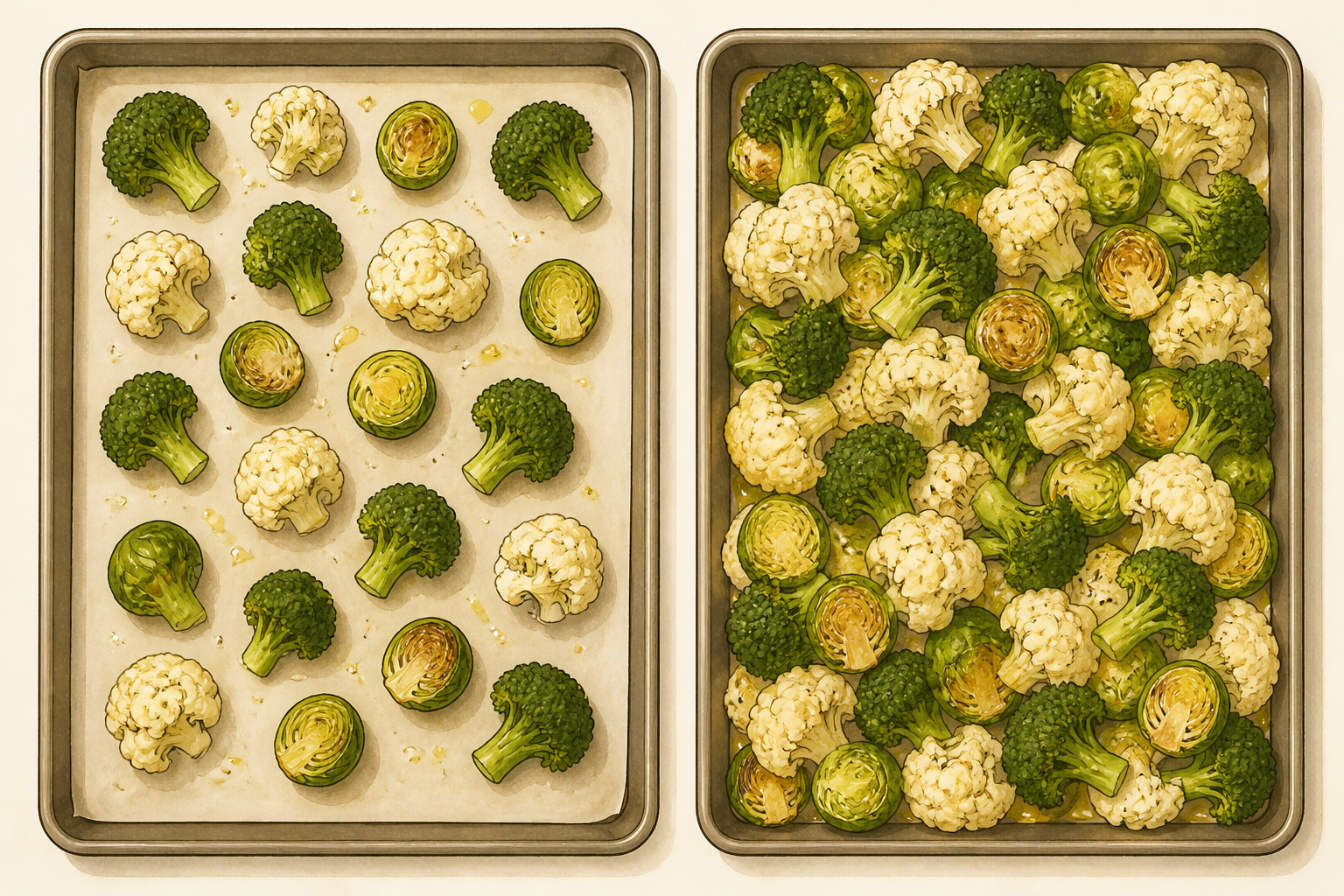
Use a rimmed baking sheet (not a shallow sheet) and arrange vegetables in a single layer without crowding—leave about ½ inch between pieces. Crowding traps steam and prevents the edges from getting crisp. If needed, use two pans rather than crowding one.
- 05
Toss with measured oil and salt
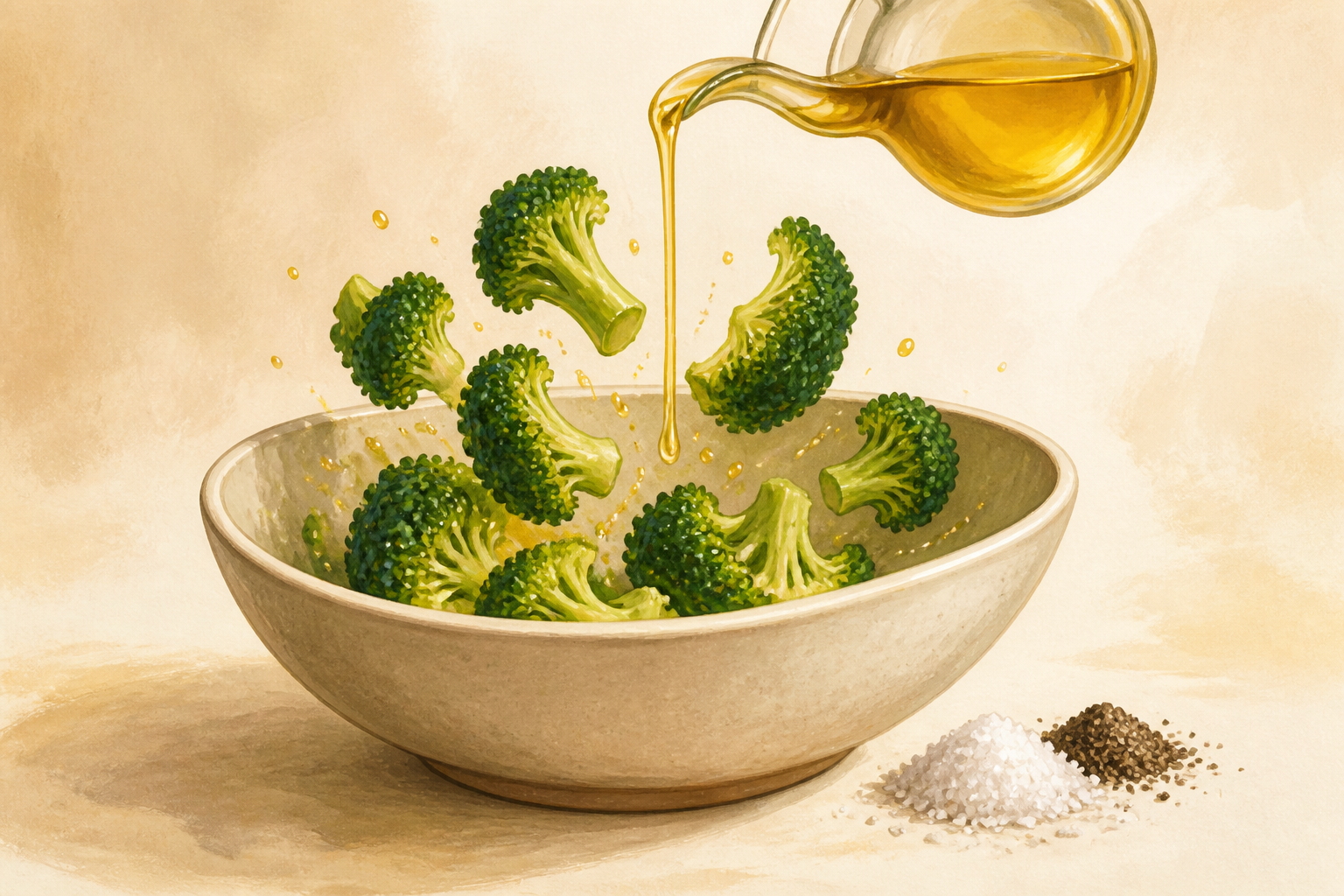
Toss the vegetables with 1 to 2 tablespoons neutral oil (or olive oil) per pound of vegetables and ½ to 1 teaspoon kosher salt per pound. Add ¼ teaspoon freshly ground black pepper per pound. Use just enough oil to coat surfaces—too much causes sogginess.
- 06
Arrange cut-side down where possible
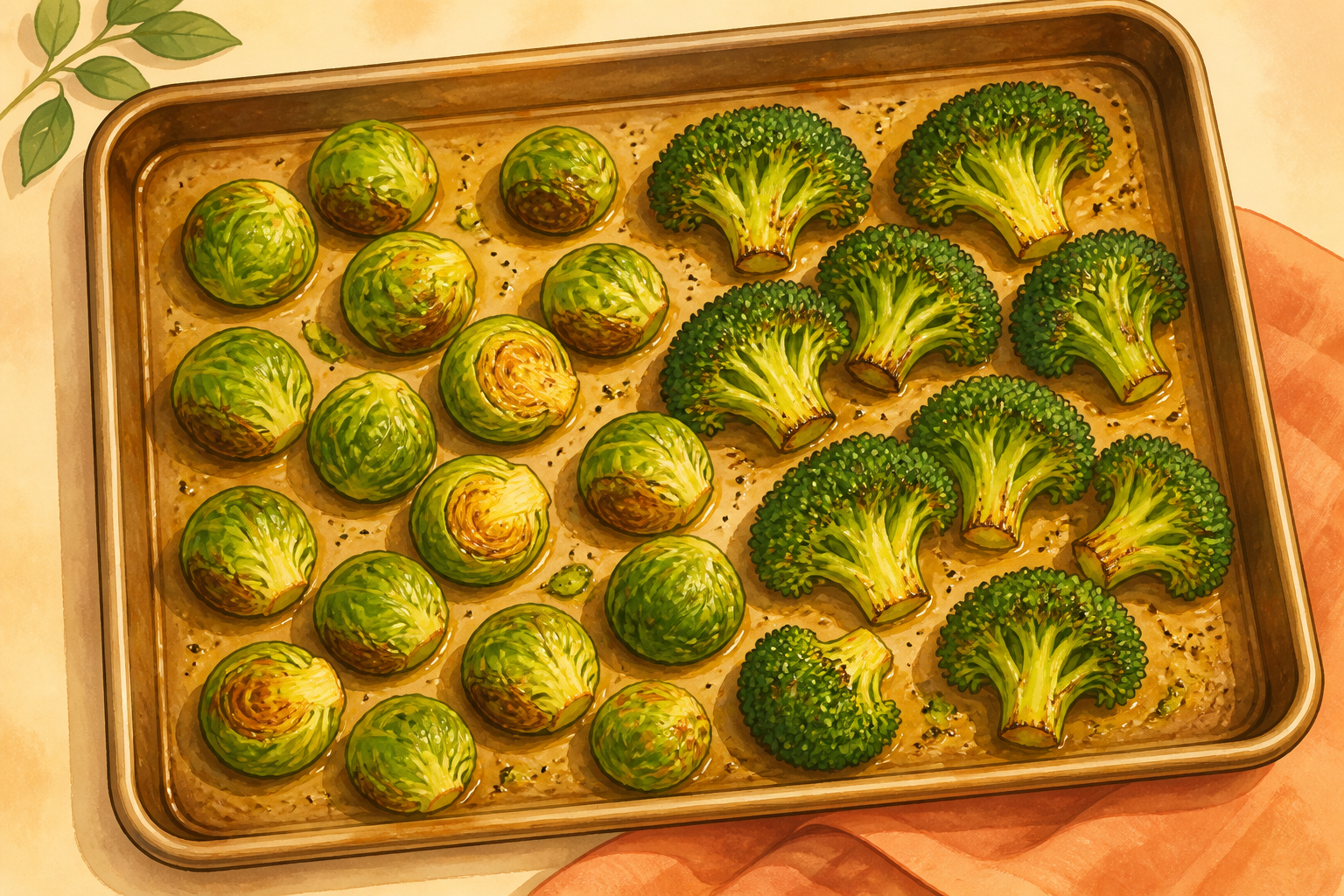
Place Brussels sprouts on the pan cut-side down to maximize caramelization. Arrange broccoli with any denser sides facing down. This contact creates browned, crisp edges and a tender interior.
- 07
Roast at high heat and check timing
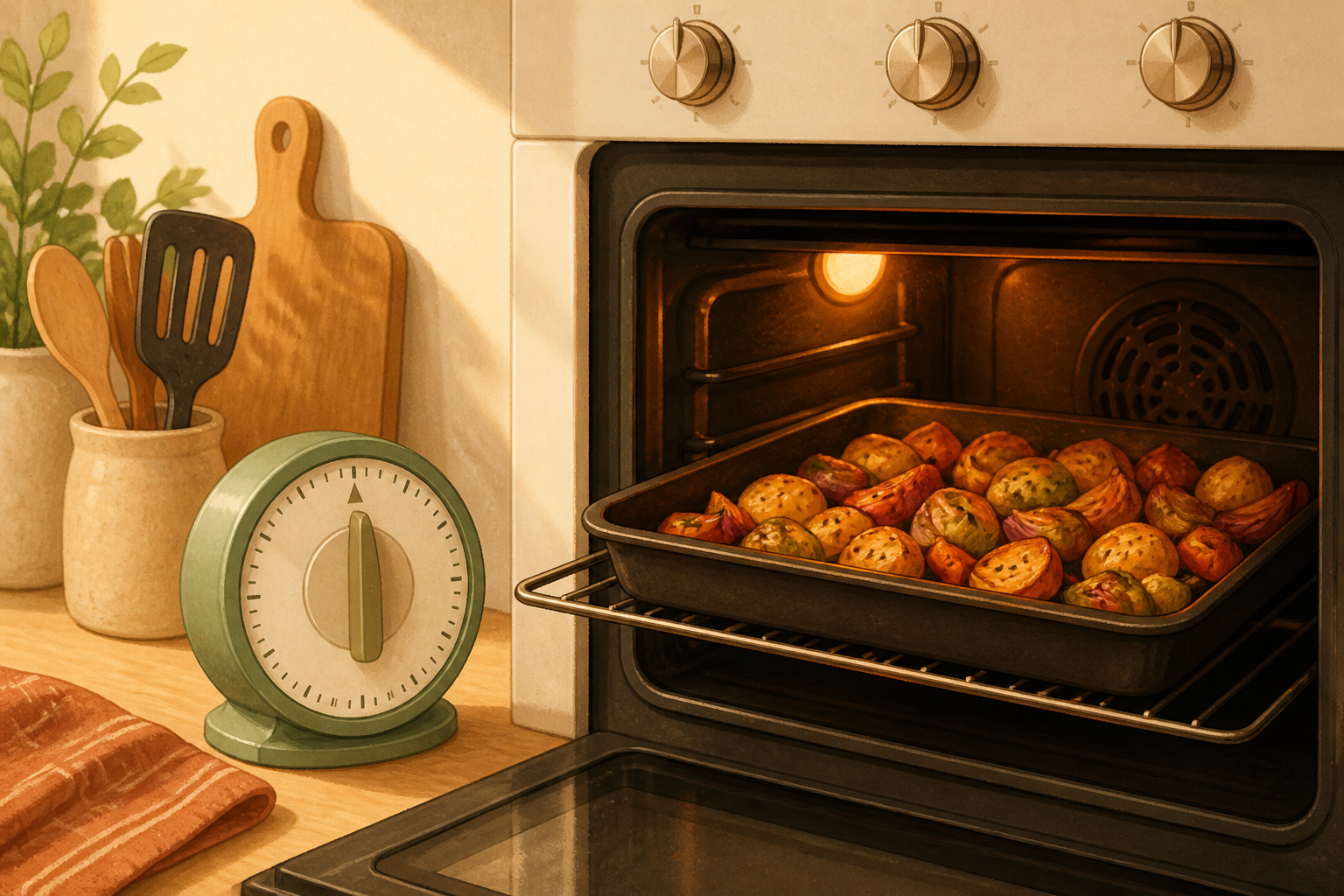
Slide the pan into the preheated oven. Roast at 450°F (232°C). For broccoli alone, start checking at 10–12 minutes; for halved Brussels sprouts expect 18–22 minutes. If roasting both together, plan 18–22 minutes and remove the broccoli earlier if it’s done before the sprouts.
- 08
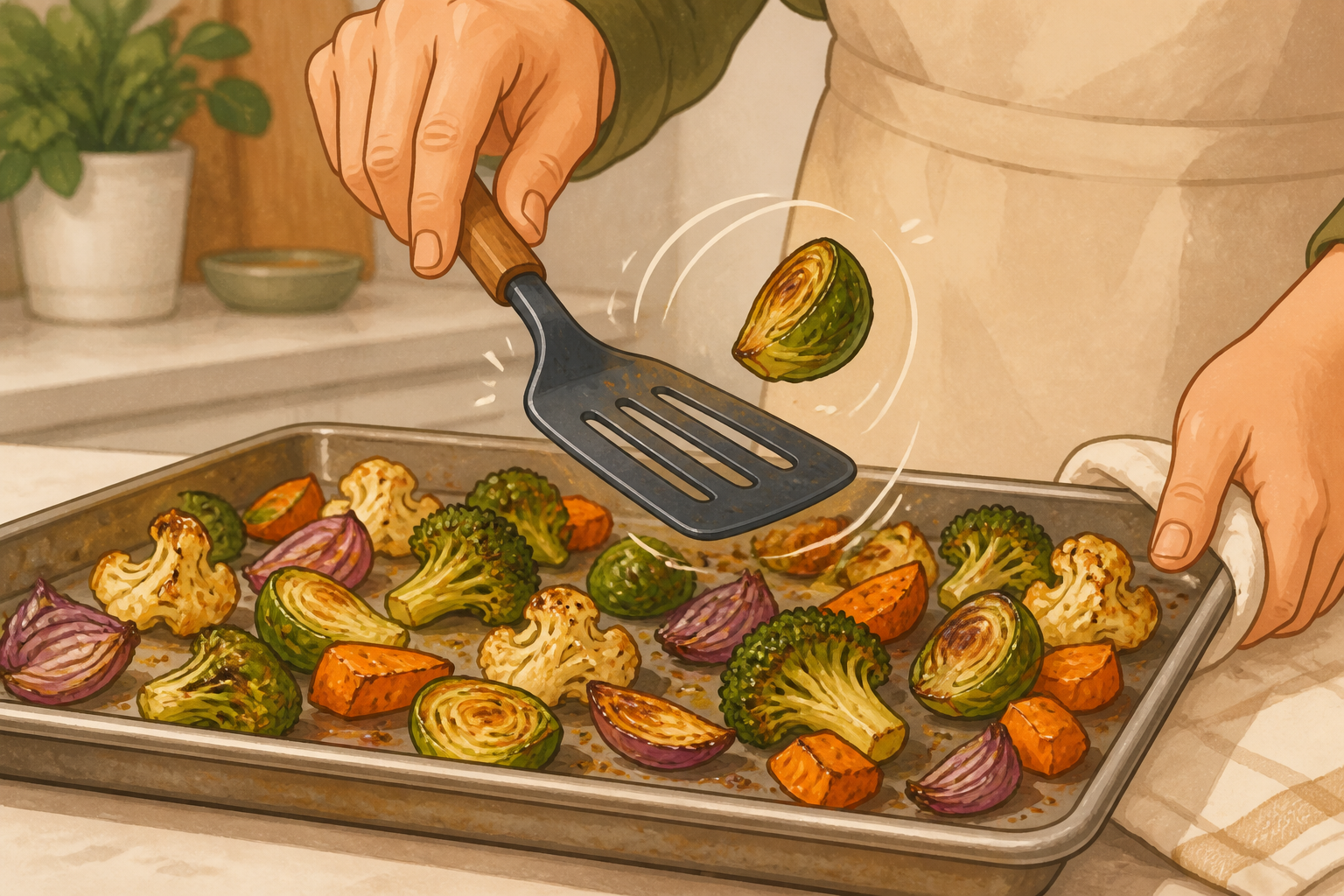
Flip or shake once for even color
At the midpoint (about 8–10 minutes), use a spatula to flip the vegetables or give the pan a gentle shake to redistribute heat contact. Avoid over-handling—one confident flip is better than many timid nudges.
- 09
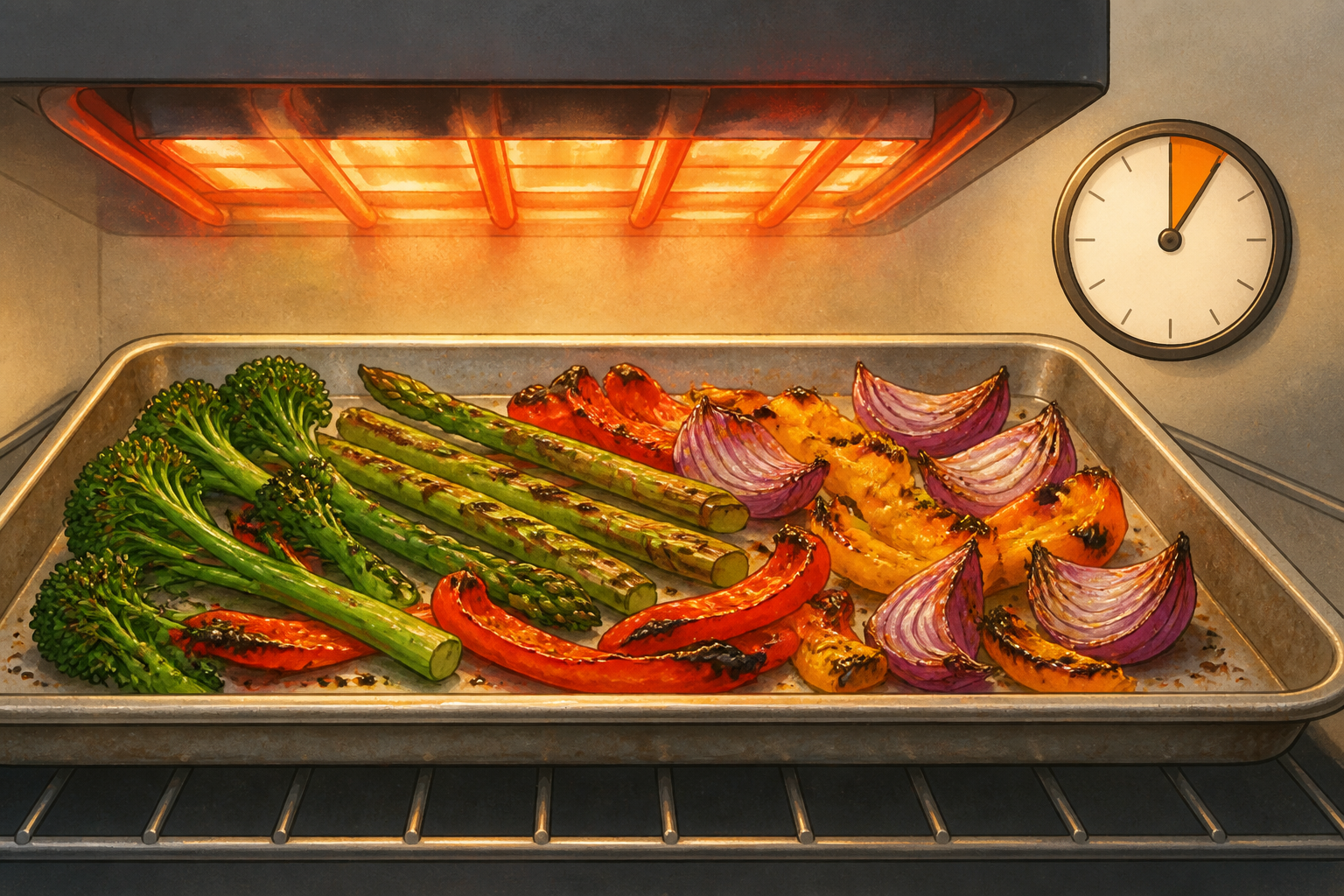
Optional quick broil for extra blistering
If you want extra char, switch the oven to broil for the last 1–2 minutes (watch like a hawk). Keep the pan on the upper rack and stay beside the oven—broilers can take a golden edge to burnt in seconds.
- 10
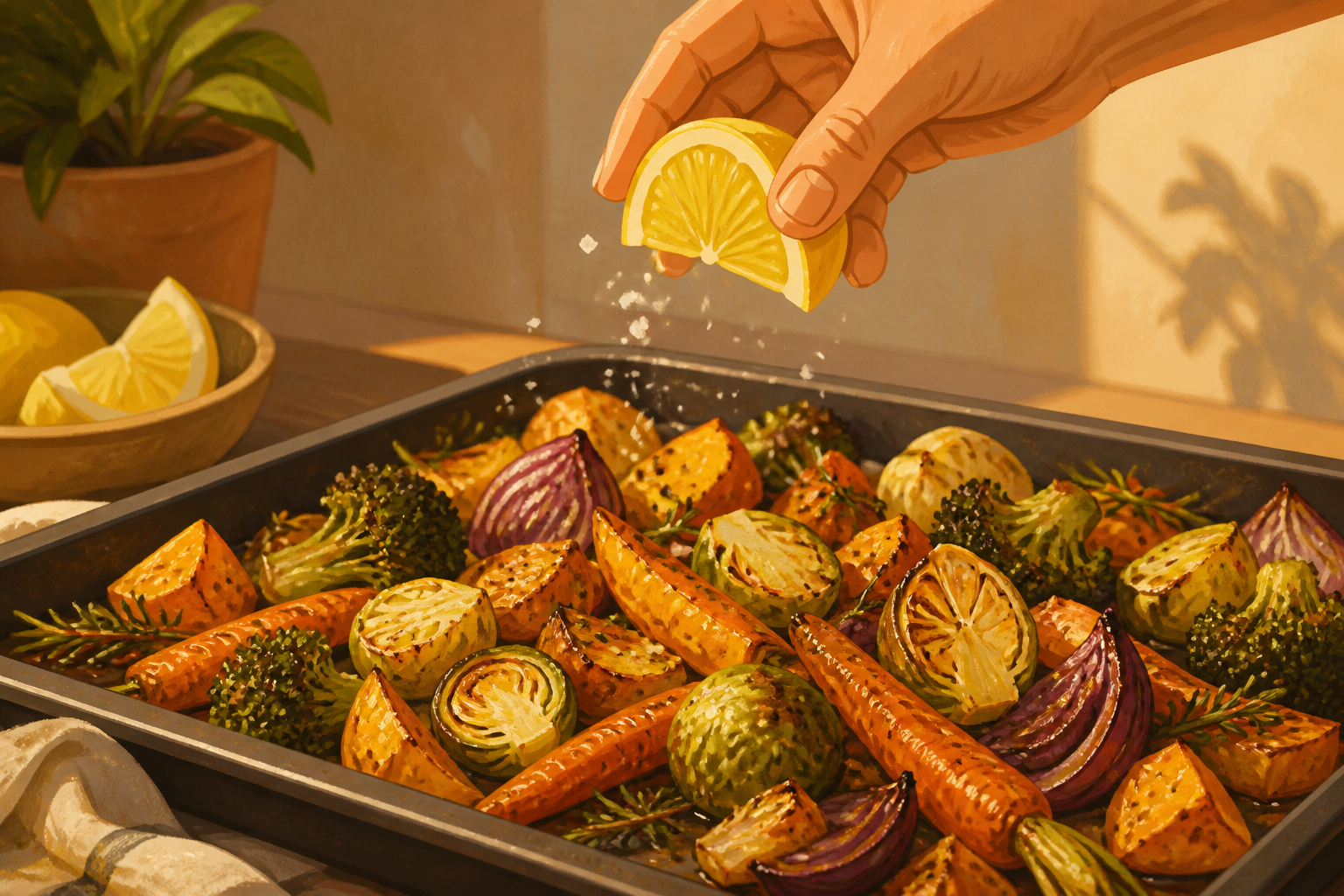
Rest briefly and finish with acid
Remove the pan and let the vegetables rest for 1–2 minutes on the counter. Brighten them with a squeeze of lemon juice or a light drizzle of vinegar and, if desired, a final pinch of flaky salt—this wakes up the flavors and balances the roasted sugars.
- 11
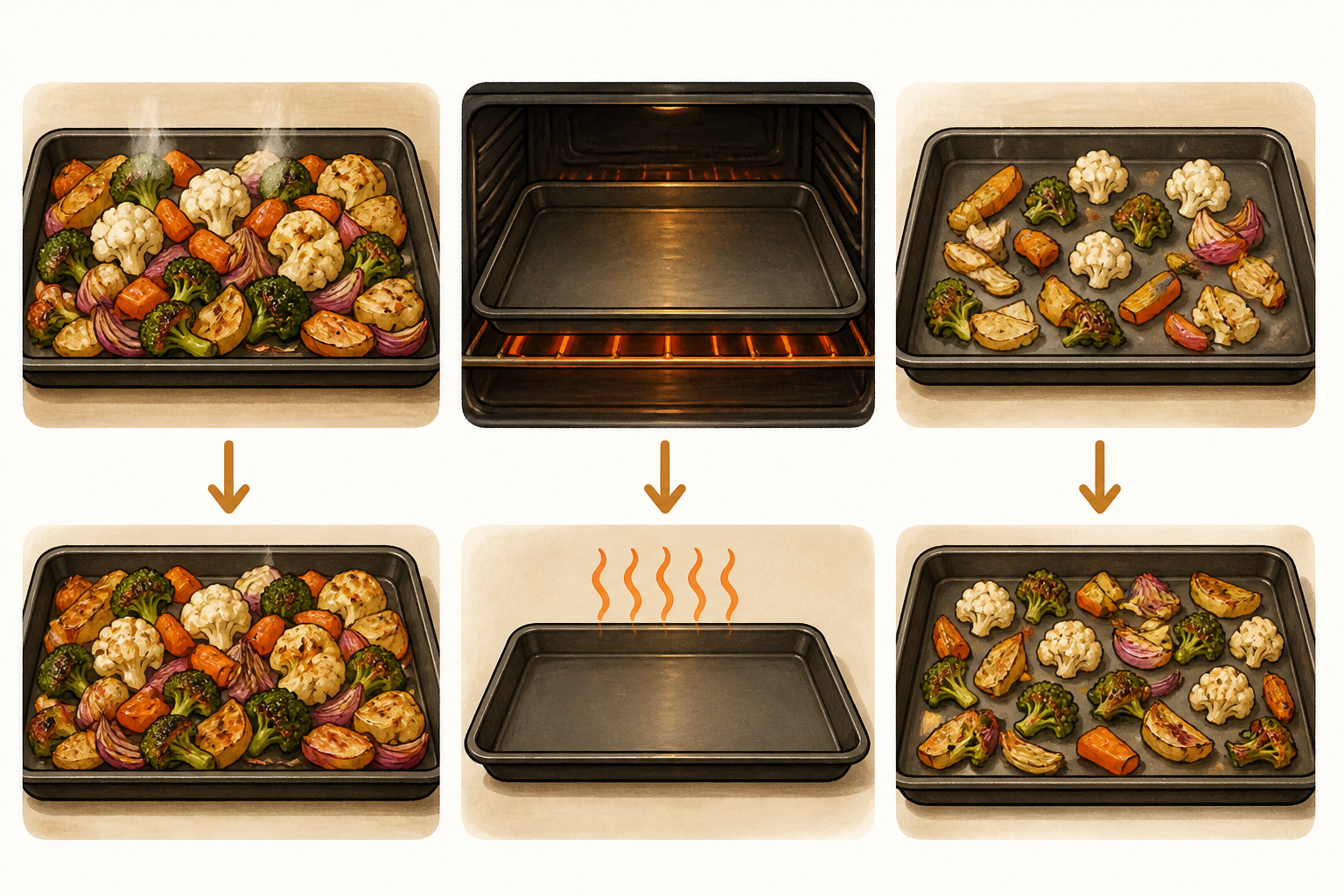
Troubleshoot uneven browning
If some pieces are pale: they were likely crowded, too wet, or on a cold pan. Fixes: use two pans, preheat the sheet in the oven, dry vegetables thoroughly, and cut large sprouts smaller. If the edges burn: reduce oven temp by 25°F (15°C) and give the pan a lower rack position next time.
- 12
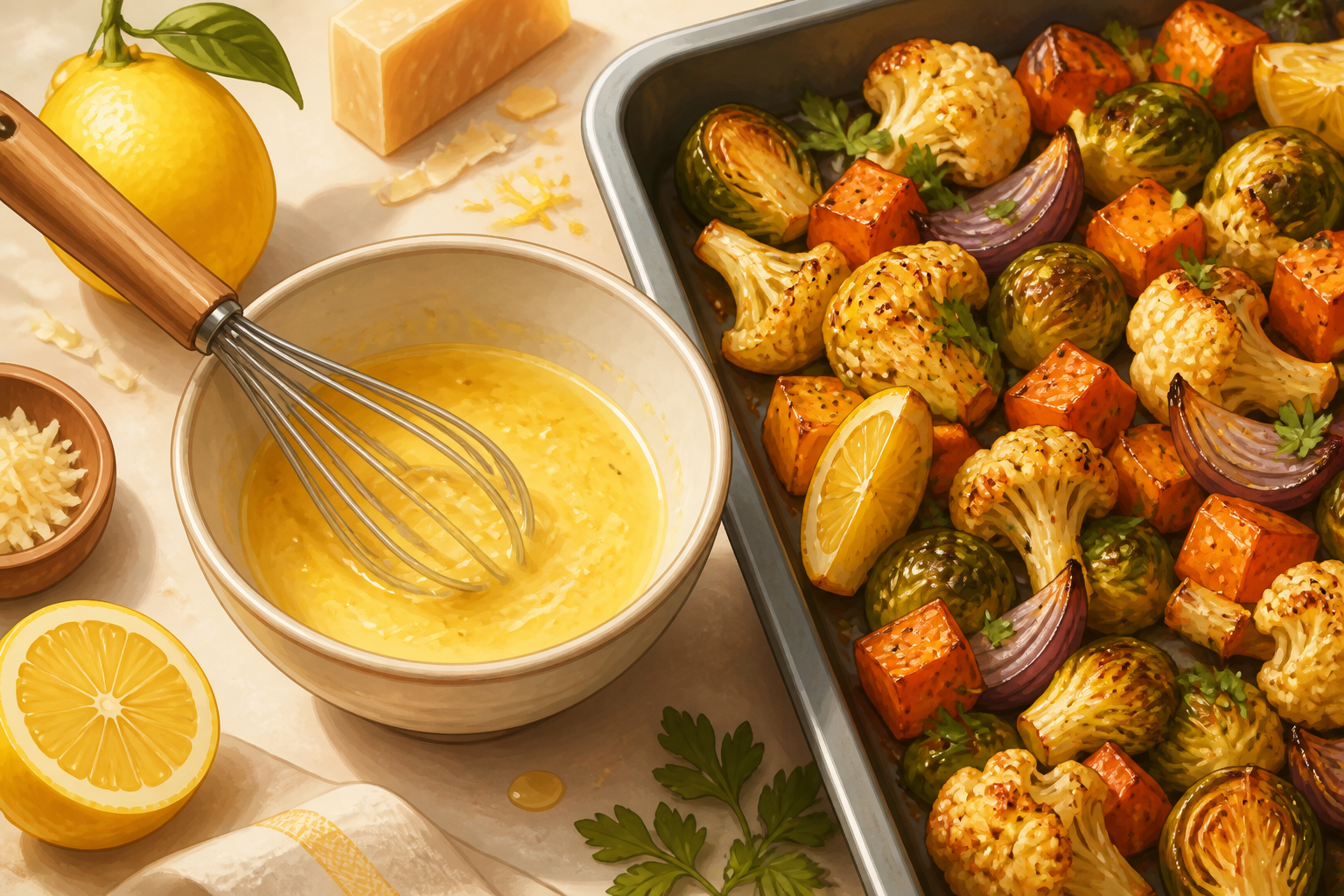
Make quick Lemon-Parmesan drizzle (low-carb)
Whisk 2 tablespoons fresh lemon juice, 2 tablespoons extra-virgin olive oil, 2 tablespoons finely grated hard cheese (Parmesan or similar), 1 small minced garlic clove, and a pinch of salt. Drizzle over hot vegetables and toss lightly. Makes enough for about 1 pound of vegetables.
- 13
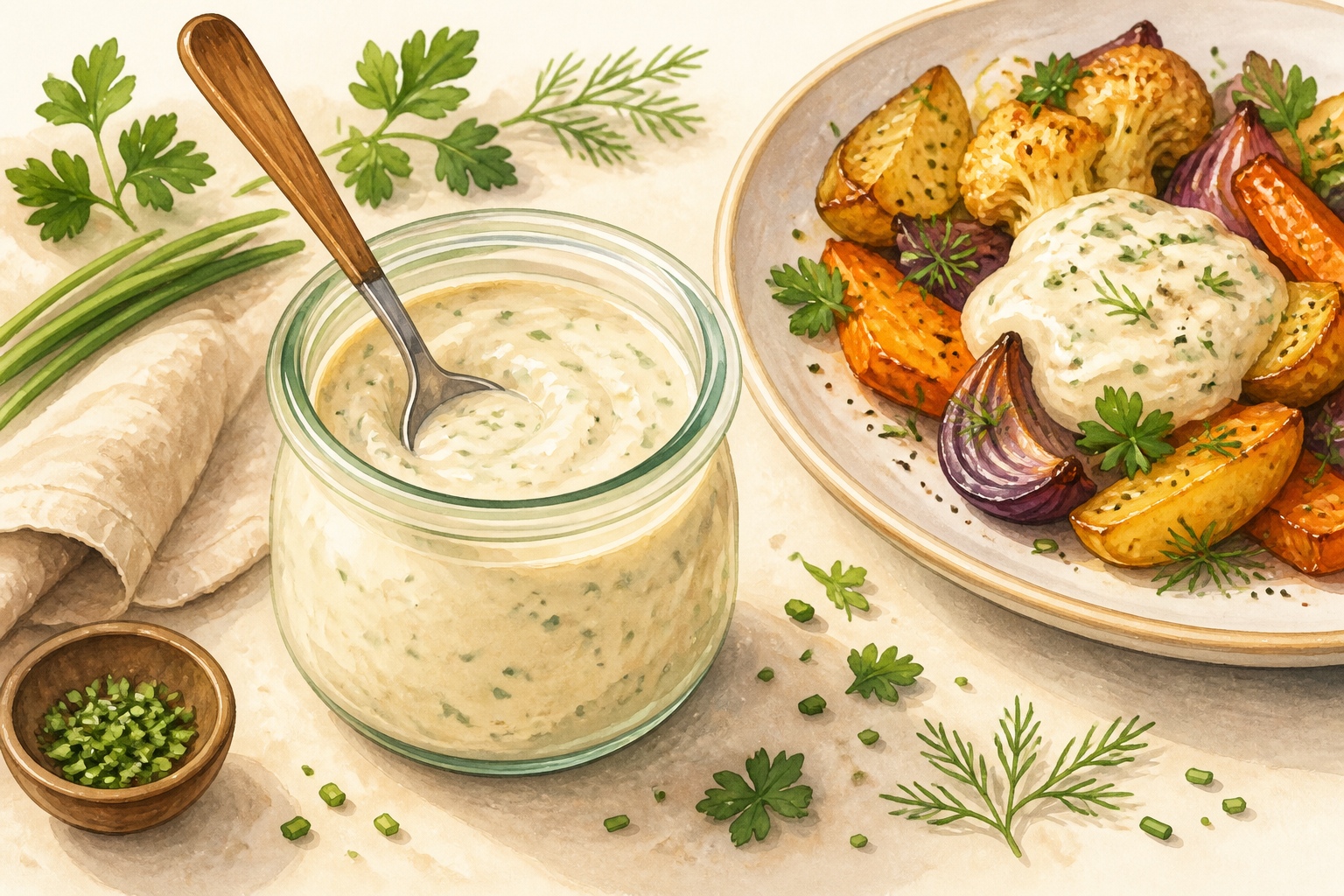
Make creamy mustard-herb sauce (low-carb)
Stir 3 tablespoons mayonnaise, 1 teaspoon Dijon-style mustard, 1 teaspoon lemon juice, 1 tablespoon chopped fresh herbs (parsley or chives), and a pinch of salt. Thin with a teaspoon of water if needed. Spoon alongside or drizzle lightly over servings.
- 14
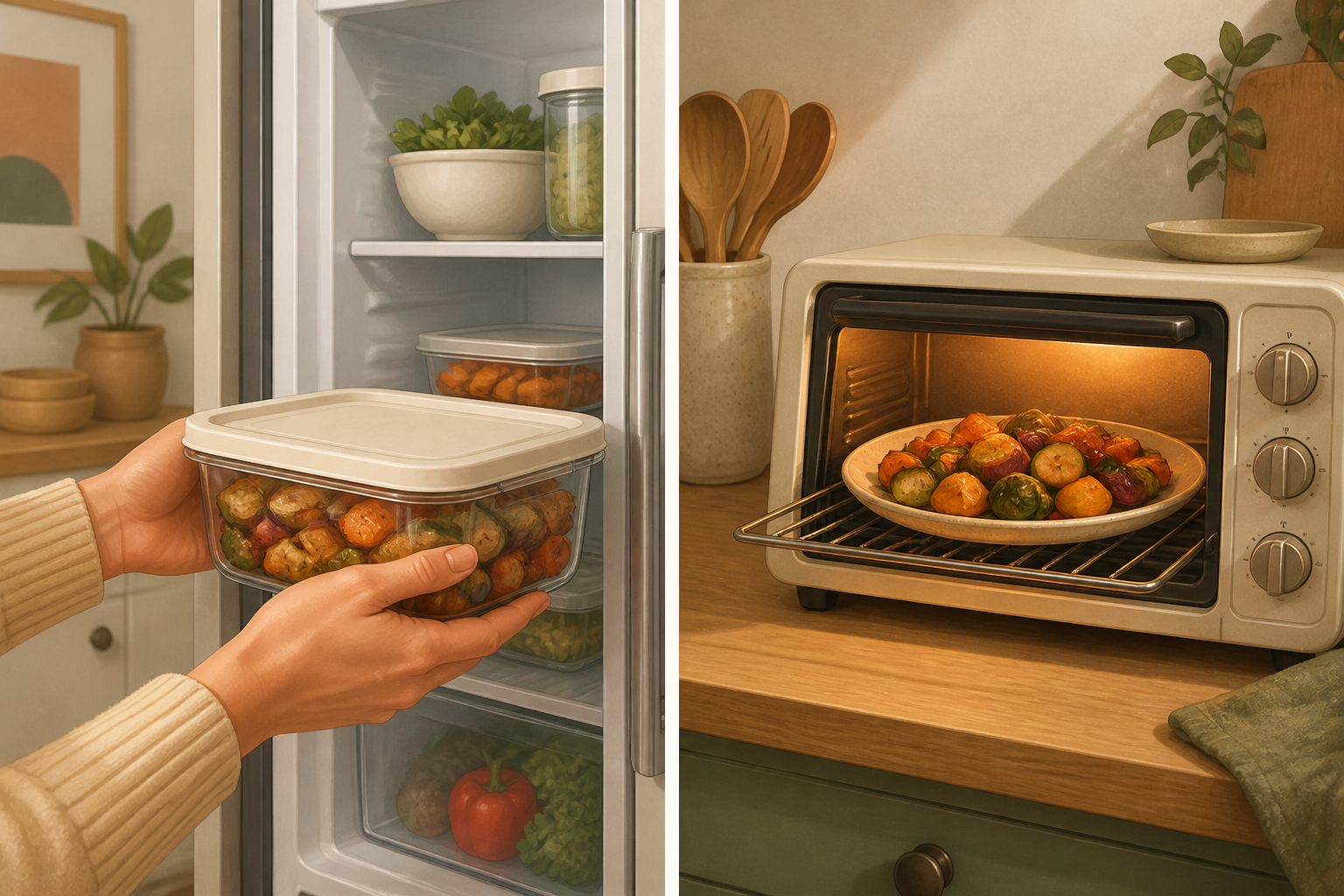
Store and reheat safely
Cool leftovers then refrigerate in an airtight container for up to 3–4 days. Reheat in a 375°F (190°C) oven for 6–10 minutes or briefly in a hot skillet to re-crisp edges—avoid the microwave if you want to keep crispness.
If this was useful
Try one of these next
Food & drink How-to
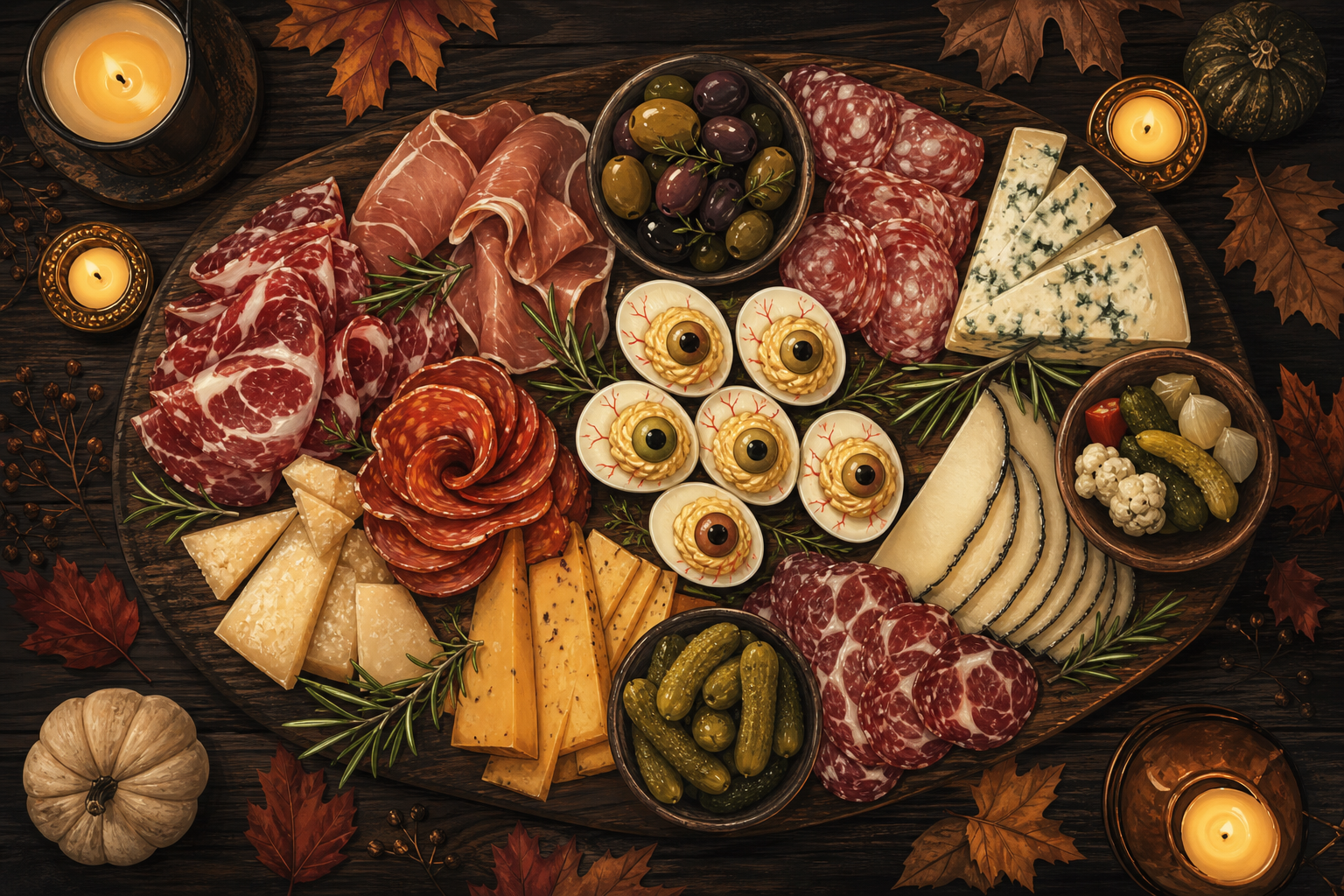
How to build a Spooky Low‑Carb Charcuterie Board (visual tricks, real keto options)
Assemble a Halloween‑ready charcuterie board that reads scary and stays low in carbs: cured meats, cheeses, olives, pickles, and low‑carb garnishes arranged for effect. Clear placement, proportion, and storage tips keep it photo‑ready and h
Read article
Food & drink How-to
How to make Keto Mummy Dogs (fathead dough wraps for spooky snacks)
Turn weeknight sausages into adorable, low‑carb mummies using a simple cheese‑and‑almond flour fathead-style dough. Step‑by‑step baking and assembly directions show how to roll, wrap, bake to golden, and add cute but edible 'eyes'—all safe, precise, and party-ready.
Read article
Food & drink Listicle
6 Low‑Carb Halloween Cocktail & Mocktail Mixers, Ranked for Flavor and Sugar‑Free Impact
A ranked round‑up of mixers, from sparkling herbal infusions to zero‑sugar syrups, chosen by flavor compatibility and minimal sugar impact for spooky drinks. Great for hosts who want dramatic drinks without hidden carbs.
Read article
Food & drink Listicle
7 Store‑Bought Keto Halloween Candy Swaps, Ranked
A practical, ranked list of easy supermarket swaps and prepackaged treats that keep carbs lower without feeling like punishment. Items are ordered by accessibility and overall keto‑friendliness so you can stock a candy bowl fast.
Read article