Hobbies & crafts Listicle
Best Waterfalls for Landscape Photography (ranked for drama vs. accessibility)
Ranked picks that balance dramatic compositions with how easy they are to actually reach: a scale that helps photographers pick sunrise spots, tripod-worthiness, and which falls reward the extra slog.
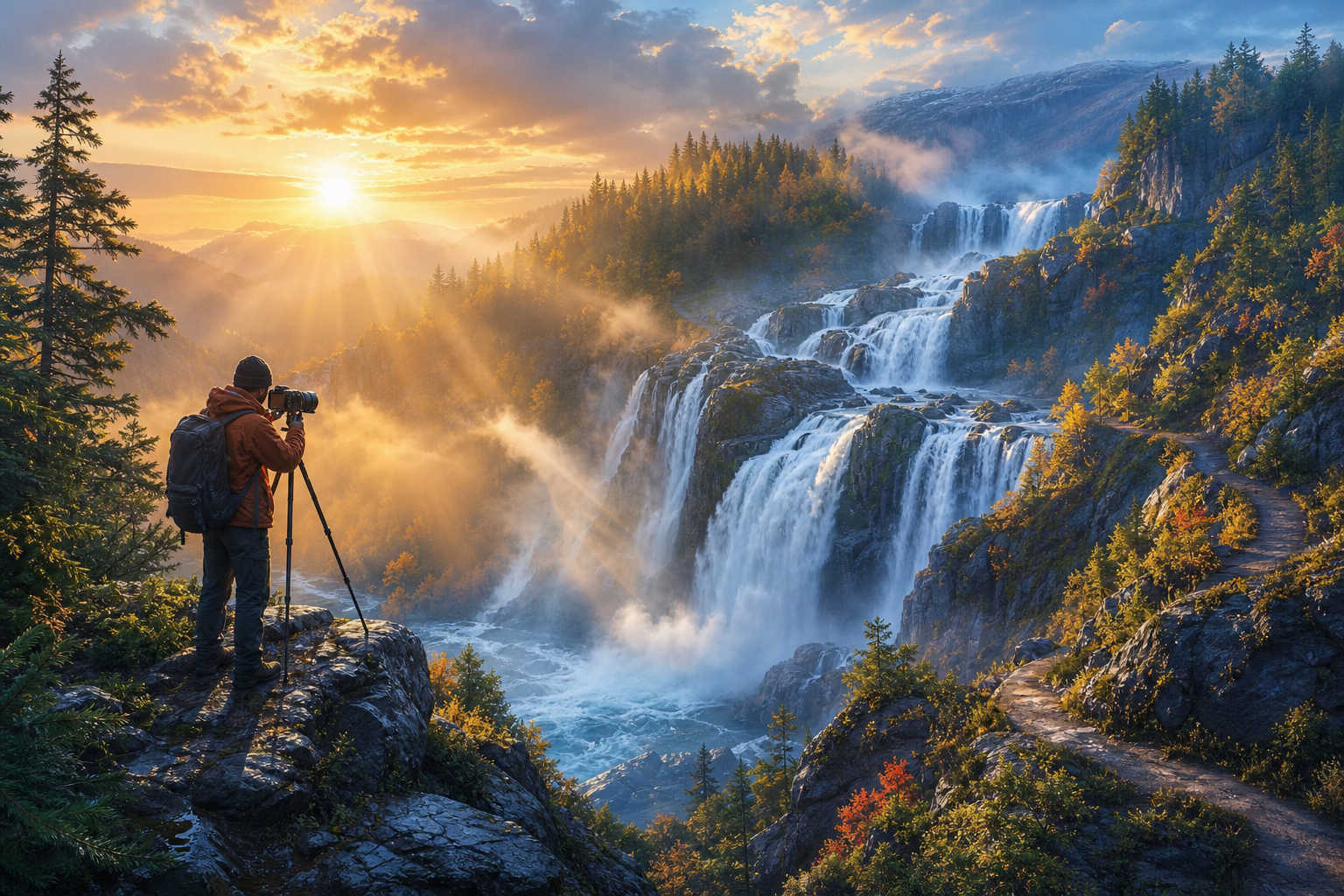
Plitvice’s boardwalk mini-cascades
A network of wooden boardwalks threads through gentle cascades and turquoise pools, making long exposures straightforward and tripod setup easy. The scene is serene and excellent for pattern-and-color studies, but it trades raw vertical drama for accessibility and crowd-controlled compositions.
Yosemite’s approachable curtain
A short walk delivers a classic granite-and-water pairing that’s exceptionally easy to reach with tripod gear. The base viewpoints are reliable for misty foregrounds, though the photographic variety is constrained by a few popular vantage points and frequent visitors.
Multnomah’s bridged drop
The iconic bridge gives an immediate compositional focal point and a vertical format that’s easy to shoot at dawn or dusk. Access is very forgiving for tripod use, but the most instantly recognisable angles are often congested — plan for low-light windows to avoid crowds.
Kuang Si’s turquoise tiers
Wide, stepped falls and bright blue pools make this an appealing color-focused subject that’s reachable via short, well-marked trails. The strong color contrast rewards mid-day and overcast light, and tripods can be used on pool edges, though swimmers and visitors can complicate long exposures.
Seljalandsfoss’s walk‑behind curtain
This waterfall lets photographers shoot from behind the falling sheet, offering rare backlit opportunities at sunset. The path can be wet and slippery, so waterproof covers and caution are essential; the payoff is unique silhouettes and layered compositions that simple approaches can’t match.
Skógafoss’s powerful curtain and viewpoints
An easily approached, high-energy curtain of water that photographs dramatically from the base and from an elevated platform reached by steps. The closeness creates impressive foreground energy for long-exposure blur, while the upper viewpoint opens sweeping landscape frames — a solid balance of drama and manageable access.
Victoria Falls’ expansive spray and viewpoints
Massive scale and constant mist create sweeping panoramas from well-maintained paths and lookouts; the result is cinematic wide-angle drama without extreme remoteness. Bring lens cloths and protect gear from spray, and you’ll be rewarded with broad vistas and powerful atmospheric mood.
Havasu’s remote turquoise plunges
This spot requires a serious commitment of time and logistics, but the reward—intensely colored pools and dramatic isolated falls—is unmistakable. The photography is tripod-friendly once you arrive, and the remoteness yields creative control and fewer competing angles; expect a true slog that pays off in solitude and saturated color.
Iguazu’s walkway theatre
A vast, multi-angled system of falls paired with extensive boardwalks makes for staggering variety and enormous photographic drama with surprisingly easy access to many viewpoints. Platforms bring you right to the heart of the action for wide-scale, layered compositions while still allowing tripod setups on stable sections — drama and accessibility in near-perfect balance.
The ultimate pick: a wall of water that balances scale and access
If you want maximal visual impact without mounting an expedition, choose a waterfall that pairs enormous scale with maintained walkways and platforms. These sites let you frame massive, cinematic scenes, safely set up a tripod on solid ground, and return home with images that show both raw power and thoughtful composition.
If this was useful
Try one of these next
Food & drink How-to
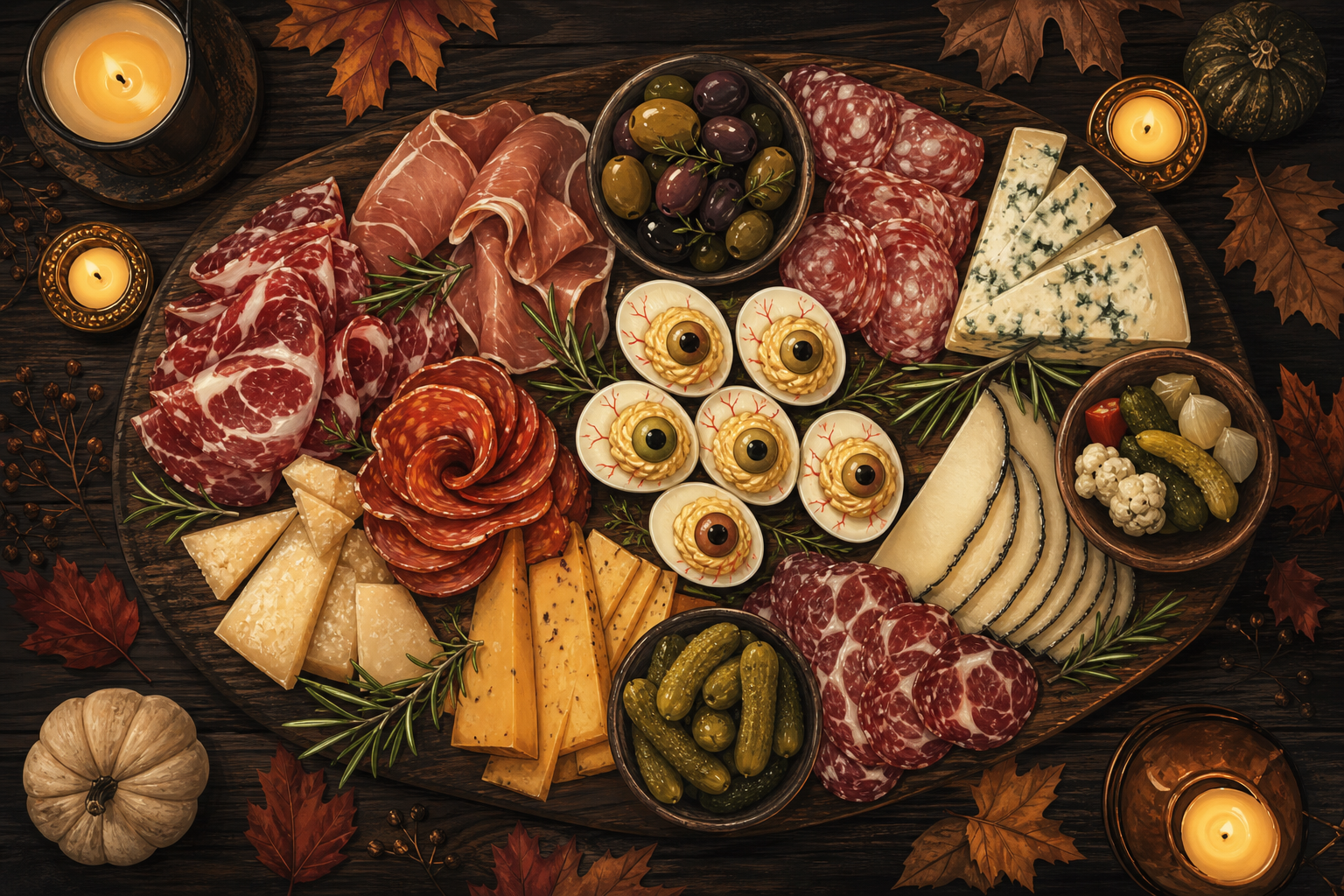
How to build a Spooky Low‑Carb Charcuterie Board (visual tricks, real keto options)
Assemble a Halloween‑ready charcuterie board that reads scary and stays low in carbs: cured meats, cheeses, olives, pickles, and low‑carb garnishes arranged for effect. Clear placement, proportion, and storage tips keep it photo‑ready and h
Read article
Food & drink How-to
How to make Keto Mummy Dogs (fathead dough wraps for spooky snacks)
Turn weeknight sausages into adorable, low‑carb mummies using a simple cheese‑and‑almond flour fathead-style dough. Step‑by‑step baking and assembly directions show how to roll, wrap, bake to golden, and add cute but edible 'eyes'—all safe, precise, and party-ready.
Read article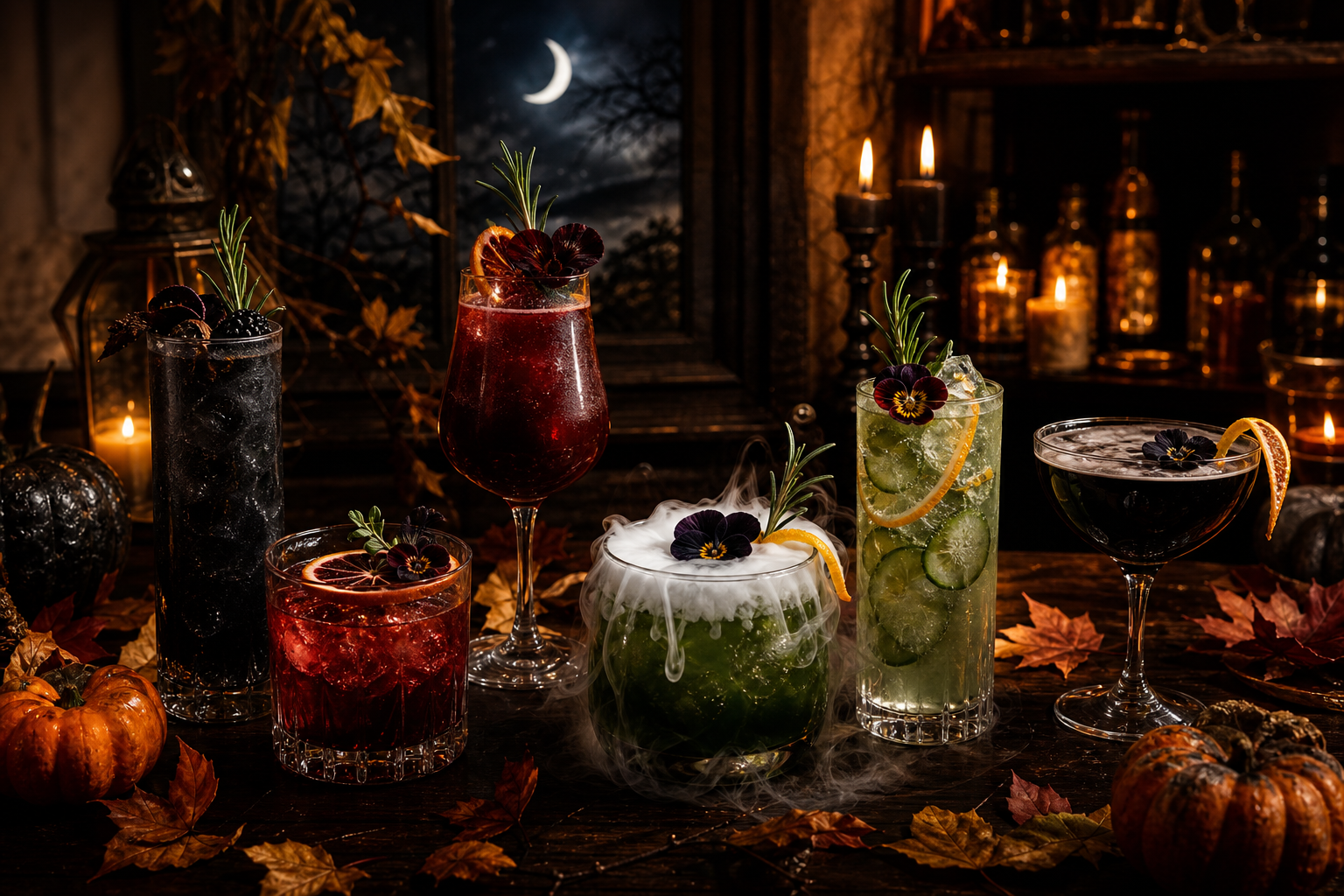
Food & drink Listicle
6 Low‑Carb Halloween Cocktail & Mocktail Mixers, Ranked for Flavor and Sugar‑Free Impact
A ranked round‑up of mixers, from sparkling herbal infusions to zero‑sugar syrups, chosen by flavor compatibility and minimal sugar impact for spooky drinks. Great for hosts who want dramatic drinks without hidden carbs.
Read article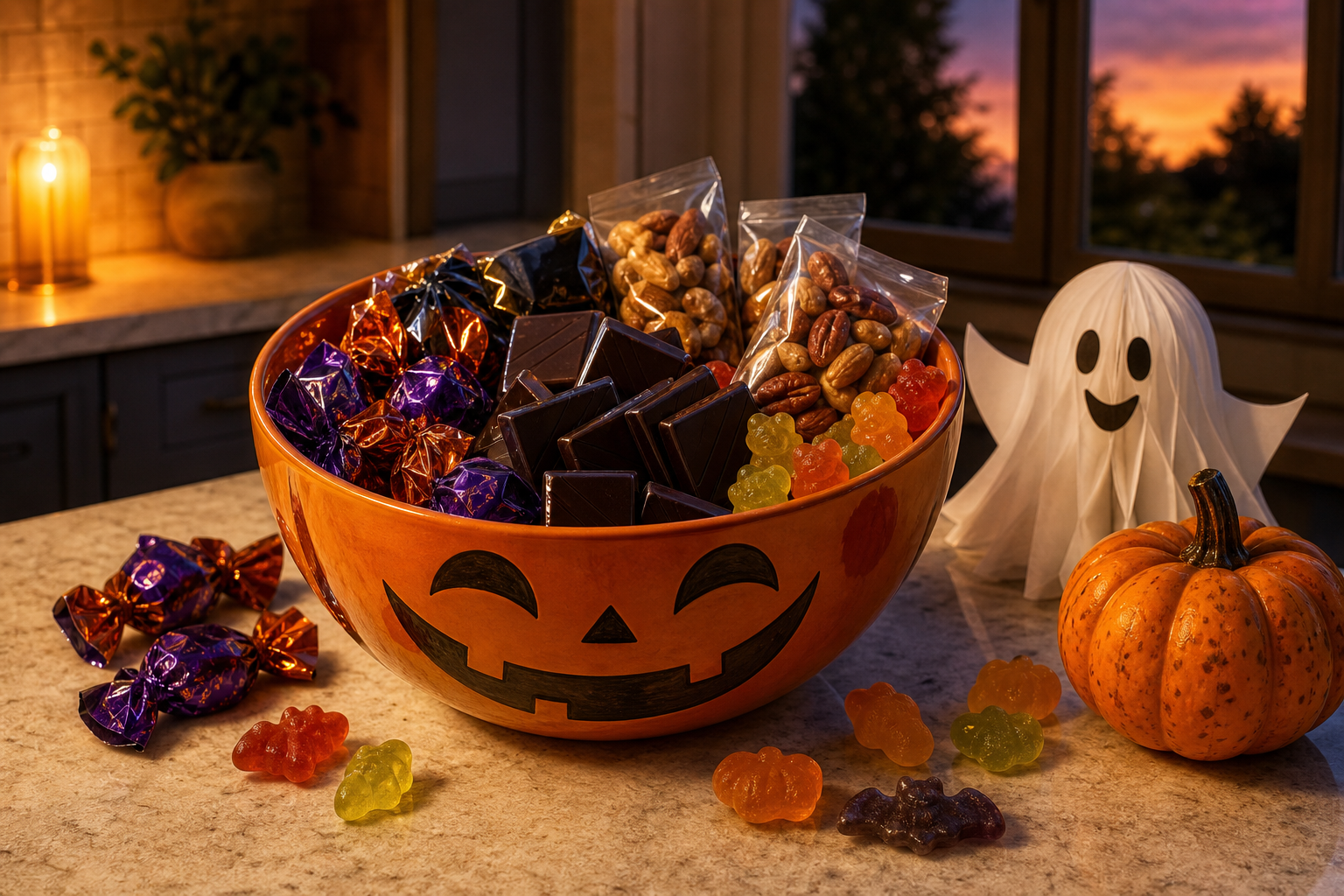
Food & drink Listicle
7 Store‑Bought Keto Halloween Candy Swaps, Ranked
A practical, ranked list of easy supermarket swaps and prepackaged treats that keep carbs lower without feeling like punishment. Items are ordered by accessibility and overall keto‑friendliness so you can stock a candy bowl fast.
Read article