Food & drink
How to Boil Pasta and Make a Quick Sauce
Cook pasta so it’s tender, save a little cooking water, and toss it with a simple sauce for a fast, comforting meal.
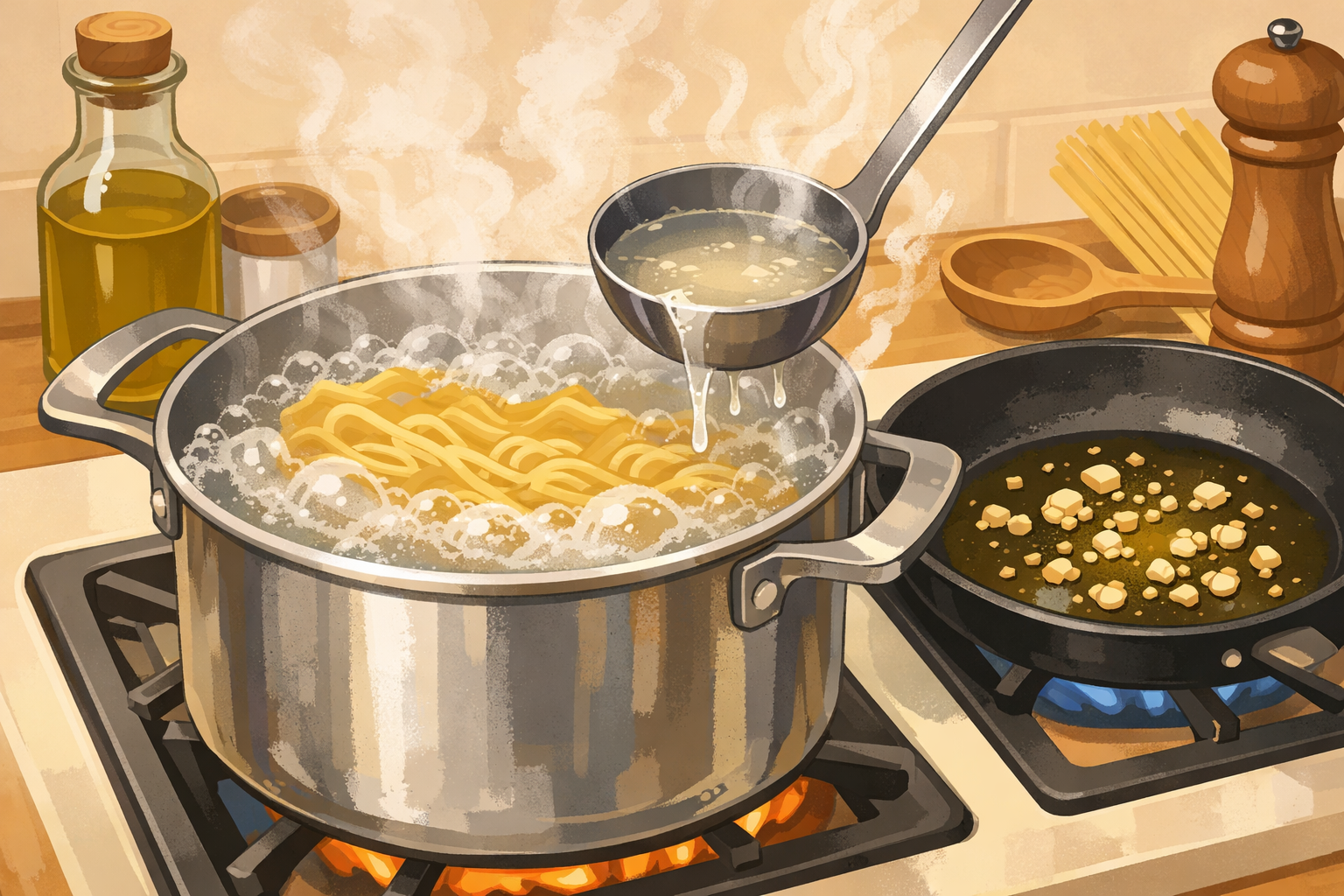
- 01
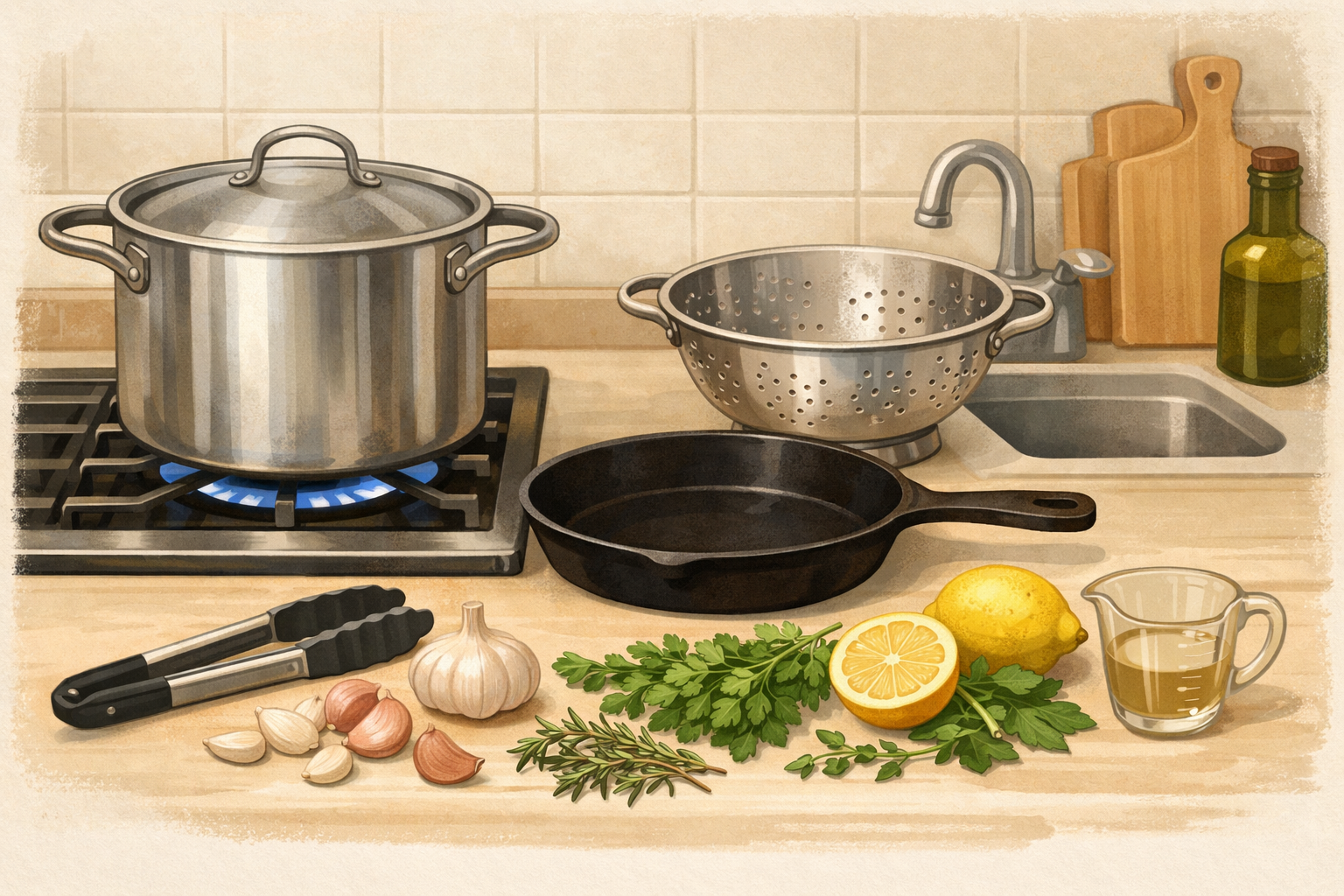
Set up your tools and ingredients
Place a large pot and a colander by the sink, and set a skillet next to the pot on the stove. Gather dried pasta, salt, olive oil, garlic, optional red pepper flakes, lemon, herbs, and grated hard cheese. Have tongs or a pasta fork, a wooden spoon, and a heat-safe measuring cup ready.
- 02
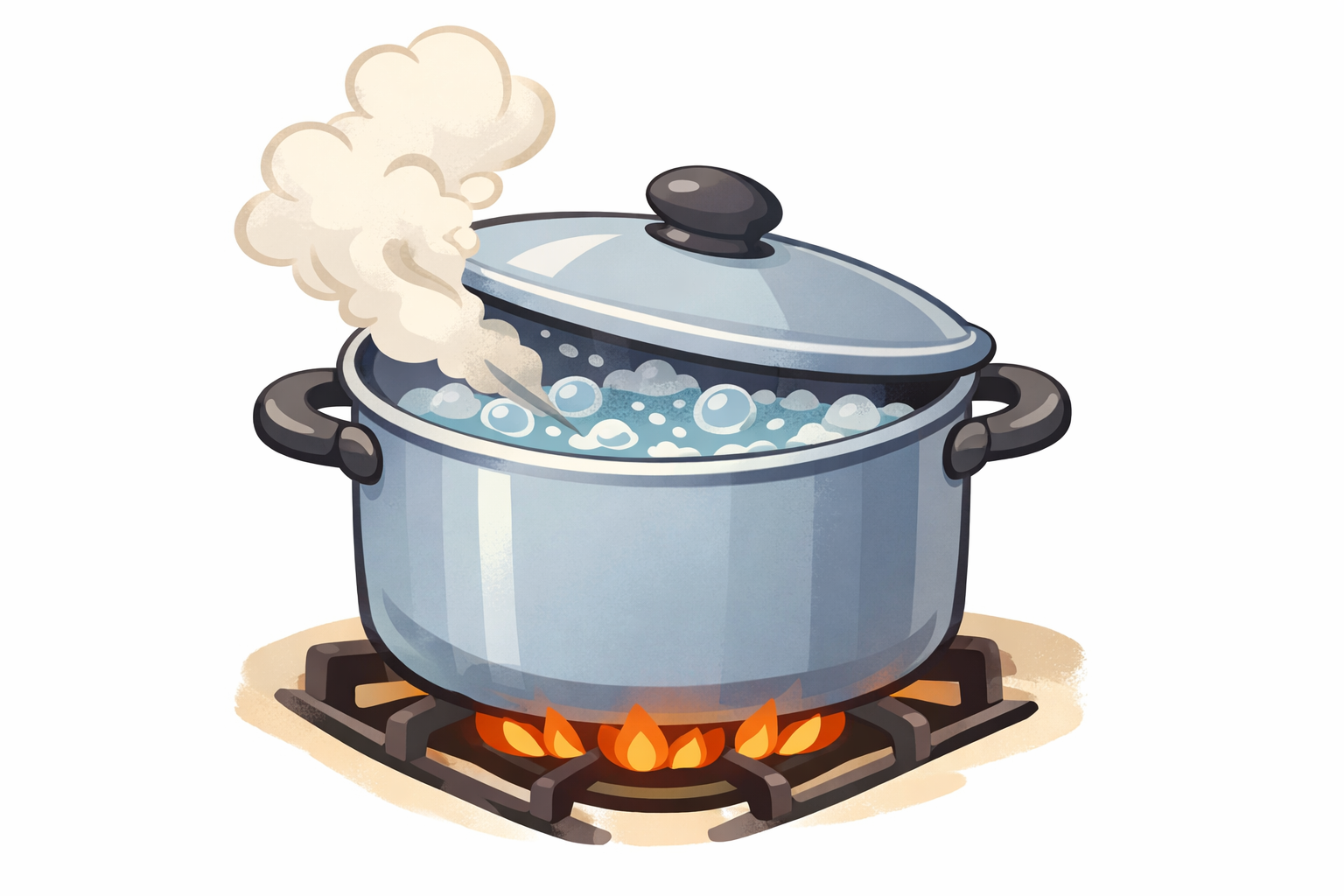
Bring plenty of water to a rolling boil
Fill the pot with enough water for the pasta to move freely, leaving space at the top so it won’t boil over. Cover and heat on high until the water reaches a lively, rolling boil with lots of movement.
- 03
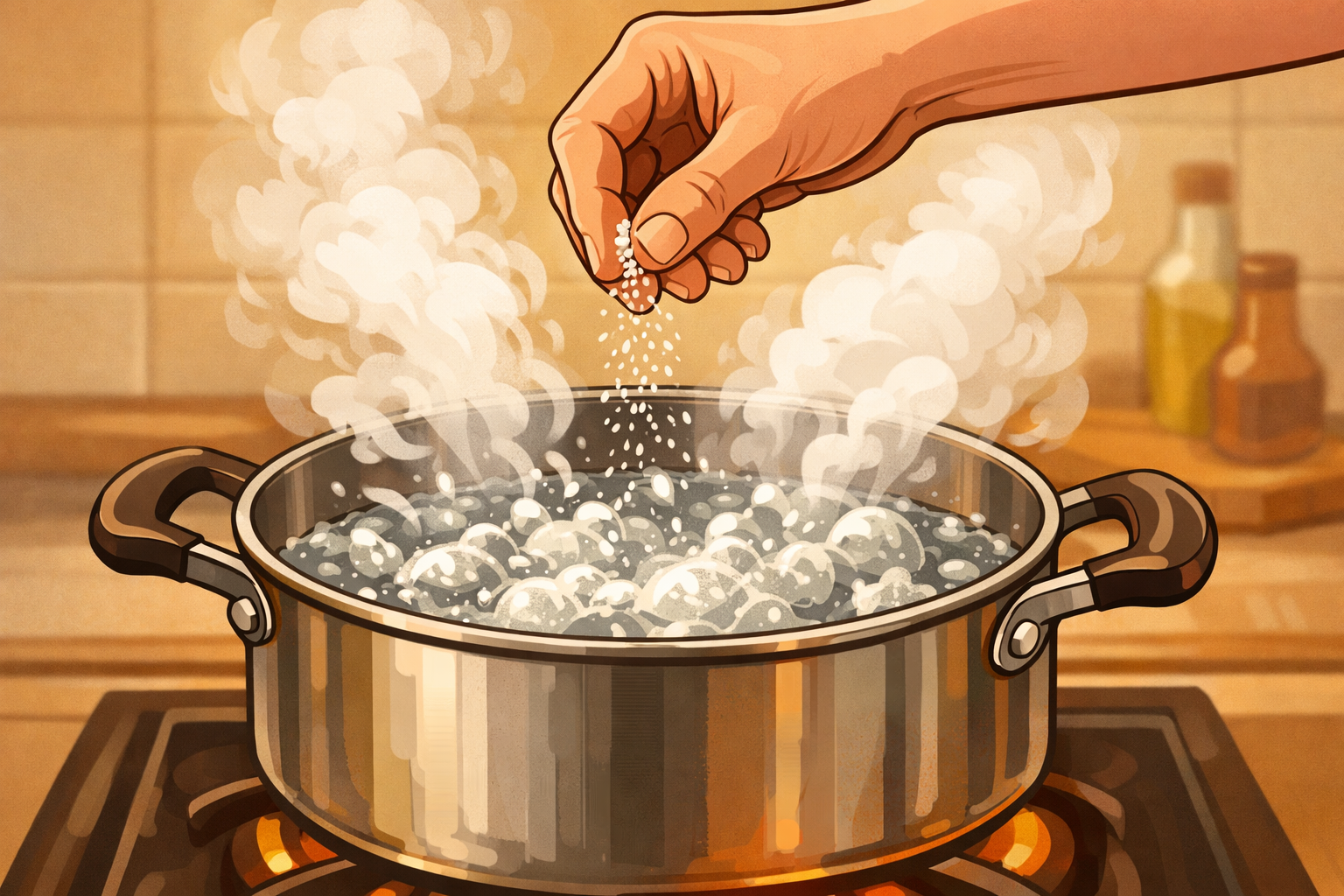
Season the water with salt
Uncover the pot and add salt so the water tastes well seasoned. Stir to dissolve and bring the water back to a full boil. Salting now gives the pasta better flavor from the inside out.
- 04
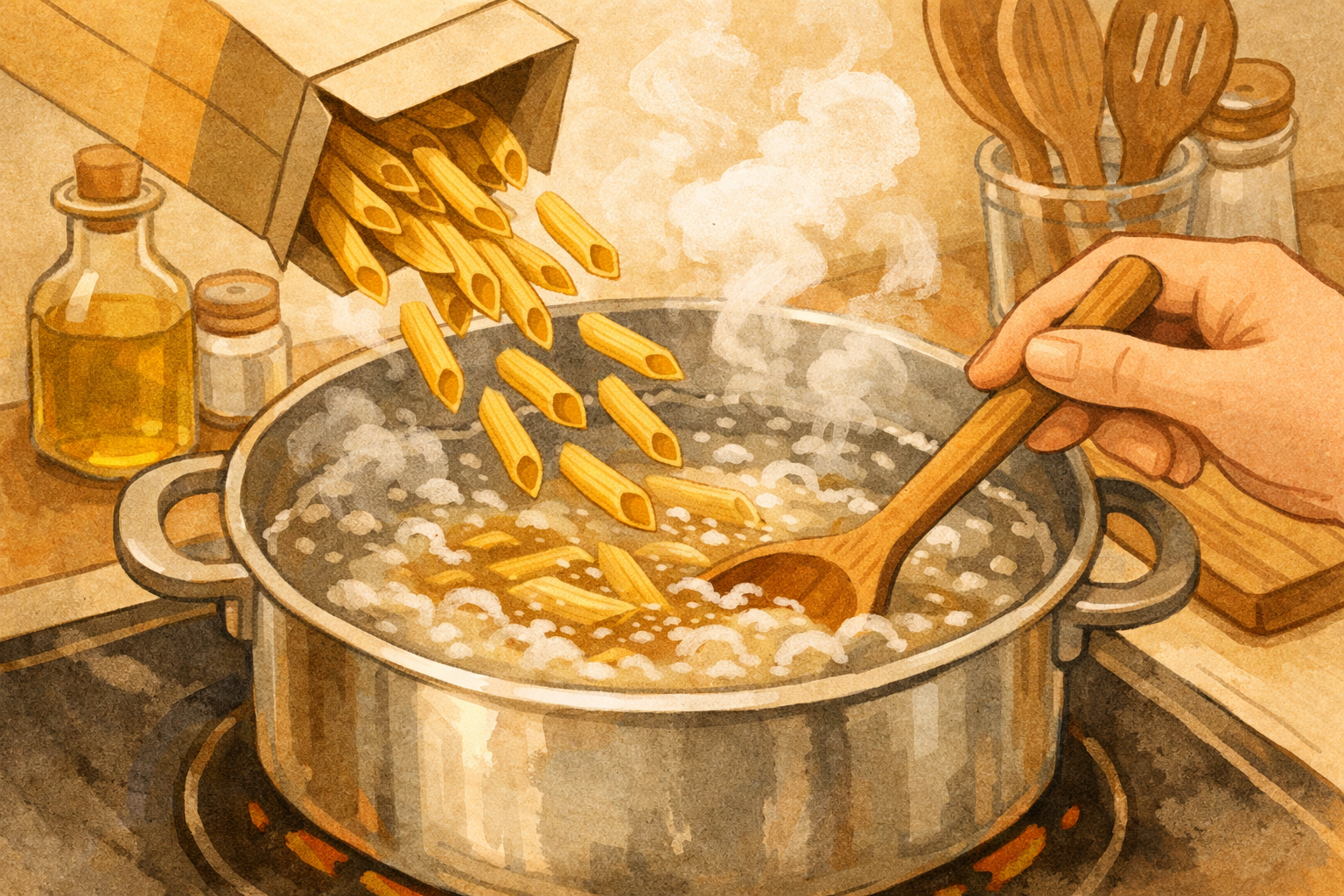
Add pasta and keep it moving
Tip in the dried pasta and immediately stir for about a minute to keep pieces from sticking. Adjust the heat to maintain a steady boil without foam spilling over, and stir occasionally as it cooks.
- 05
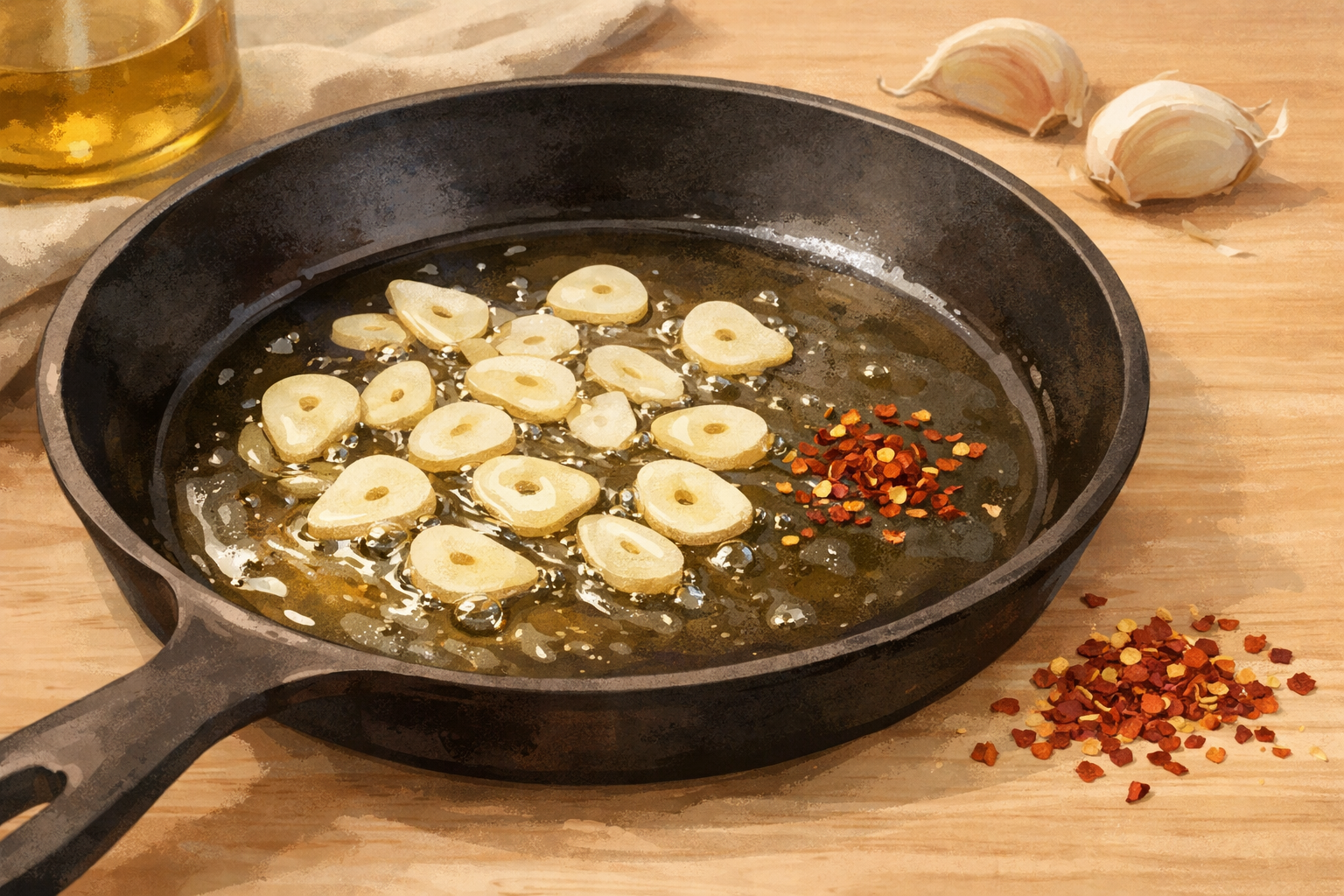
Start a quick garlic-and-oil base
While the pasta cooks, warm a thin layer of olive oil in the skillet over medium heat. Add sliced or minced garlic and cook, stirring, until just fragrant and pale golden. Sprinkle in red pepper flakes if you like. If the garlic darkens, lower the heat or pull the pan off the burner.
- 06
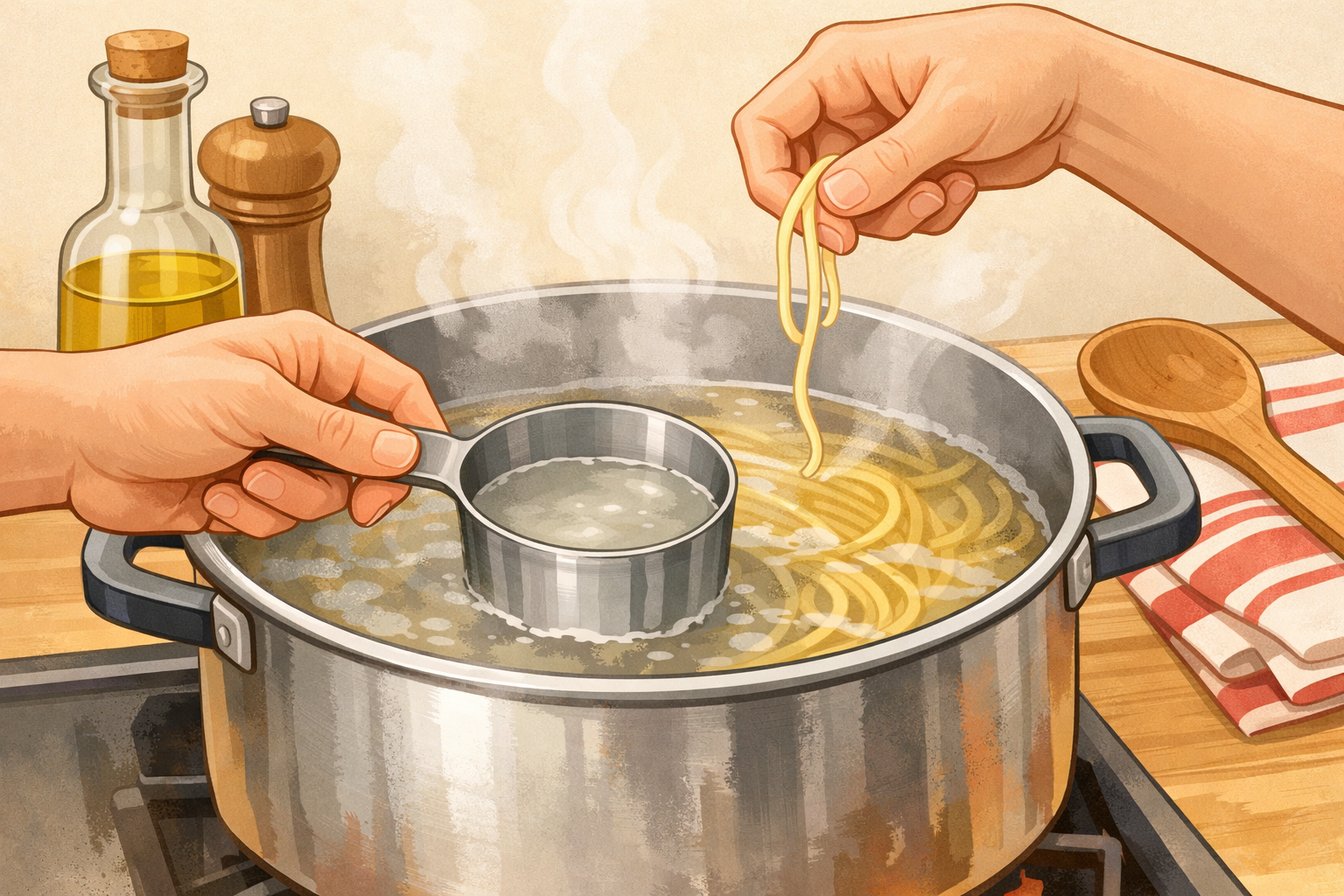
Check pasta doneness and save some water
Use the package time as a guide, but start tasting a little early. When the pasta is tender with a slight bite in the center, dip out a cup of the cloudy cooking water using a heat-safe cup or ladle.
- 07
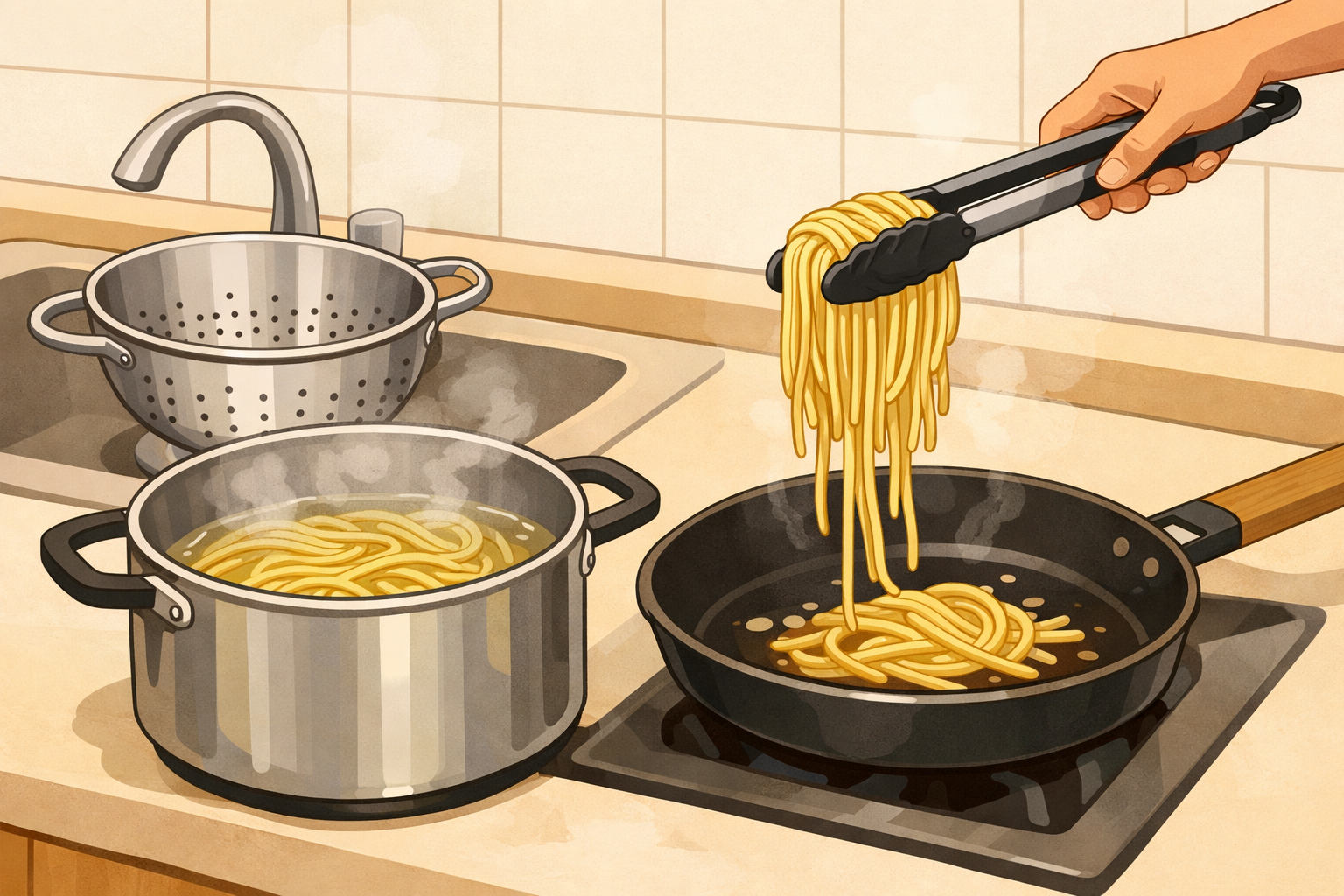
Drain or transfer the pasta
Drain the pasta quickly in a colander, or lift it straight from the pot into the skillet with tongs so a little water clings. Keep the skillet over low heat so the pasta meets the warm garlic oil right away.
- 08
Create a silky sauce with pasta water
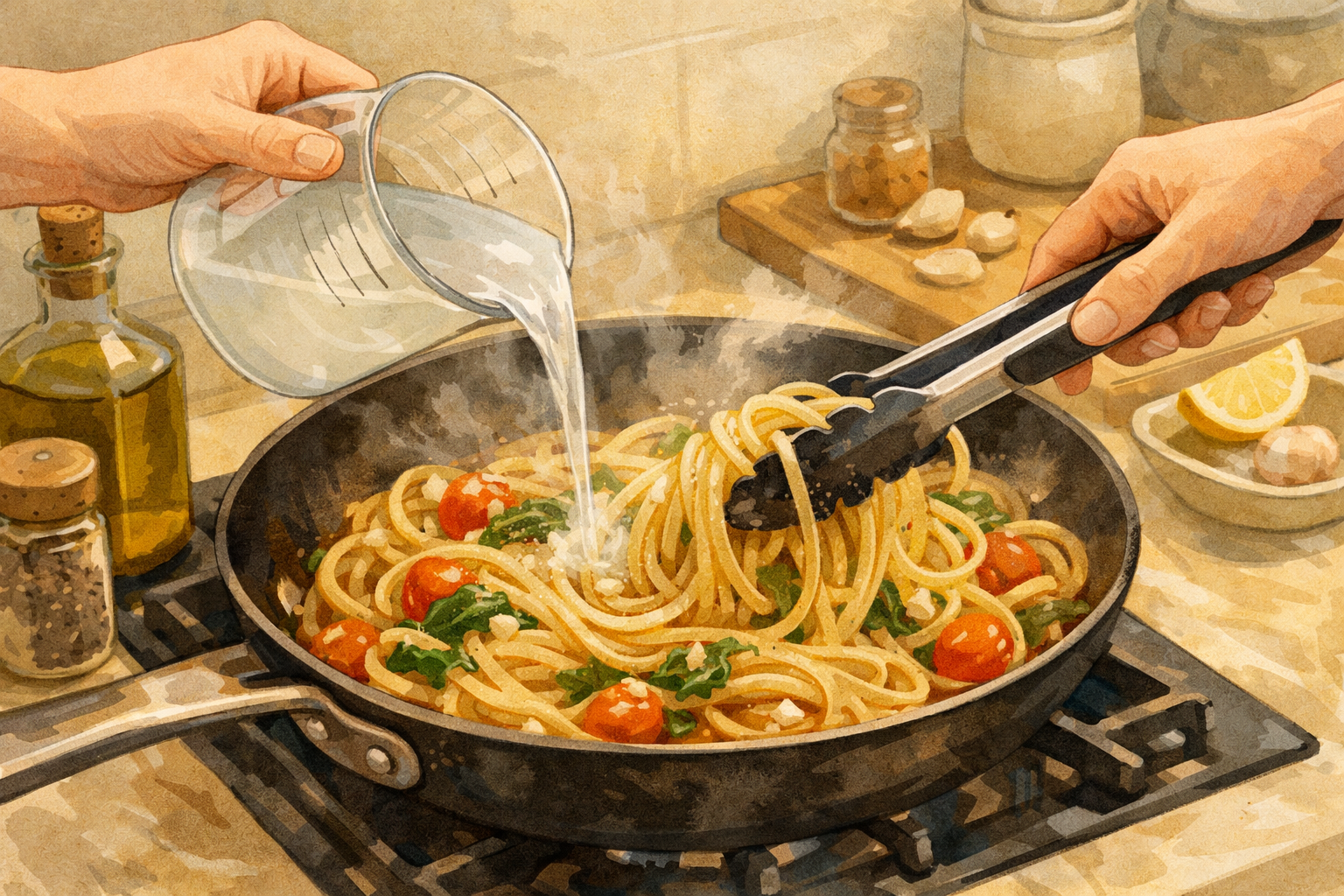
Splash in some of the reserved pasta water and toss or stir vigorously. The starch in the water helps the oil cling to the pasta. Add small amounts of water as needed until each piece looks lightly and evenly coated, not soupy.
- 09
Balance and finish the flavors
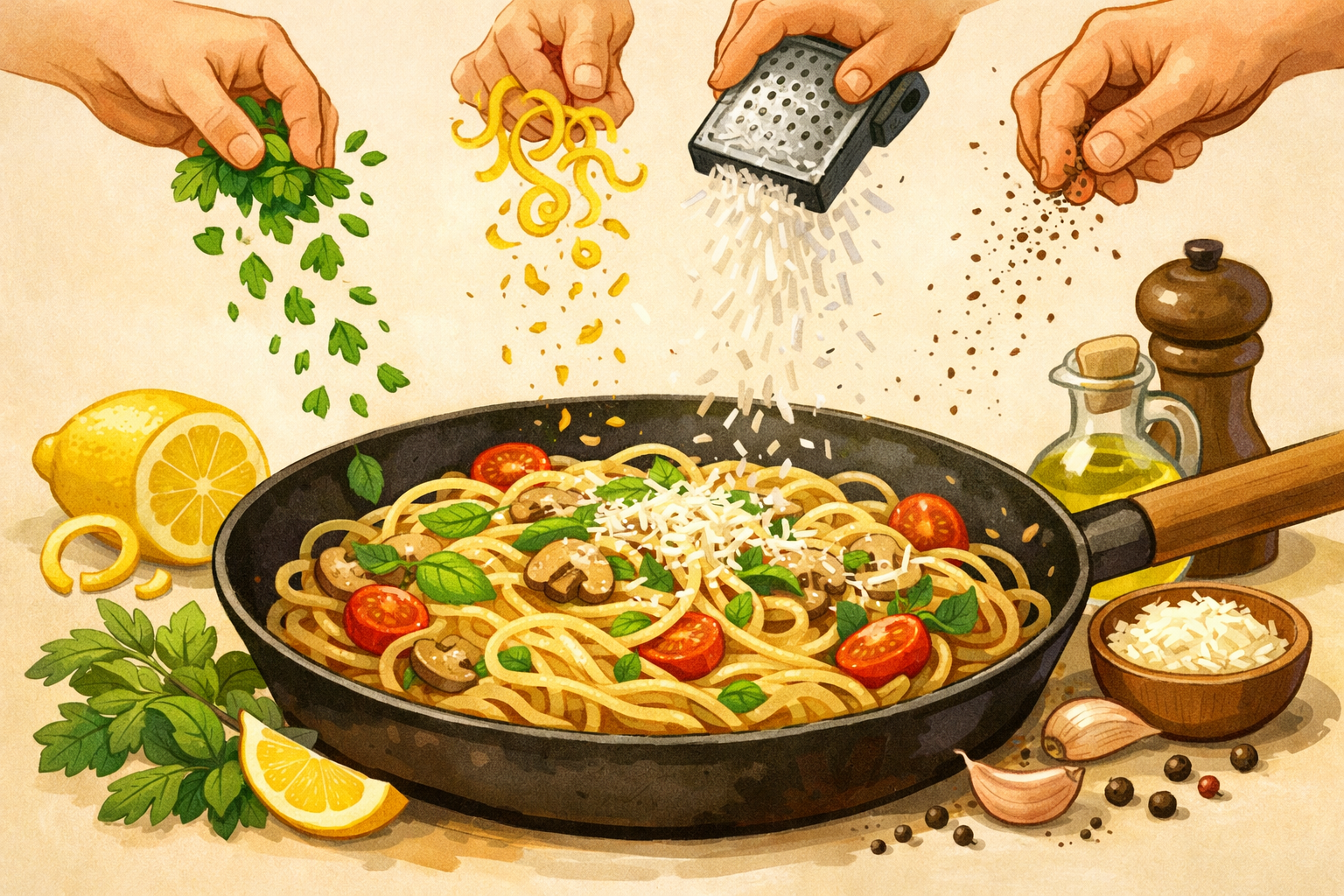
Taste and adjust salt, then add black pepper, lemon zest or a squeeze of juice, and chopped herbs if you like. A light shower of grated hard cheese can melt in off the heat. Toss to combine until glossy.
- 10
Serve and handle leftovers
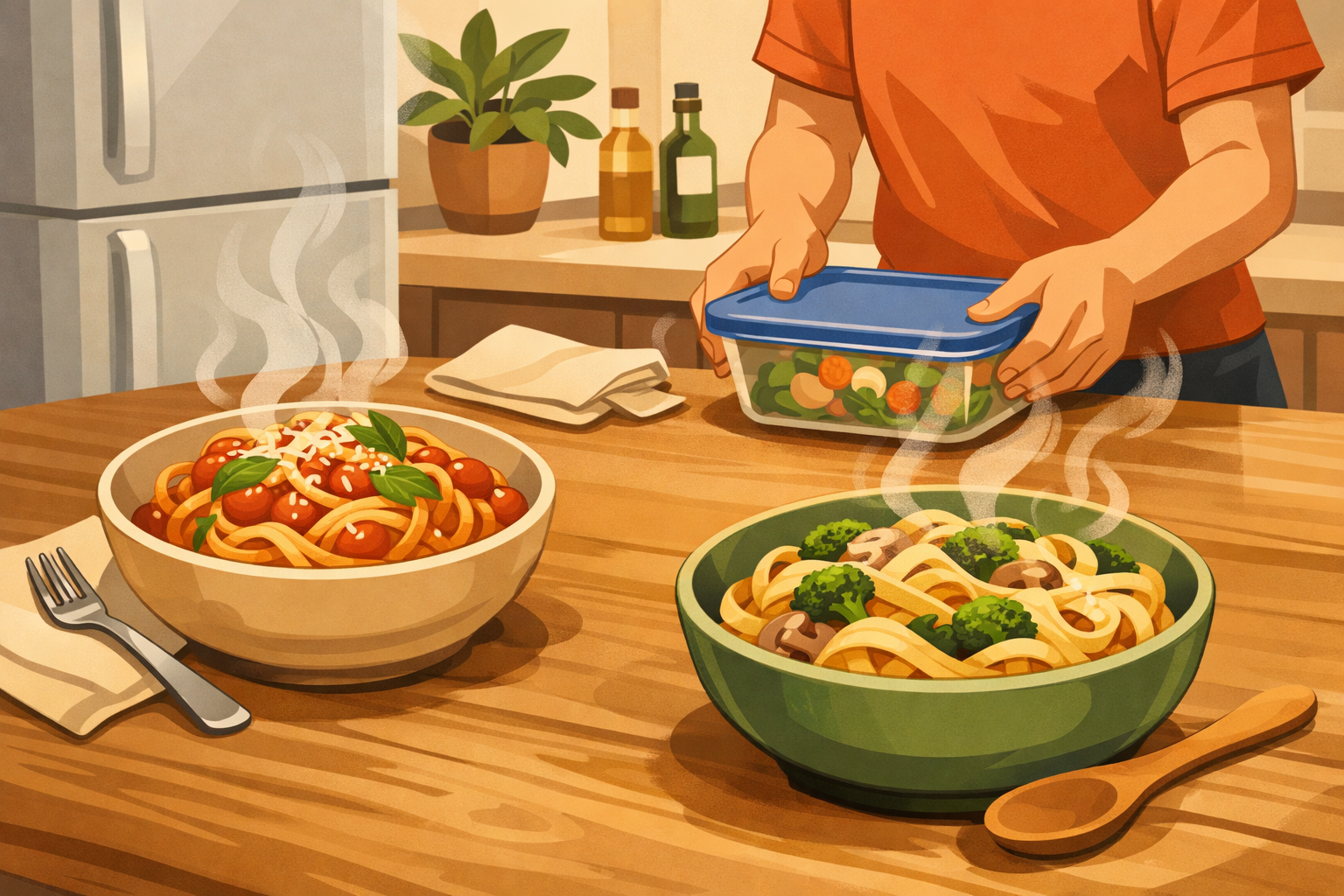
Serve the pasta right away in warm bowls. If you have leftovers, cool them promptly in a shallow container, refrigerate, and reheat gently with a spoonful of water to loosen the sauce.
If this was useful
Try one of these next

Bike & travel
How to Practice Small‑Talk Phrases Before a Trip
Build short scripts for greetings, ordering, and asking directions, record yourself and repeat, and pack a pocket card with 10 go‑to lines you can say smoothly.
Read the guide
Hobbies & crafts
How to Learn a Song in a New Language (Even If You’re Not Musical)
Choose a slow, clear song, look up the lyrics and mark unknown words, loop the chorus to memorize pronunciation, and sing along softly to lock in sounds and phrases.
Read the guide
Learning
How to Set Up a 15‑Minute Daily Language Routine You Can Keep
Pick a consistent time, split 15 minutes into review, new words, and quick speaking, and track progress with a simple checklist so you build momentum without burning out.
Read the guide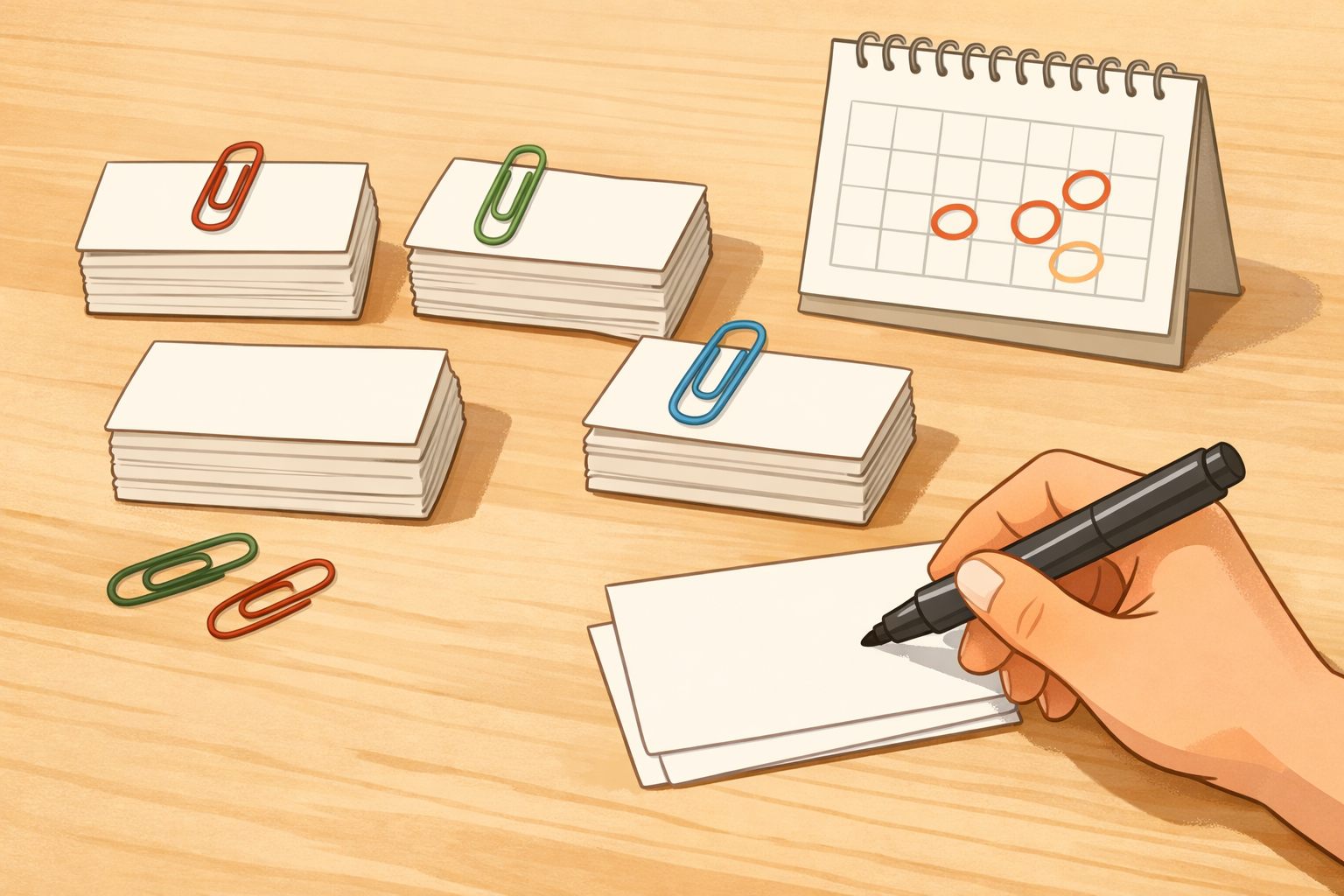
Learning
How to Make DIY Flashcards That Actually Stick
Create clear, one-word-per-card flashcards with a picture or example phrase, sort them into “know,” “review,” and “learn” piles, and revisit them on a simple spaced schedule to make what you study easier to remember.
Read the guide