Home & life
How to Stock a Beginner Pantry on a Budget
Choose versatile staples, basic seasonings, and a few fresh items so you can cook simple meals without constant store trips.
- 01
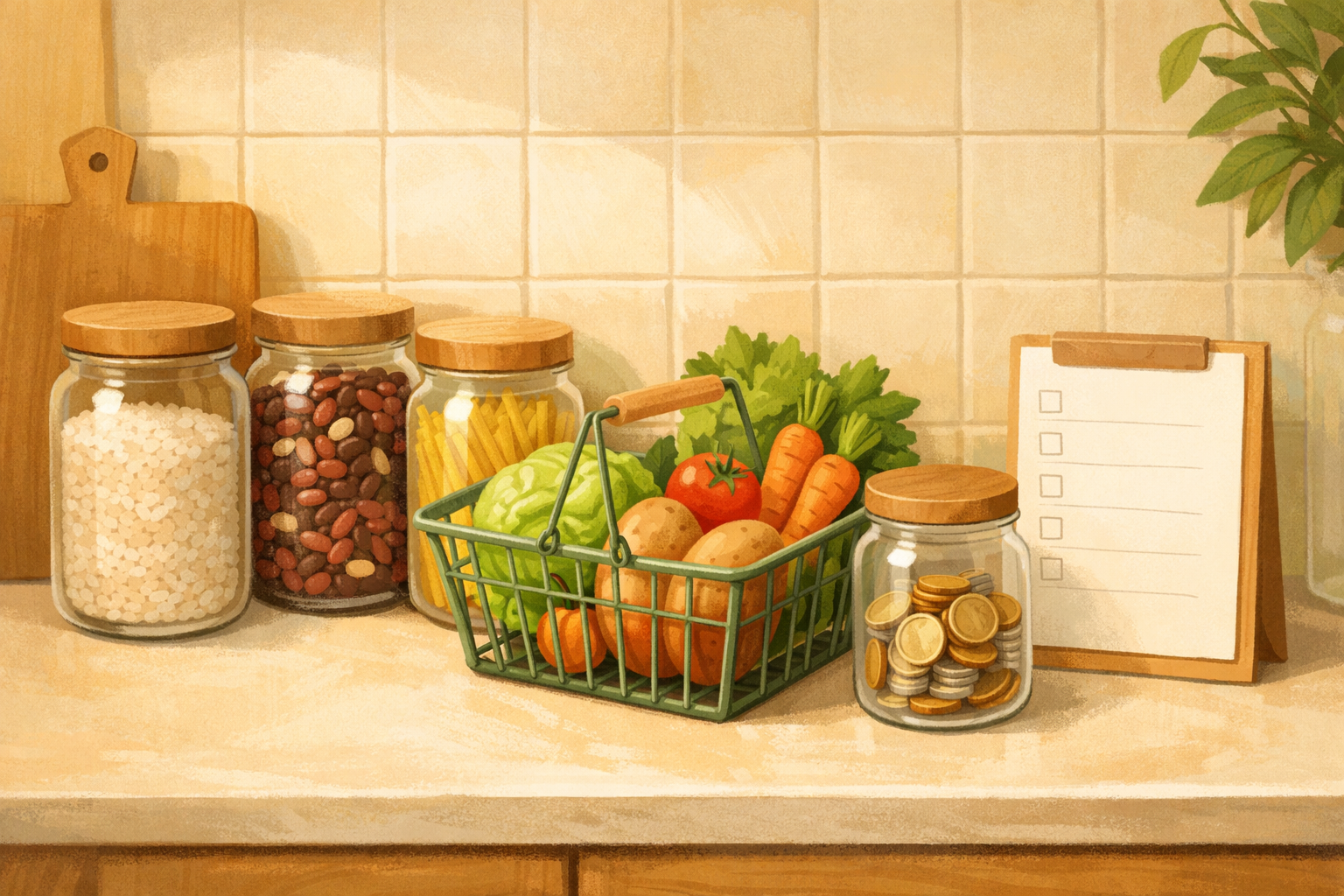
Set a simple budget and meal goal
Decide how much you can spend and what you want your pantry to do (for example, cover breakfasts and three easy dinners each week). This keeps choices focused and prevents buying more than you can store or use.
- 02
Take a quick kitchen inventory
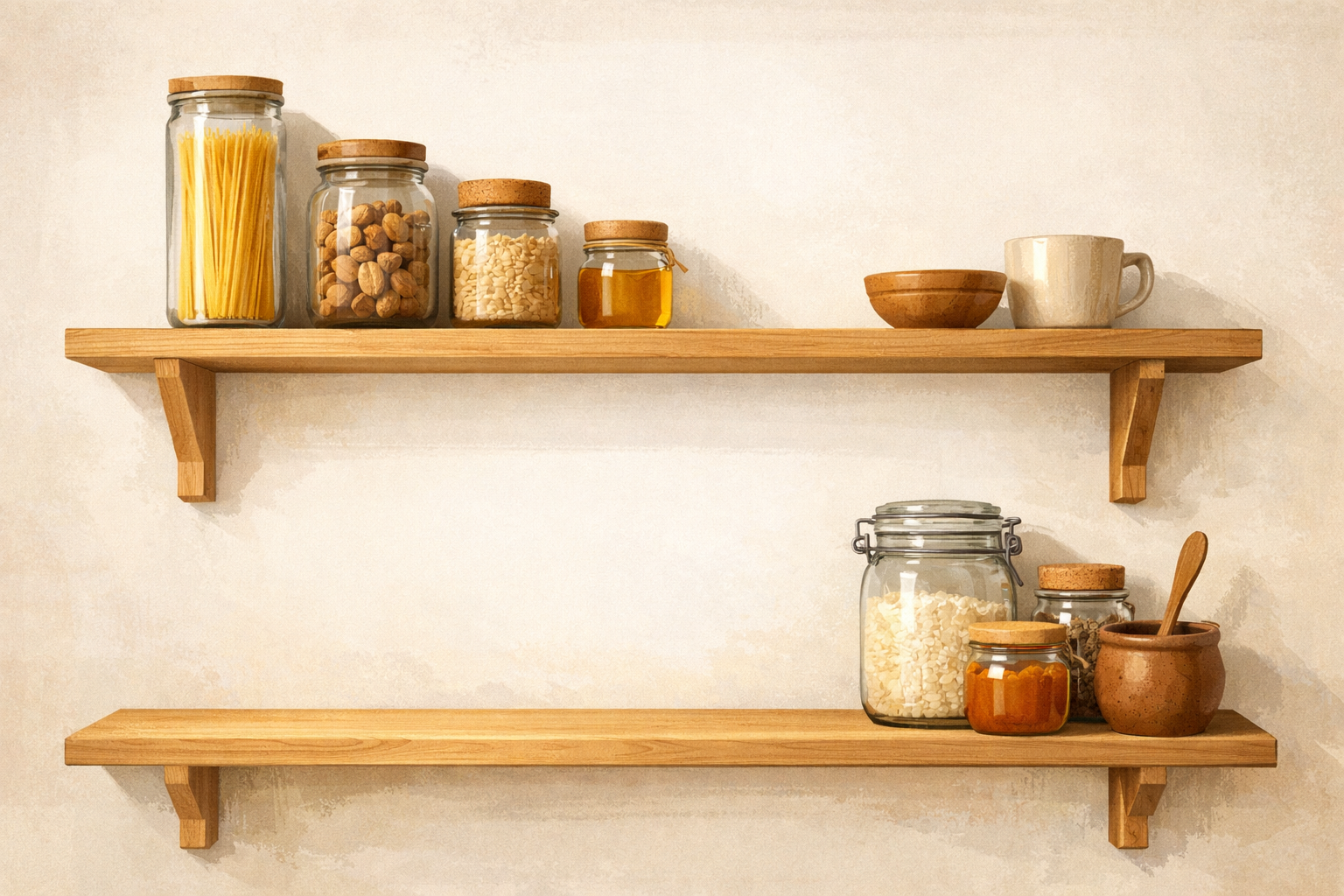
Open cupboards, freezer, and fridge to note what you already have and the space available. Wipe a shelf clean so new staples start in a tidy, dedicated spot.
- 03
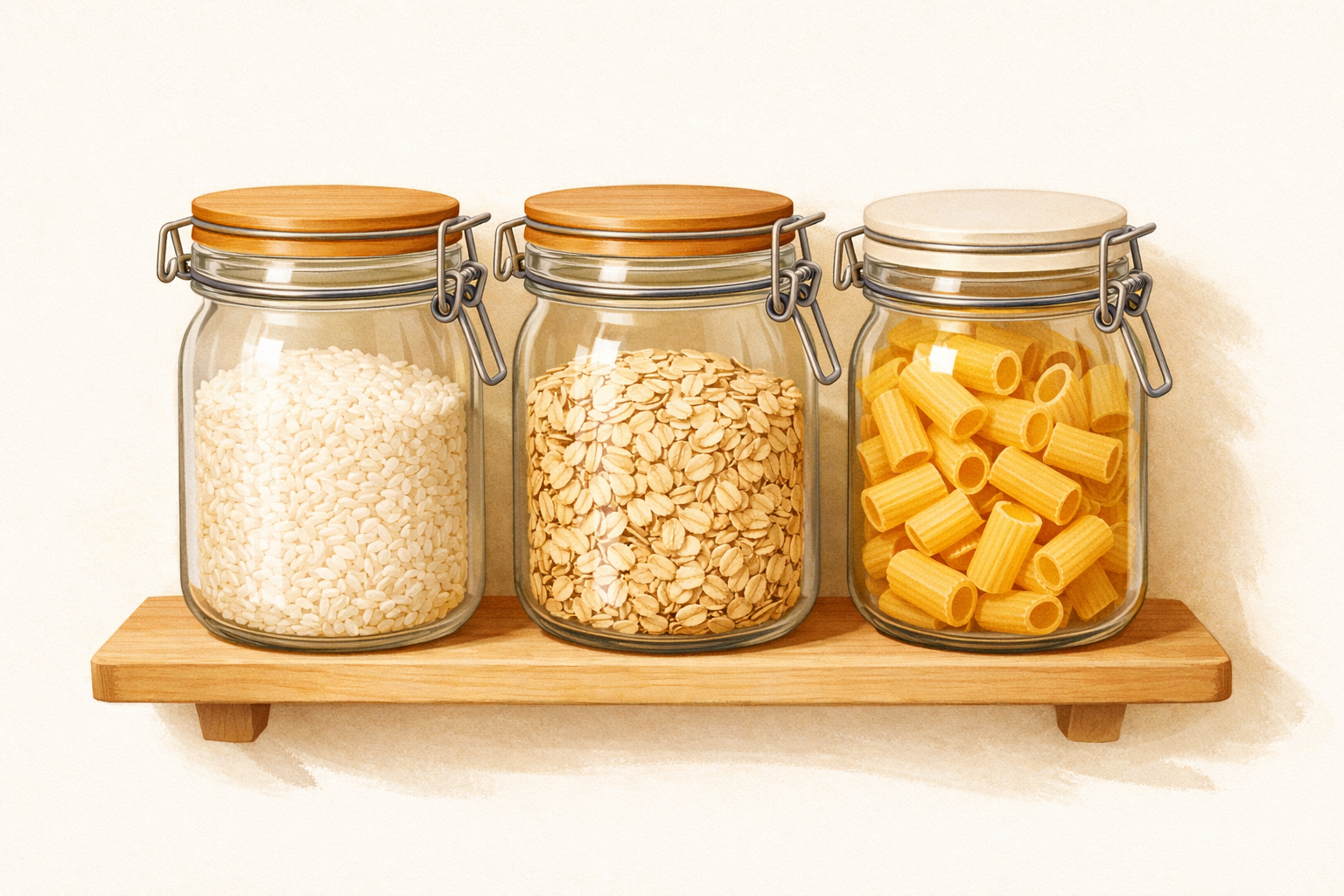
Start with versatile grains
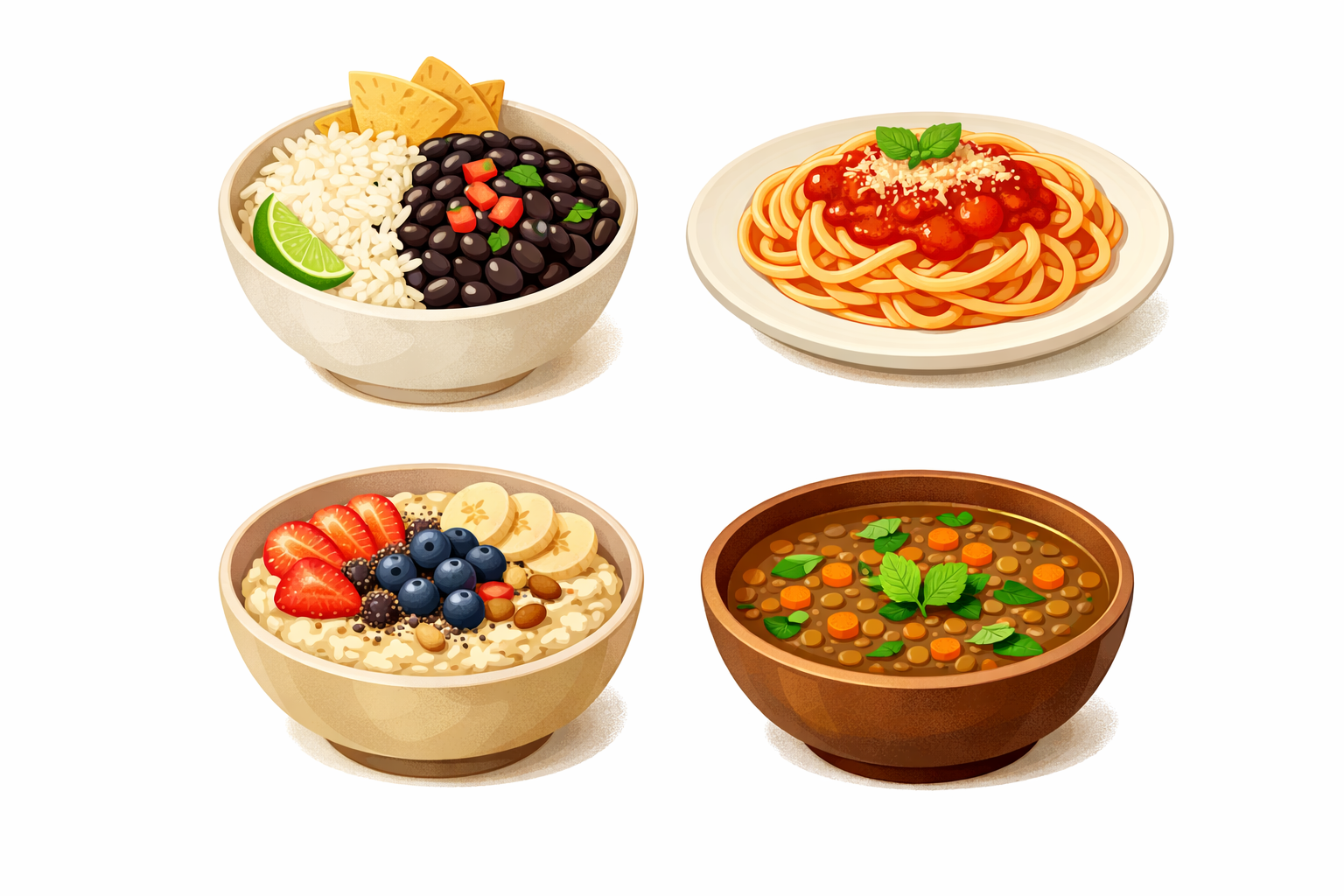
Choose two or three bases that work across meals, such as rice, oats, and pasta. They’re filling, affordable, and pair with almost any sauce, seasoning, or protein.
- 04
Choose affordable pantry proteins
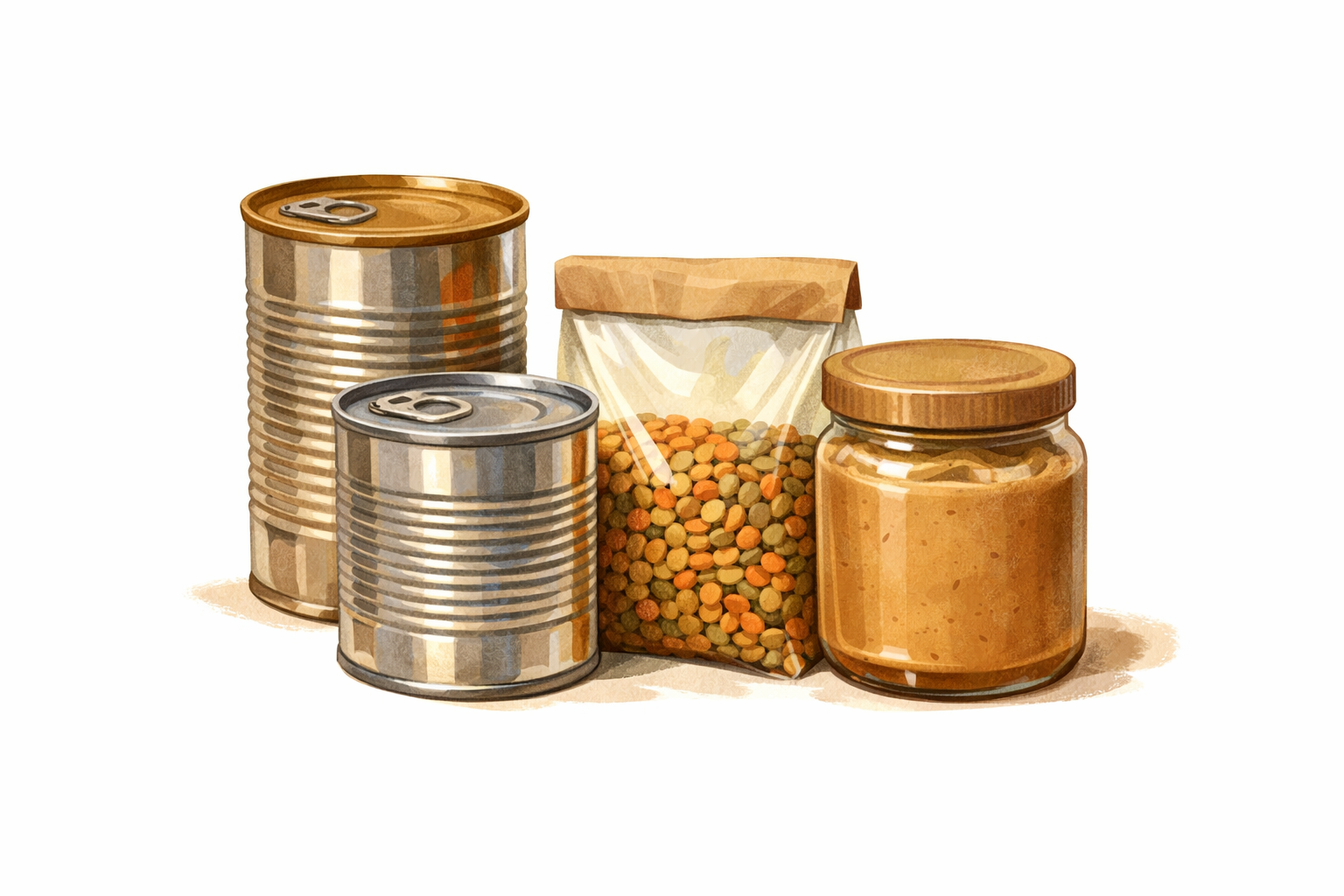
Pick a couple from dried or canned beans, lentils, nut or seed butter, or canned fish. These keep well and can anchor soups, salads, bowls, and sandwiches.
- 05
Stock canned and jarred helpers
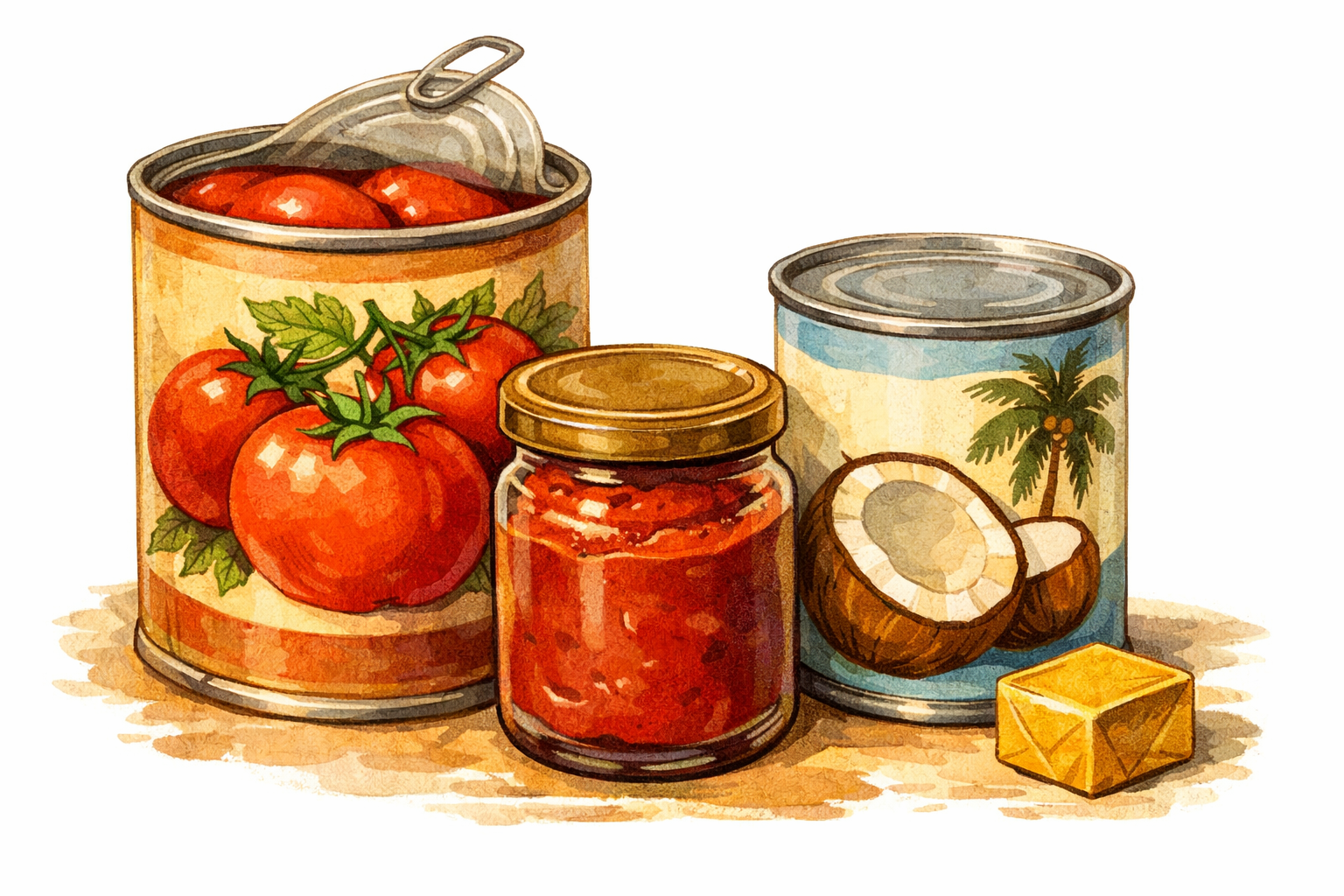
Grab multipurpose items like diced tomatoes, tomato paste, coconut milk, and a shelf-stable broth option. They quickly turn grains and proteins into soups, sauces, or curries.
- 06
Pick basic seasonings and acids
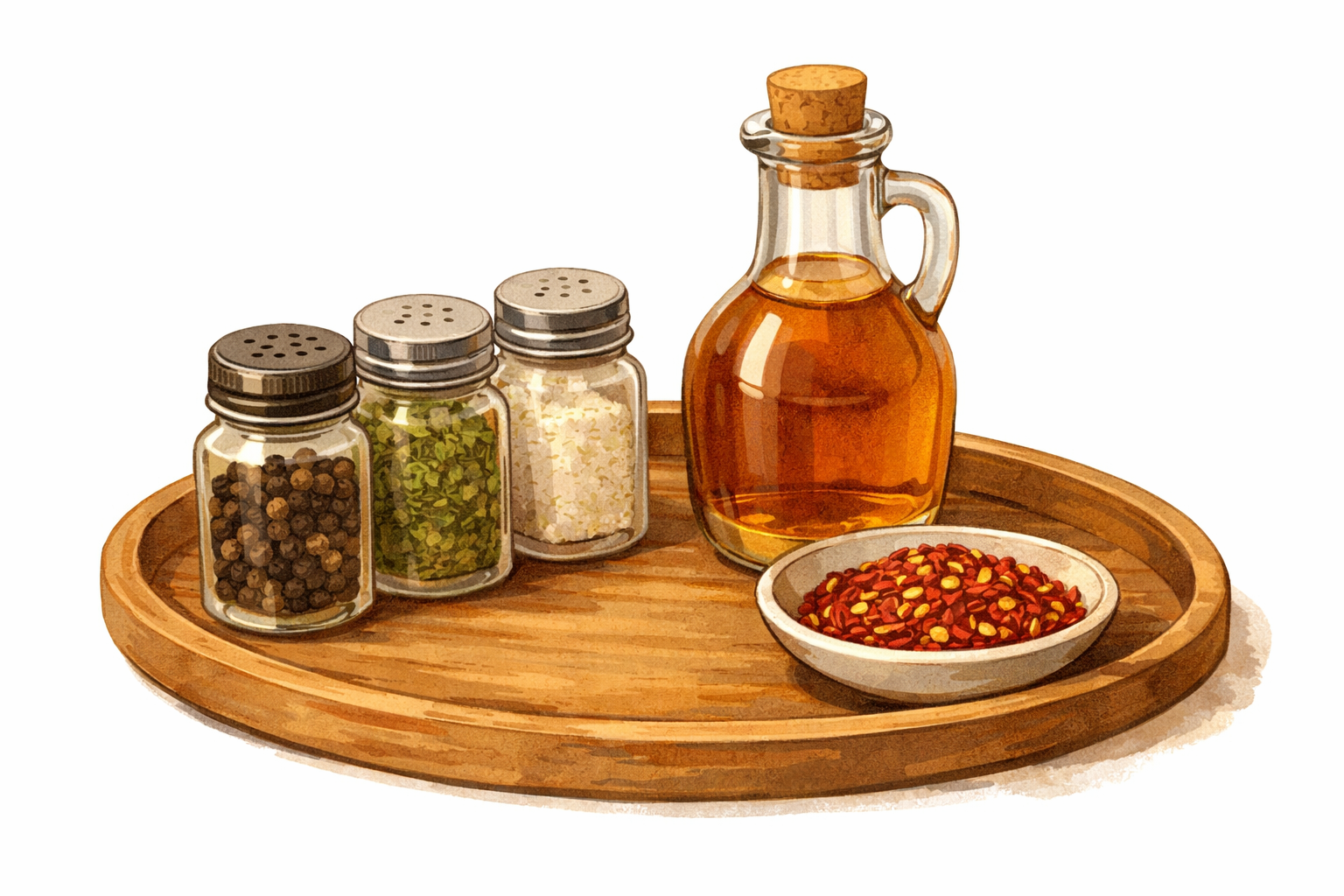
Start with salt, black pepper, garlic or onion powder, chili flakes, cumin or paprika, and a warm spice like cinnamon. Add a vinegar (such as white or apple cider) and a savory sauce like soy sauce for quick flavor boosts.
- 07
Get one reliable cooking oil
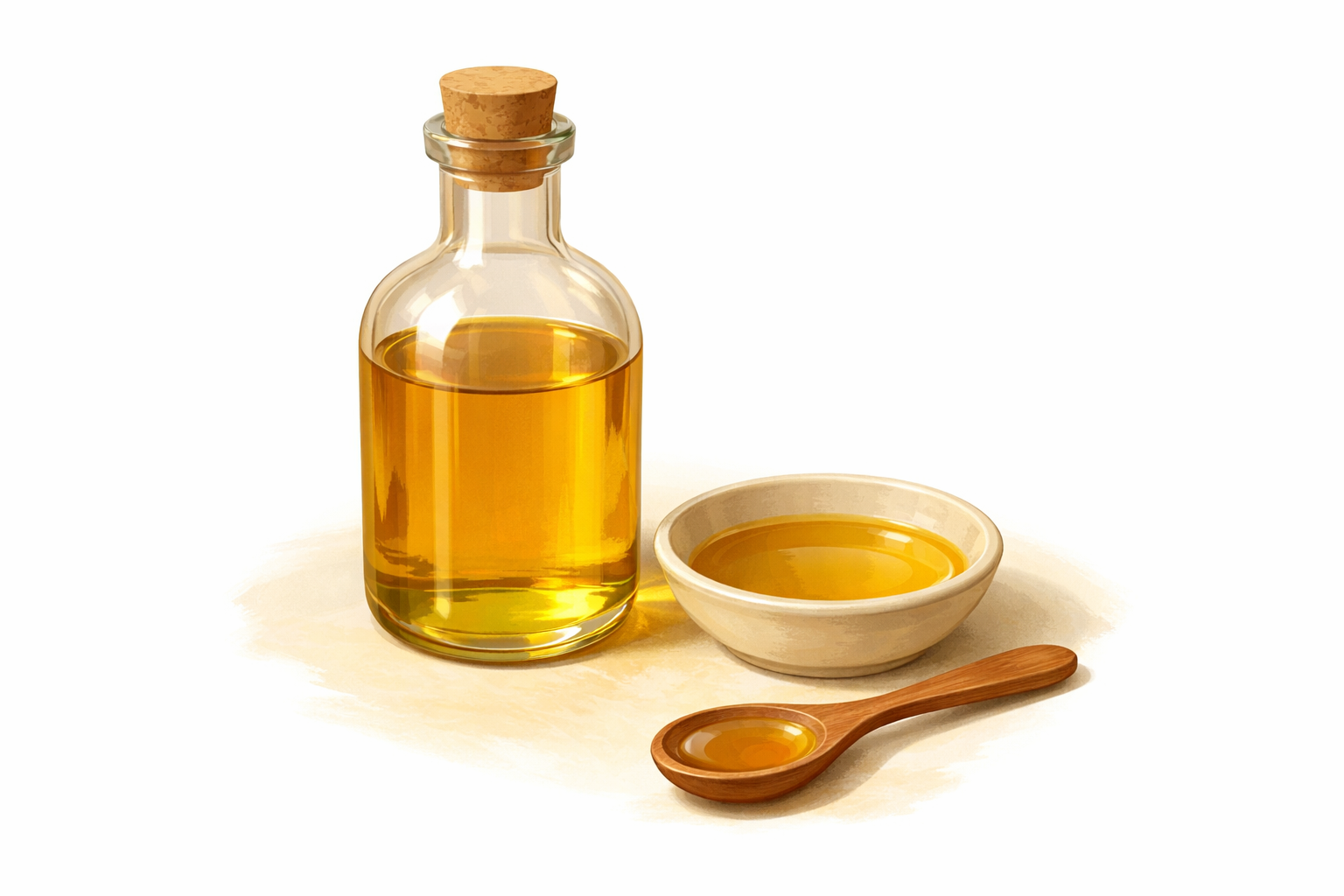
Choose a neutral oil for everyday sautéing and roasting. If budget allows, add a small bottle of a more flavorful oil for dressings or finishing dishes.
- 08
Include simple baking basics
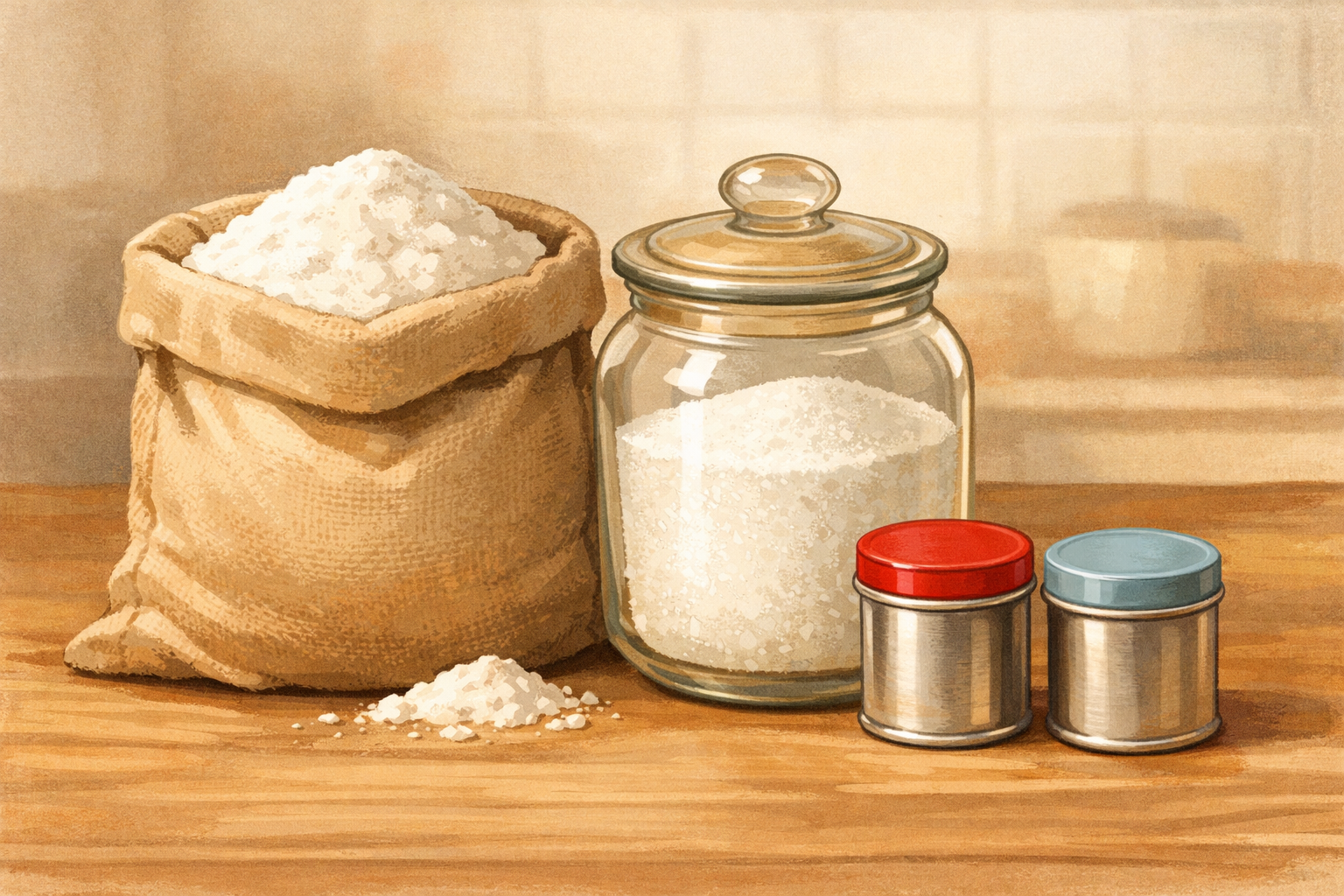
A small bag of all-purpose flour, sugar, baking powder, and baking soda unlock quick breads, pancakes, and easy batters. They also help with thickening and breading.
- 09
Buy a few long-lasting fresh items
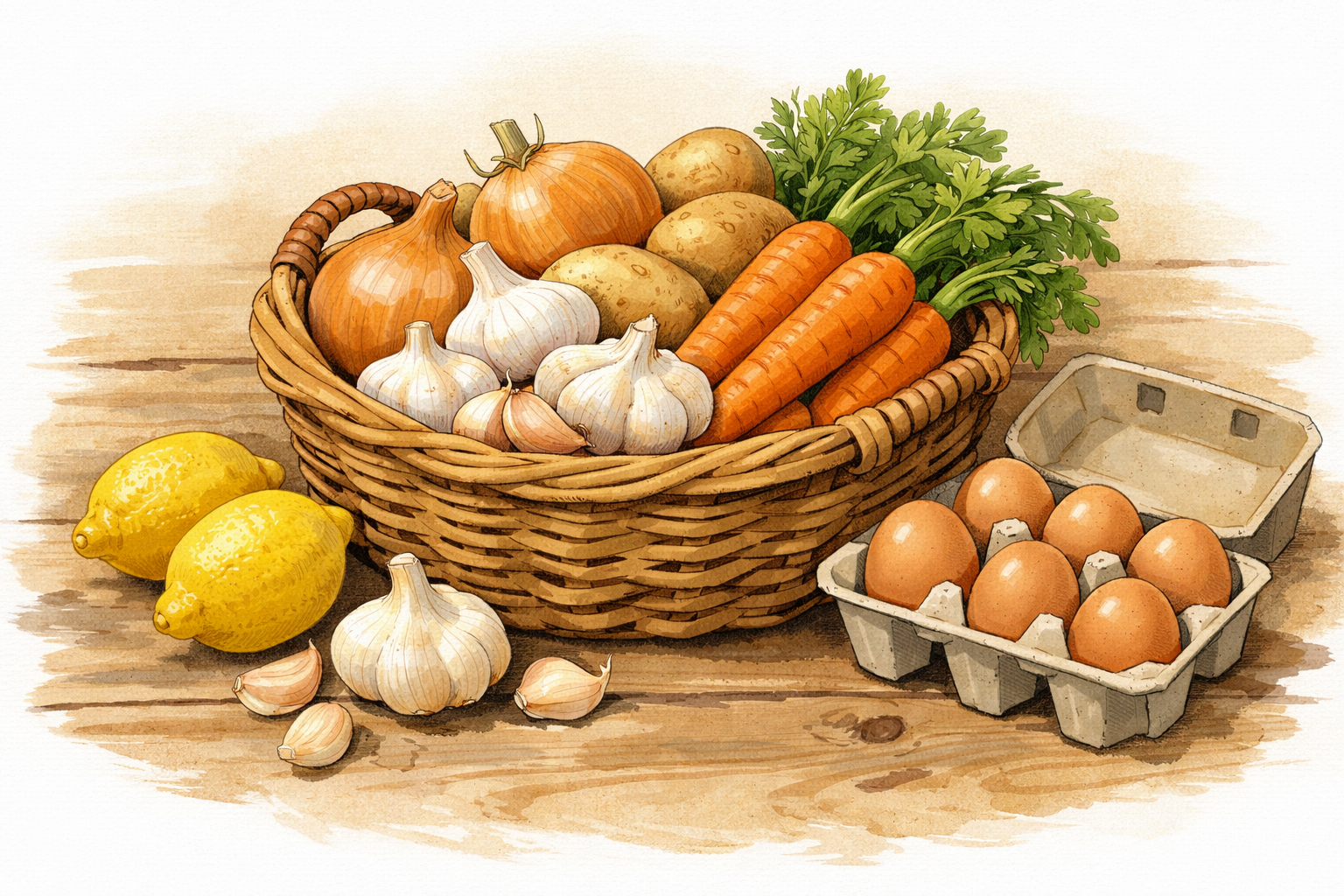
Onions, garlic, potatoes, carrots, and citrus keep well and lift pantry meals. Eggs are a flexible protein if you use them regularly. Store produce in a cool, dry spot or fridge as appropriate.
- 10
Shop smart with a focused list
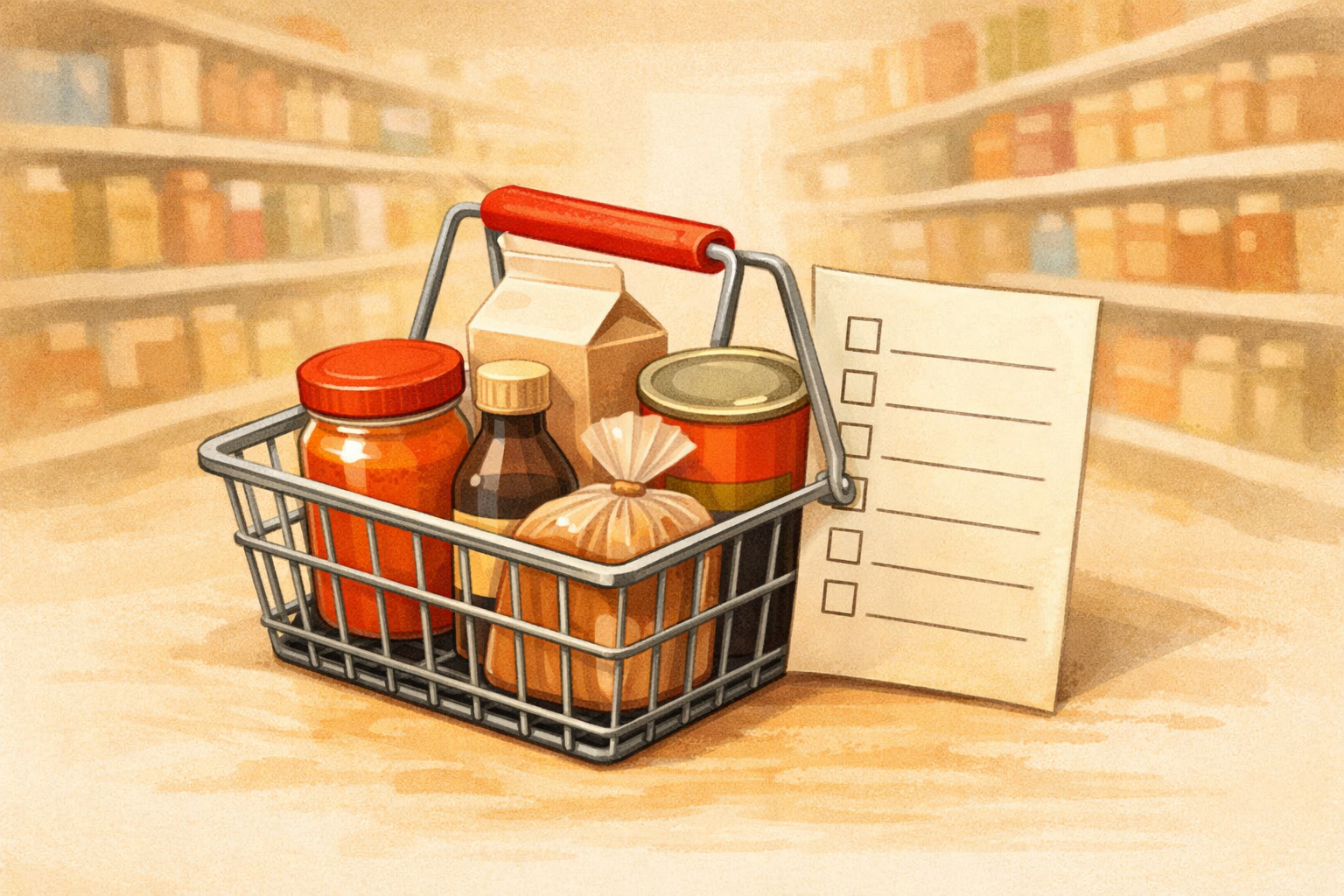
Write a short list from these categories, compare unit prices on the shelf, and consider store brands. Start with smaller packages to learn what you use most before buying larger sizes.
- 11
Store, label, and rotate for freshness
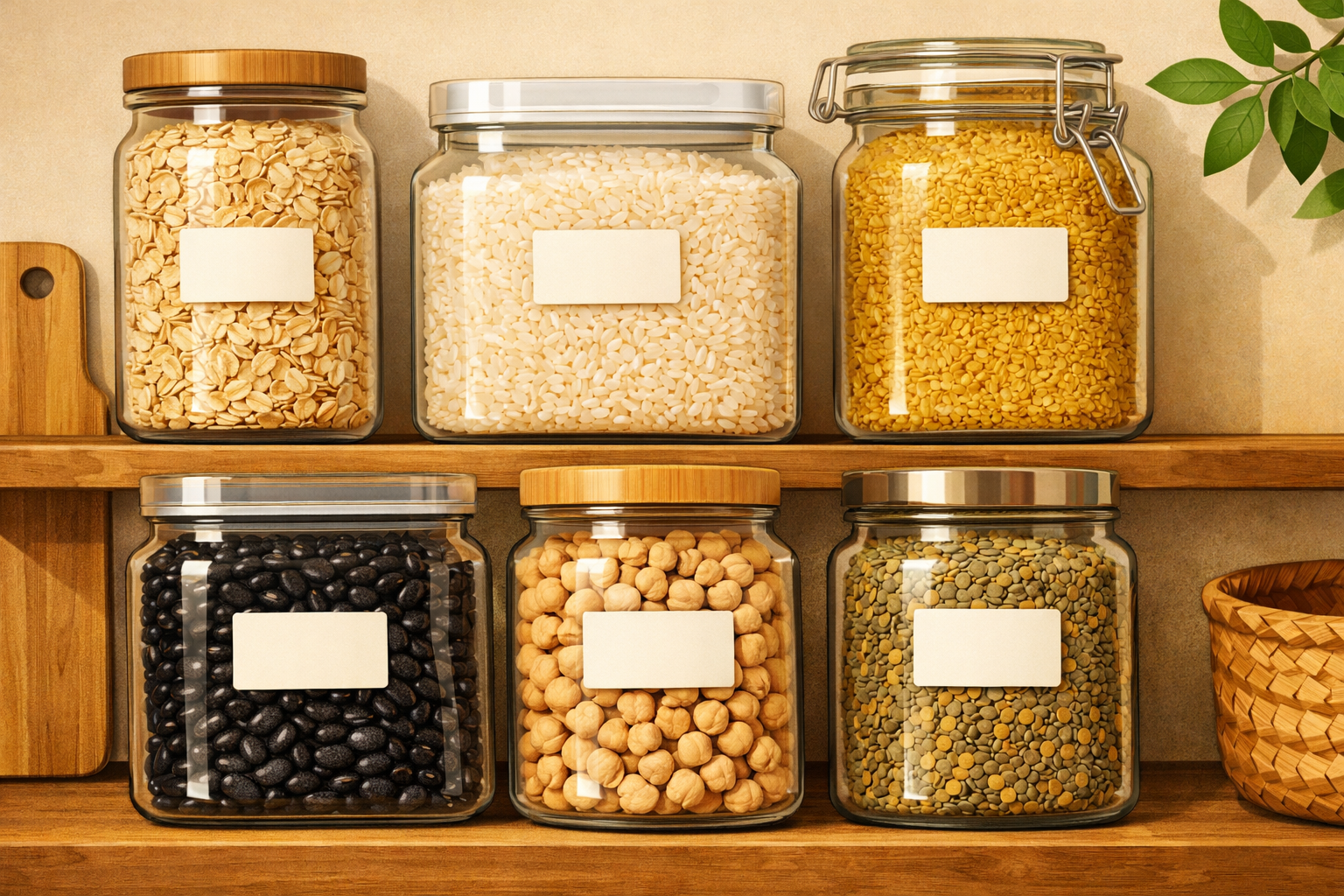
Decant open dry goods into airtight containers if possible, note the purchase date on a piece of tape, and place newer items behind older ones. Keep shelves cool, dry, and crumb-free to discourage pests.
- 12
Plan easy meal templates from your staples
Create go-to combinations like rice + beans + chili flakes, pasta + tomatoes + garlic, oats + fruit + cinnamon, or lentils + broth + carrots + onions. Use your acids and oils to finish and brighten flavors.
If this was useful
Try one of these next

Bike & travel
How to Practice Small‑Talk Phrases Before a Trip
Build short scripts for greetings, ordering, and asking directions, record yourself and repeat, and pack a pocket card with 10 go‑to lines you can say smoothly.
Read the guide
Hobbies & crafts
How to Learn a Song in a New Language (Even If You’re Not Musical)
Choose a slow, clear song, look up the lyrics and mark unknown words, loop the chorus to memorize pronunciation, and sing along softly to lock in sounds and phrases.
Read the guide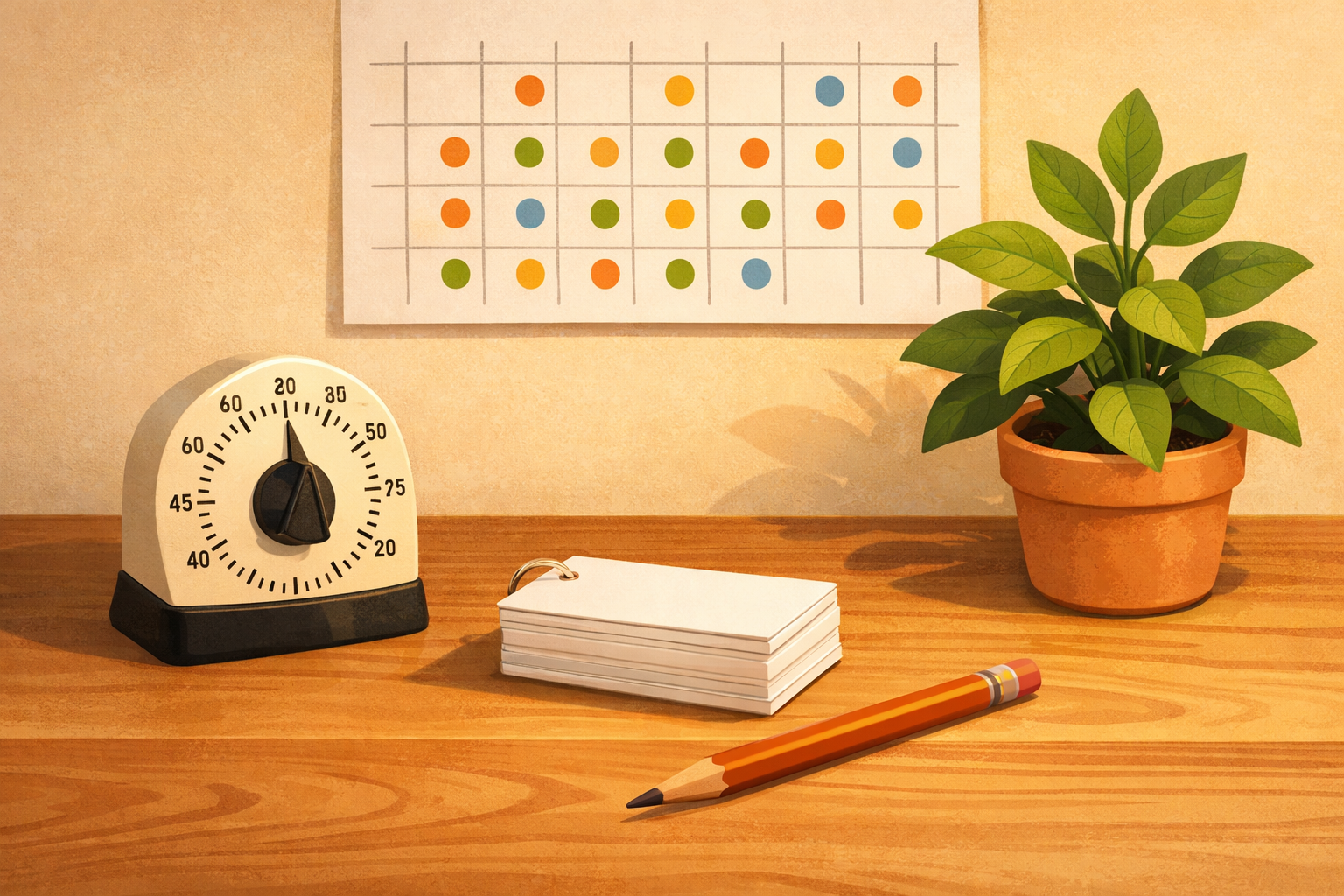
Learning
How to Set Up a 15‑Minute Daily Language Routine You Can Keep
Pick a consistent time, split 15 minutes into review, new words, and quick speaking, and track progress with a simple checklist so you build momentum without burning out.
Read the guide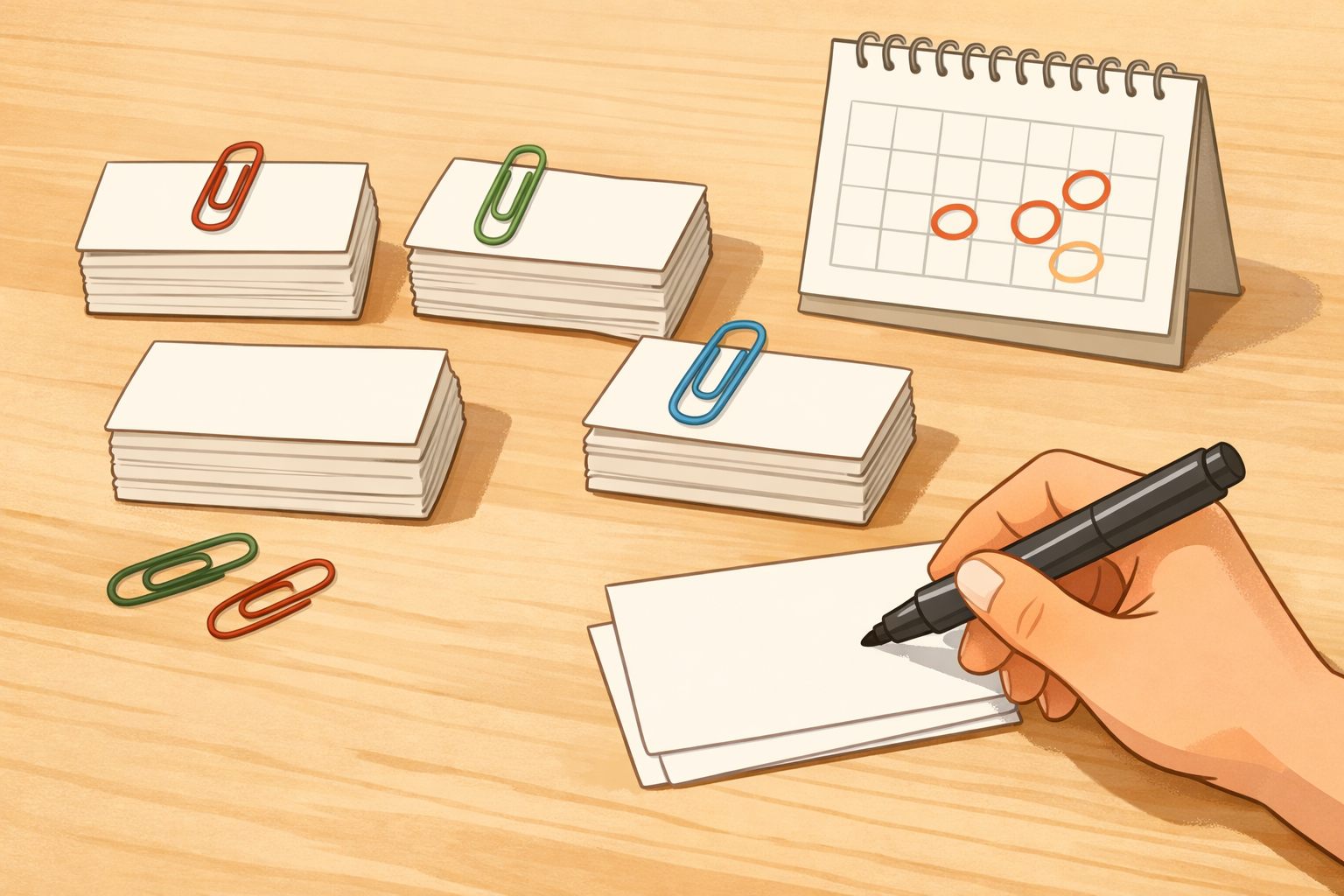
Learning
How to Make DIY Flashcards That Actually Stick
Create clear, one-word-per-card flashcards with a picture or example phrase, sort them into “know,” “review,” and “learn” piles, and revisit them on a simple spaced schedule to make what you study easier to remember.
Read the guide