Food & drink
How to Sauté Vegetables Without Sticking or Burning
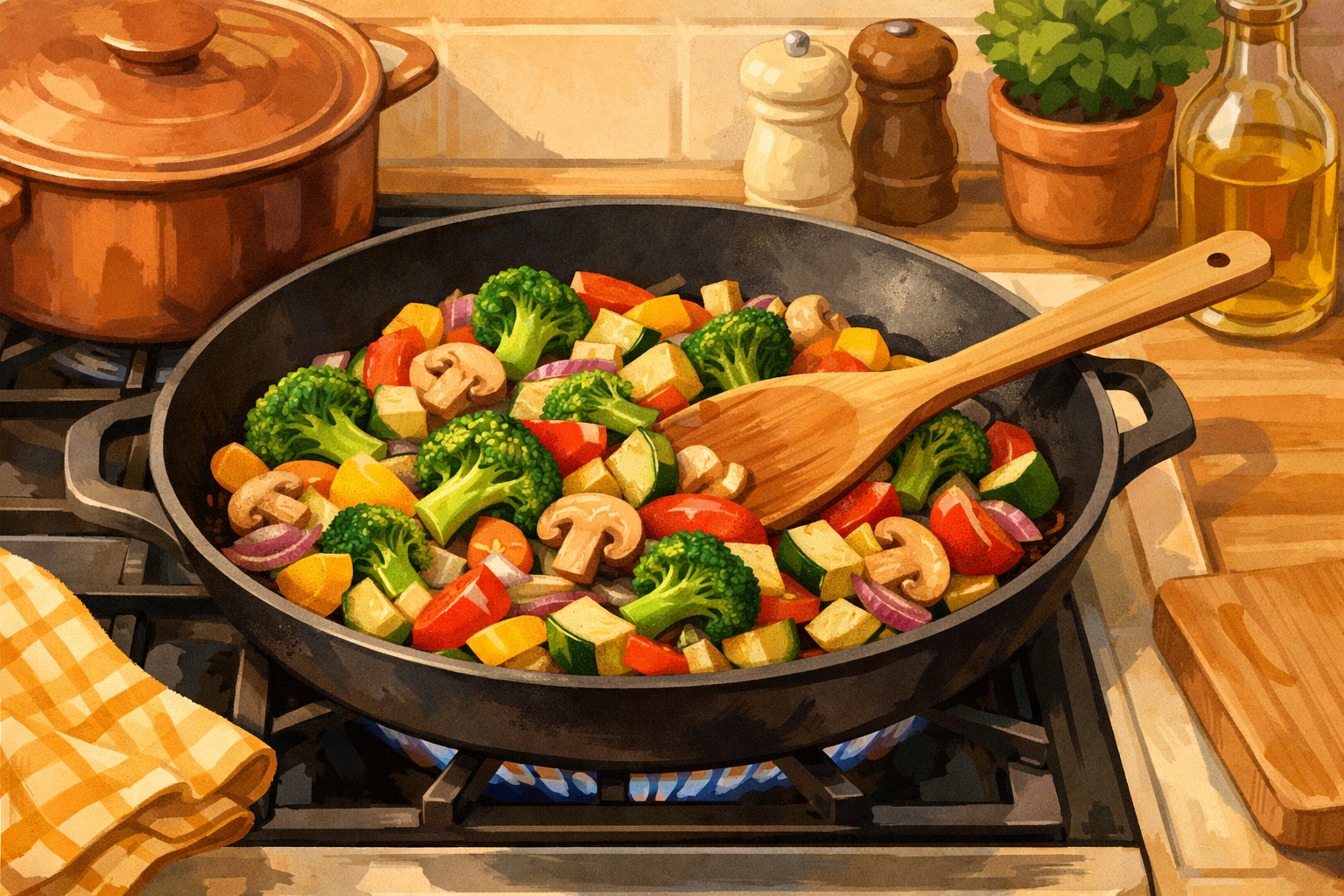
Preheat the pan, add the right amount of oil, and keep food moving so vegetables turn tender and lightly browned.
- 01
Pick a heavy, wide pan
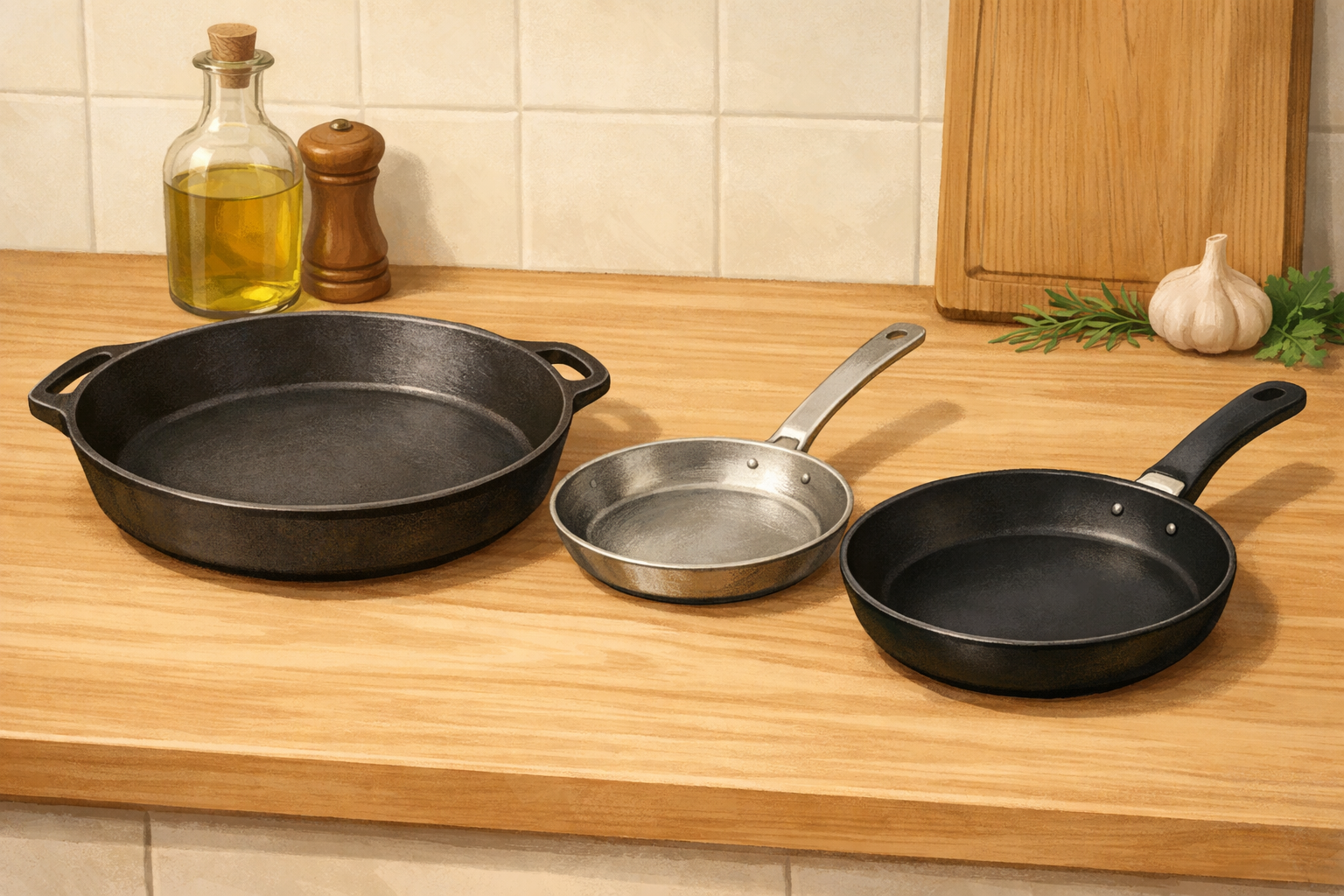
Choose a skillet with a thick, flat base and enough surface area to hold vegetables in a single layer. Heavy pans distribute heat evenly, which helps prevent hot spots that cause sticking or burning. Nonstick requires gentler heat; stainless or carbon steel benefits from thorough preheating.
- 02
Cut evenly and dry the vegetables
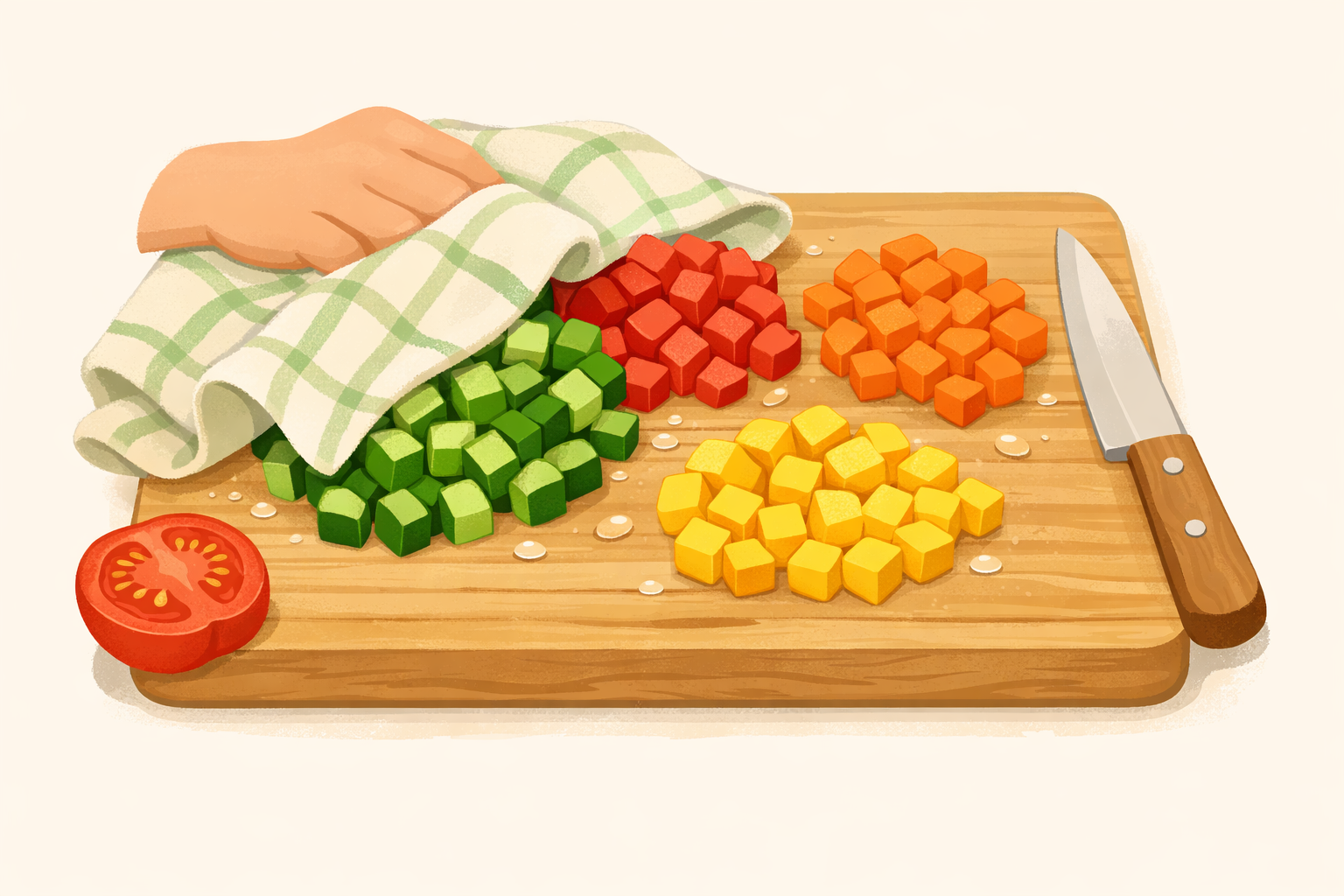
Slice or chop vegetables into similar sizes so they cook at the same rate. Pat them dry with a clean towel to remove surface moisture, which reduces steaming and helps a light sear form instead of sticking.
- 03
Preheat the empty pan on medium heat
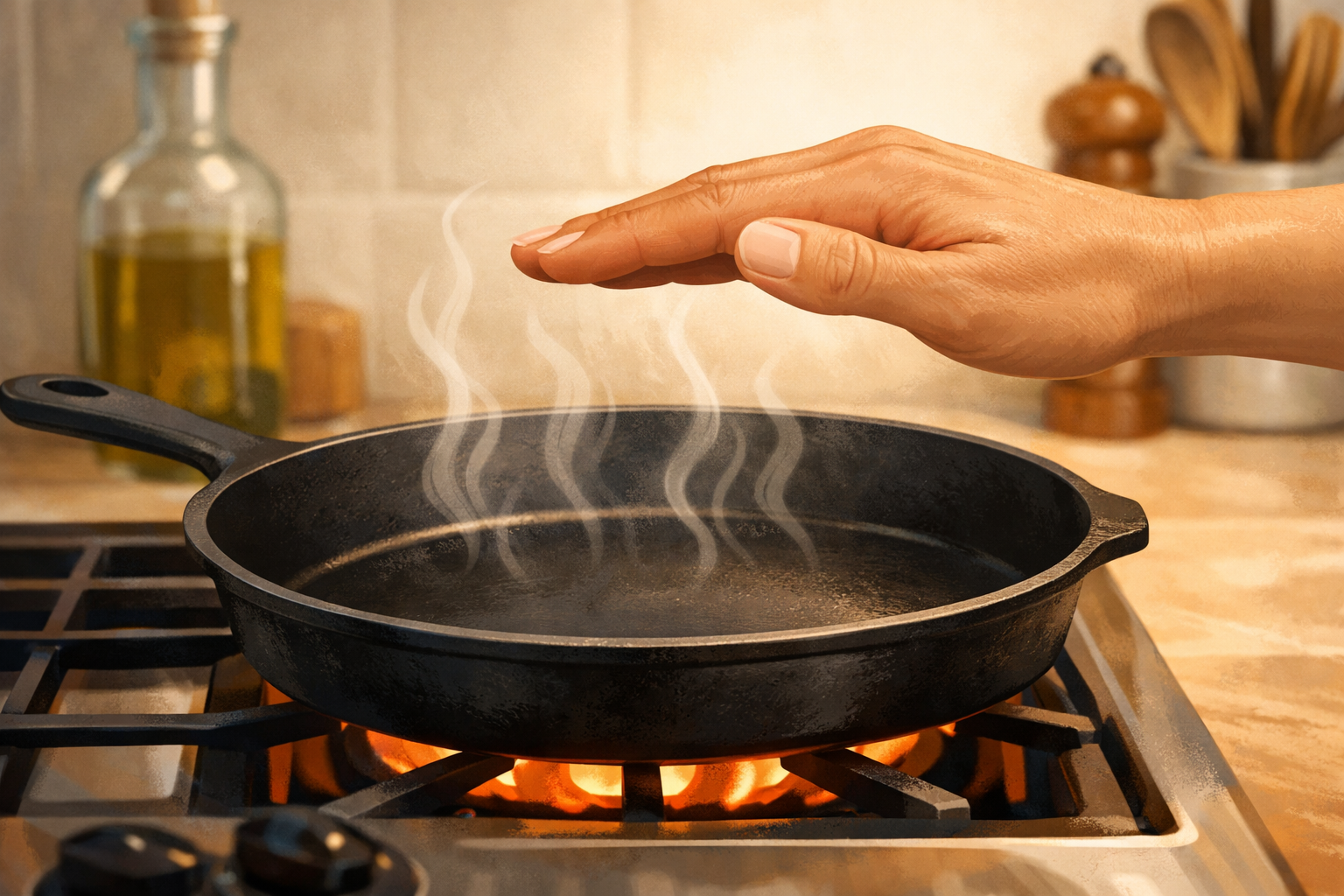
Place the dry pan over medium heat until it feels hot when you hold your hand a few inches above it. A properly warmed pan helps oil spread thinly and encourages vegetables to release instead of cling.
- 04
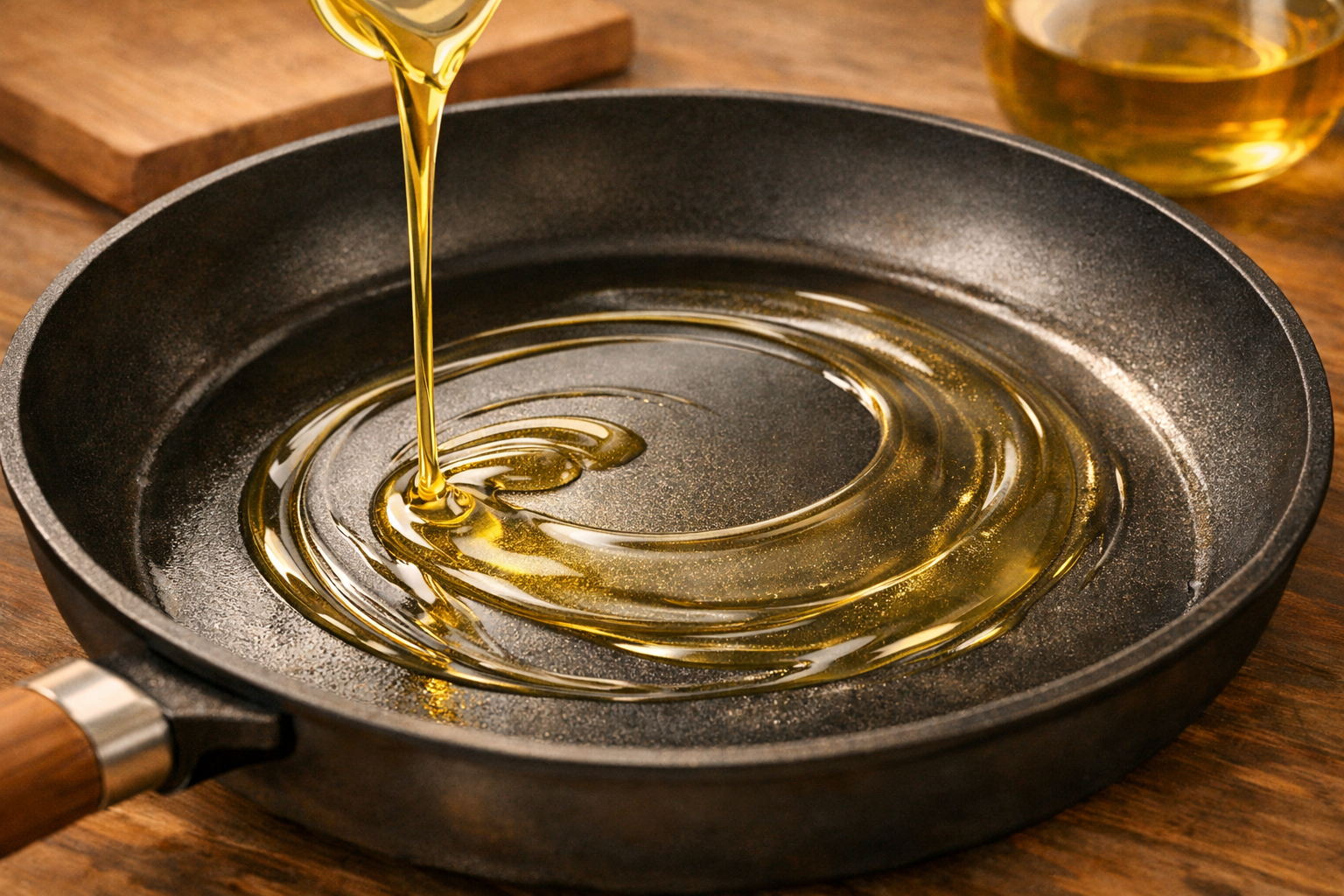
Add a thin, even film of oil
Pour in just enough high-heat cooking oil to lightly coat the bottom, then swirl to cover the surface. Wait until the oil looks fluid and shimmery—this indicates it’s hot enough to start cooking without sticking.
- 05
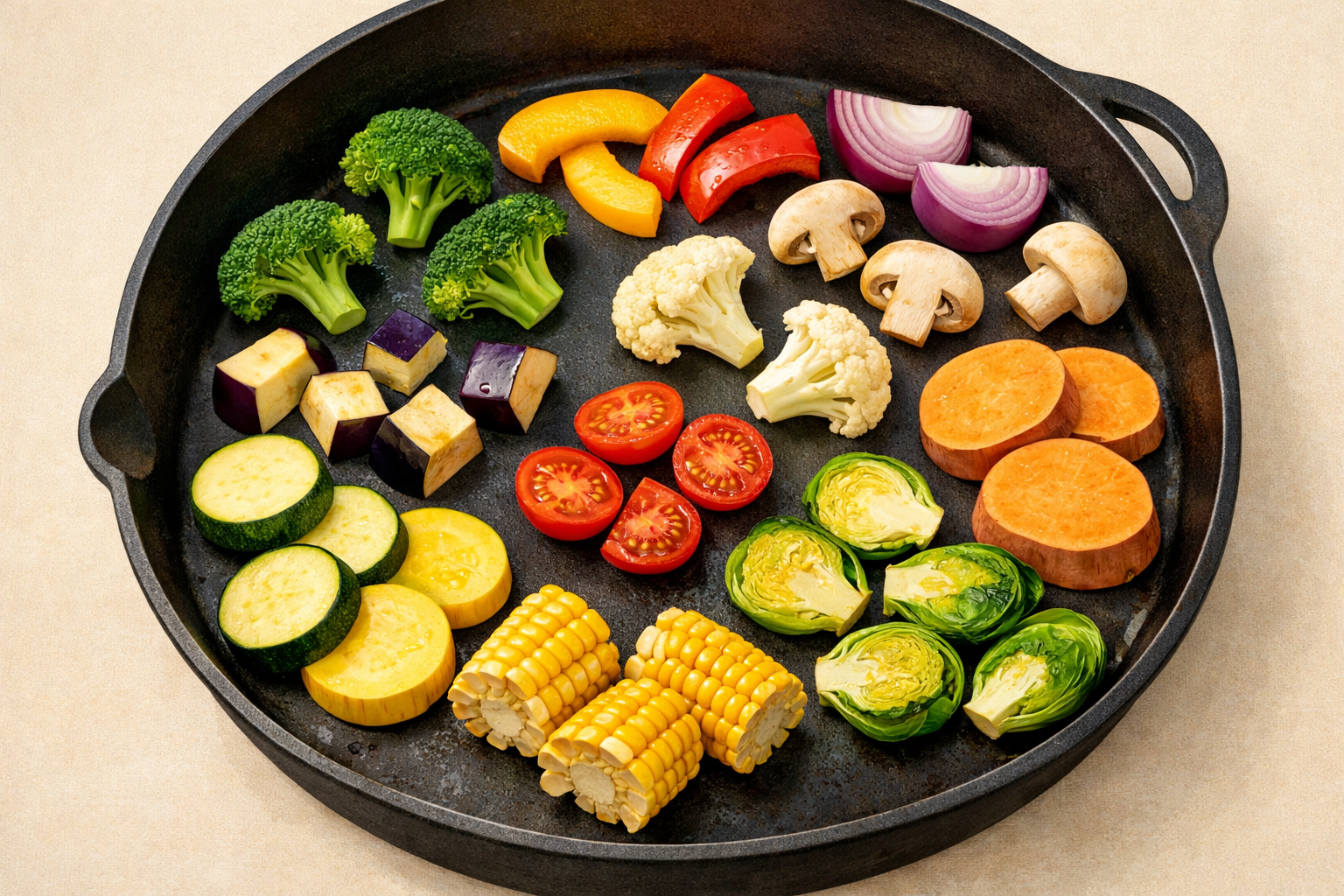
Start with the firm vegetables
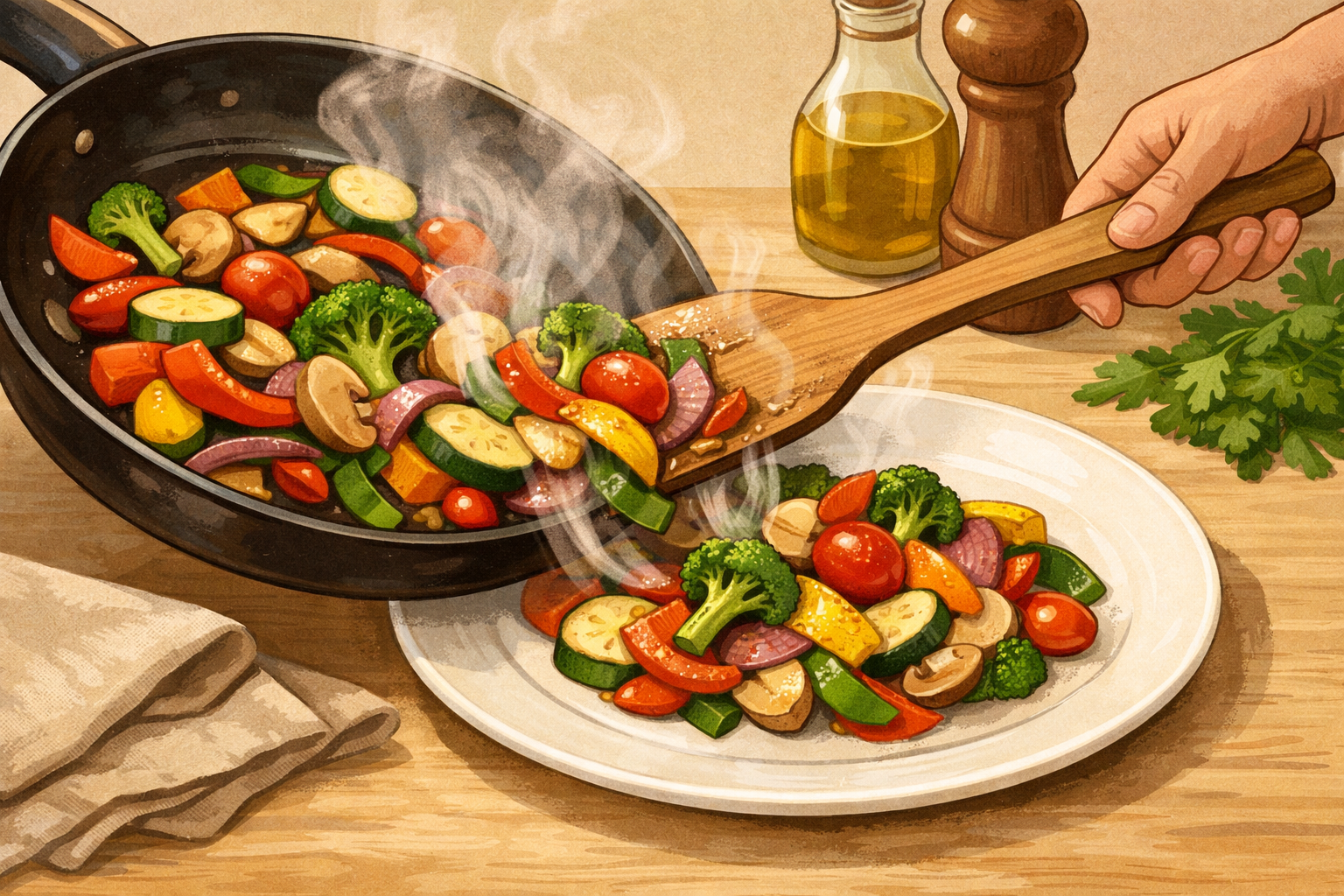
Place denser items—like carrots, onions, bell peppers, or broccoli stems—into the pan first and spread them in a single layer. Let them make direct contact with the surface so a light sear can form before you stir.
- 06
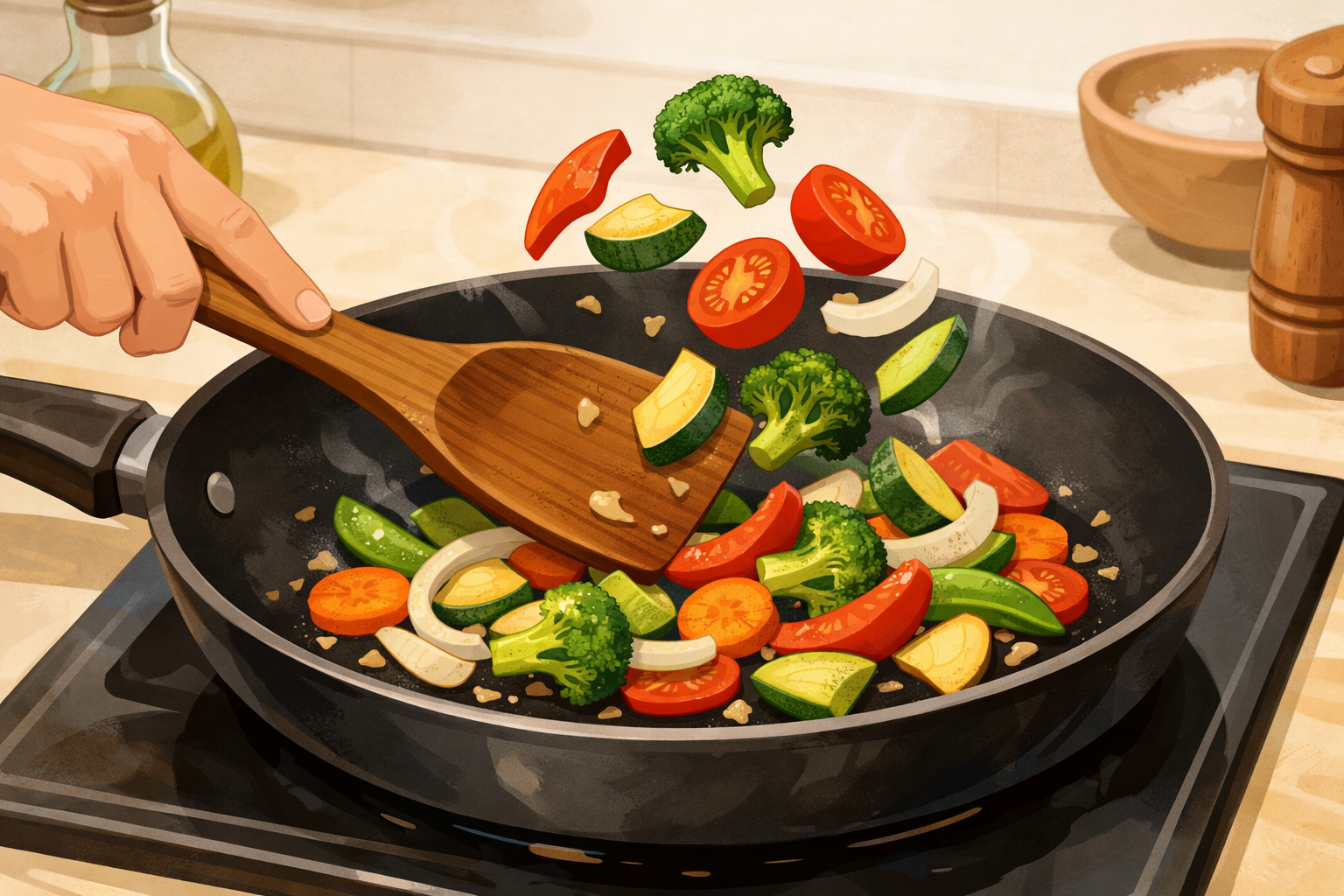
Stir, then pause for contact
Use a spatula to gently toss or stir, then let vegetables rest briefly so new sides touch the pan. Alternating movement with short pauses builds browning without scorching.
- 07
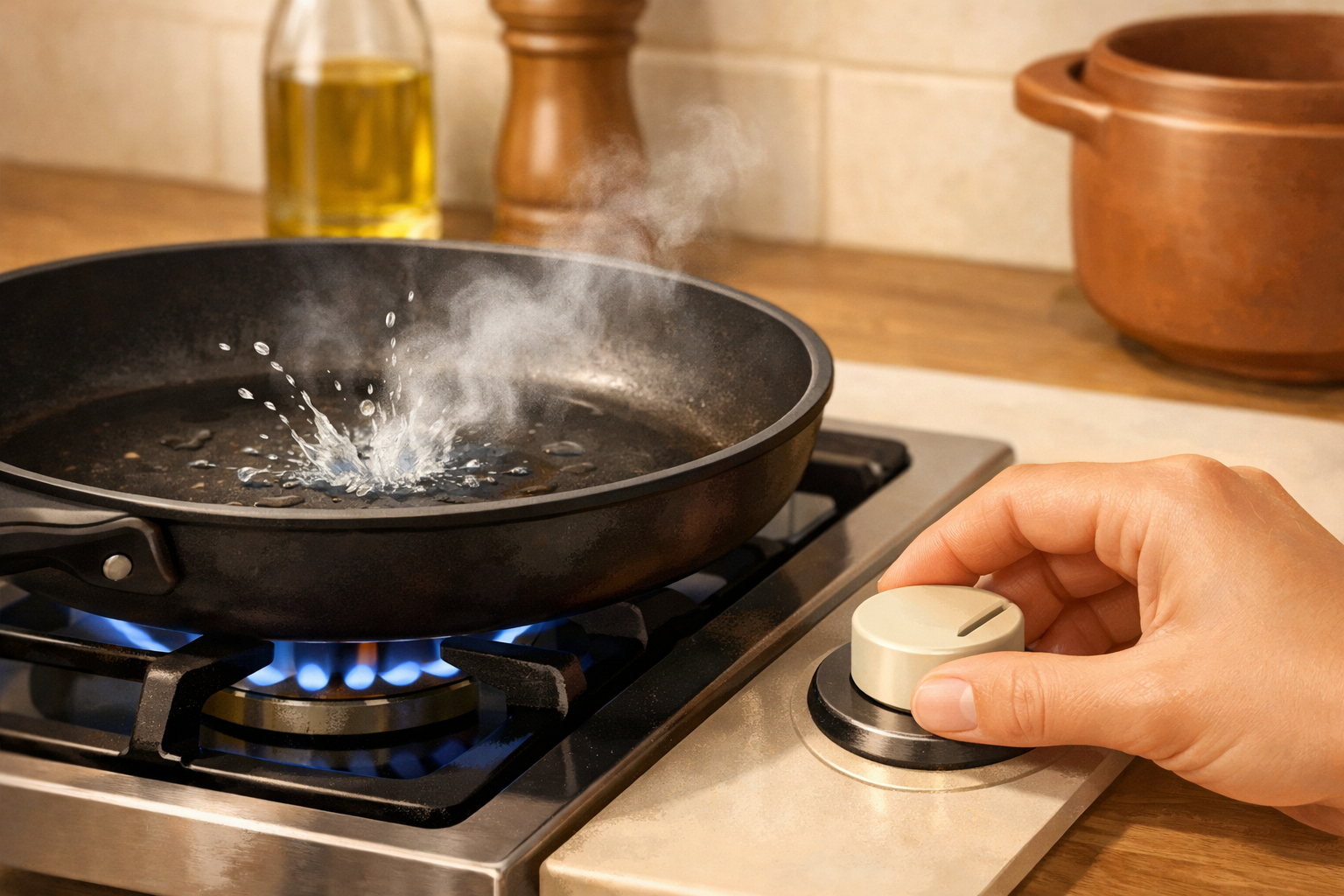
Adjust heat to maintain a gentle sizzle
Listen and watch: you want a steady, lively sizzle with no smoke. If vegetables darken too quickly, lower the heat; if they don’t sizzle, nudge the heat up. A small splash of water can calm hot spots and loosen stuck bits—stand back from rising steam.
- 08
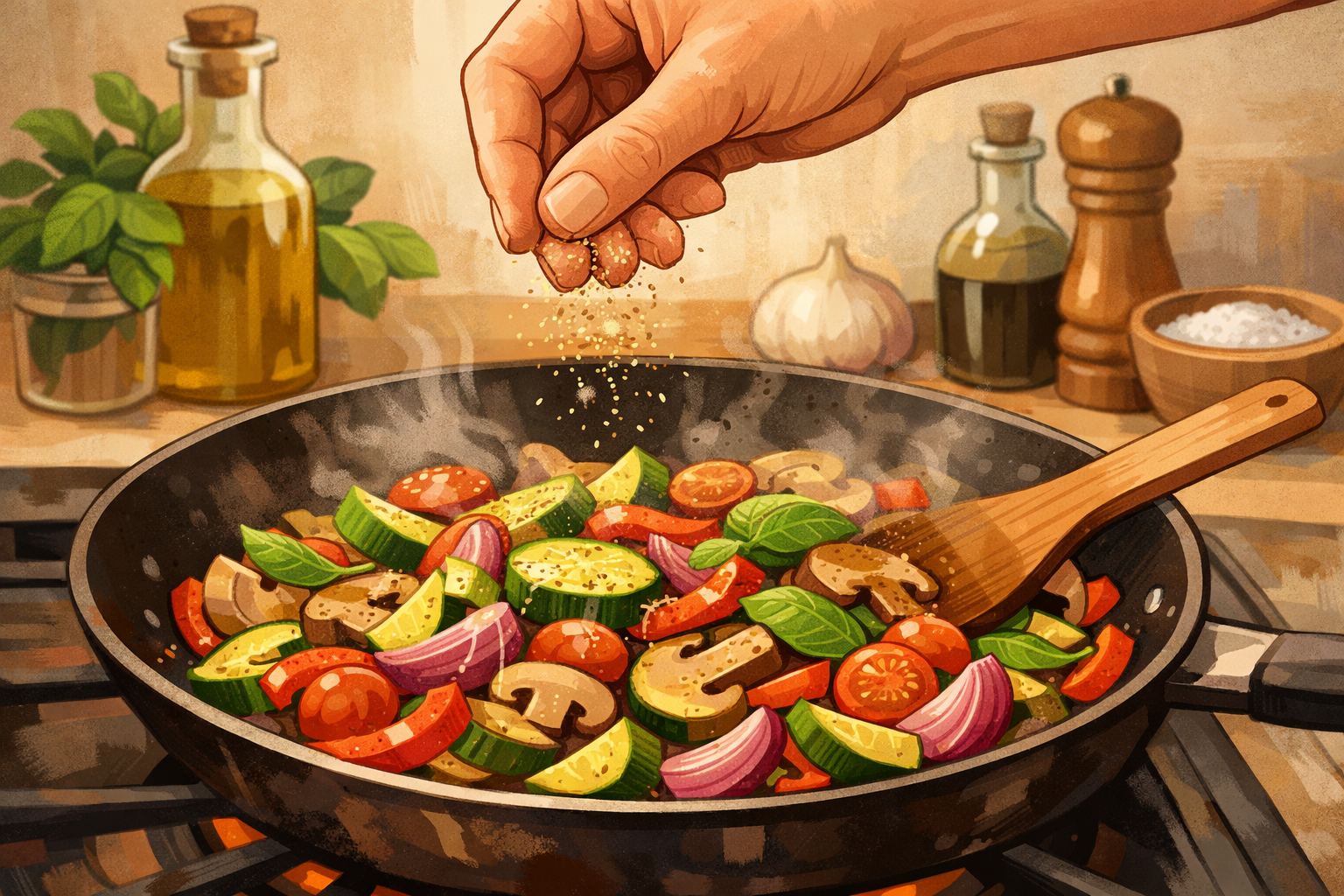
Season lightly mid-cook
Sprinkle a little salt and pepper once the first hints of browning appear. Light seasoning at this stage boosts flavor without drawing out so much moisture that vegetables steam and stick.
- 09
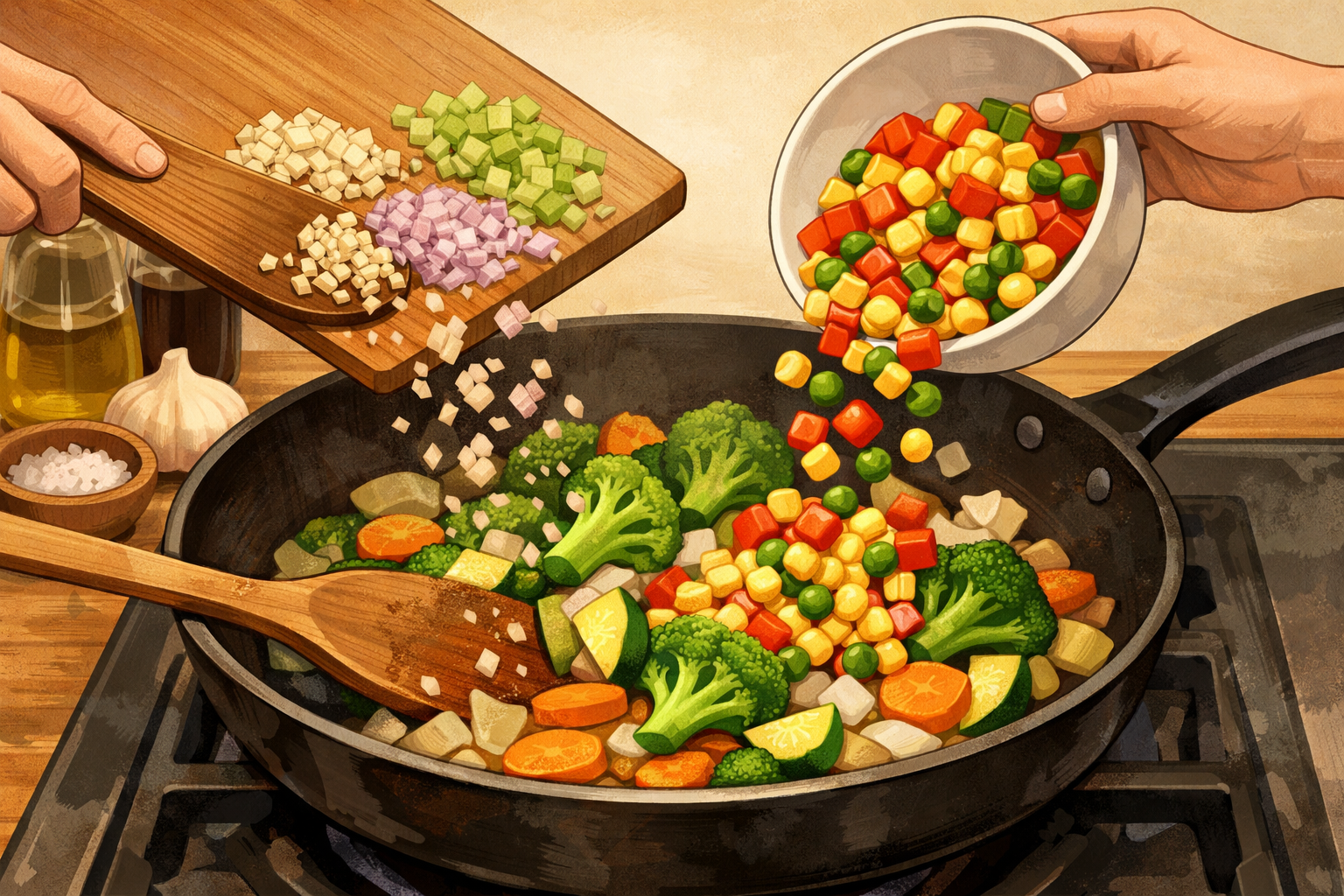
Add tender vegetables and aromatics later
Stir in quick-cooking items—such as zucchini, mushrooms, peas, spinach, or thin asparagus—after firm vegetables have started to soften. Add minced garlic or delicate herbs near the end so they perfume the dish without burning.
- 10
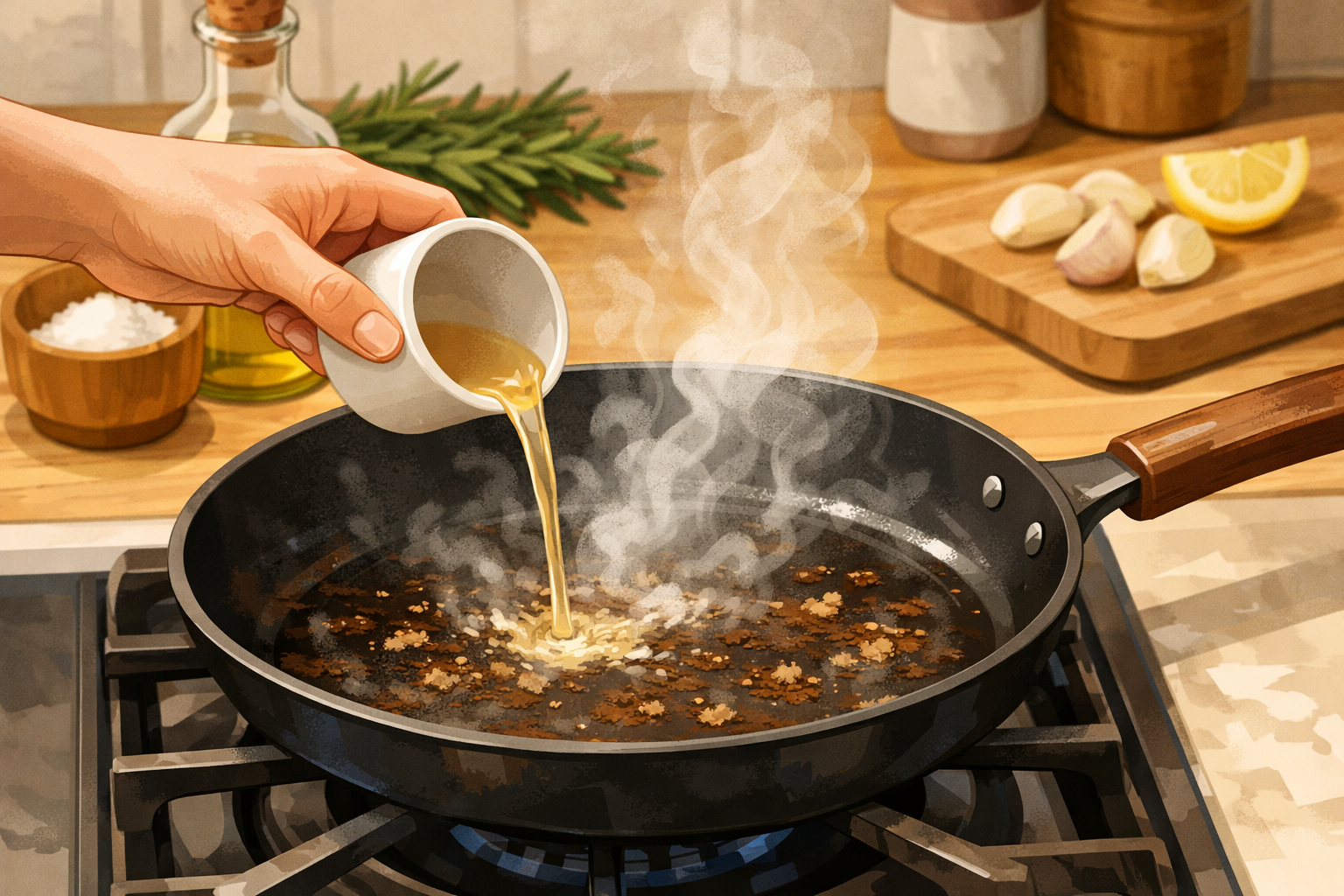
Loosen and boost flavor with a quick splash
If browned bits stick, add a small splash of water, stock, or lemon juice and stir to release them. This lifts flavor from the pan and helps coat vegetables without overcooking.
- 11
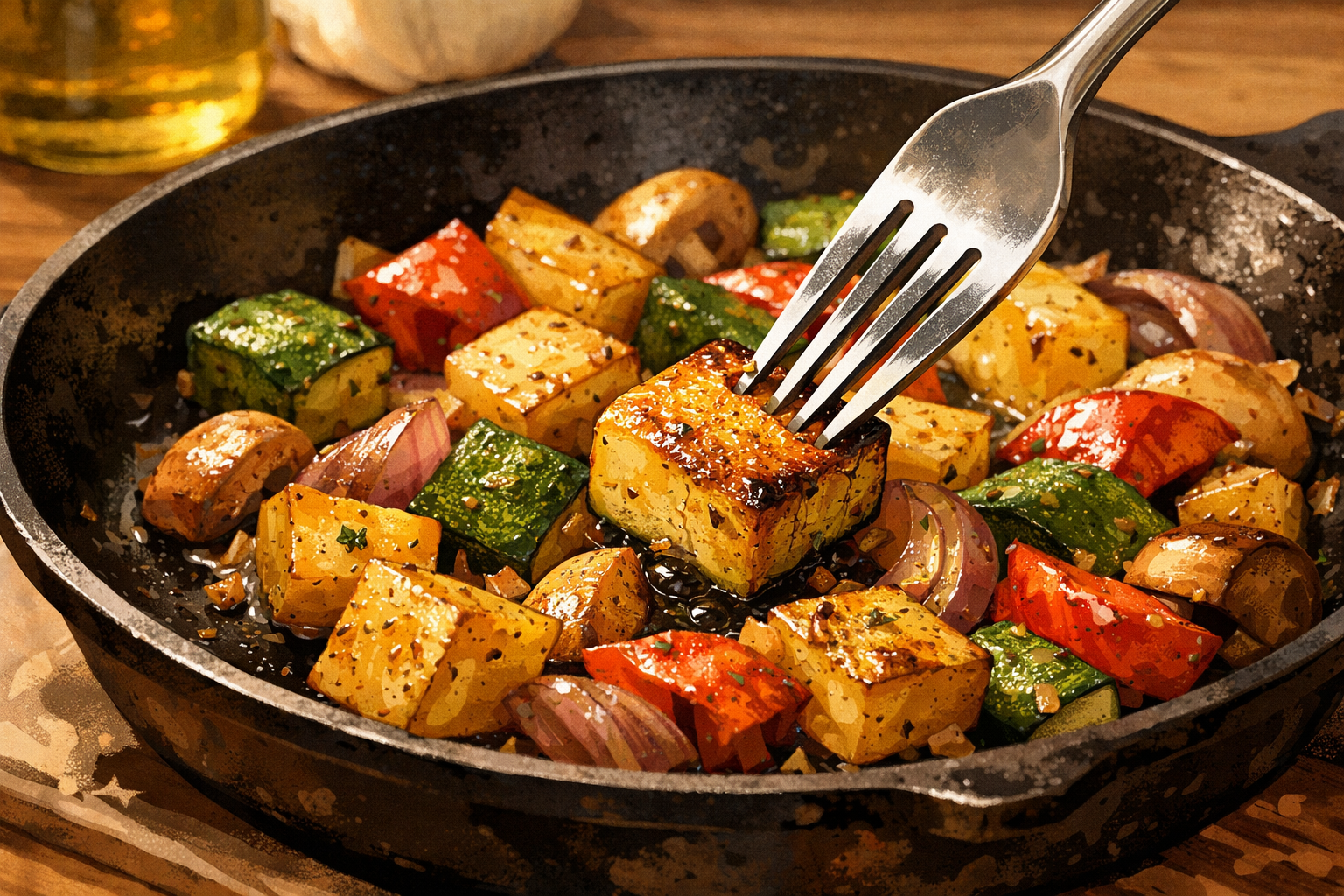
Stop at tender-crisp with golden edges
Check doneness by piercing a piece with the tip of a knife; it should be tender with a little resistance and light browning. Remove the pan from heat as soon as it looks right—carryover heat will finish the last bit of cooking.
- 12
Finish and serve promptly
Taste and adjust salt, pepper, and a drizzle of oil or squeeze of citrus if you like. Transfer vegetables to a warm plate so they don’t overcook in the hot pan, and serve while the surfaces are still slightly crisp.
If this was useful
Try one of these next

Bike & travel
How to Practice Small‑Talk Phrases Before a Trip
Build short scripts for greetings, ordering, and asking directions, record yourself and repeat, and pack a pocket card with 10 go‑to lines you can say smoothly.
Read the guide
Hobbies & crafts
How to Learn a Song in a New Language (Even If You’re Not Musical)
Choose a slow, clear song, look up the lyrics and mark unknown words, loop the chorus to memorize pronunciation, and sing along softly to lock in sounds and phrases.
Read the guide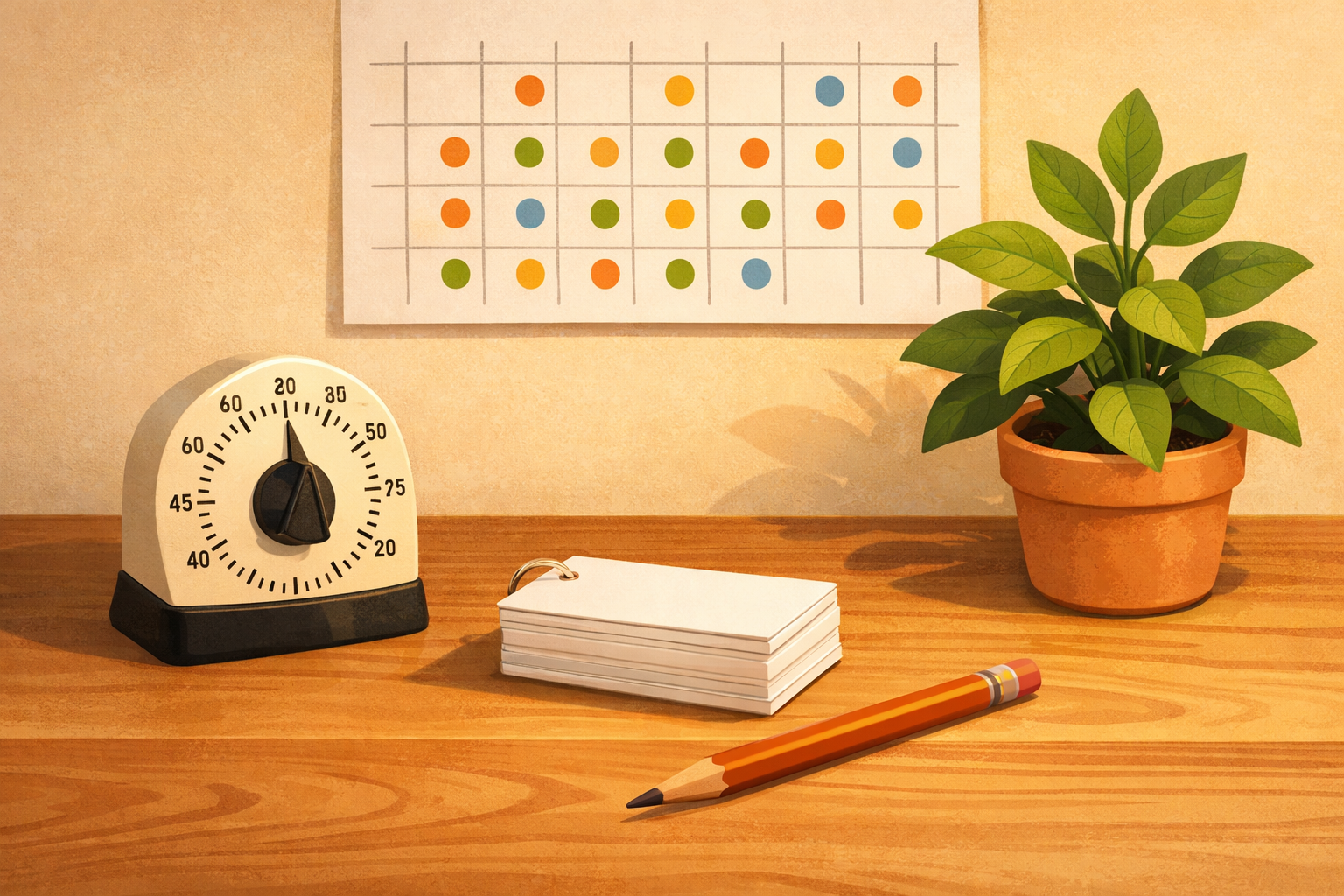
Learning
How to Set Up a 15‑Minute Daily Language Routine You Can Keep
Pick a consistent time, split 15 minutes into review, new words, and quick speaking, and track progress with a simple checklist so you build momentum without burning out.
Read the guide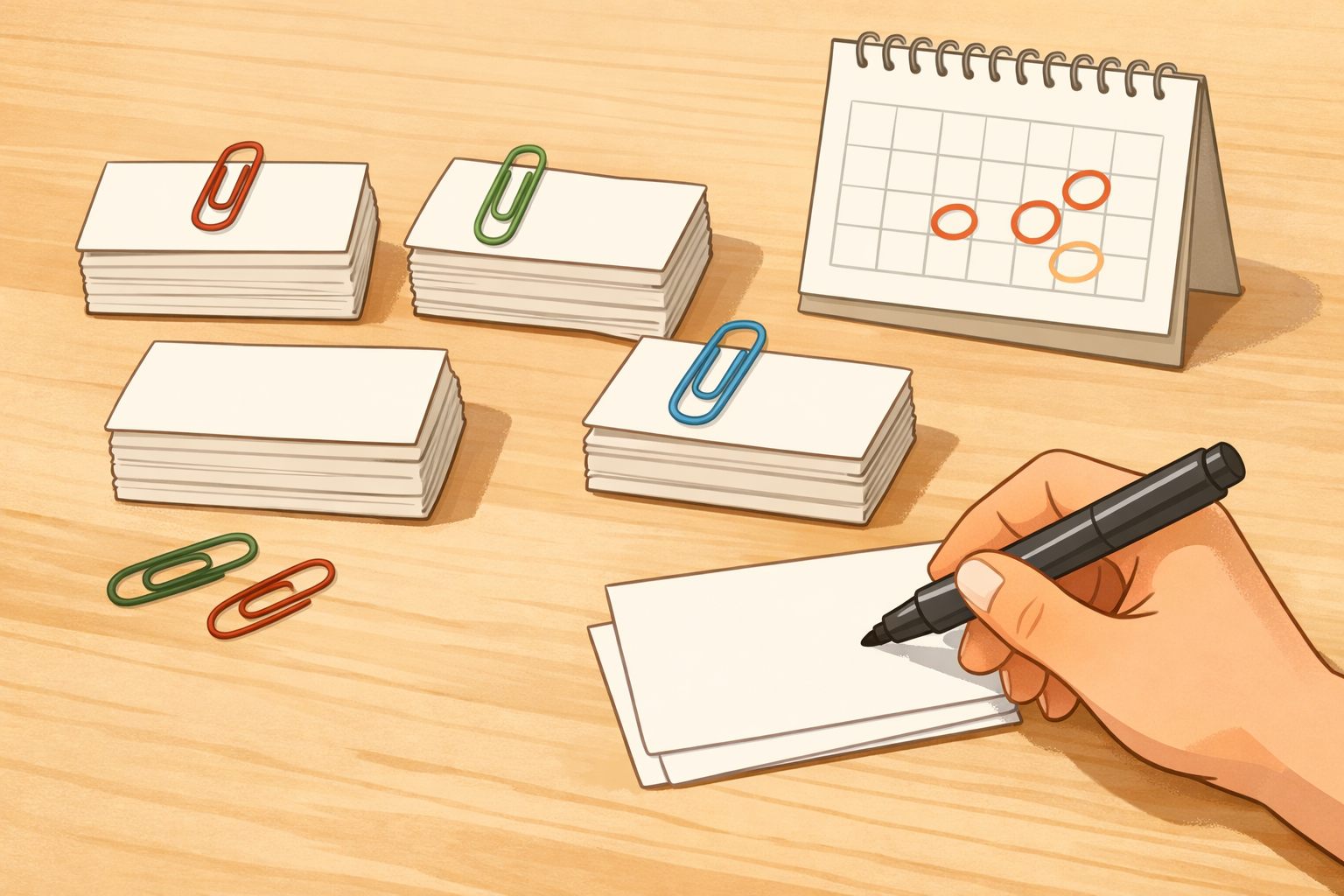
Learning
How to Make DIY Flashcards That Actually Stick
Create clear, one-word-per-card flashcards with a picture or example phrase, sort them into “know,” “review,” and “learn” piles, and revisit them on a simple spaced schedule to make what you study easier to remember.
Read the guide