Bike & travel
How to Plan a Weekend City Walk in Your Target Language
Map a simple route, learn must‑know direction words and signs, write a mini-itinerary in the target language, and practice asking for help with two short phrases.
- 01
Choose a small, walkable area
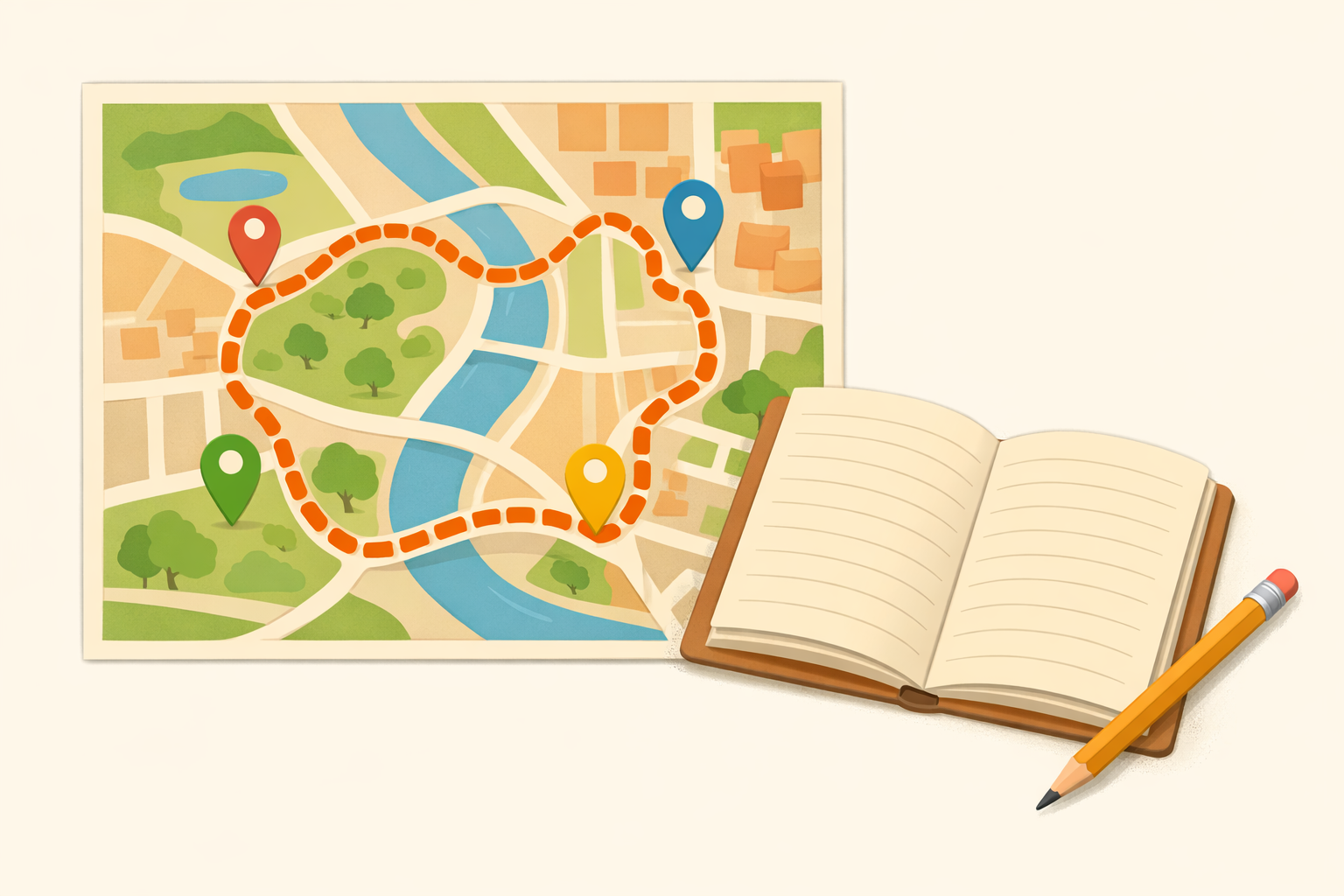
Pick one compact neighborhood or district you can cross on foot in an hour or two. Give your walk a simple theme (parks, markets, waterfront, historic streets). Aim for daylight hours and places with sidewalks and clear signage. Jot down your start and end points.

- 02
Sketch a loop with 3–5 stops
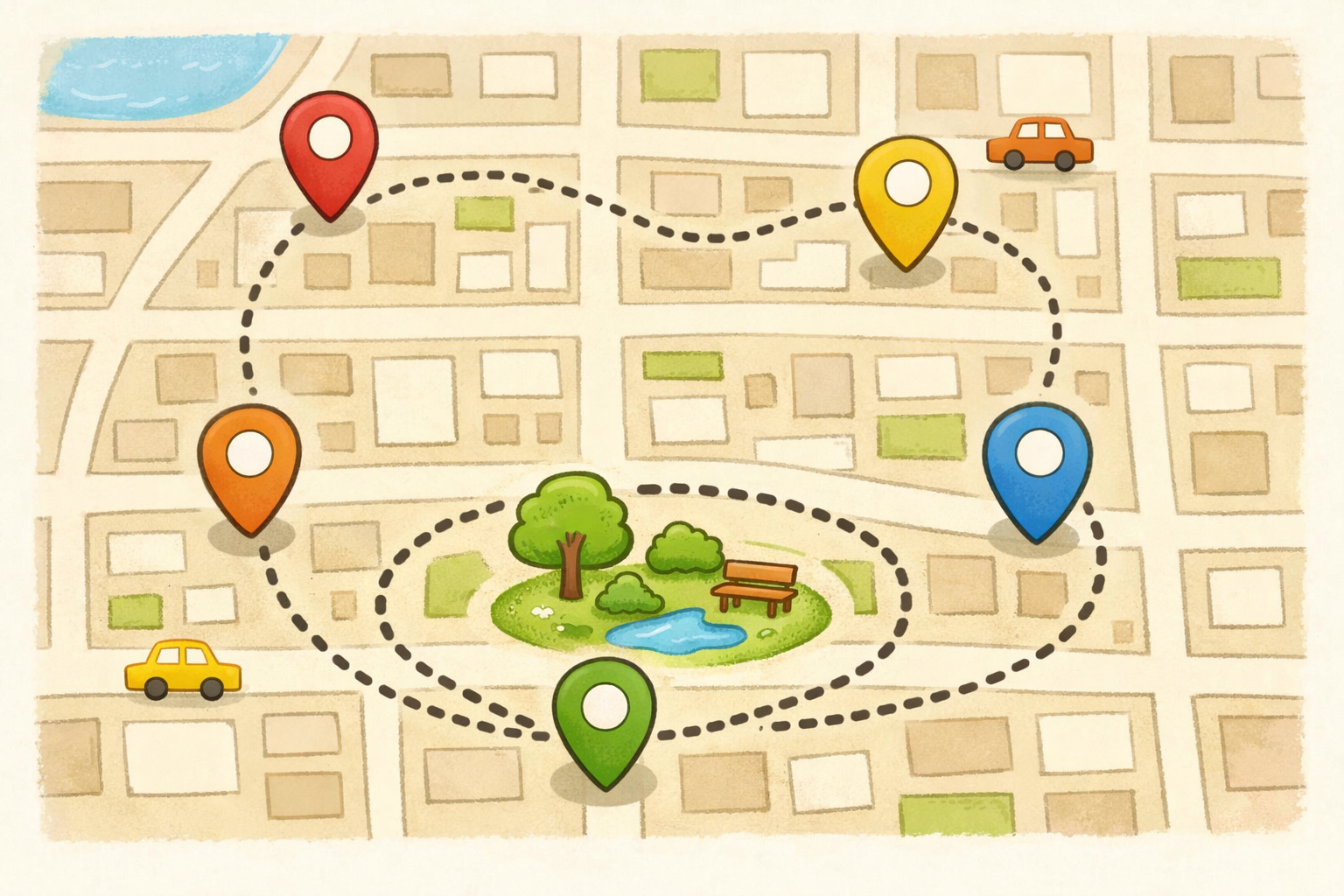
Open a map and mark three to five sights that naturally form a loop back to your start. Favor wide streets and obvious landmarks to reduce confusion. Note an optional café or bench as a rest point. Keep total distance comfortable for a relaxed weekend pace.
- 03
List must‑know direction words
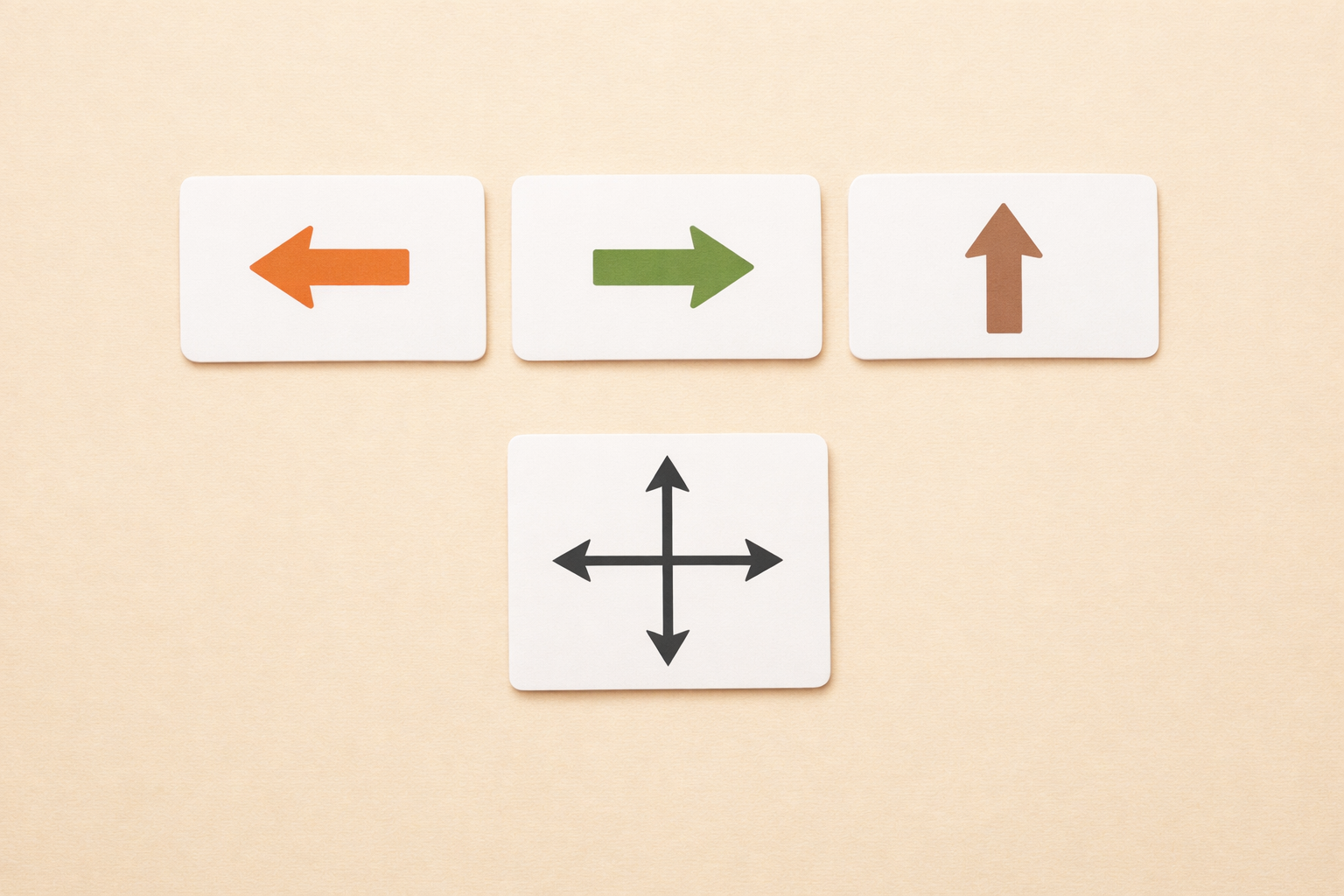
Create a short list to translate: left, right, straight, turn, near, far, next to, across, intersection, block, north, south, east, west. Look them up in your target language and write them on small cards with your own pronunciation notes. Keep the list tight so you’ll use it.
- 04
Learn common wayfinding signs
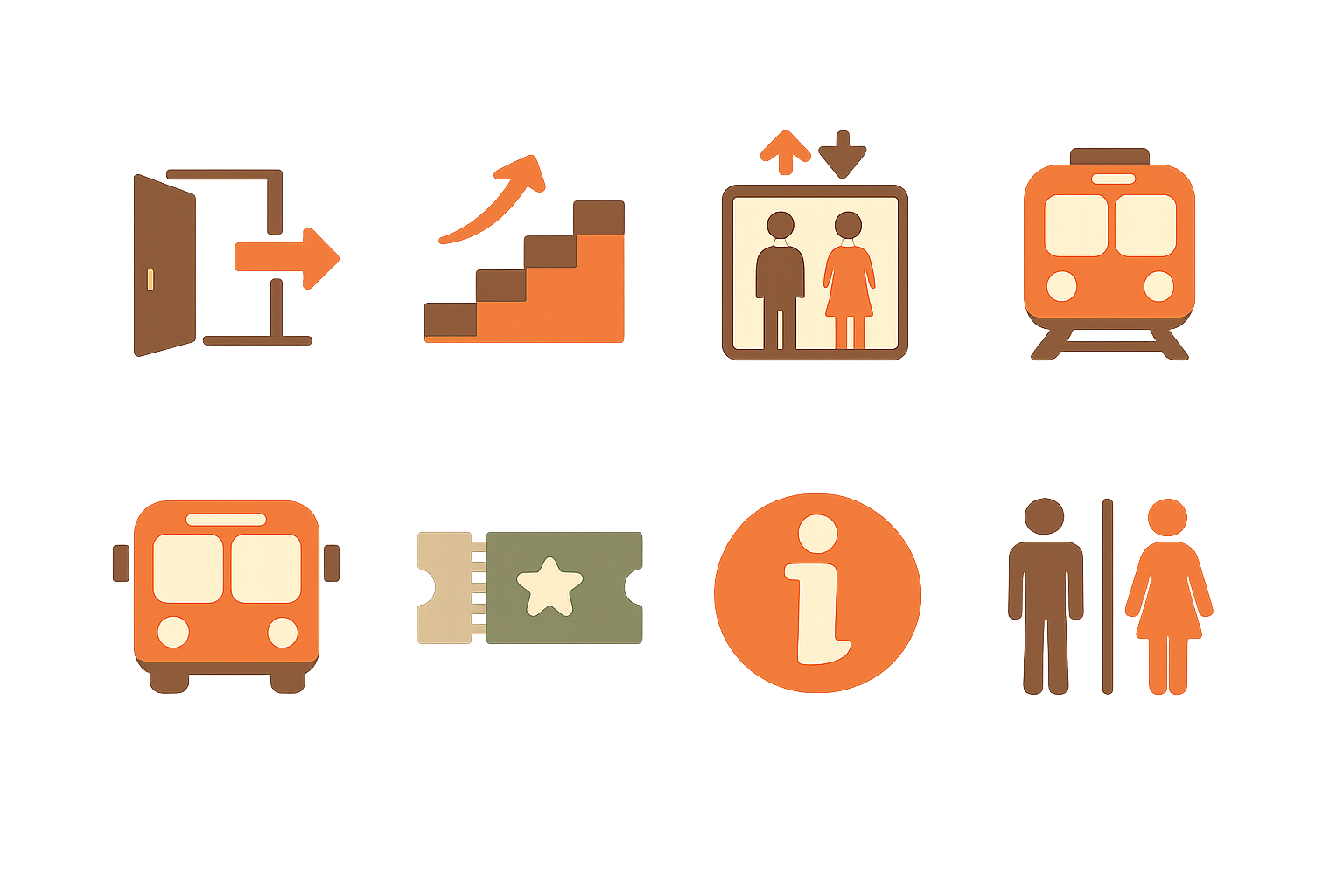
Identify signs you’ll likely see: entrance, exit, stairs, elevator, metro/train, bus, ticket, information, restroom, open/closed. Sketch the icons or save offline images so you can recognize them quickly in the street. Add one or two local traffic or pedestrian signs you often encounter.
- 05
Assemble a tiny phrase kit
Write down polite starters and simple asks to translate: please, thank you, excuse me, where is…?, how far is…?, is this the way to…? Add a line for “I’m learning [language].” Keep each phrase on its own card for quick flipping during the walk.

- 06
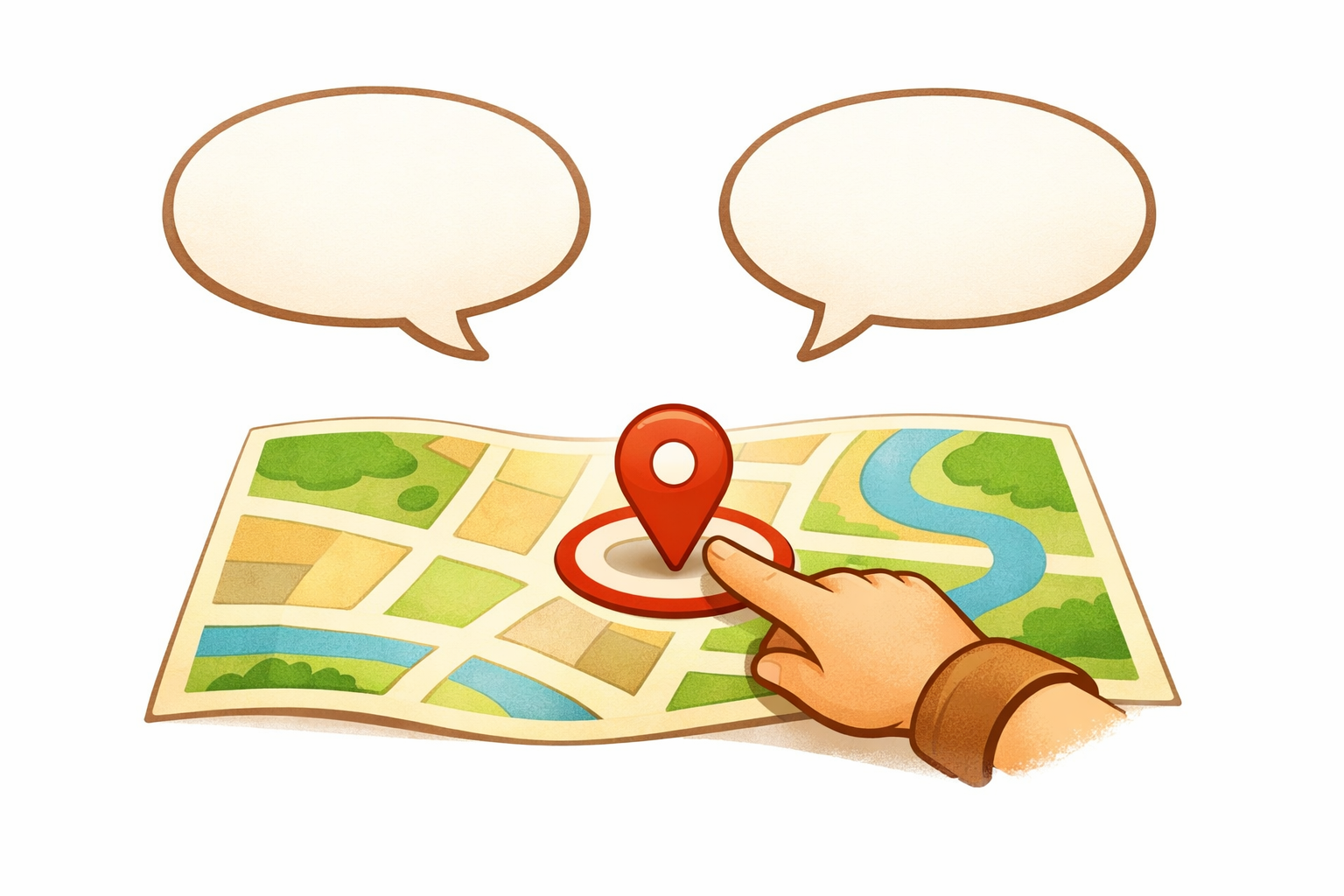
Practice two help‑asking phrases
Choose these two and translate them into your target language: “Excuse me, is [place] near here?” and “Could you show me on the map?” Practice saying them slowly and clearly. Record yourself and repeat until they feel natural.
- 07
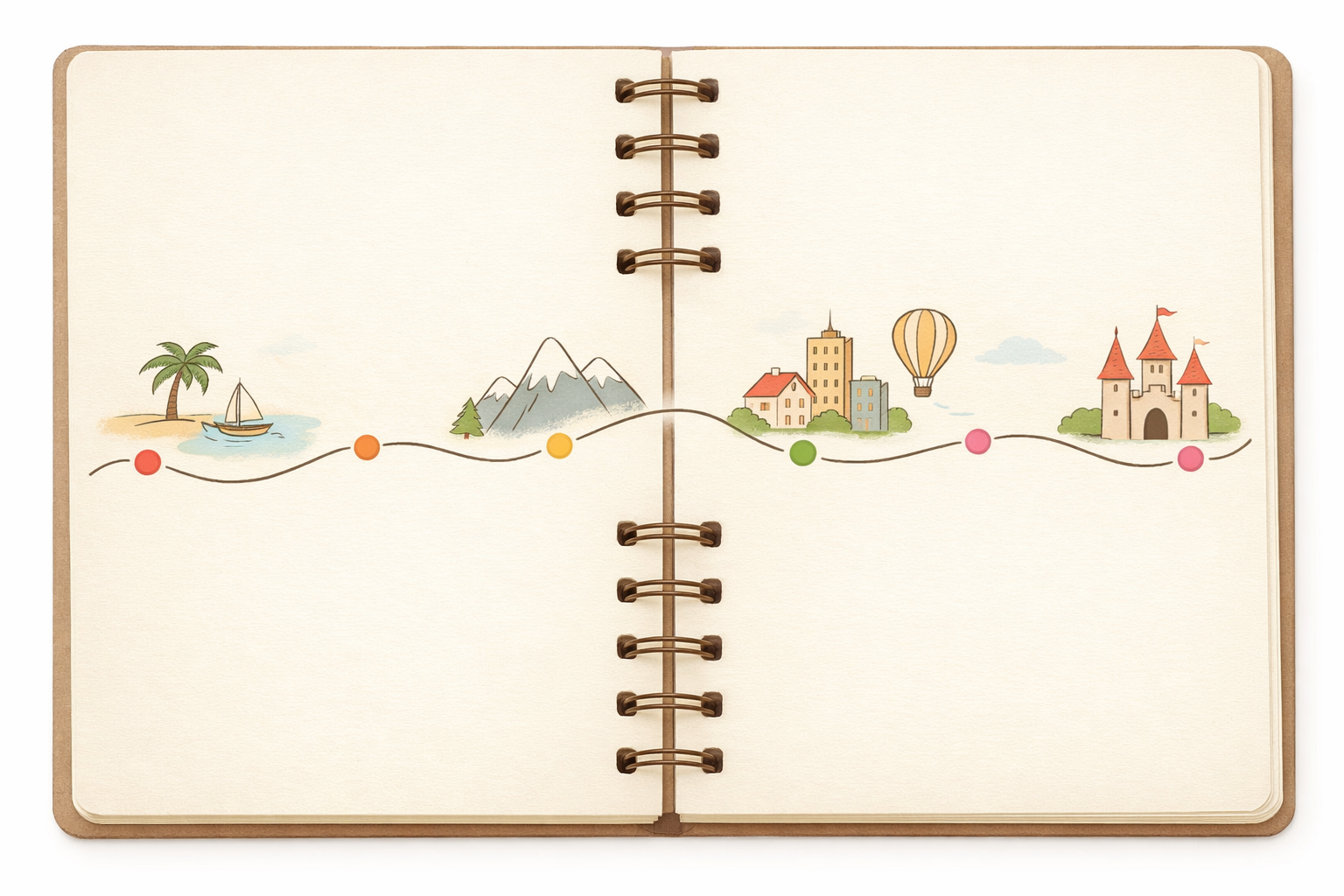
Write a mini‑itinerary in the target language
Draft a short plan using simple sentences you can say: Start at [place]. Go [direction] on [street]. Stop at [sight]. Take a break at [café]. End at [place]. Translate each line and keep sentences short. Include rough times and a buffer after each stop.
- 08
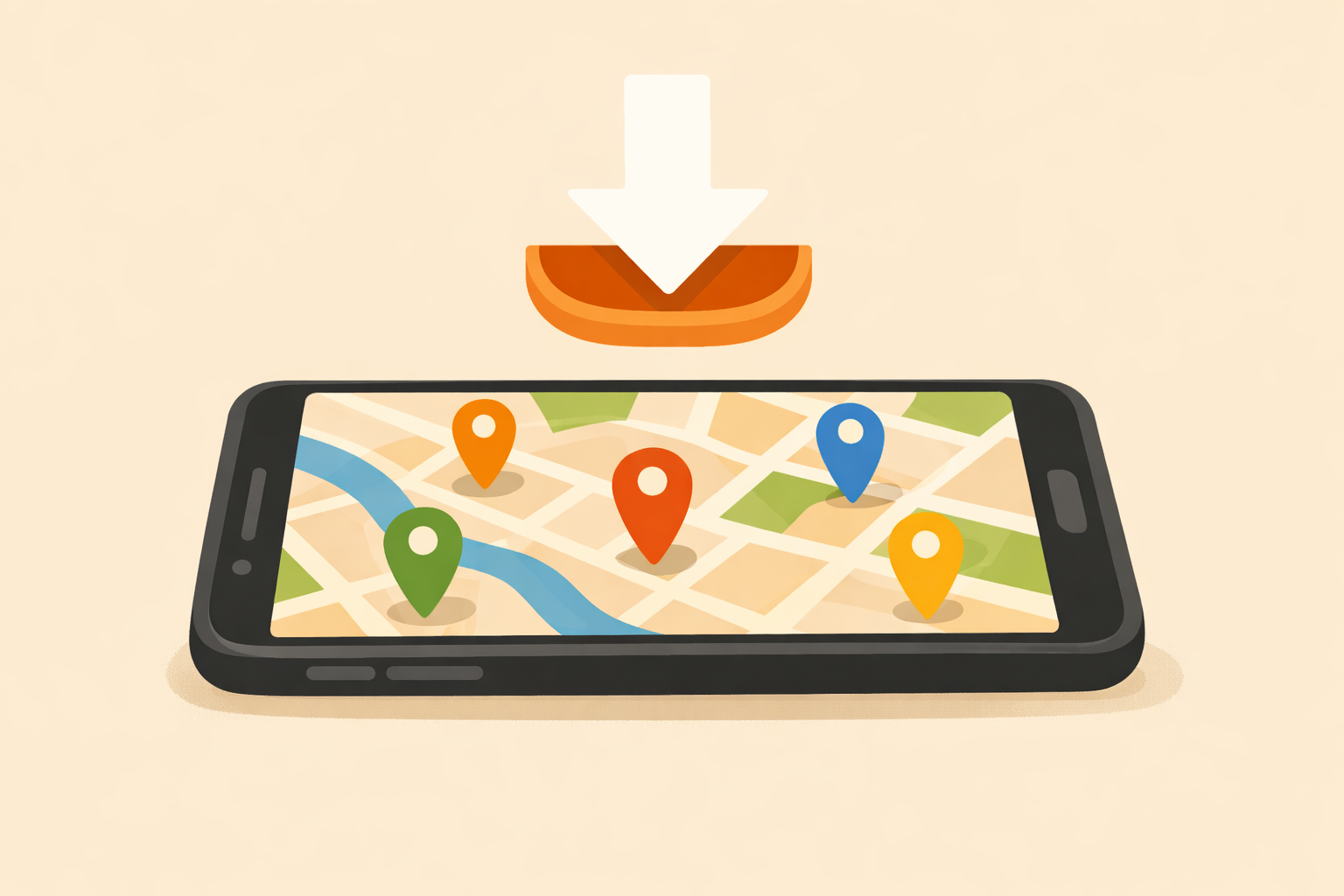
Save pins and download your map
Pin your start point, each stop, rest spot, and your end point. Download the area for offline use so you’re covered if service drops. Star or color your pins consistently (for example, sights vs. rest spots) to reduce on‑the‑spot decisions.
- 09
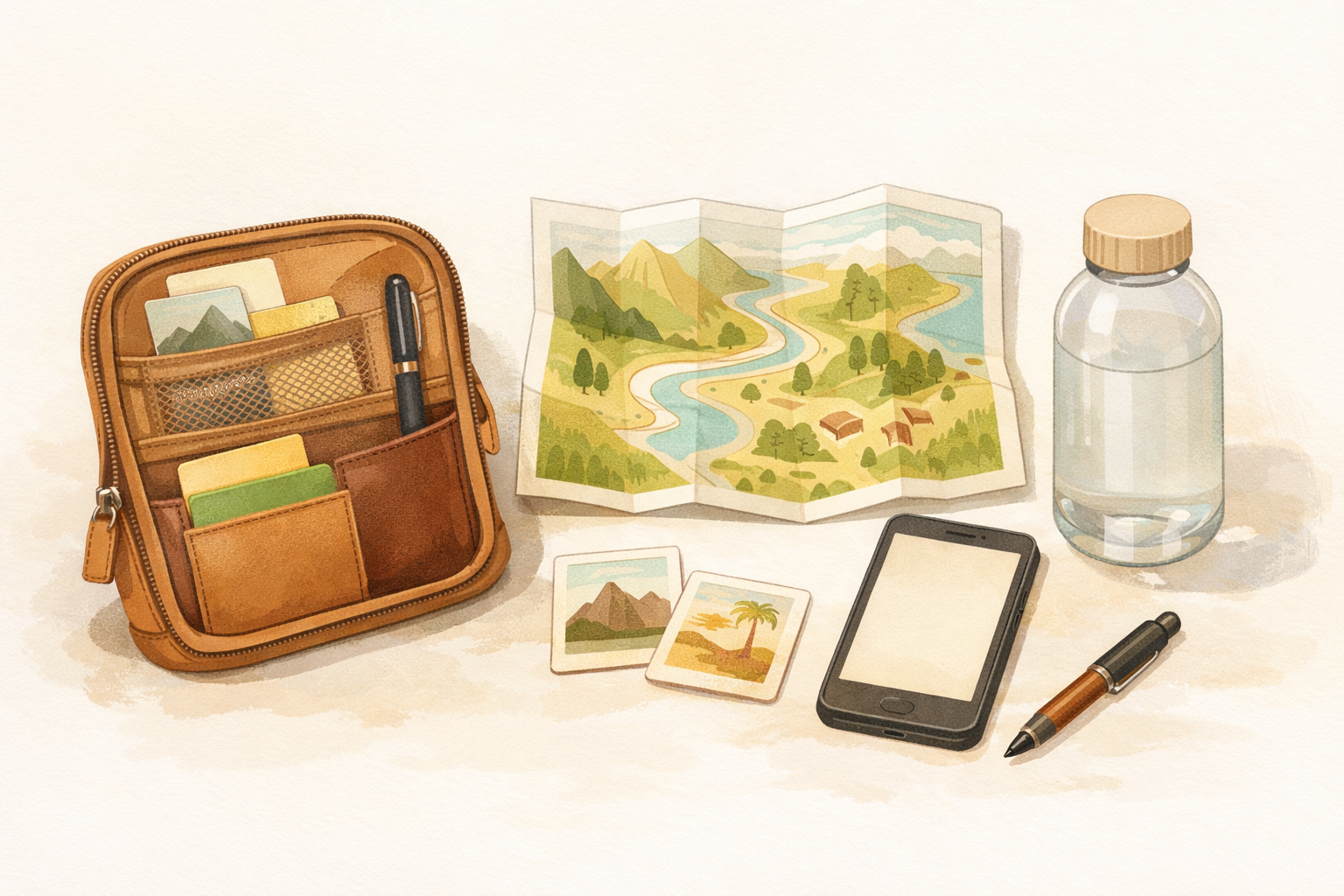
Pack a light language kit
Bring your printed mini‑itinerary, phrase cards, a pen, and your phone with the offline map. Add a small notebook page for new words you see on signs. Pack water and comfortable shoes to keep your focus on language and landmarks.
- 10
Rehearse the route out loud
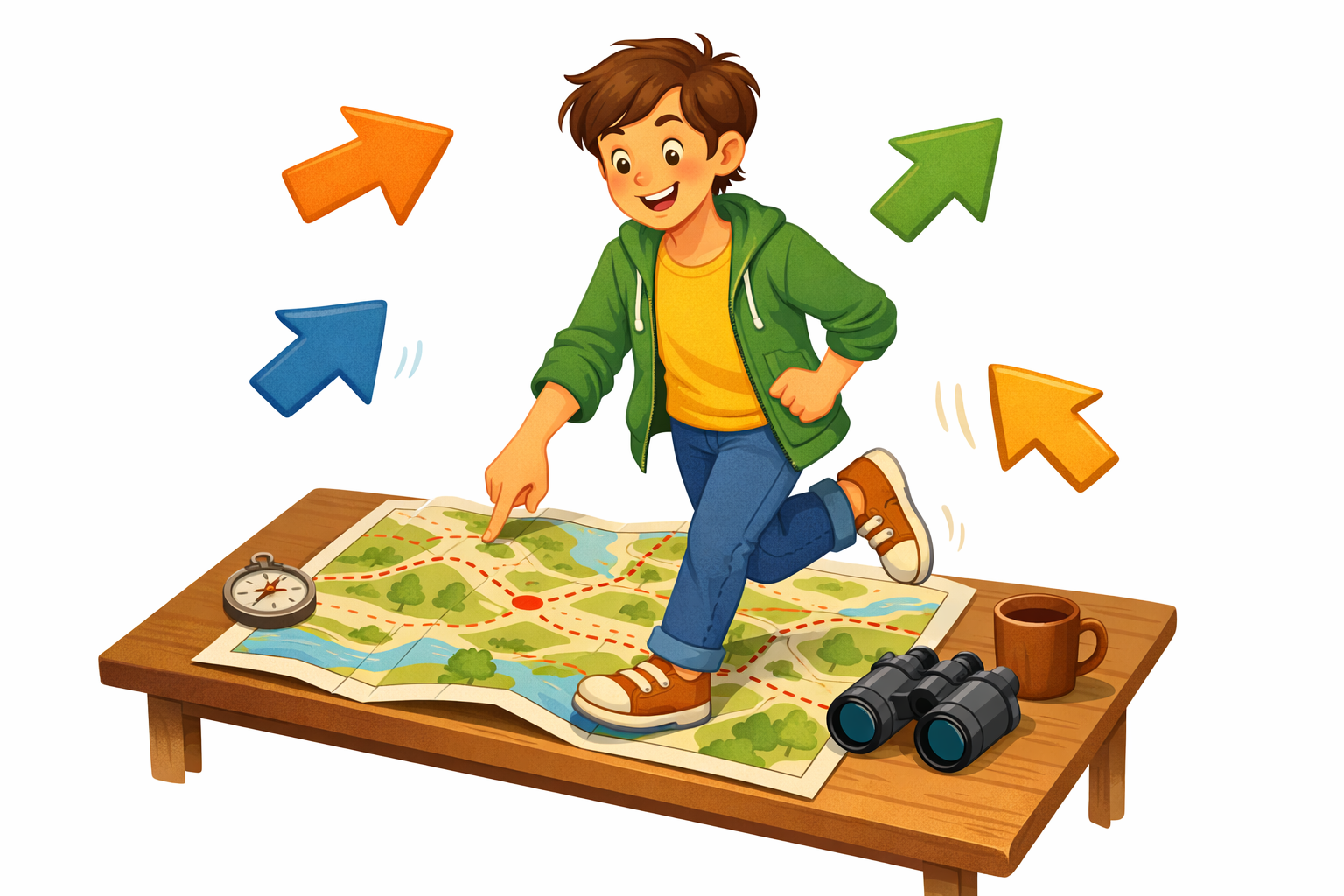
At home, trace the loop on your map and say your mini‑itinerary sentences in the target language. Mimic turning left or right and speak the words as you “turn.” If possible, shadow audio from a dictionary app for a few key words until your rhythm feels smooth.
- 11
Walk and use the language
Follow your loop at an easy pace. Read every relevant sign you pass, even if slowly. At least twice, intentionally use your two help‑asking phrases with a friendly local or staff member, and have your map ready for pointing. Jot down one or two new words you notice.

- 12
Review and refine after the walk
Back at home, update your phrase cards with any corrections and add new signs you met. Rewrite your mini‑itinerary more naturally using what you heard. Note any tricky intersections for next time and plan a fresh loop in a nearby area.
If this was useful
Try one of these next
Bike & travel
How to Practice Small‑Talk Phrases Before a Trip
Build short scripts for greetings, ordering, and asking directions, record yourself and repeat, and pack a pocket card with 10 go‑to lines you can say smoothly.
Read the guide
Hobbies & crafts
How to Learn a Song in a New Language (Even If You’re Not Musical)
Choose a slow, clear song, look up the lyrics and mark unknown words, loop the chorus to memorize pronunciation, and sing along softly to lock in sounds and phrases.
Read the guide
Learning
How to Set Up a 15‑Minute Daily Language Routine You Can Keep
Pick a consistent time, split 15 minutes into review, new words, and quick speaking, and track progress with a simple checklist so you build momentum without burning out.
Read the guide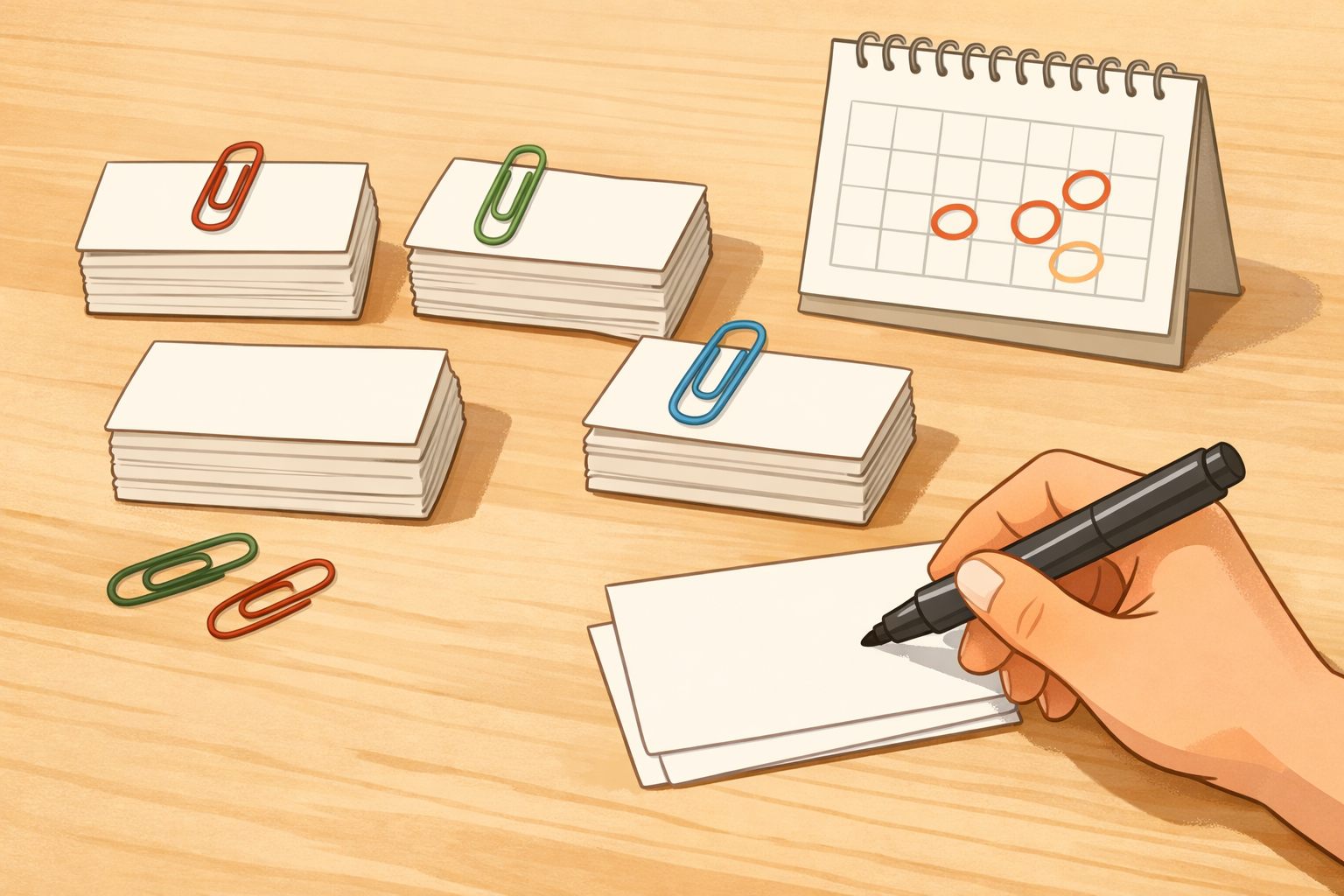
Learning
How to Make DIY Flashcards That Actually Stick
Create clear, one-word-per-card flashcards with a picture or example phrase, sort them into “know,” “review,” and “learn” piles, and revisit them on a simple spaced schedule to make what you study easier to remember.
Read the guide