Learning
How to Set Up a 15‑Minute Daily Language Routine You Can Keep
Pick a consistent time, split 15 minutes into review, new words, and quick speaking, and track progress with a simple checklist so you build momentum without burning out.
- 01
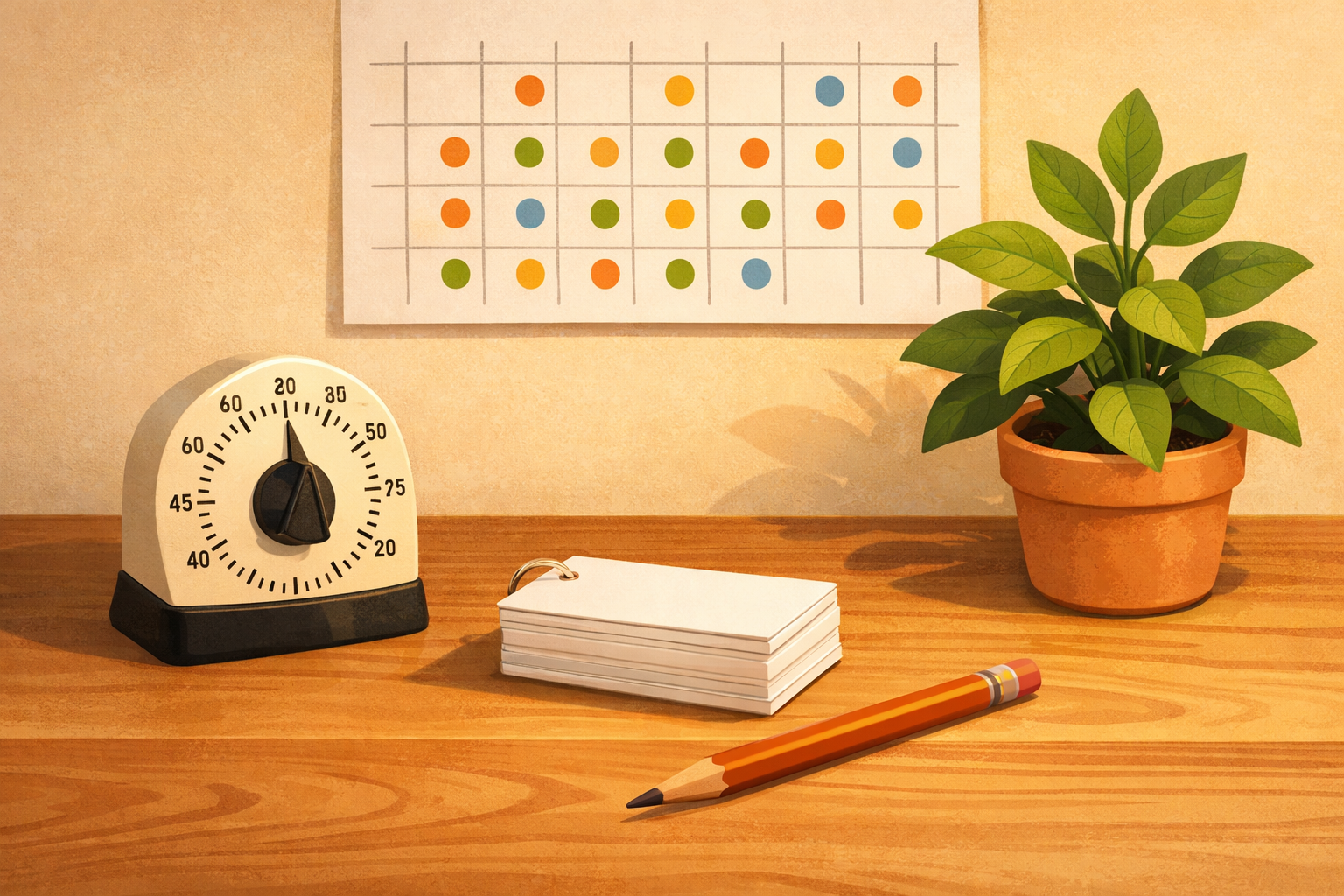
Choose a consistent daily slot
Pick a time you can protect most days (for example, right after breakfast or just before bed). Tie it to an existing habit so you remember, choose a quiet spot, and set a backup slot for days that go sideways. Silence notifications so you actually get the full 15 minutes.
- 02
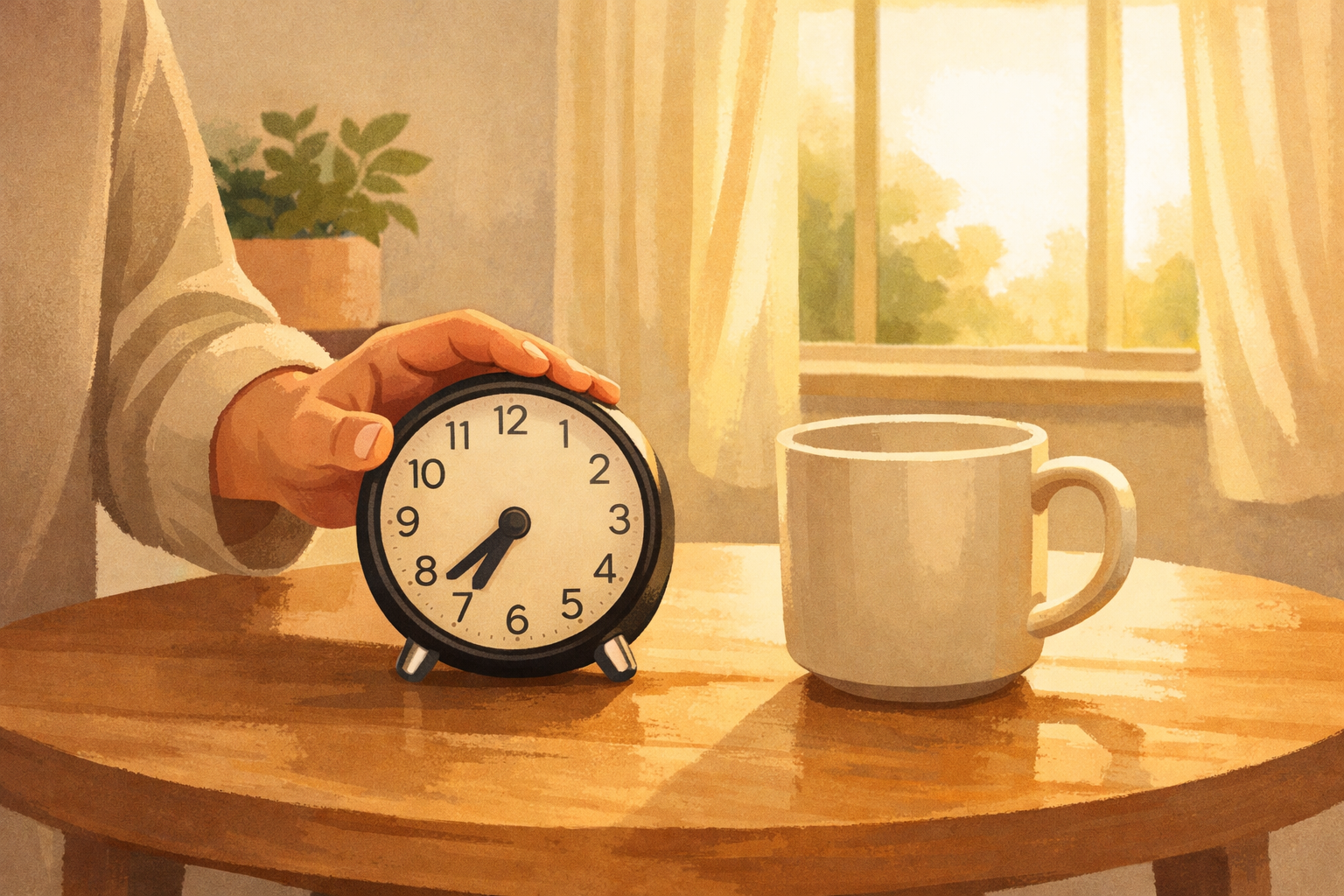
Set a tiny, clear goal for a short stretch
Decide what “success” looks like for the next 2–4 weeks, such as learning a few useful words per session or being able to say a short self‑introduction. Write it down and keep it modest so you can finish even on busy days.
- 03
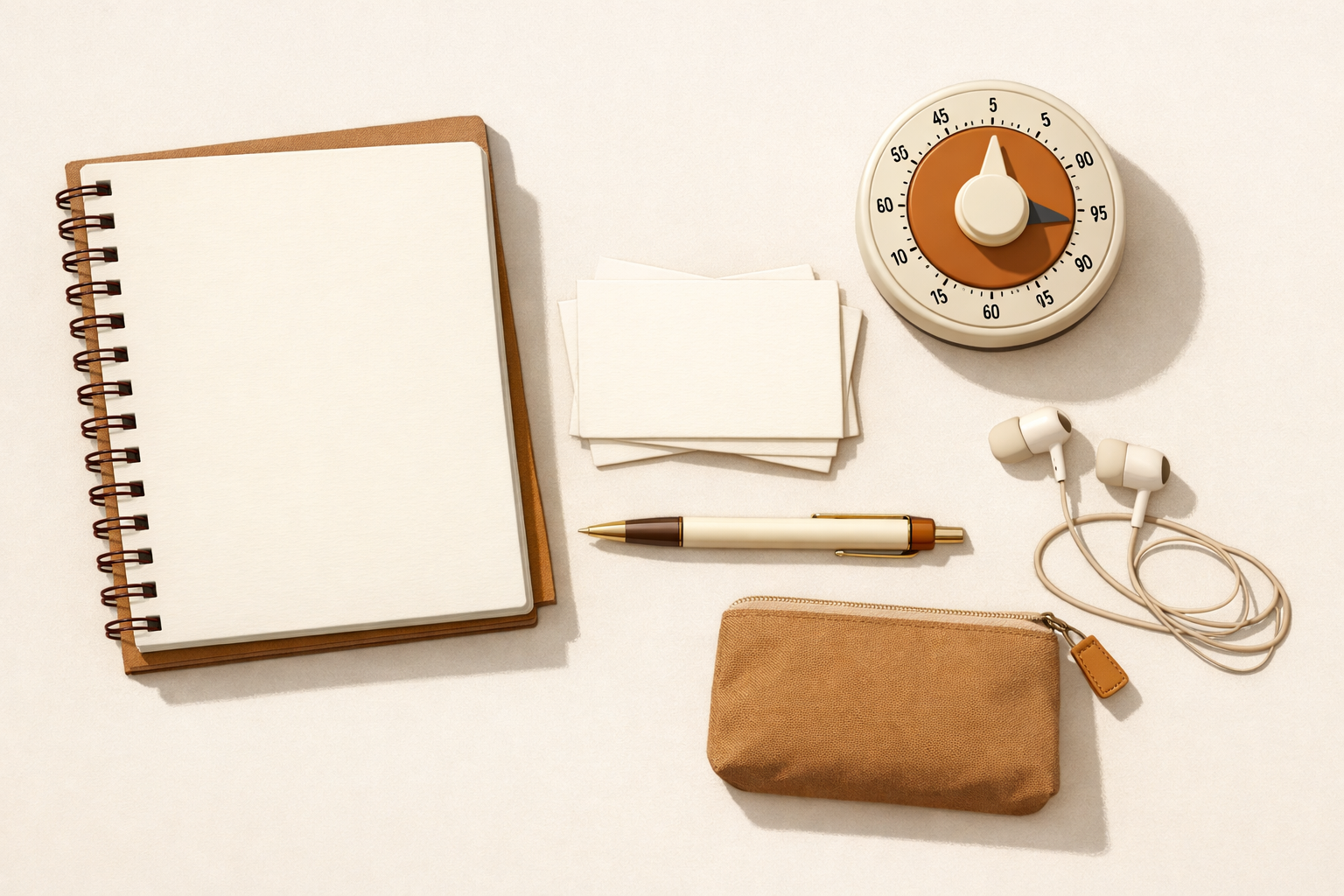
Assemble a simple toolkit
Gather one notebook or a few index cards, a pen, a basic timer, and earphones. Choose one reliable source for words or phrases (like a course, textbook, or graded clips). Keep everything together in a small pouch or folder right where you’ll study.
- 04
Plan your 15‑minute split
Use a simple structure: review first, then new words, then a quick speaking burst. A practical split is about five minutes of review, seven minutes for new material, and three minutes to speak. Decide the order now and stick to it so you don’t waste time choosing.

- 05
Build your first review set
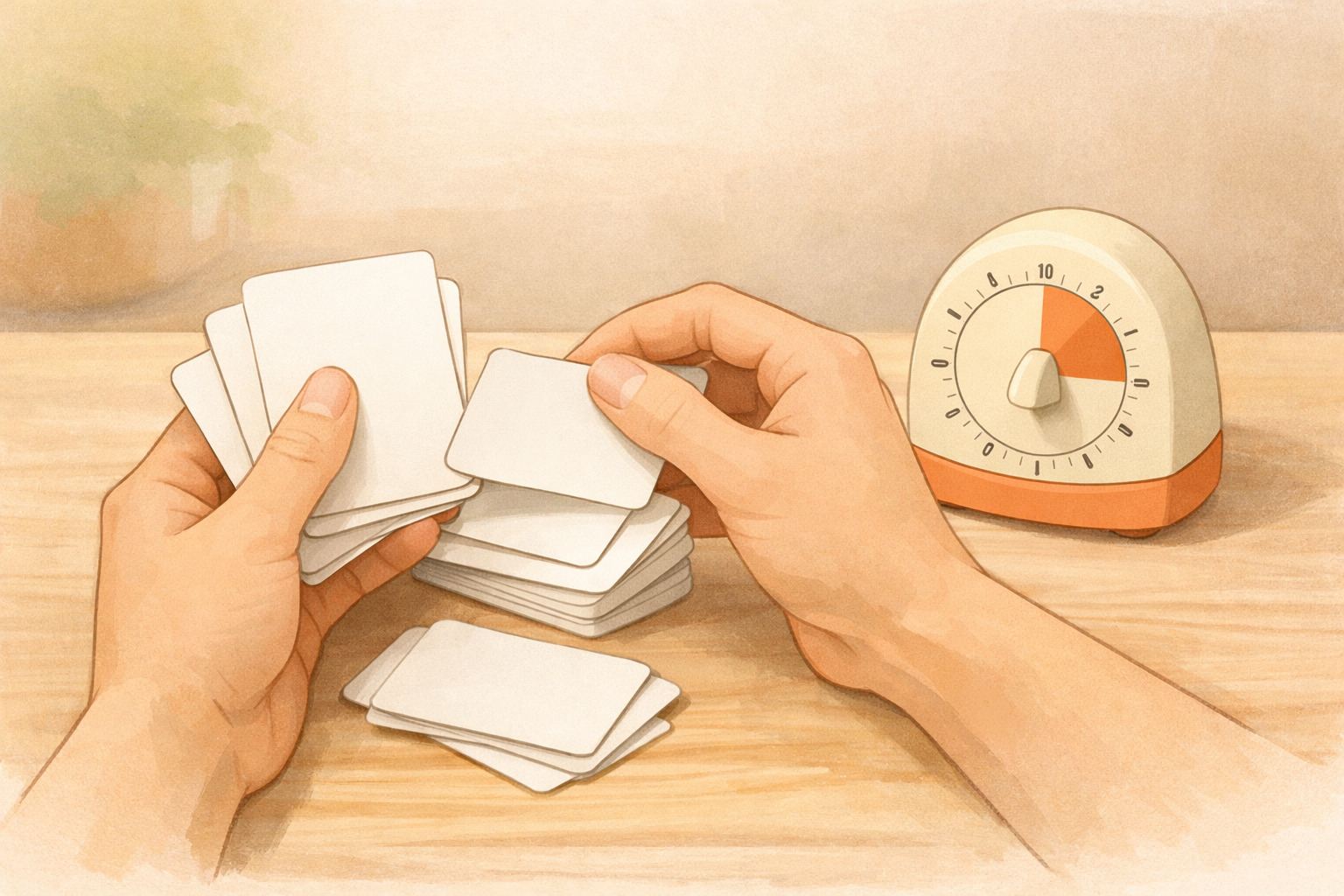
If you’re brand‑new, include sounds and a few survival phrases; if you’ve studied before, pull items from your last lessons. Put each item on a card with a cue on one side and the answer on the other, or create a small deck in an app that you can comfortably finish in your review window.
- 06
Pick today’s new words or phrases
Choose a tiny, practical theme (greetings, ordering food, directions) and add just enough items that you can touch each one during your new‑material window. Keep them in one place—your notebook section or the next few cards—so you can grab them without hunting.
- 07
Start with review and say everything out loud
Start your timer and test yourself item by item. Say the answer aloud, flip to check, and move tricky items to the front of the pile so they come up again. Keep an easy pace—you’re warming up and reinforcing what you already know.

- 08
Learn new items with hear–say–write
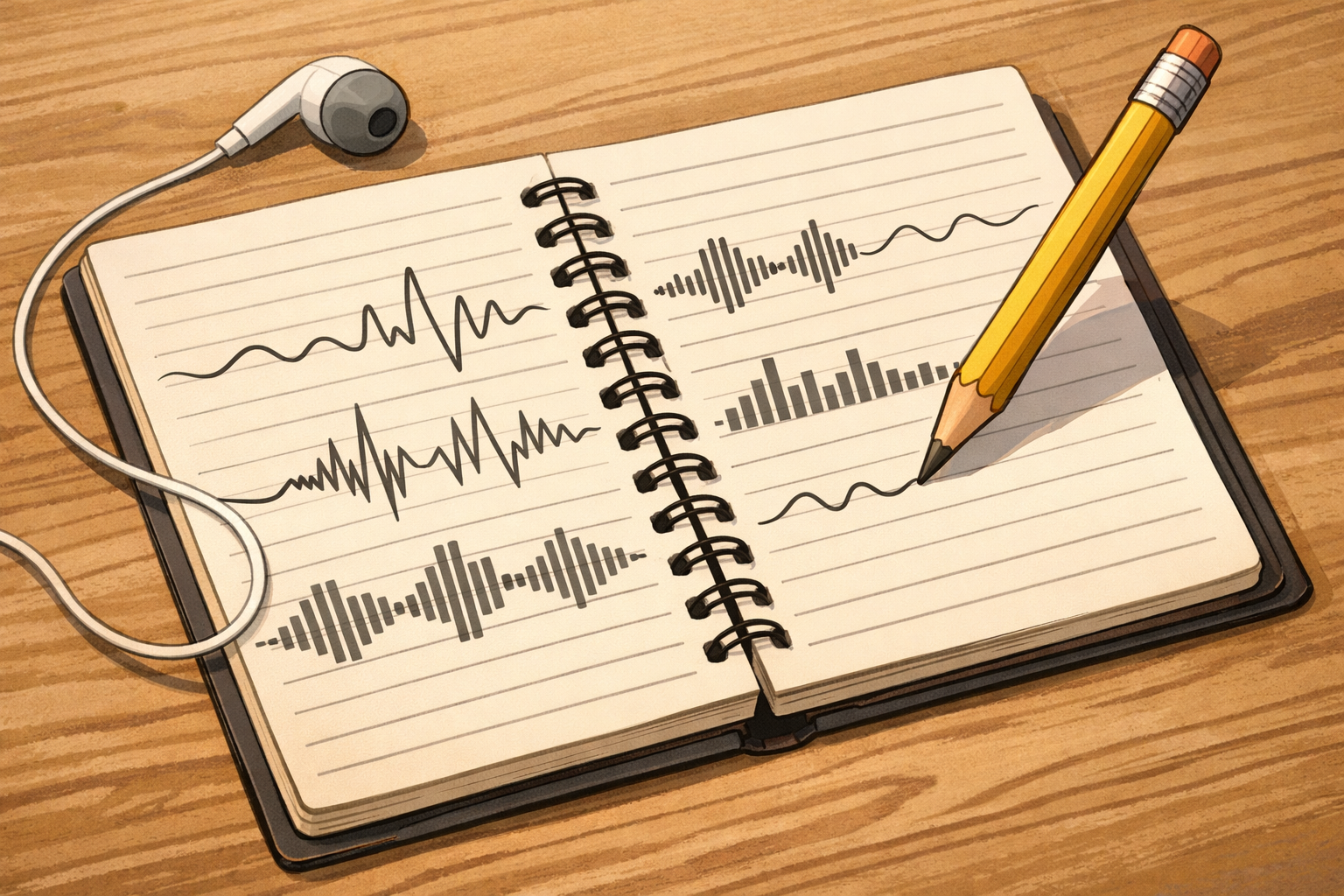
For each new word or phrase, listen to a model if you have one, say it aloud slowly, then write a tiny example you could actually use. Link it to something personal (your routine, your likes) so it sticks. Keep moving so you touch every new item once.
- 09
Do a quick speaking burst
Use the final minutes to speak continuously: read your examples aloud, repeat after a short clip, or role‑play a tiny dialogue. Record a brief sample on your phone so you can notice clarity and speed tomorrow. Aim for steady rhythm over perfection.

- 10
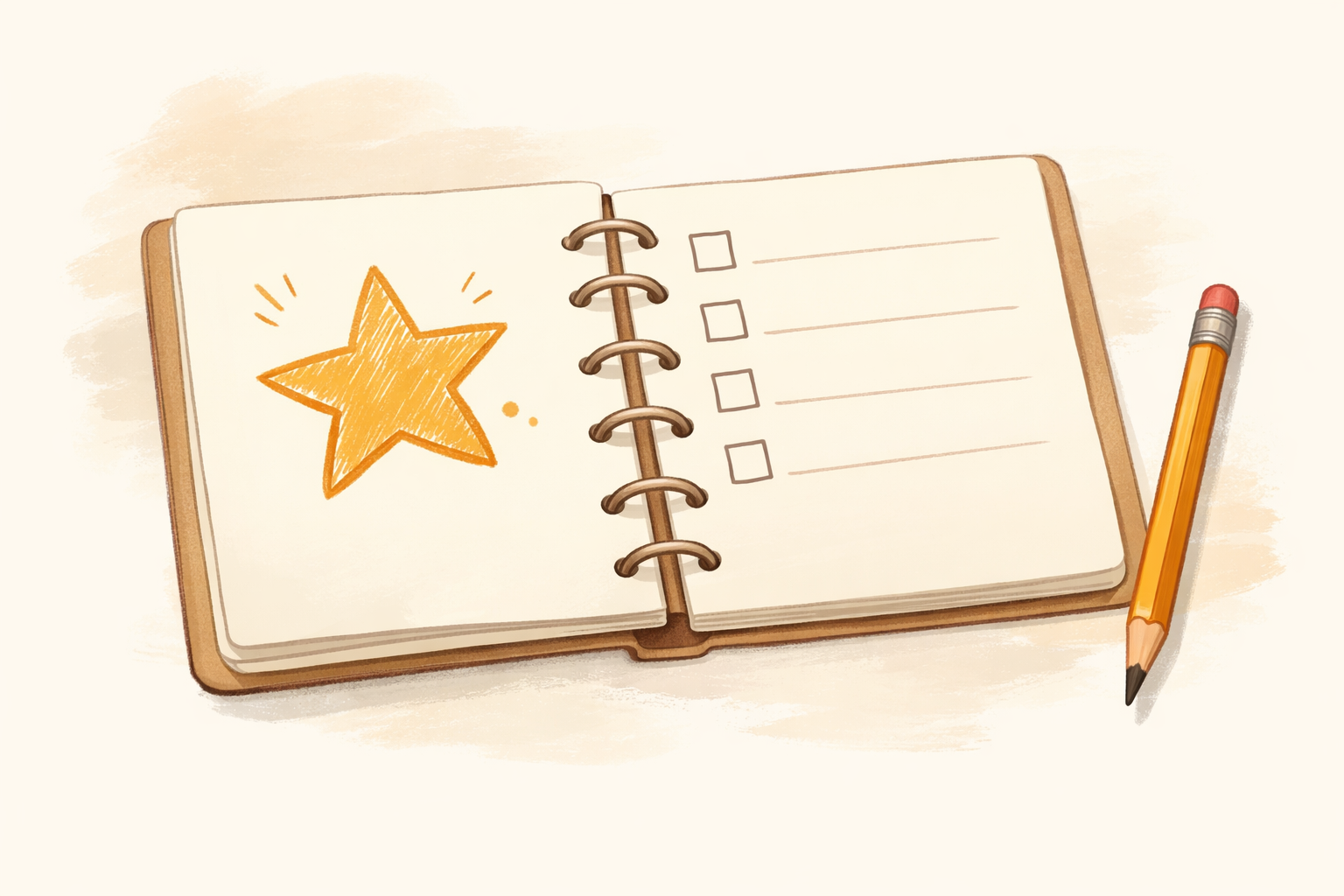
Track it with a simple checklist
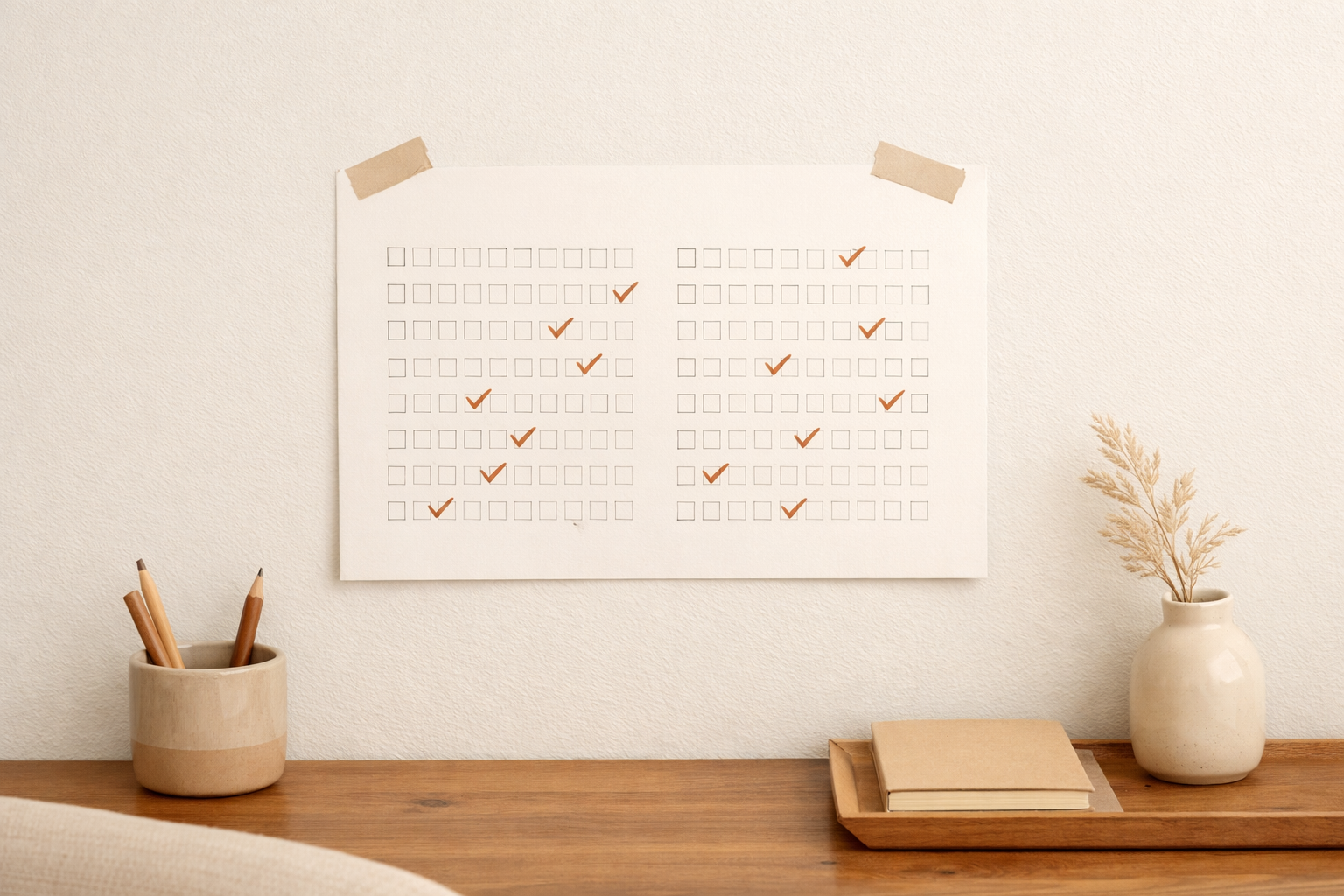
Make a one‑line log for each day with three boxes—review, new, speak—and tick what you finished. Add a quick note like “hard sounds” or “nailed greetings.” Put the checklist where you start your session so you see your streak building.
- 11
Make tomorrow easy before you stop
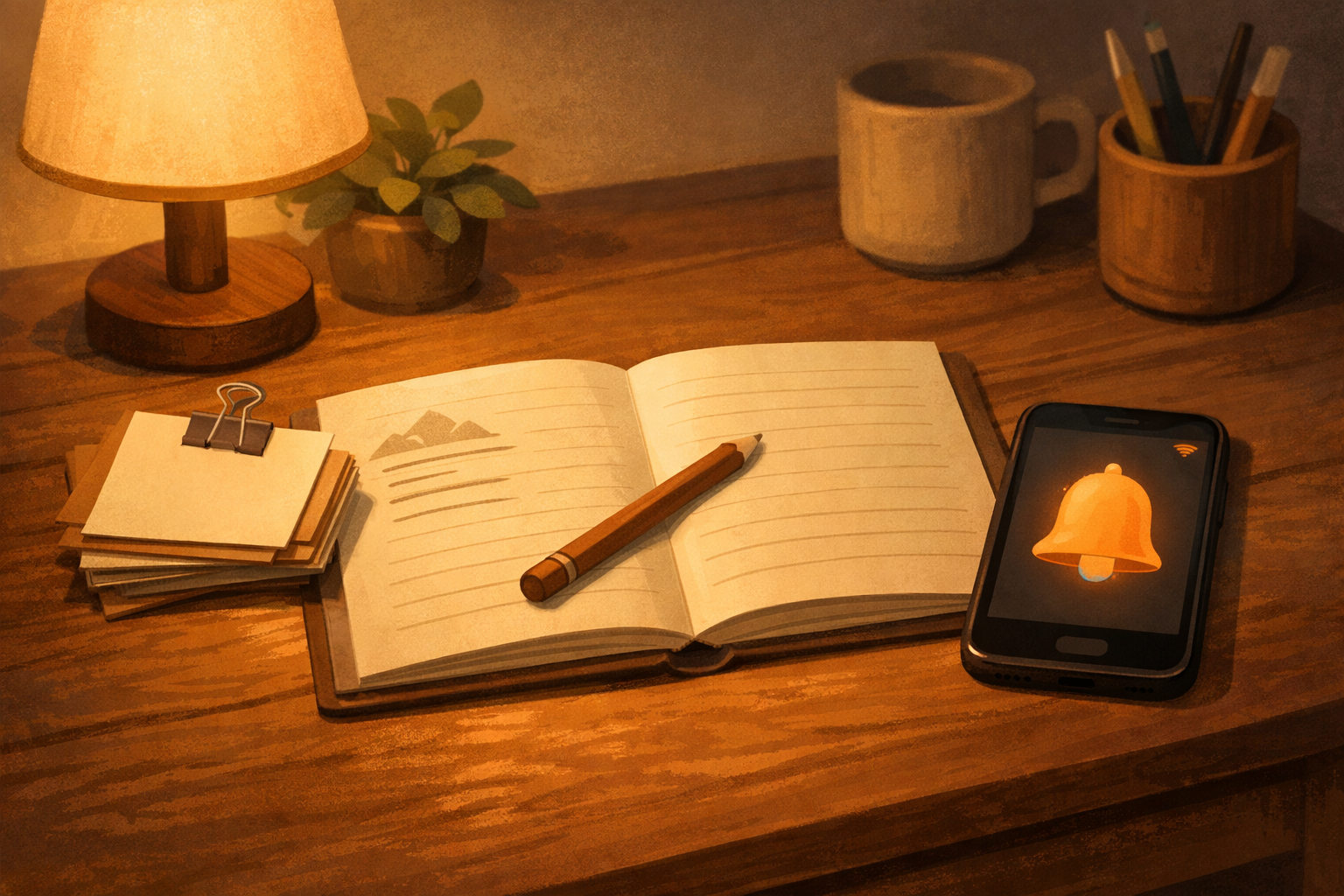
Use your last minute to set out tomorrow’s cards or page, queue any audio, and place your toolkit where you’ll see it. Set a reminder for your chosen slot and note a backup plan so you’re covered if the day changes.
- 12
Adjust each week to keep it doable
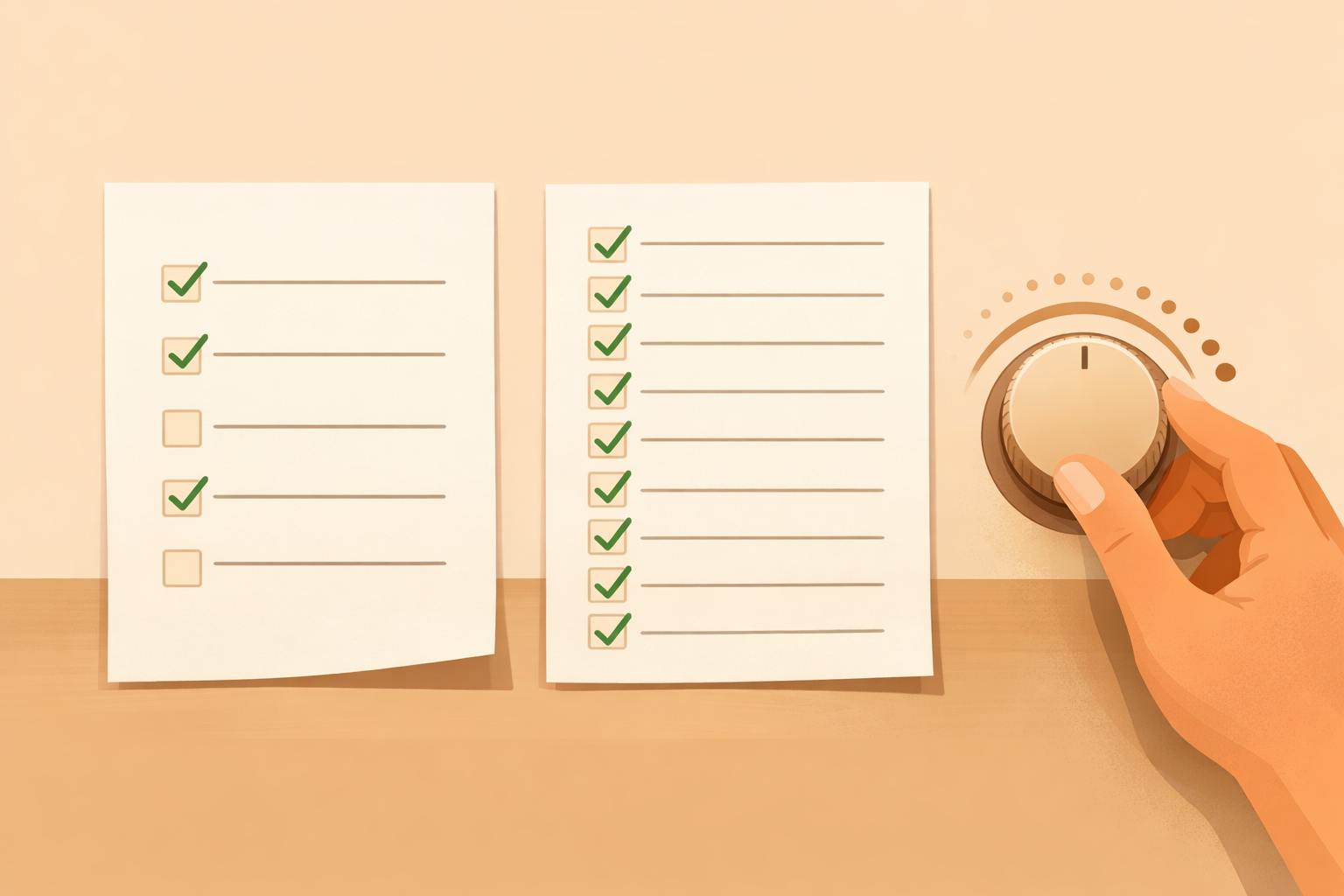
At the end of the week, glance over your checks and notes. If you often ran out of time, trim the number of new items; if it felt too light, add a tiny bit. Keep the total to 15 minutes so the routine stays easy to keep, then refresh your short‑term goal.
If this was useful
Try one of these next

Bike & travel
How to Practice Small‑Talk Phrases Before a Trip
Build short scripts for greetings, ordering, and asking directions, record yourself and repeat, and pack a pocket card with 10 go‑to lines you can say smoothly.
Read the guide
Hobbies & crafts
How to Learn a Song in a New Language (Even If You’re Not Musical)
Choose a slow, clear song, look up the lyrics and mark unknown words, loop the chorus to memorize pronunciation, and sing along softly to lock in sounds and phrases.
Read the guide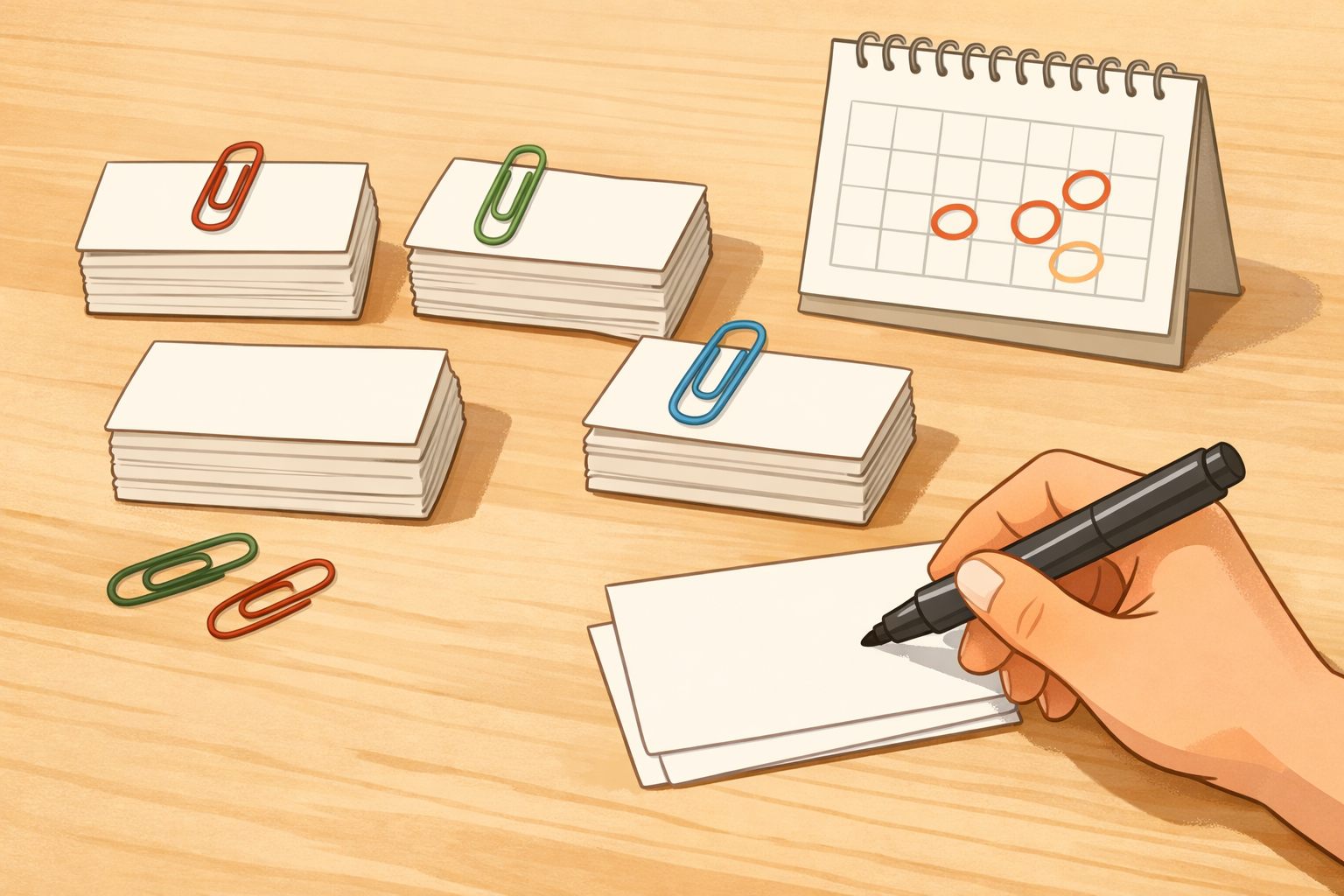
Learning
How to Make DIY Flashcards That Actually Stick
Create clear, one-word-per-card flashcards with a picture or example phrase, sort them into “know,” “review,” and “learn” piles, and revisit them on a simple spaced schedule to make what you study easier to remember.
Read the guide
Home & life
How to Label Your Home to Learn Everyday Words
Use small sticky notes to label 30–50 common items (door, window, cup), say each word aloud during chores, and rotate labels weekly to steadily expand vocabulary.
Read the guide