Food & drink
How to Fry, Scramble, and Boil Eggs
Master three basic egg preparations, control heat so they don’t overcook, and serve them with toast, rice, or vegetables.
- 01
Set up your station
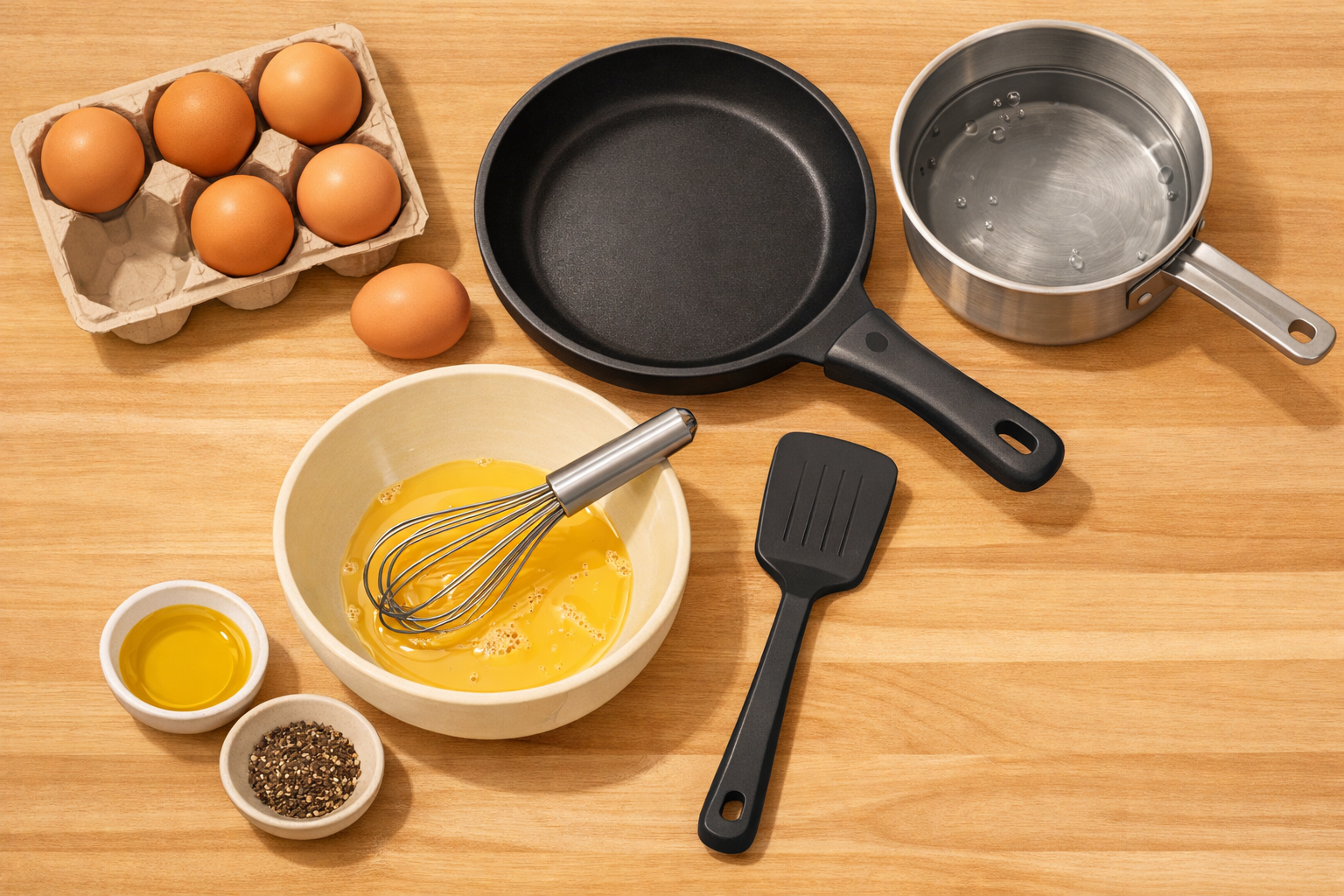
Gather eggs, a nonstick skillet, a silicone spatula, a medium saucepan, a whisk, a bowl, and your cooking fat (oil or butter). Keep salt and pepper nearby. Having everything ready helps you control heat and avoid overcooking.
- 02
Warm the pan, not the protein
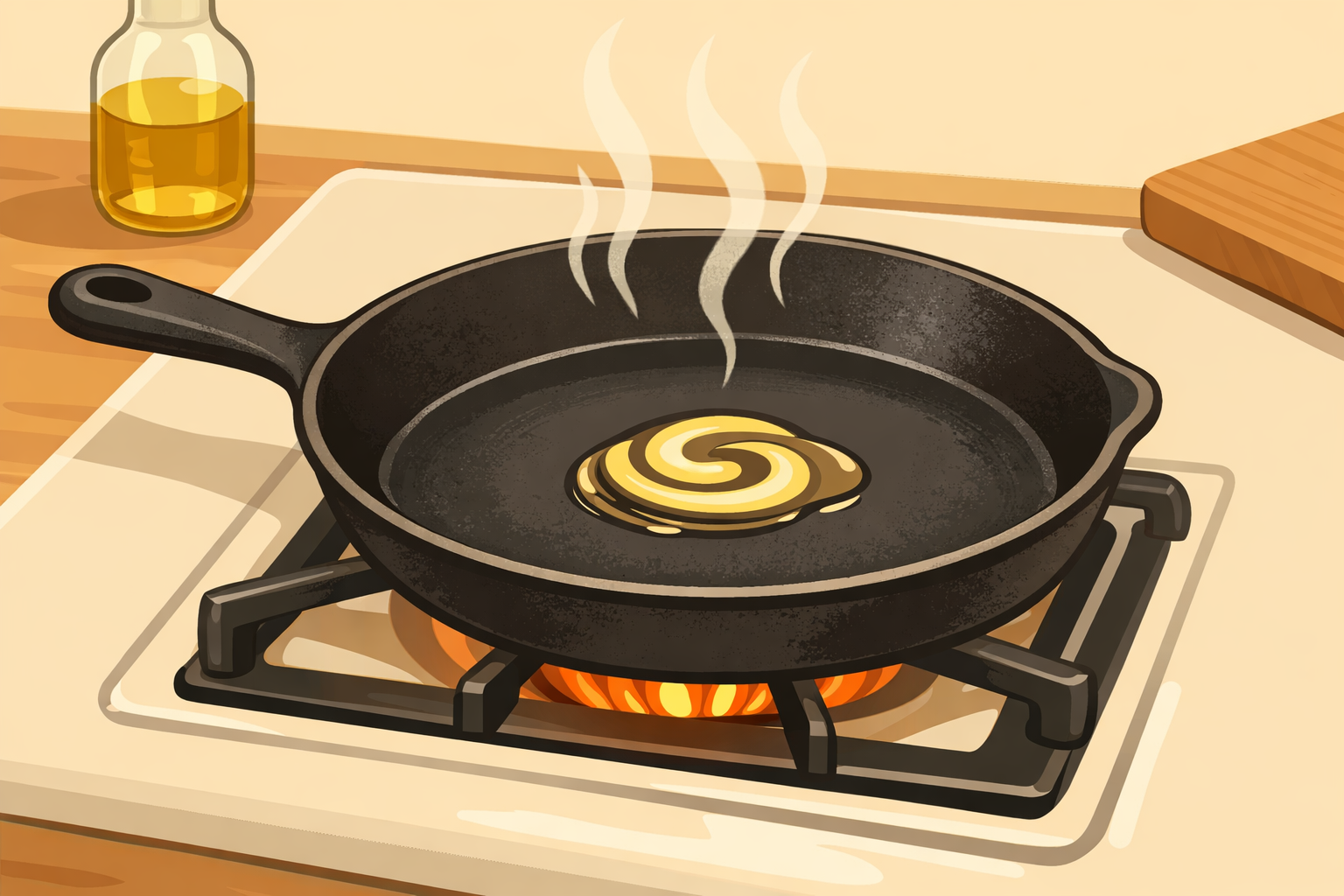
For frying or scrambling, place the skillet over medium heat for 1–2 minutes, then add a thin coat of oil or a small pat of butter. A lightly warmed, greased surface helps eggs set gently without sticking or browning too fast.
- 03
Fry sunny-side up
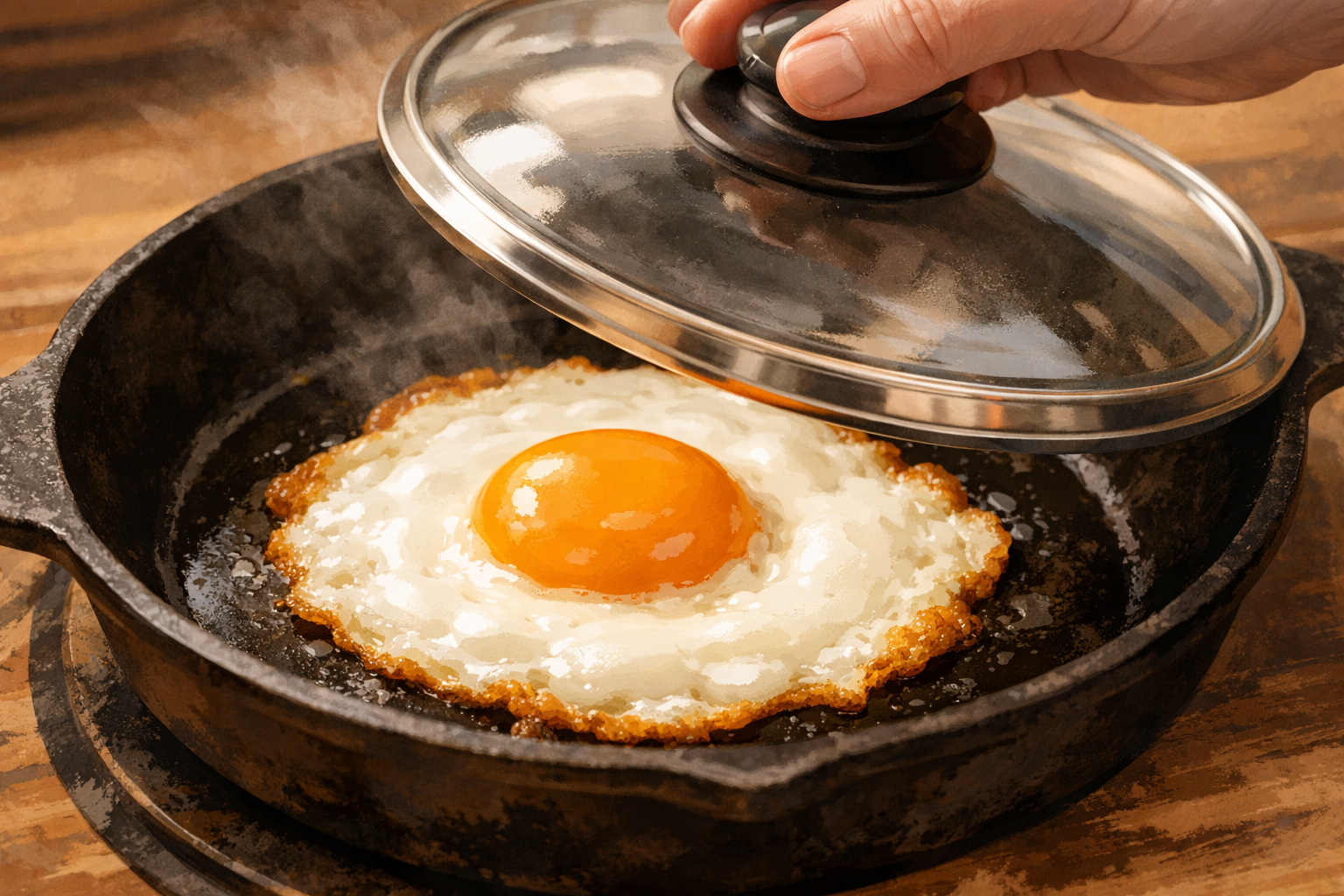
Crack an egg into the warm skillet and lower heat to medium-low. Cook until the whites are fully set and edges lightly crisp, about 2–4 minutes. For a tender top without flipping, cover the pan for the last minute or spoon a little hot fat over the whites.
- 04
Fry over-easy to over-hard
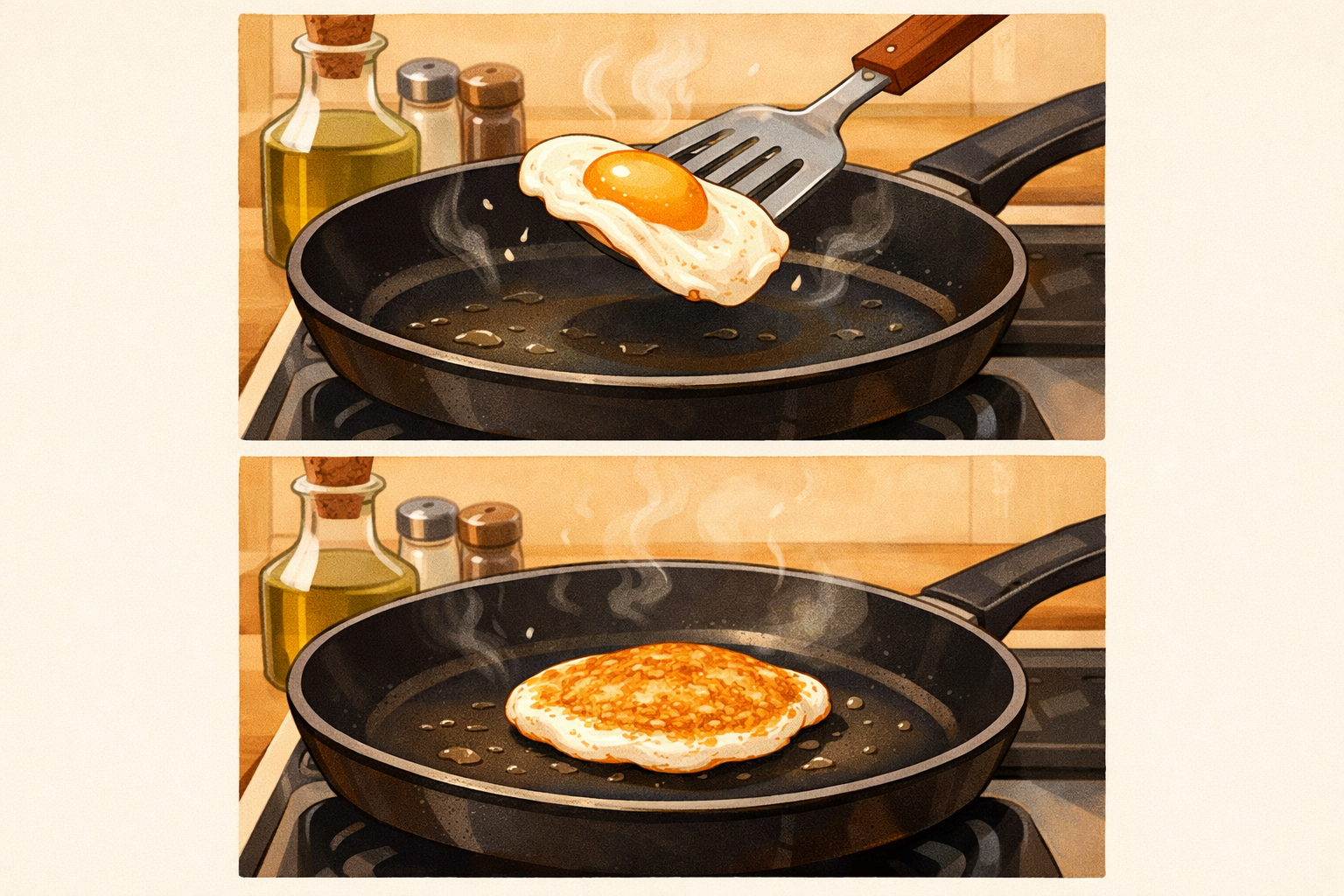
For over-easy, slide a spatula under the egg and flip gently; cook 10–20 seconds for a runny yolk. For over-medium, cook 30–45 seconds. For over-hard, cook 1–2 minutes until yolk is firm. Adjust heat to keep the bottom from darkening too fast.
- 05
Beat eggs for scrambling
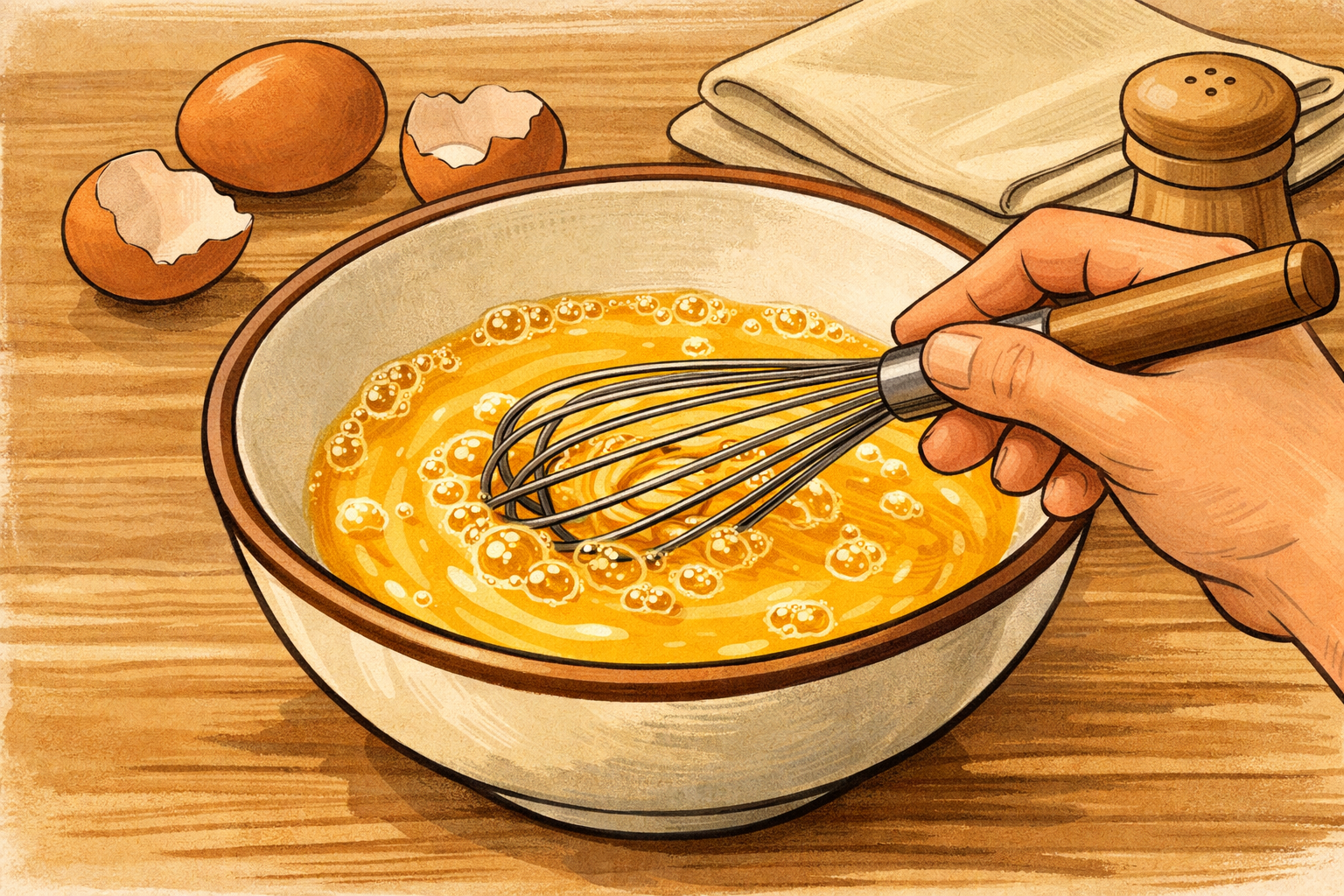
Crack eggs into a bowl and whisk just until the yolks and whites are combined and slightly foamy. Season lightly with salt and pepper now for even flavor. Avoid overbeating; too much air can make them dry rather than tender.
- 06
Soft, creamy scrambled eggs
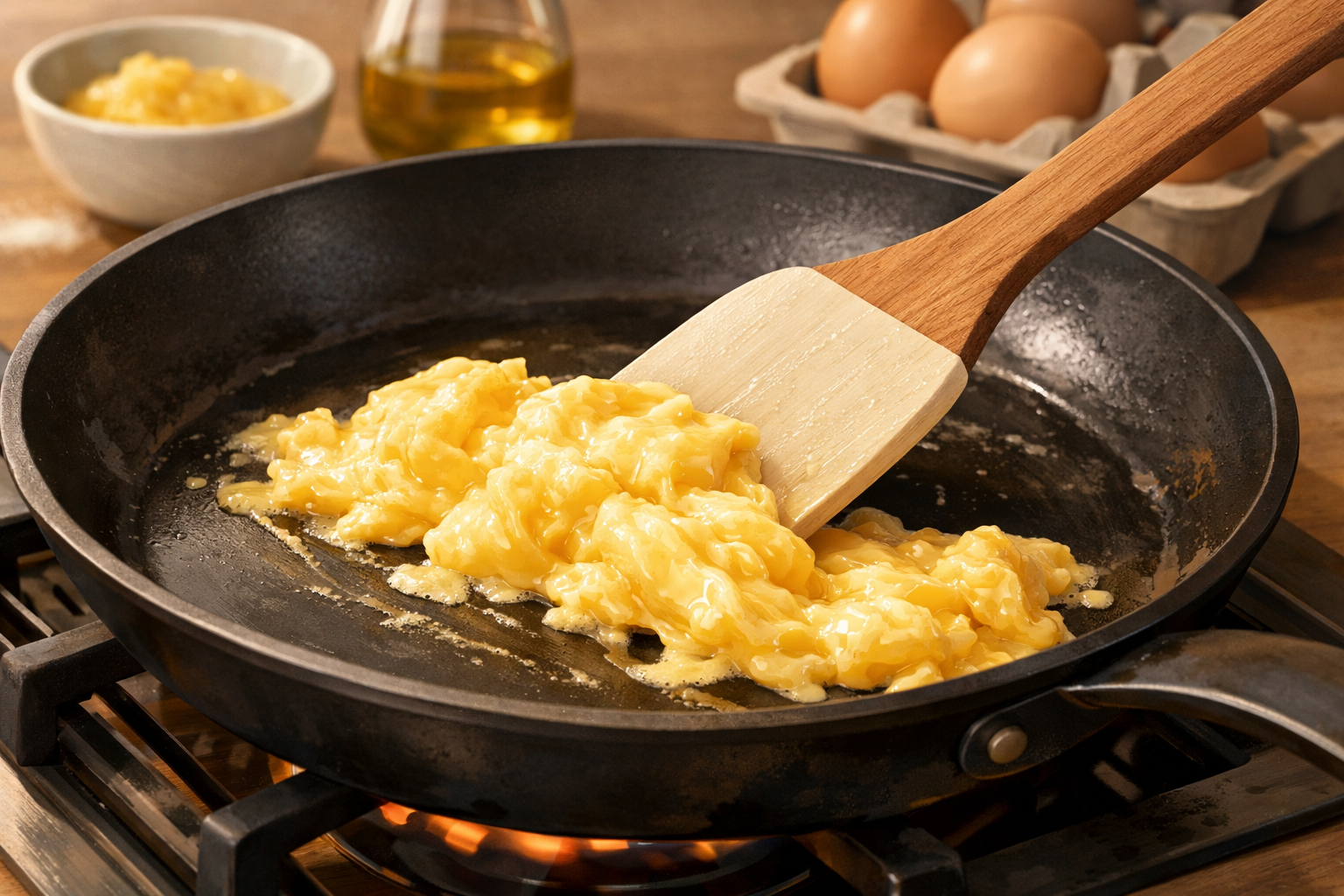
Return the greased skillet to low heat. Pour in the beaten eggs and stir slowly with a spatula, sweeping the pan’s surface. Push curds from edges to center. When the eggs look slightly underdone and glossy, remove from heat; the carryover heat will finish them.
- 07
Fluffy, firmer scrambled eggs
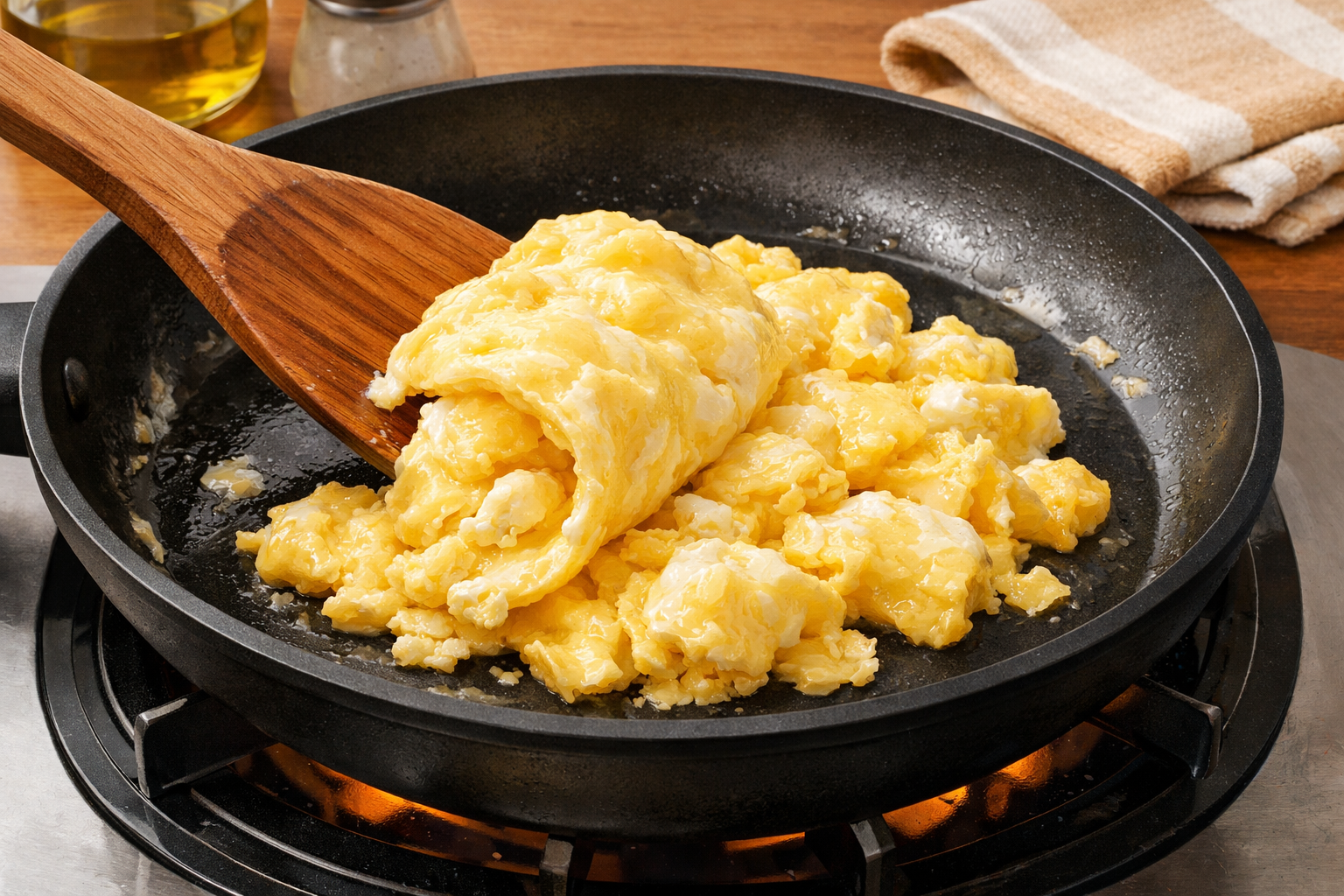
Use medium to medium-low heat. Let the eggs set briefly, then push and fold with a spatula for larger curds. Cook to your preferred doneness, 2–4 minutes, removing from heat when they look just set to prevent dryness.
- 08
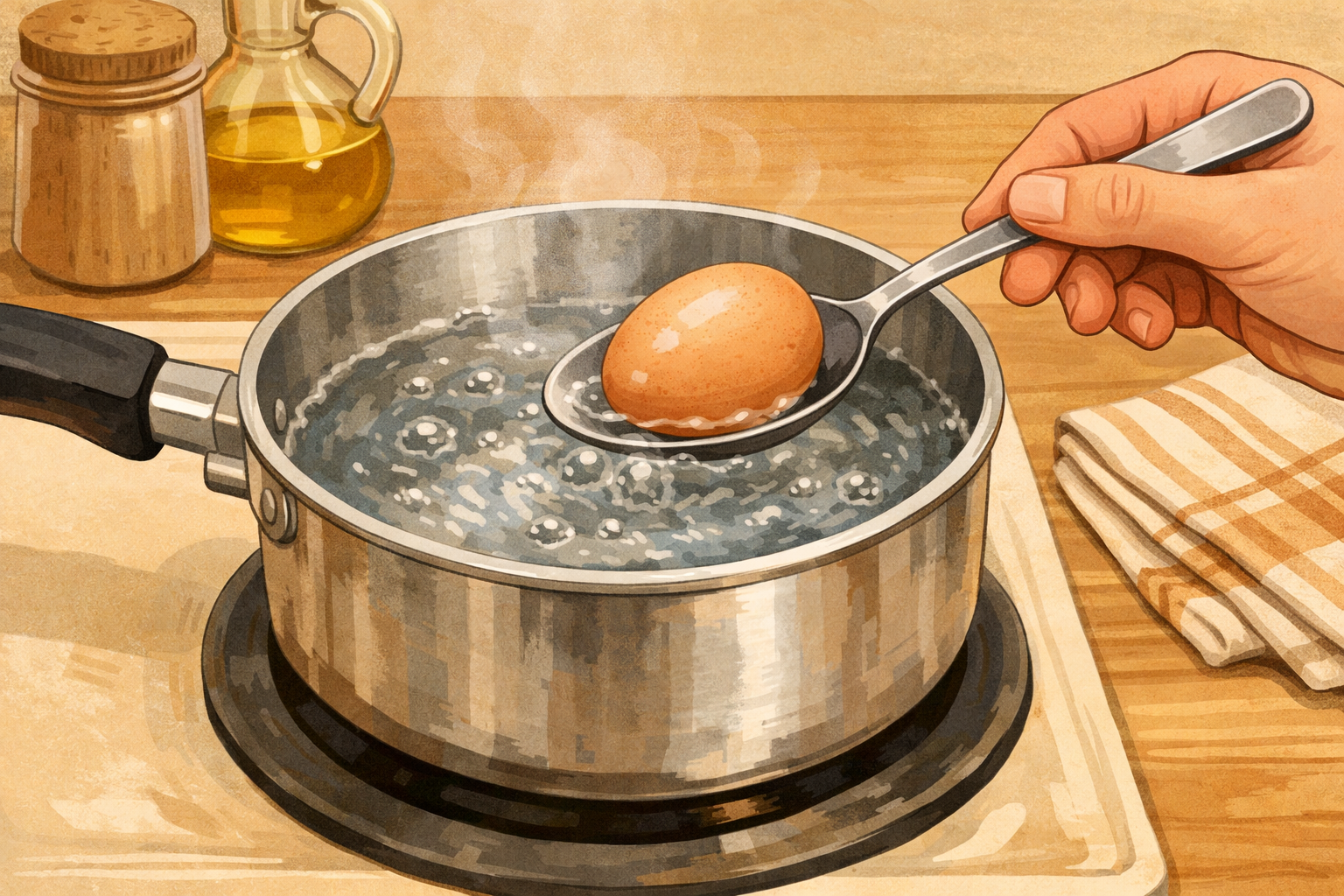
Prepare to boil
Fill a medium saucepan with enough water to cover eggs by about an inch. Bring to a gentle boil, then reduce to a steady simmer. Lower eggs in carefully with a spoon to avoid cracking.
- 09
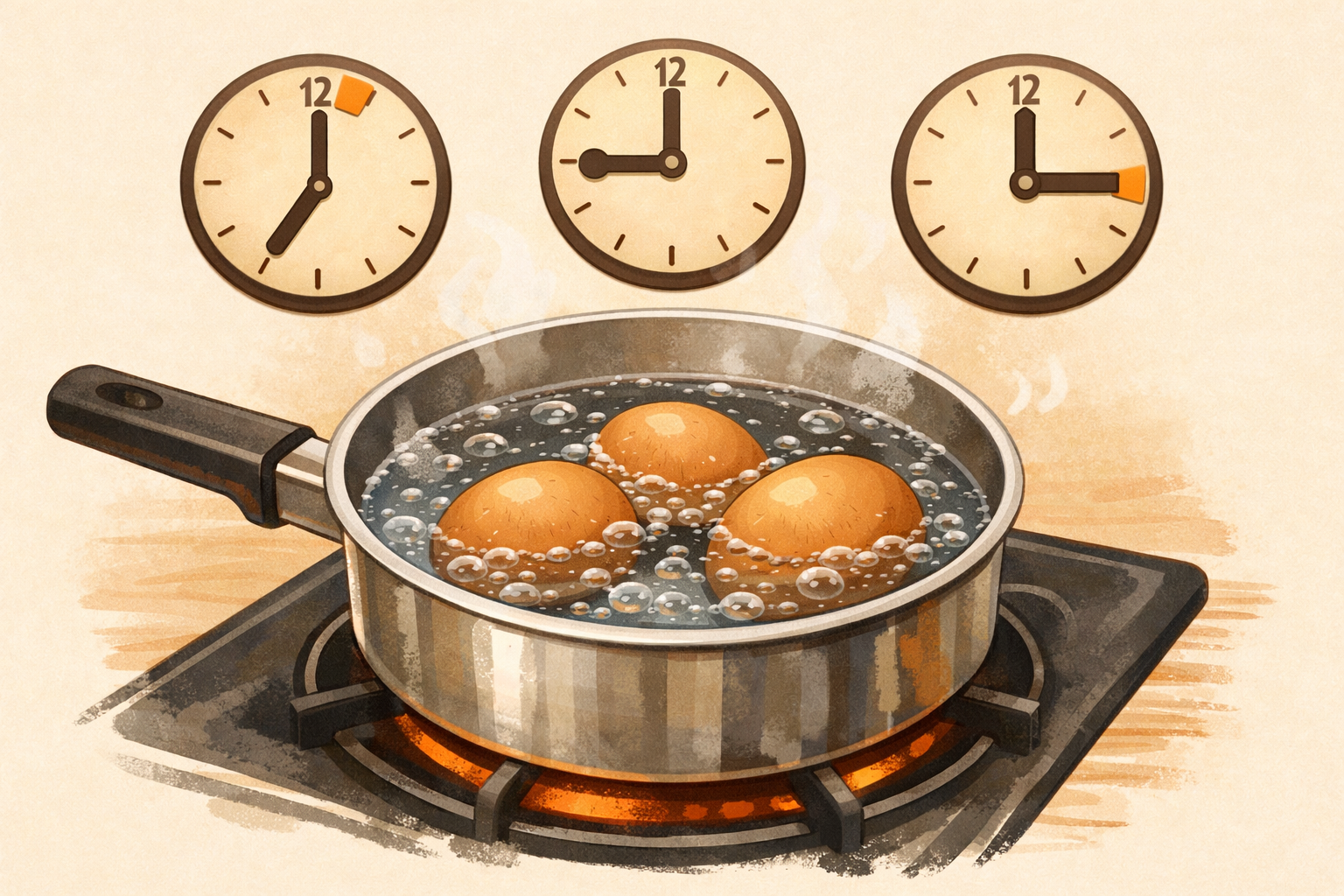
Simmer to your preferred doneness
Start timing when all eggs are in: about 6–7 minutes for soft-set yolks, 8–9 for jammy centers, and 10–12 for hard-cooked. Keep the simmer gentle so shells don’t jostle and crack.
- 10
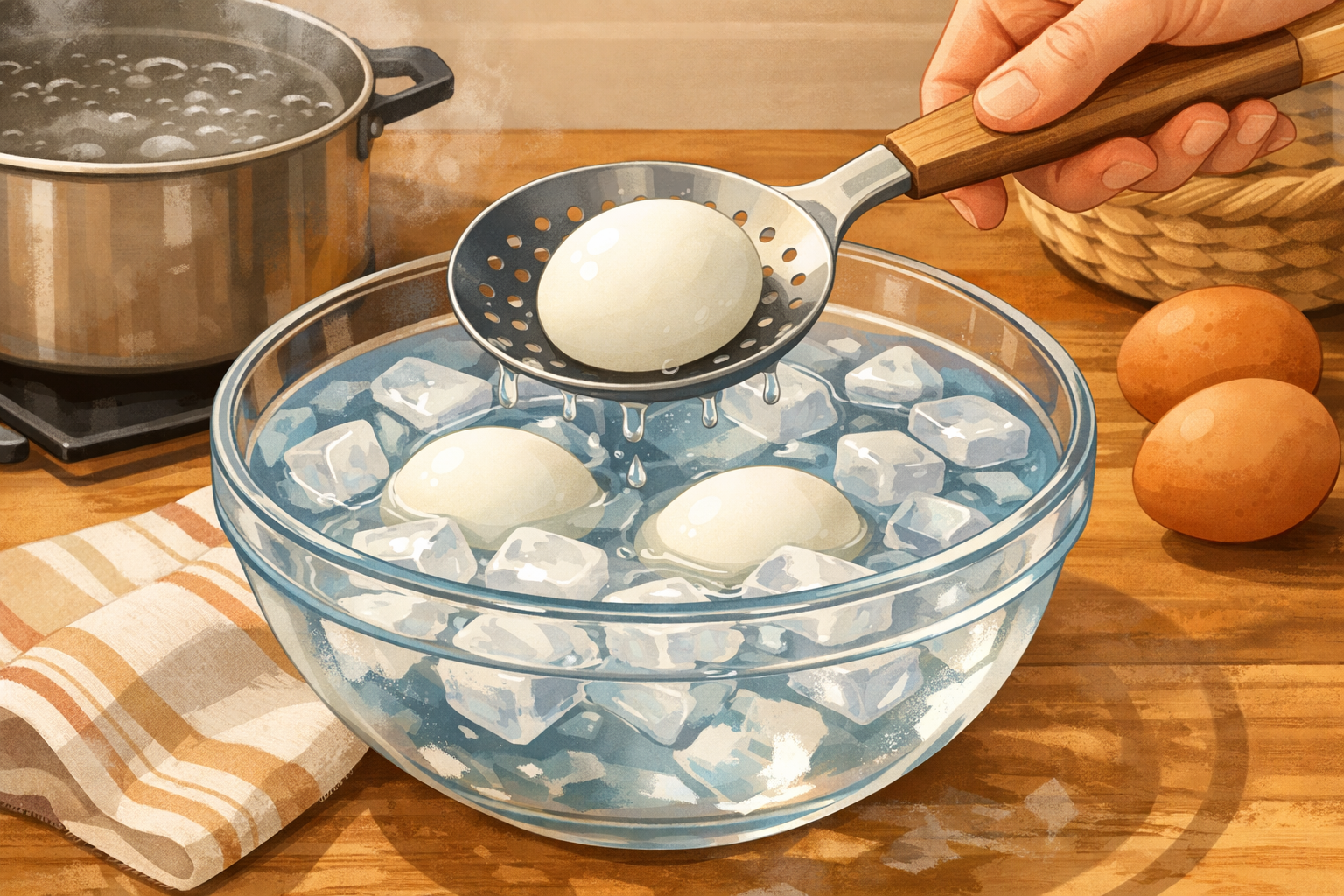
Cool promptly
Use a spoon to transfer eggs to a bowl of cold water to stop cooking. Let them sit a few minutes until cool enough to handle; this also makes peeling easier.
- 11
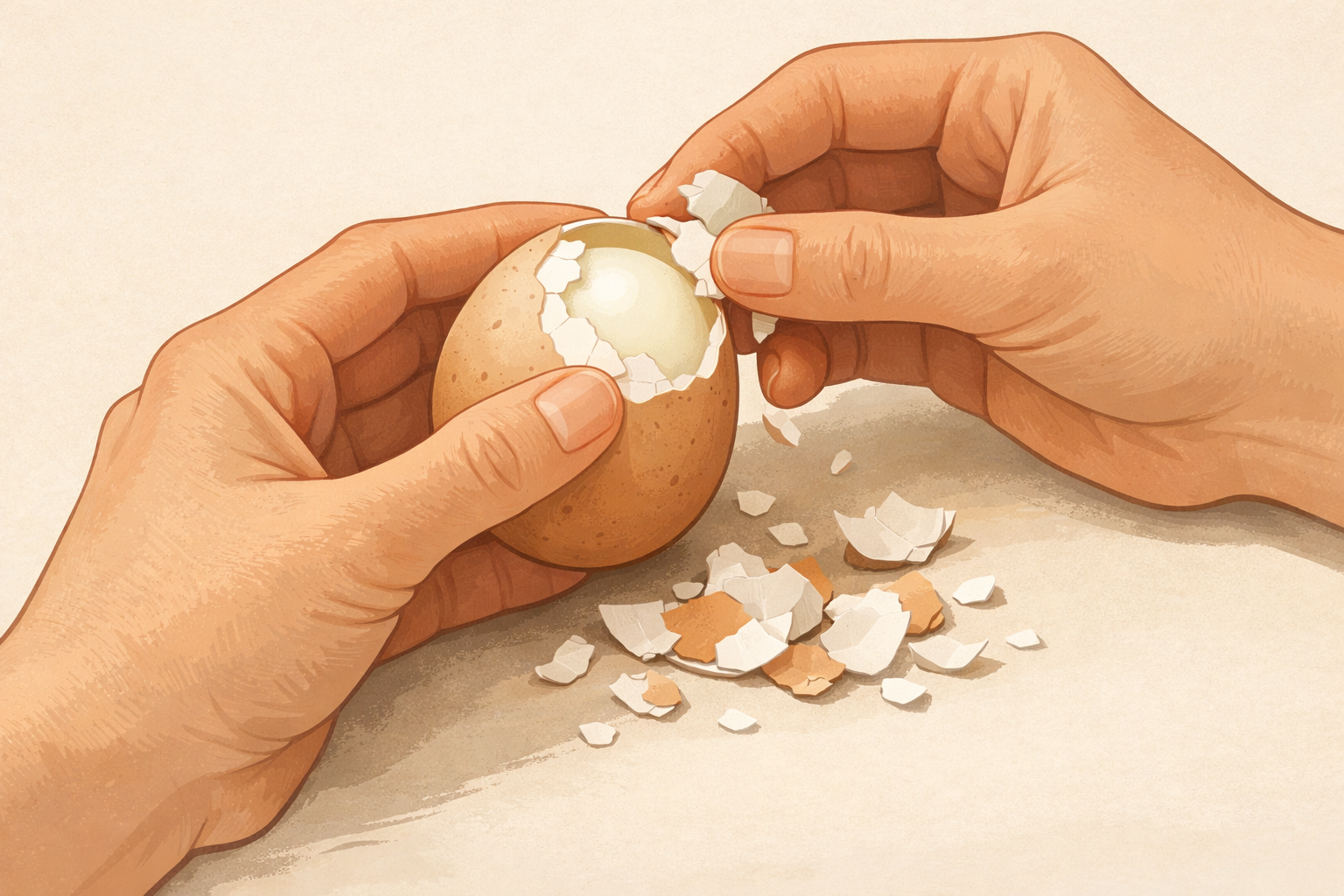
Peel and store
Tap each egg all over to crack, then peel starting from the wider end where there’s usually an air pocket. Rinse briefly to remove tiny shell bits. Unpeeled hard-cooked eggs keep better in the fridge than peeled ones.
- 12
Serve smart and simple
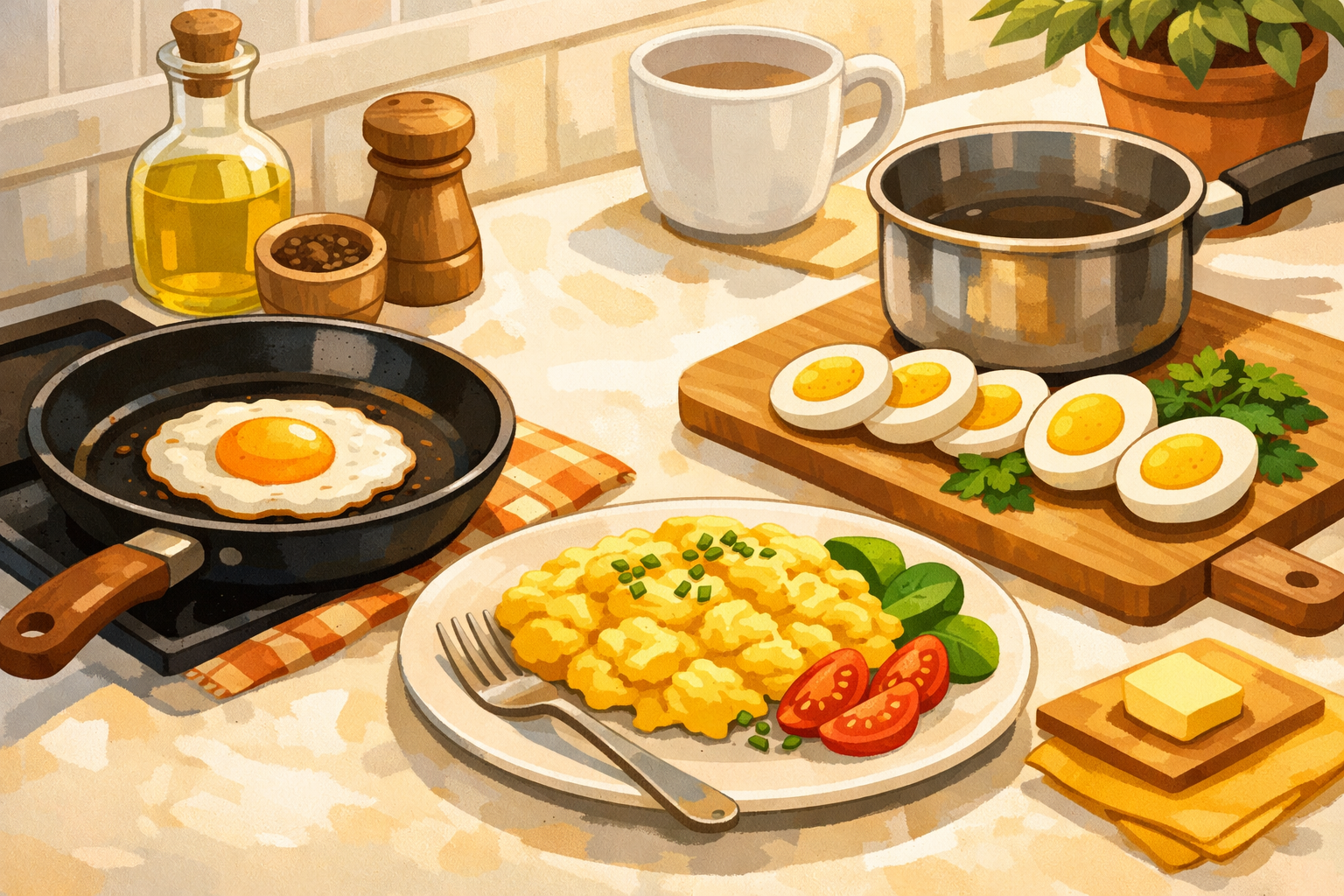
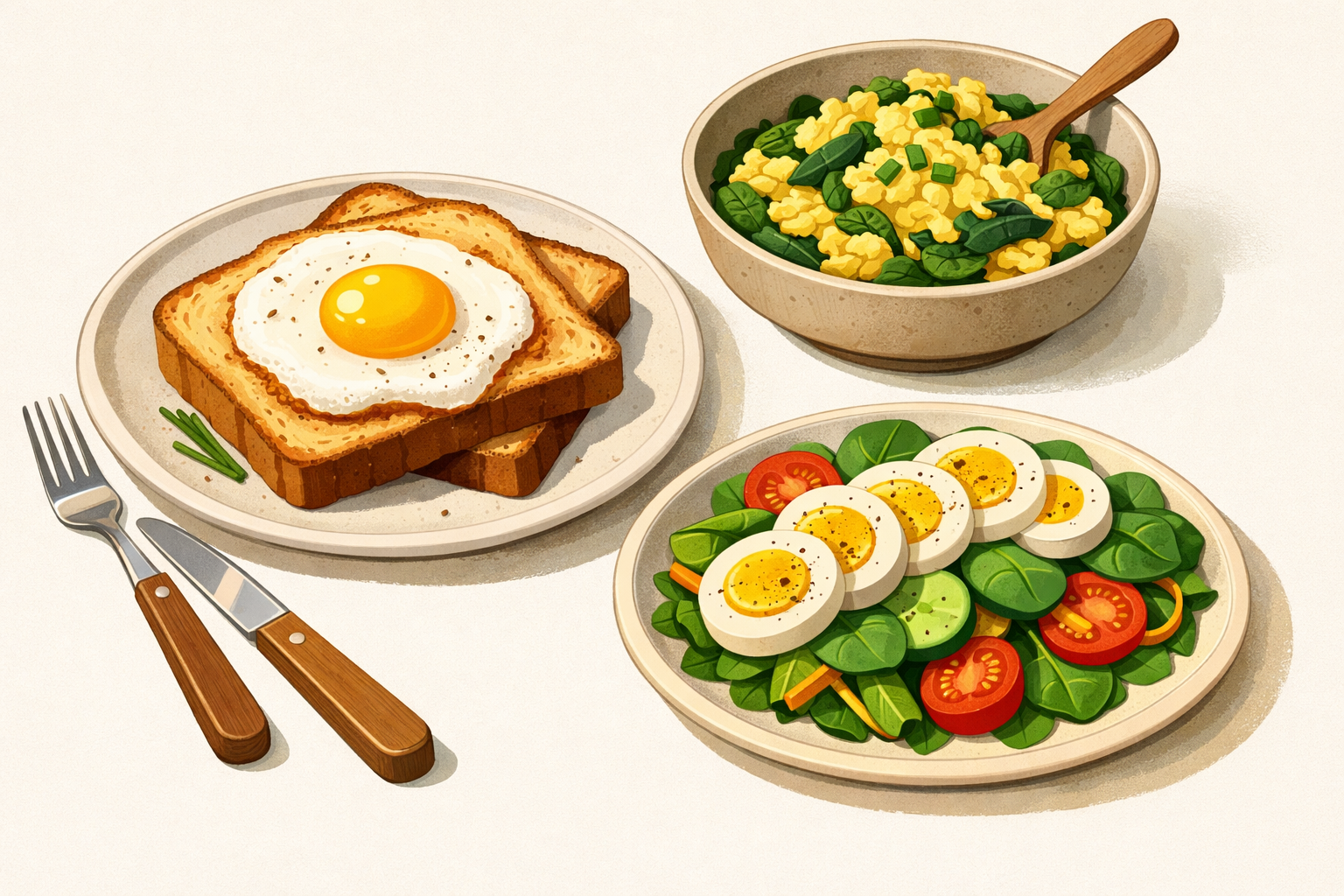
Pair fried eggs with toast or rice, spoon soft scrambles over sautéed greens, or slice boiled eggs onto salads or vegetables. Add a pinch of salt, pepper, herbs, or a drizzle of olive oil for quick finishing flavor.
If this was useful
Try one of these next

Bike & travel
How to Practice Small‑Talk Phrases Before a Trip
Build short scripts for greetings, ordering, and asking directions, record yourself and repeat, and pack a pocket card with 10 go‑to lines you can say smoothly.
Read the guide
Hobbies & crafts
How to Learn a Song in a New Language (Even If You’re Not Musical)
Choose a slow, clear song, look up the lyrics and mark unknown words, loop the chorus to memorize pronunciation, and sing along softly to lock in sounds and phrases.
Read the guide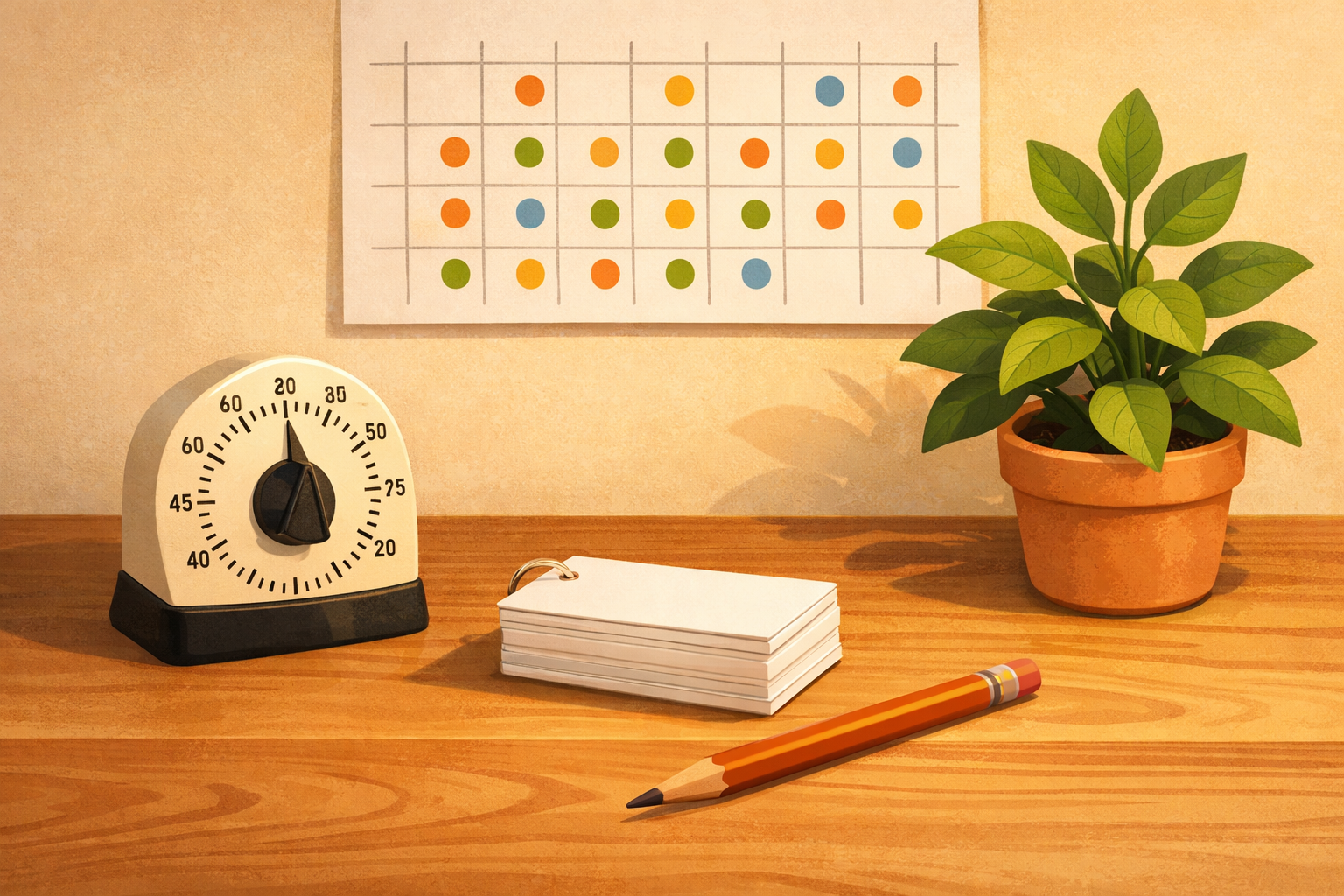
Learning
How to Set Up a 15‑Minute Daily Language Routine You Can Keep
Pick a consistent time, split 15 minutes into review, new words, and quick speaking, and track progress with a simple checklist so you build momentum without burning out.
Read the guide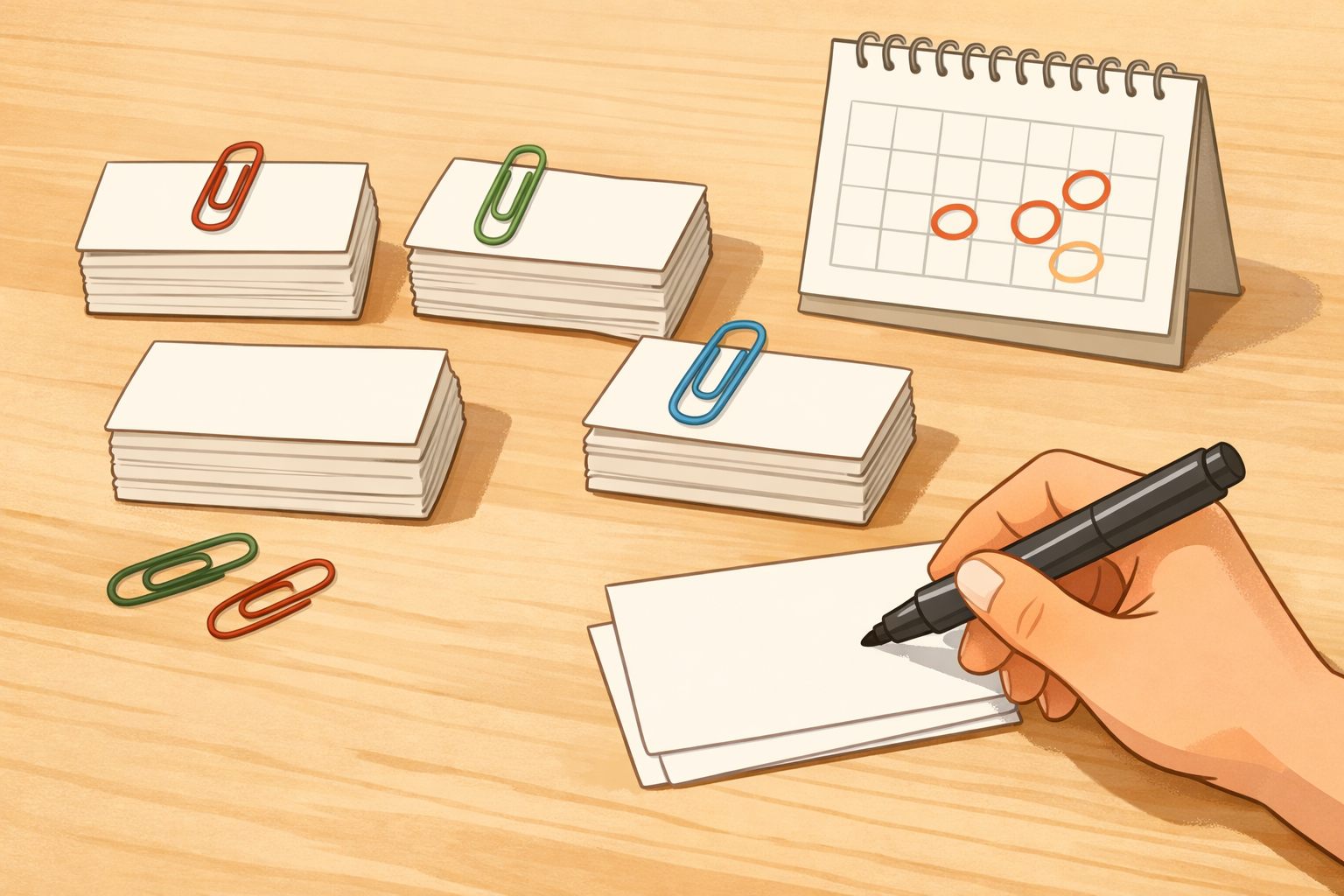
Learning
How to Make DIY Flashcards That Actually Stick
Create clear, one-word-per-card flashcards with a picture or example phrase, sort them into “know,” “review,” and “learn” piles, and revisit them on a simple spaced schedule to make what you study easier to remember.
Read the guide