Bike & travel
How to Practice Small‑Talk Phrases Before a Trip
Build short scripts for greetings, ordering, and asking directions, record yourself and repeat, and pack a pocket card with 10 go‑to lines you can say smoothly.

- 01
List the exact situations you’ll face
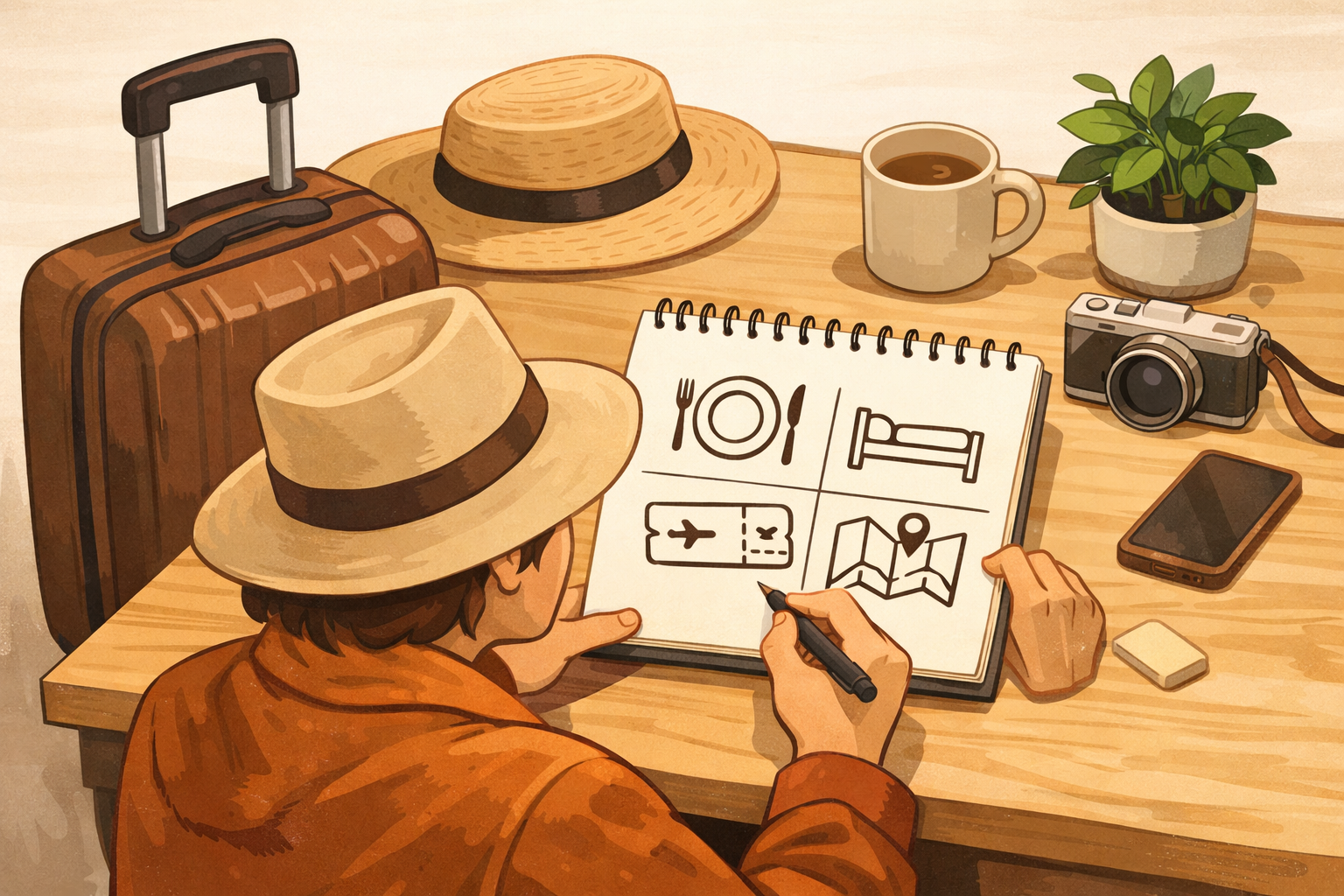
Write 5–7 moments you’re sure to encounter, such as greeting someone, checking in, ordering food or coffee, buying tickets, asking directions, making small talk about the weather, and saying thanks or sorry. This focuses your practice on what you’ll actually use.
- 02
Draft tiny scripts you can finish in 10 seconds
For each situation, write a 2–4 line mini‑dialog you could realistically say. Example: greeting + request + thanks. Keep the lines short and polite so they’re easy to deliver smoothly under light pressure.

- 03
Pick 10 go‑to lines to memorize first
Select the most useful single lines that unlock many moments, like hello, please, thank you, excuse me, I’d like…, how much is…, where is…, I speak a little…, slower please, and do you speak English/another language. These become your pocket set.

- 04
Add polite openers and closers
Wrap your requests with a friendly greeting and a thank‑you. Also prepare a softener such as could you please… and a repair line like sorry, I didn’t catch that. This keeps interactions warm and buys time if you need it.

- 05
Write your own phonetic hints and stress marks
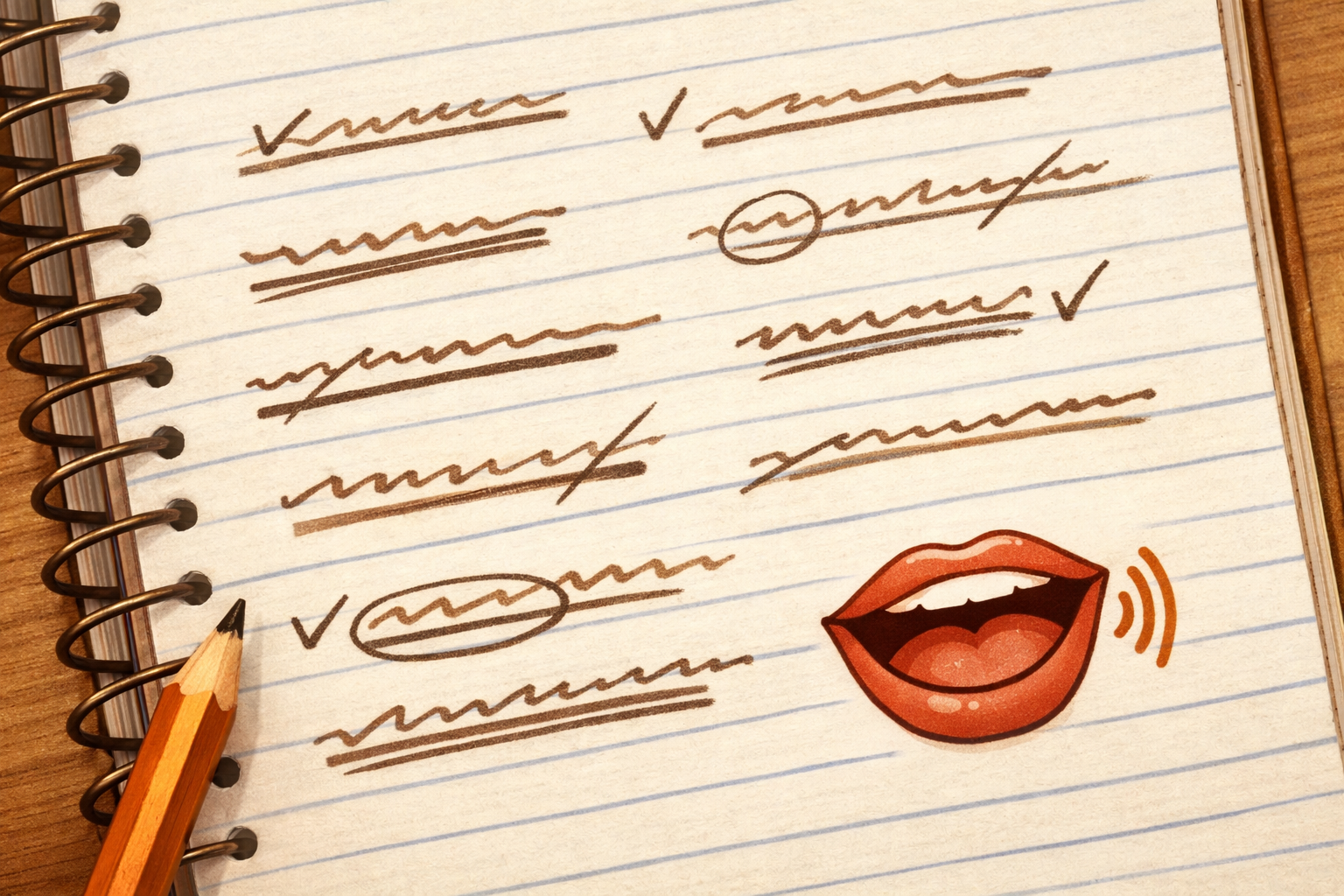
Under each line, jot simple pronunciation hints in your own letters and mark the syllable to stress. Don’t aim for perfection—aim for sounds you can repeat consistently and clearly.
- 06
Record a clean practice track
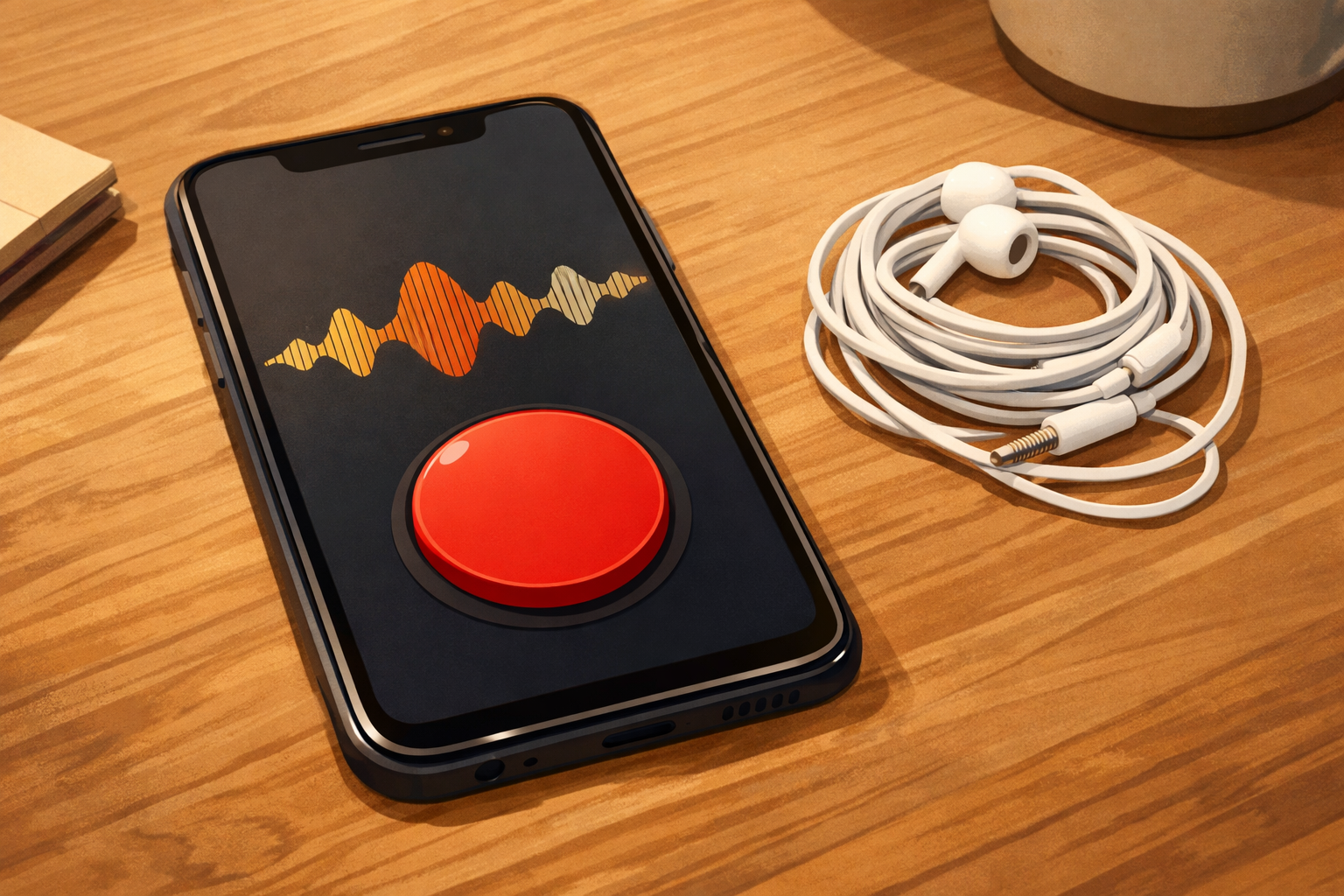
Use any voice recorder: say each line clearly, pause three beats for echo practice, then repeat the line once more. Put each situation in a separate track so you can loop what you need on the go.
- 07
Shadow and echo until it feels smooth
Play a track and speak along with it (shadowing). On the pauses, echo the line solo. Focus on smooth rhythm and polite tone, not speed. Reduce hesitations and filler in your delivery.

- 08
Schedule short spaced reps
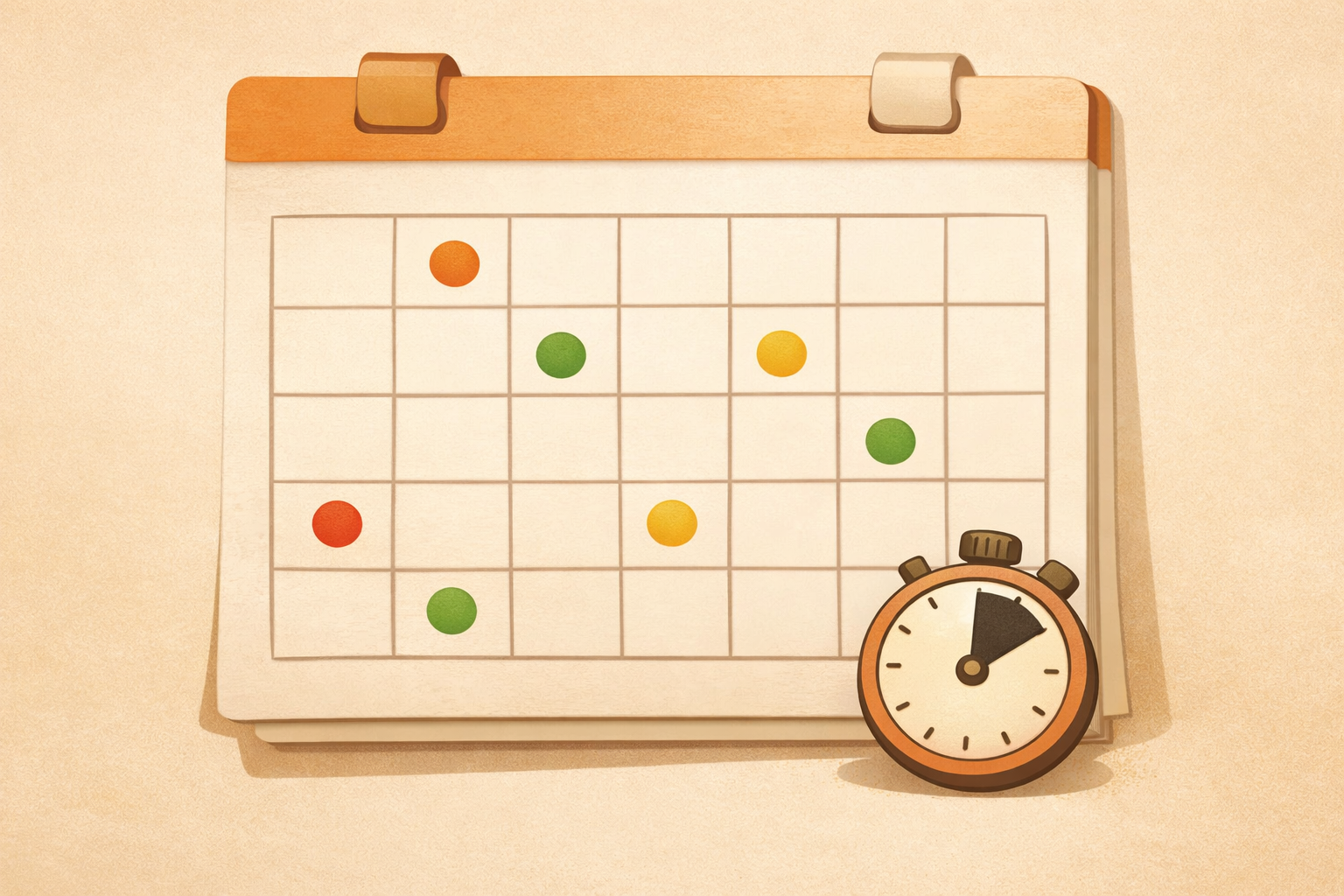
Do three quick loops today, one tomorrow, and one more in a few days. Keep sessions under 10 minutes. Frequent, short refreshers beat one long cram and help phrases come out automatically.
- 09
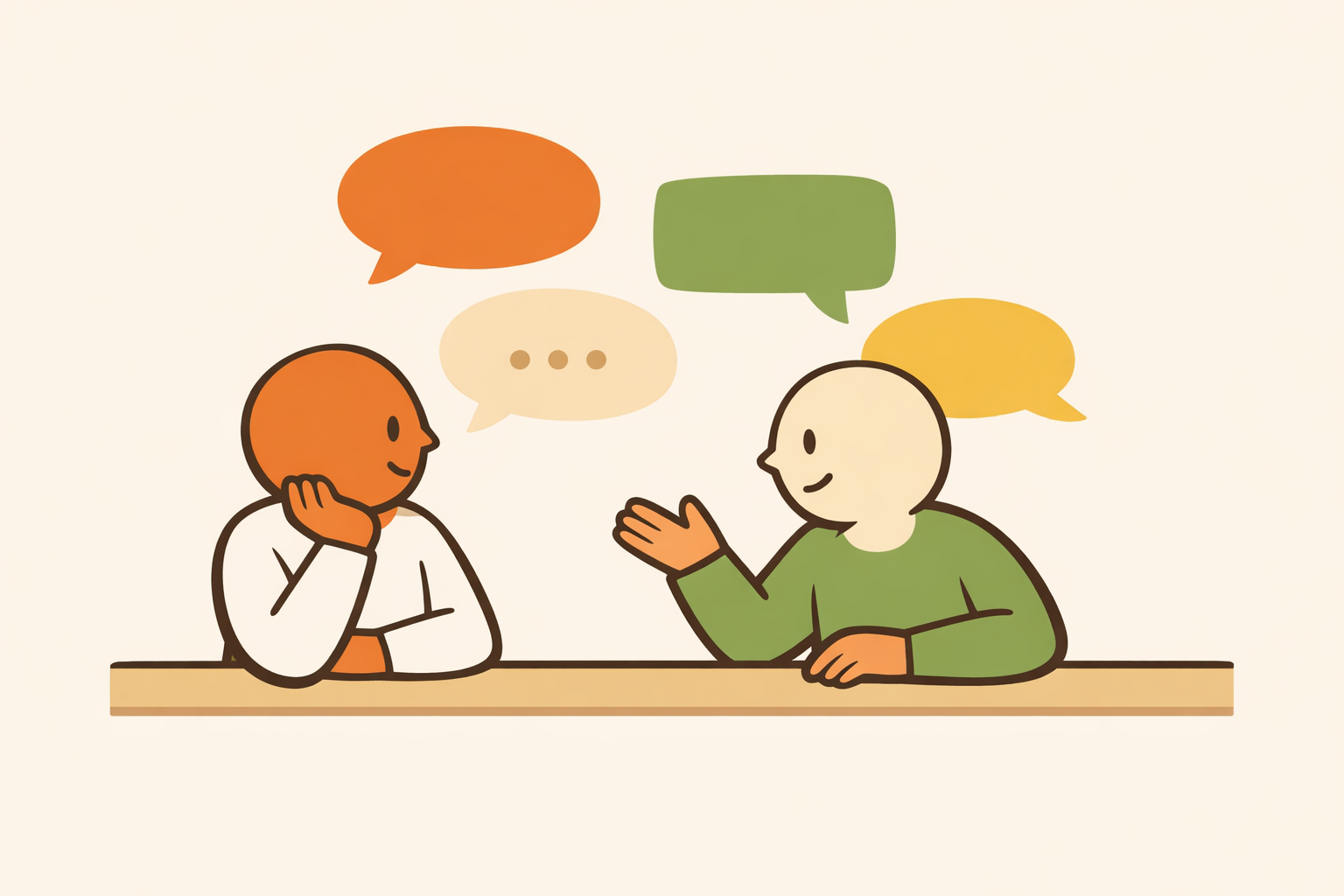
Role‑play likely replies
For each script, imagine the other person’s common answers (yes, no, amount, direction). Speak your line, pretend to hear a reply, then follow up with your next prepared line. This builds turn‑taking confidence.
- 10
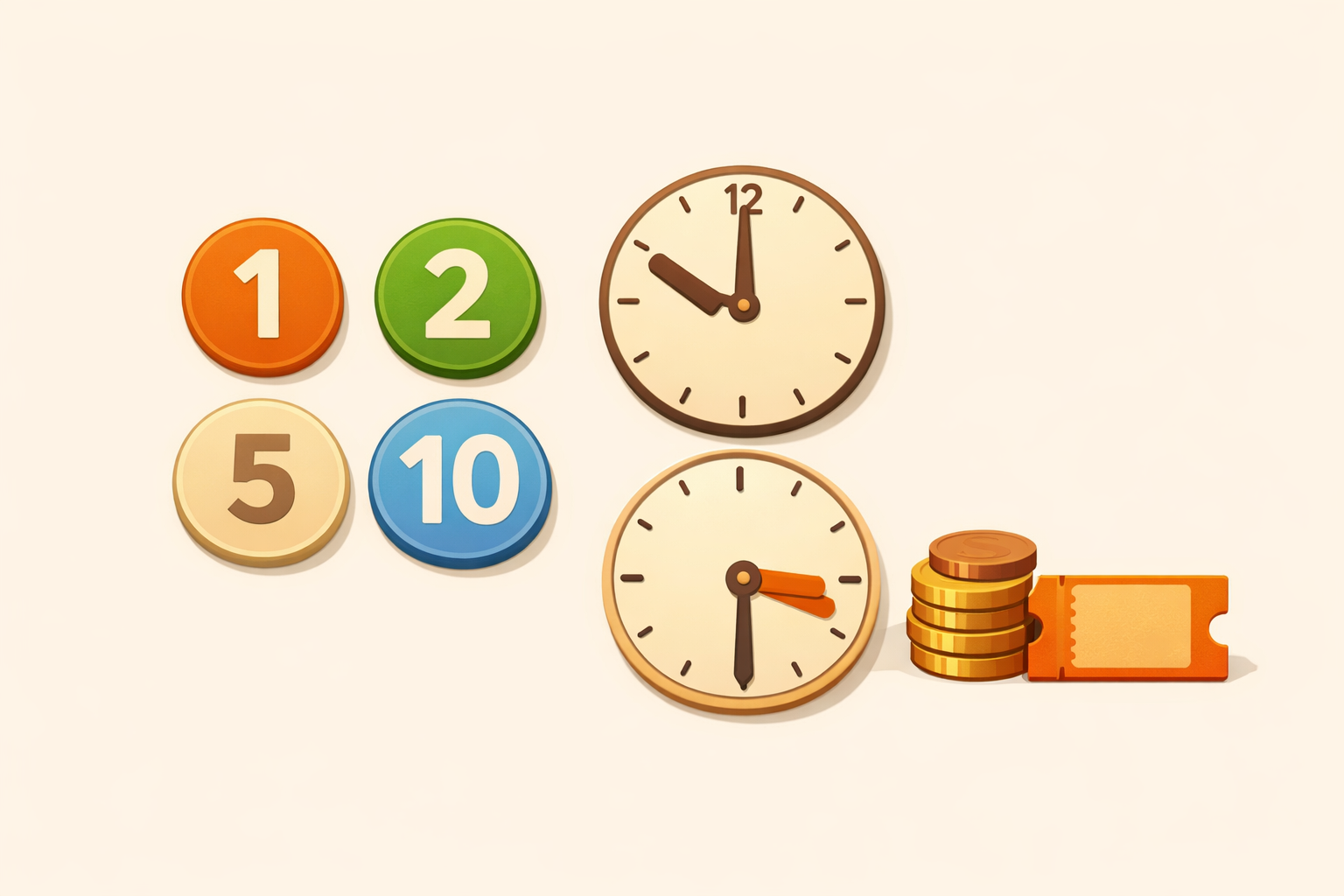
Drill numbers, times, and amounts
Practice saying 0–10, common prices, and clock times you’ll need. Pair them with your scripts: for example, asking the price and understanding a number, or confirming a time for tickets or breakfast.
- 11
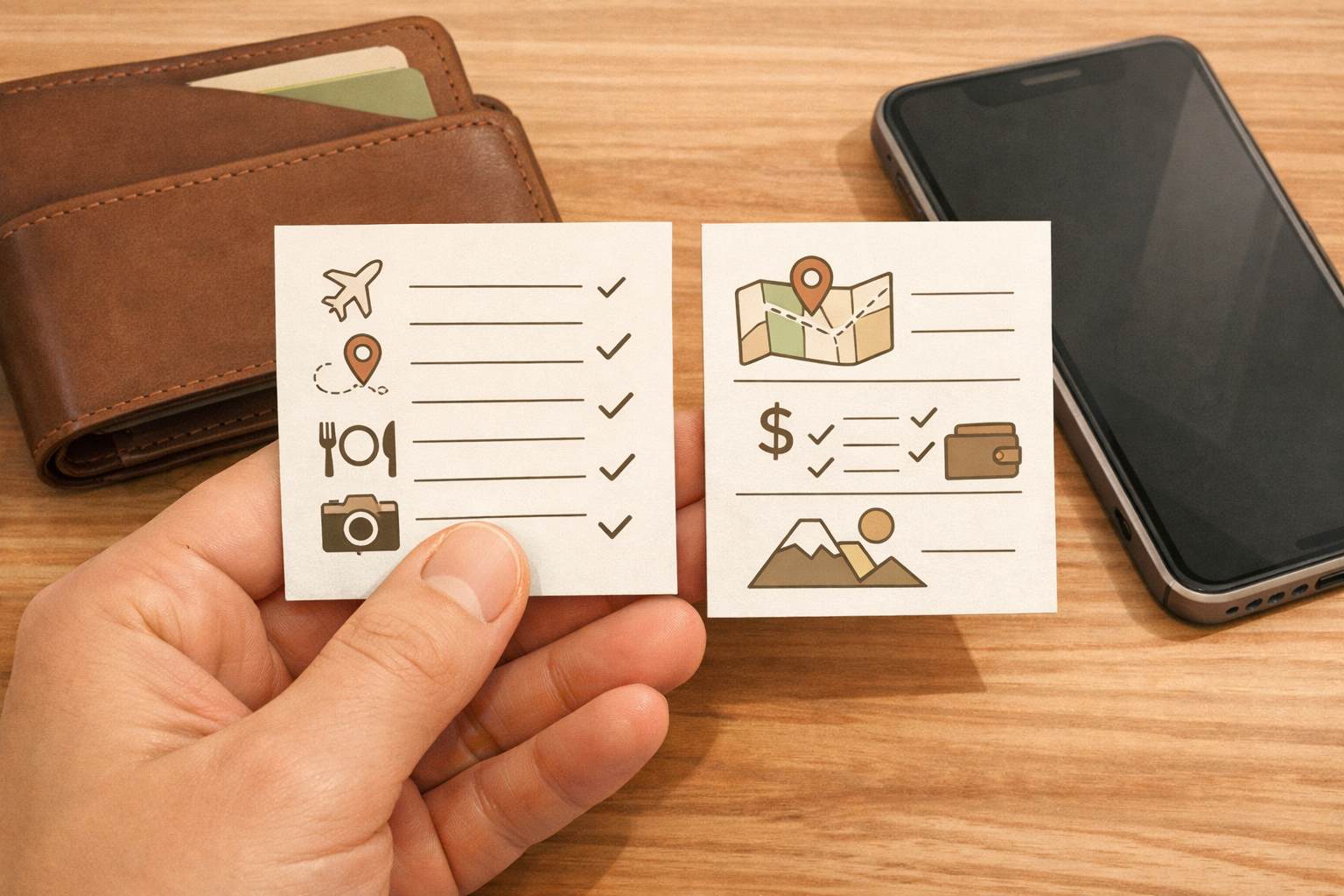
Prepare a pocket card with your 10 lines
On a small card, print your top 10 phrases with your phonetic hints. Put greetings and thanks on one side; requests and repair lines on the other. Keep it in your wallet or phone case for quick glances in line.
- 12
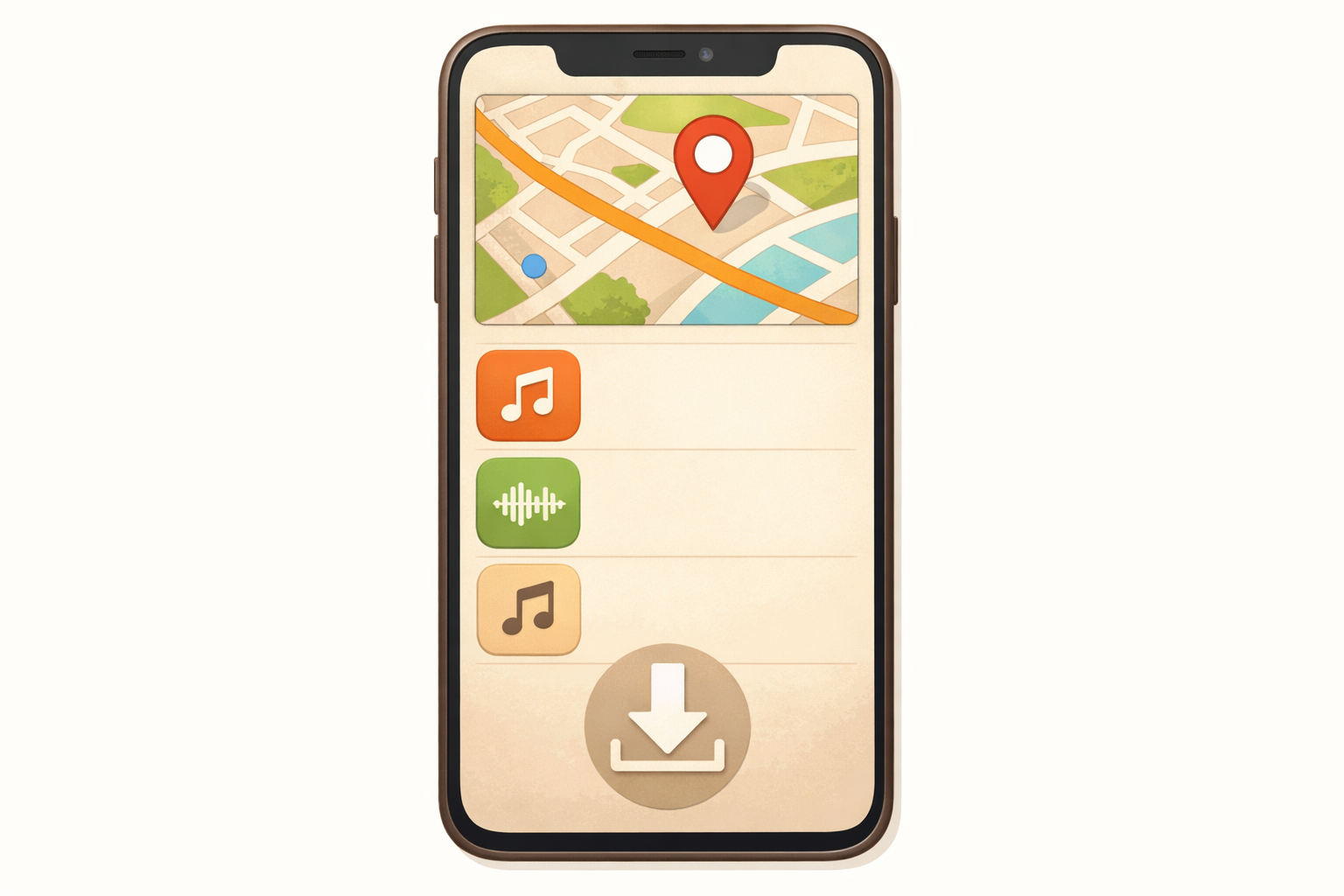
Save offline audio and a mini map
Store your practice tracks offline in a clearly named folder. Add a simple offline map screenshot of your lodging area and a few landmarks so you can combine spoken directions with pointing if needed.
- 13
Rehearse a calm repair strategy
If you get stuck, smile, use your apology line, and switch to alternatives: slower please; could you write it down; could you point on the map; or a simple gesture plus your thank‑you. Practicing this keeps conversations friendly.

- 14
Do a 5‑minute warm‑up on travel days
Right before you head out, run one loop of greetings, one of ordering, one of directions, and end with thanks and repair lines. This quick refresher puts the phrases at the top of your mind.

If this was useful
Try one of these next

Hobbies & crafts
How to Learn a Song in a New Language (Even If You’re Not Musical)
Choose a slow, clear song, look up the lyrics and mark unknown words, loop the chorus to memorize pronunciation, and sing along softly to lock in sounds and phrases.
Read the guide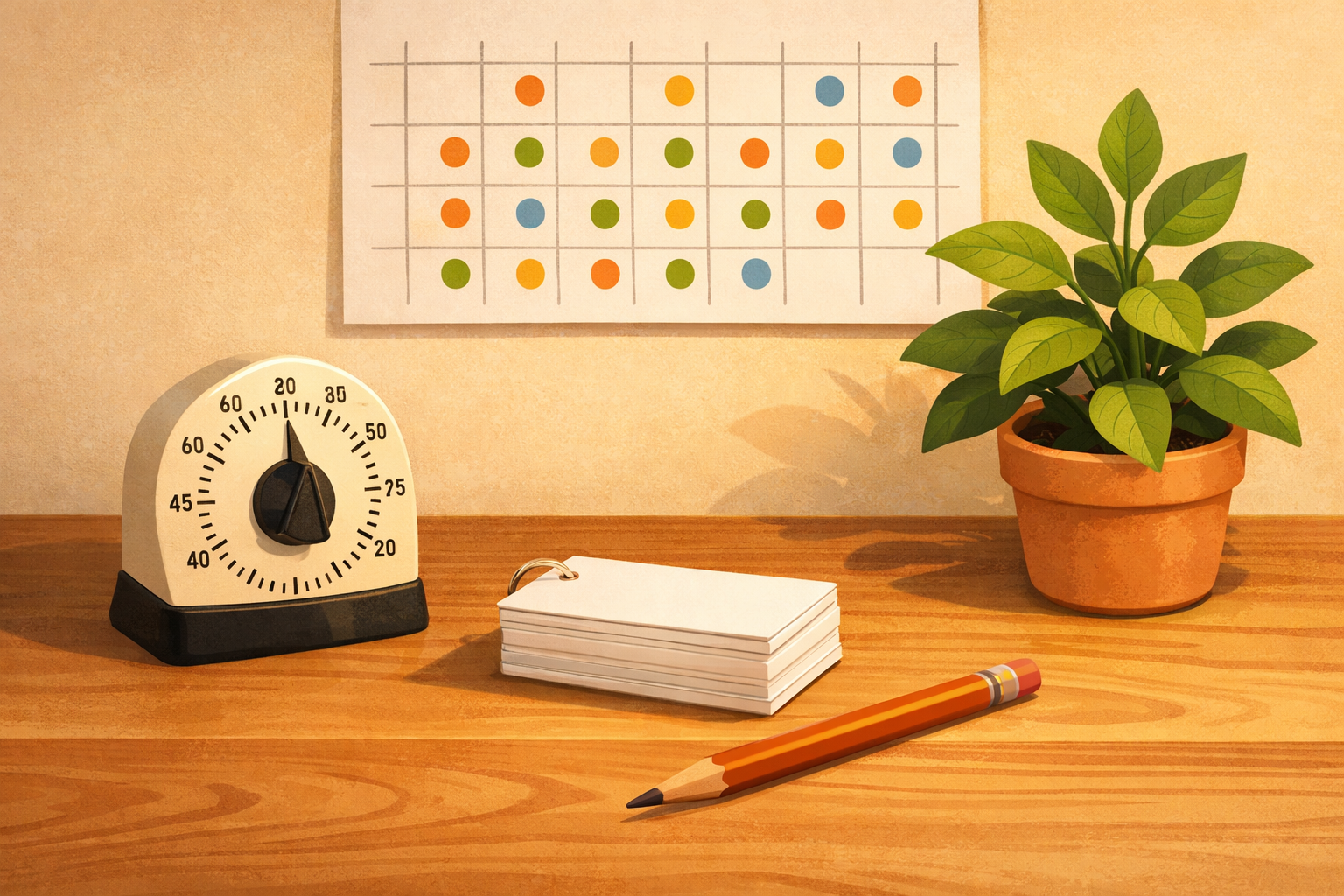
Learning
How to Set Up a 15‑Minute Daily Language Routine You Can Keep
Pick a consistent time, split 15 minutes into review, new words, and quick speaking, and track progress with a simple checklist so you build momentum without burning out.
Read the guide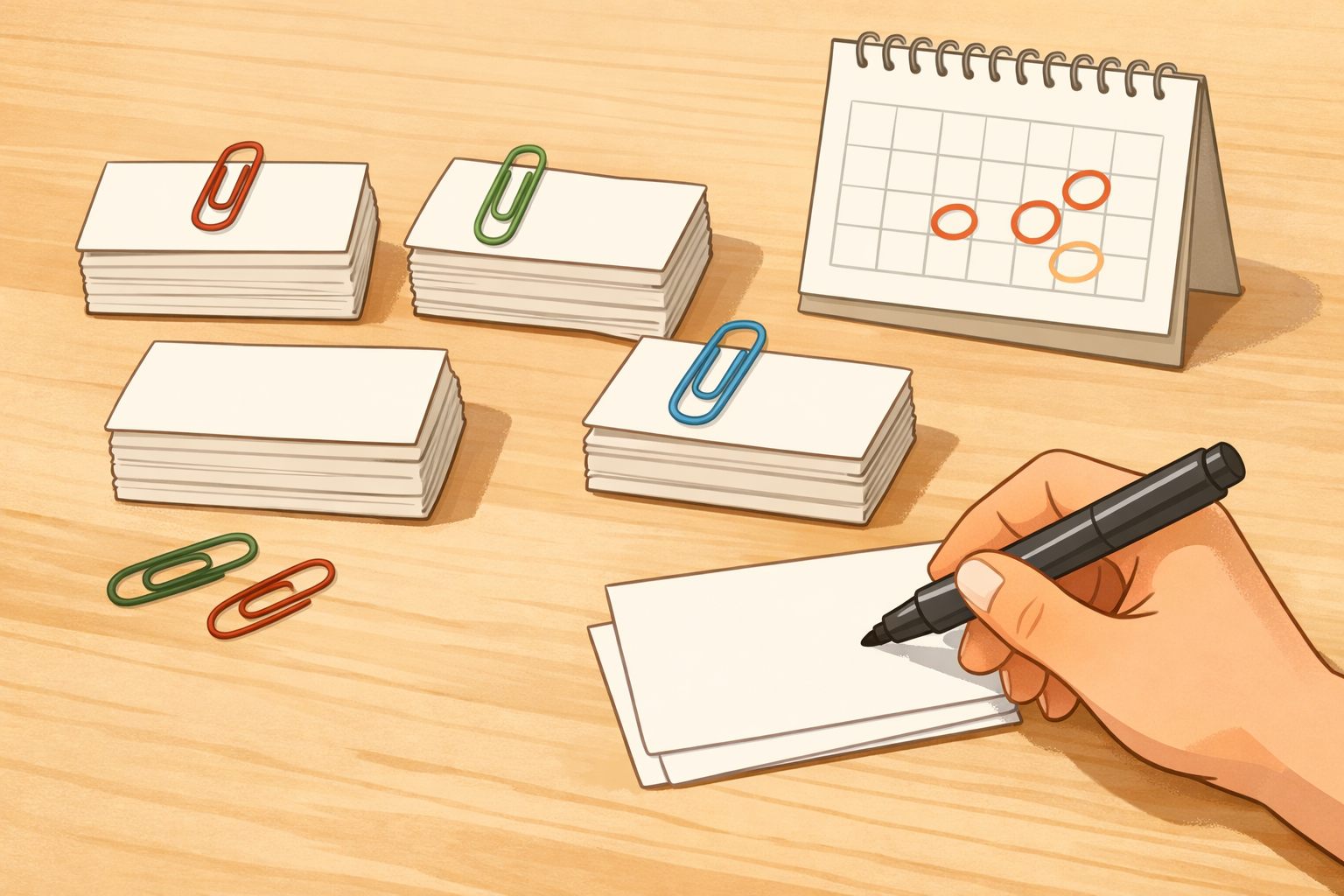
Learning
How to Make DIY Flashcards That Actually Stick
Create clear, one-word-per-card flashcards with a picture or example phrase, sort them into “know,” “review,” and “learn” piles, and revisit them on a simple spaced schedule to make what you study easier to remember.
Read the guide
Home & life
How to Label Your Home to Learn Everyday Words
Use small sticky notes to label 30–50 common items (door, window, cup), say each word aloud during chores, and rotate labels weekly to steadily expand vocabulary.
Read the guide