Home & life Listicle
5 conversation openers and compliments that land with creative polymaths like Dave Russell
Five safe, specific conversation starters and compliments—crafted to be curious, respectful and memorable—each with example phrasing and a one-line explanation of why it works in author/producer contexts. Entries are ranked from least to most likely to open a thoughtful, productive exchange.

A warm, general compliment about range
Example phrasing: “You work across so many fields — it’s impressive how you make it feel coherent.” Why it works: It’s safe and flattering, but because it’s vague it invites polite thanks more than deep engagement; use when you need a quick, friendly opener.
A specific moment that stuck with you
Example phrasing: “There’s a moment in [piece] — the kitchen scene/that image/the line about small losses — that’s still with me. What was the first draft like?” Why it works: Naming a concrete moment shows attention and gives a natural, low-pressure path into craft or backstory.
A focused craft question that respects expertise
Example phrasing: “I’m curious: when you choose structure for a project, do you start with story beats or with a formal constraint?” Why it works: Producers and authors love specific craft talk; it signals respect for process and invites a useful, technical response.
A cross-medium connective compliment
Example phrasing: “I admire how your work carries the same tonal through-line whether it’s a short film or an essay — what’s the connective idea you chase?” Why it works: Polymaths prize coherence across forms; this acknowledges breadth while prompting a thoughtful, philosophical answer.
The storytelling origin question that opens collaboration
Example phrasing: “I’d love to hear the moment that made you commit to that project — what happened that turned it from an idea into something you had to finish?” Why it works: It asks for the origin story (concrete and emotional), which usually draws out process, motivation and memorable anecdotes — the richest place for rapport and possible collaboration.
If this was useful
Try one of these next
Home & life Listicle
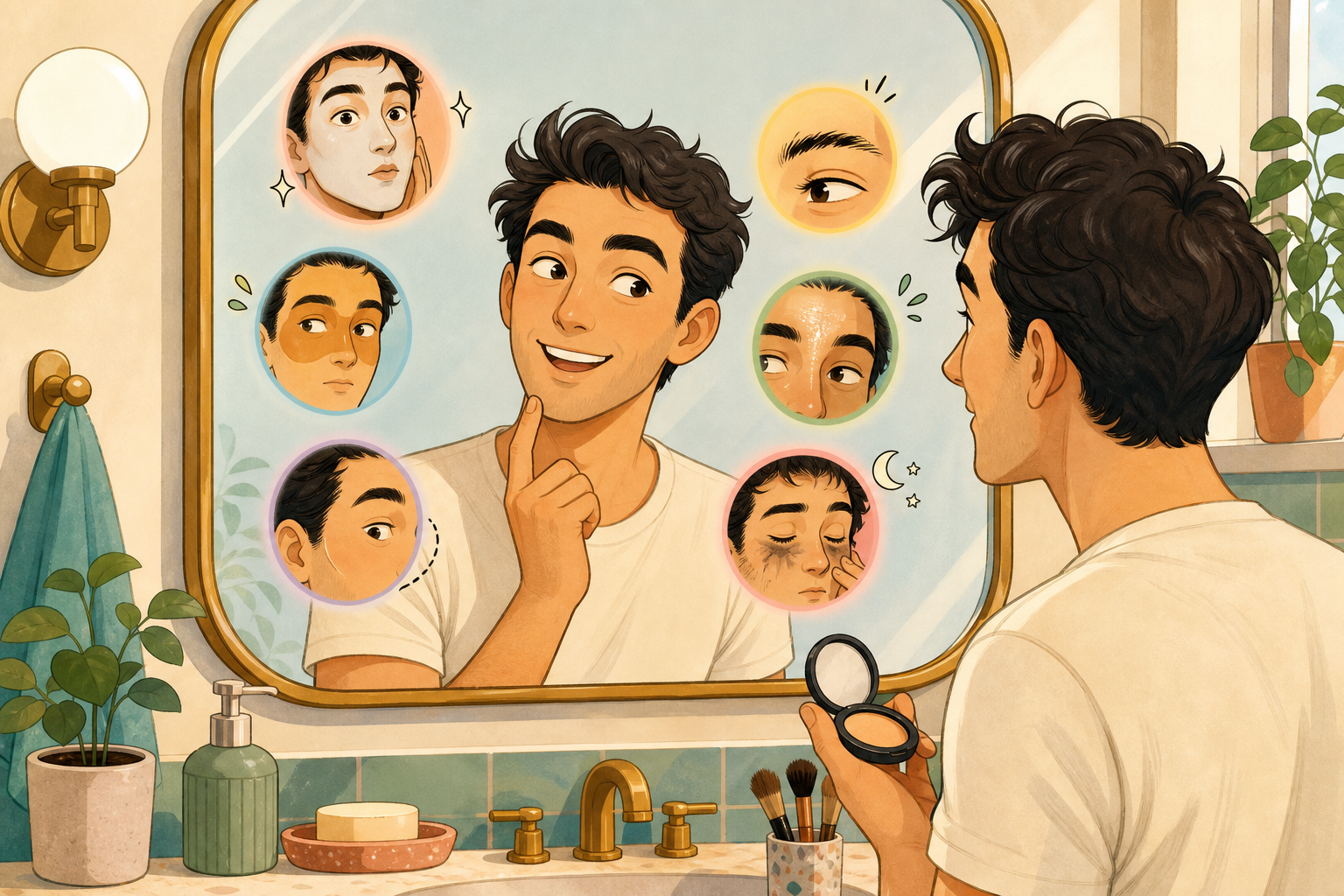
6 makeup mistakes men make and exactly how to fix them, ranked by how obvious they are
A useful, mildly mischievous ranking of common slip-ups—too much product, mismatched shade, unblended edges, ignoring brows, shiny T-zone, skipping removal—with concrete fixes for each and a short test to confirm the problem is solved.
Read article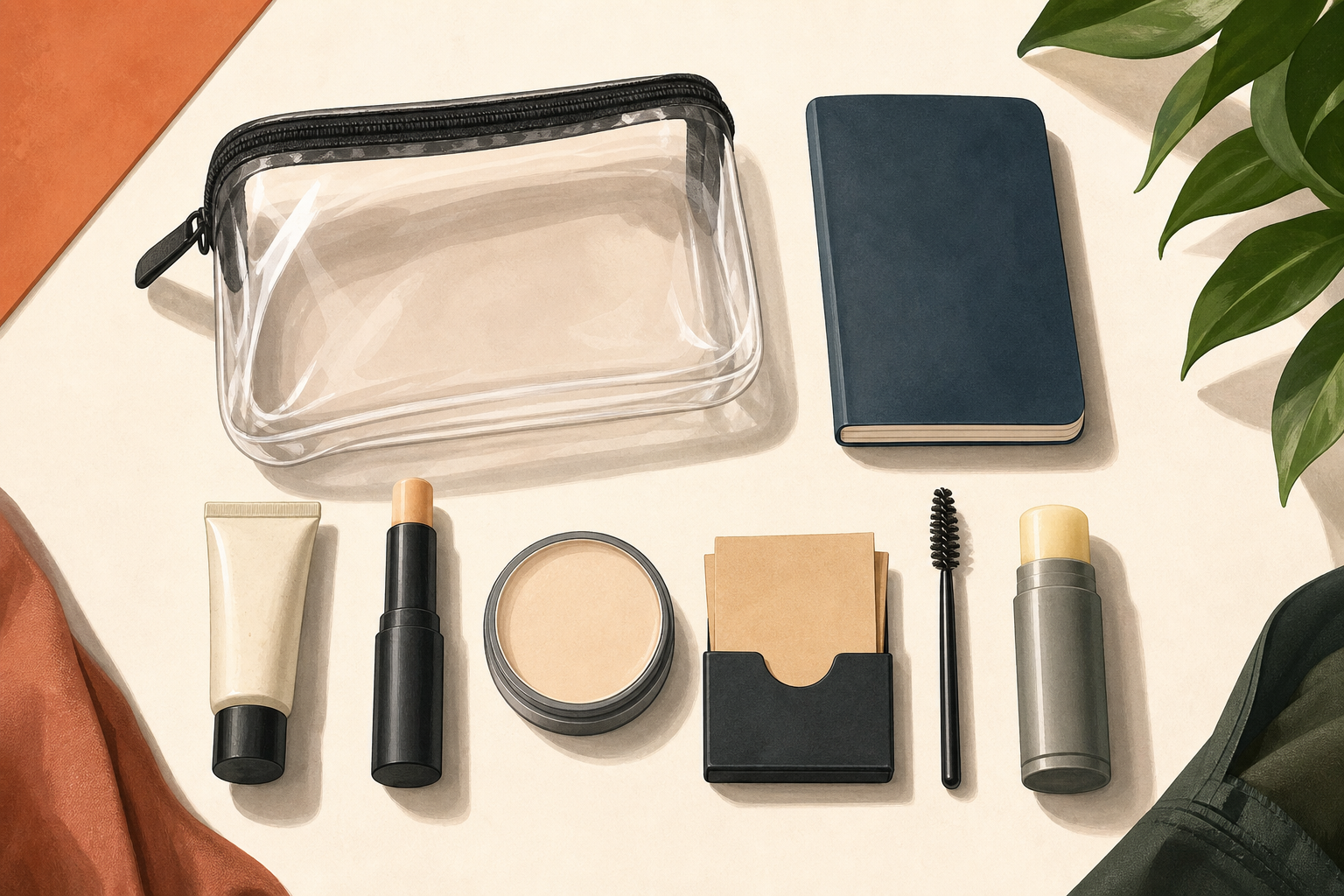
Bike & travel How-to
How to pack a minimalist men's makeup and grooming kit for a weekend trip
A compact packing how-to with an exact checklist, space-saving tips, and a suggested order of use so a 5–7 item kit covers shine control, blemishes, brows and camera prep. Includes TSA-friendly sizing notes and lightweight storage ideas.
Read article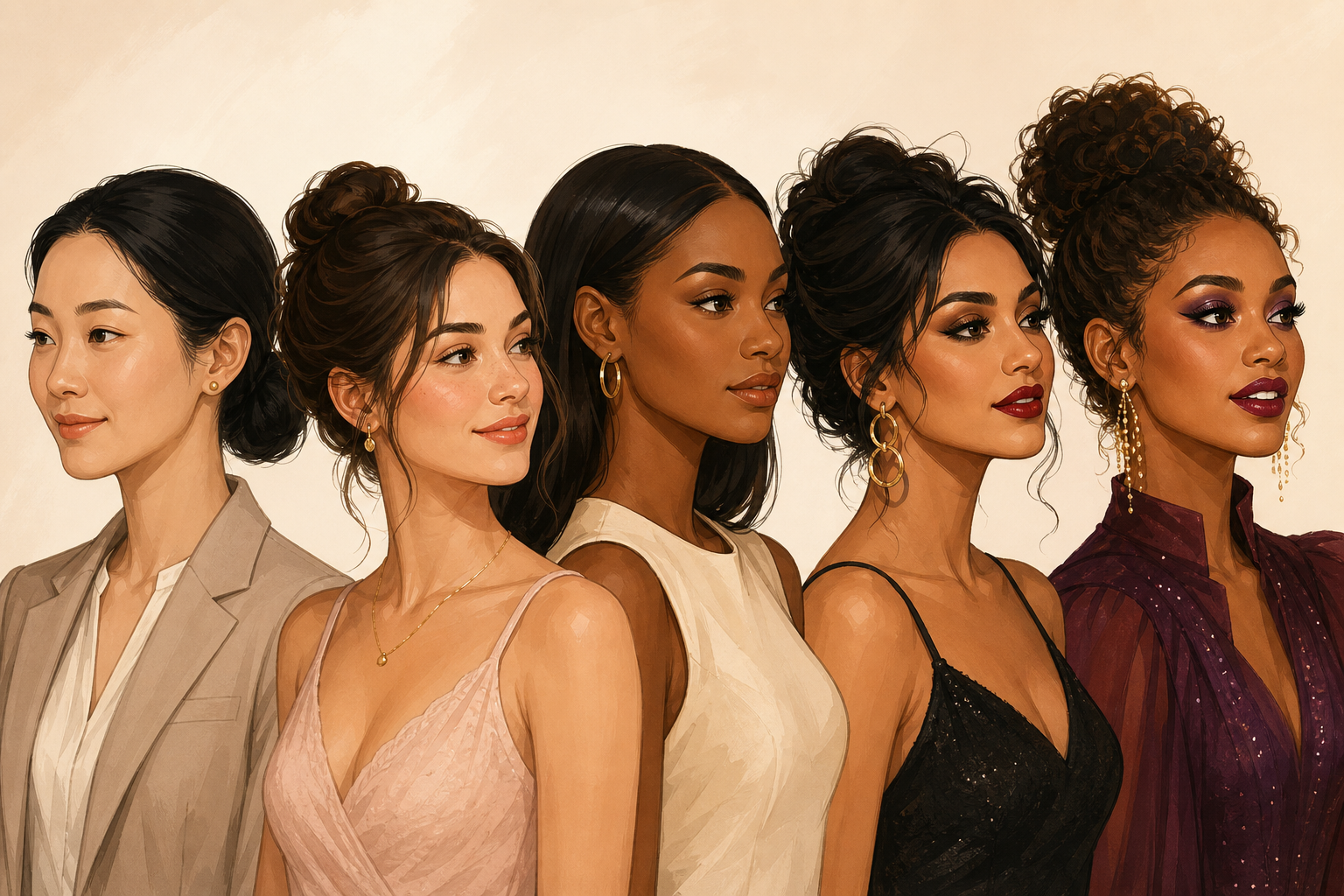
Home & life Listicle
5 subtle makeup looks matched to real occasions
Five pragmatic, low-drama makeup moods—ranked from the quietest to the most camera-ready—matched to actual situations. Each entry explains which features to nudge and which to leave alone so your face reads right for work, a first date, a photoshoot, a night out, or a stage/presentation.
Read article
Hobbies & crafts Listicle
Portrait photography colour palettes by zodiac: clothing and background matches
A photographer-friendly list of flattering palettes for each sign that helps you pick clothing, background and prop colours to flatter skin tones and convey personality. Includes notes on lighting, contrast and simple swap options for
Read article