Learning Listicle
8 thirty-minute reading + listening break recipes inspired by a multi-hyphenate creator
Each of these eight 30-minute break combos pairs a focused 10–15 minute reading or writing sprint with a 15–20 minute listening or reflective walk. Ranked from least compelling to best, the list favors combinations that are easy to start, reliably restorative, and pleasantly portable—each entry notes the mood, setup, and a single-line reason it works.

Email-eject: quick article skim + city hum
Mood: low-friction tidy-up. Setup: spend 10–12 minutes reading a single short article or newsletter item on your phone, then take a 15–18 minute walk with a gentle, non-demanding ambient playlist or the sound of the city. Why it works: clears mental clutter and gives your eyes a break without demanding deep focus.
Poem in the pocket + birdsong ambles
Mood: curious and soft-edged. Setup: read one or two short poems (10–15 minutes) sitting or standing, then walk for 15–20 minutes while listening to a quiet instrumental or natural soundscape. Why it works: short, concentrated language primes attention, and a gentle walk lets images settle without pressure.
Interview excerpt + conversational podcast stroll
Mood: engaged and sociable. Setup: spend 10–15 minutes reading a short interview excerpt or profile, then walk 15–20 minutes while listening to a conversational podcast episode or interview segment. Why it works: switching from reading another person’s voice to listening keeps momentum and deepens connection to ideas.
Nonfiction nugget + classical window-walk
Mood: quietly investigative. Setup: read a 10–15 minute nonfiction passage—an essay chapter, a long-form article section—then walk for 15–20 minutes with a calming classical or instrumental set. Why it works: cerebral input followed by steady, structured music helps consolidate new facts or concepts.
Micro-fiction sprint + moody soundtrack
Mood: playful and daring. Setup: write a 10–15 minute flash fiction piece or edit an existing paragraph, then head out for a 15–20 minute walk with a moody, cinematic playlist. Why it works: brief creative production feels complete, and atmospheric music sustains the story’s tone as you move.
Morning pages reboot + nature sound walk
Mood: clearing and restorative. Setup: do a 10–15 minute stream-of-consciousness writing session (morning pages style), then spend 15–20 minutes walking in green space while listening to either natural ambient recordings or soft instrumentals. Why it works: expressive dumping followed by calm auditory input restores mental bandwidth.
Paragraph polish + lyrics-on-repeat walk
Mood: focused and satisfying. Setup: take 10–15 minutes to revise a single paragraph or micro-section of your work, then walk for 15–20 minutes while listening to a short album, EP, or playlist of songs with lyrics you enjoy. Why it works: the precise micro-editing rewards you quickly, and a lyric-forward walk keeps motivation up without demanding more writing.
Chapter stretch + favorite mini-album
Mood: replenishing and celebratory. Setup: read 10–15 minutes of a novel or longer narrative slice you’re invested in, then walk for 15–20 minutes while playing a favorite mini-album, EP, or carefully curated 15–20 minute playlist. Why it works: the emotional continuity between a beloved reading passage and a familiar, mood-matching listen yields the most reliably restorative break.
If this was useful
Try one of these next
Home & life Listicle
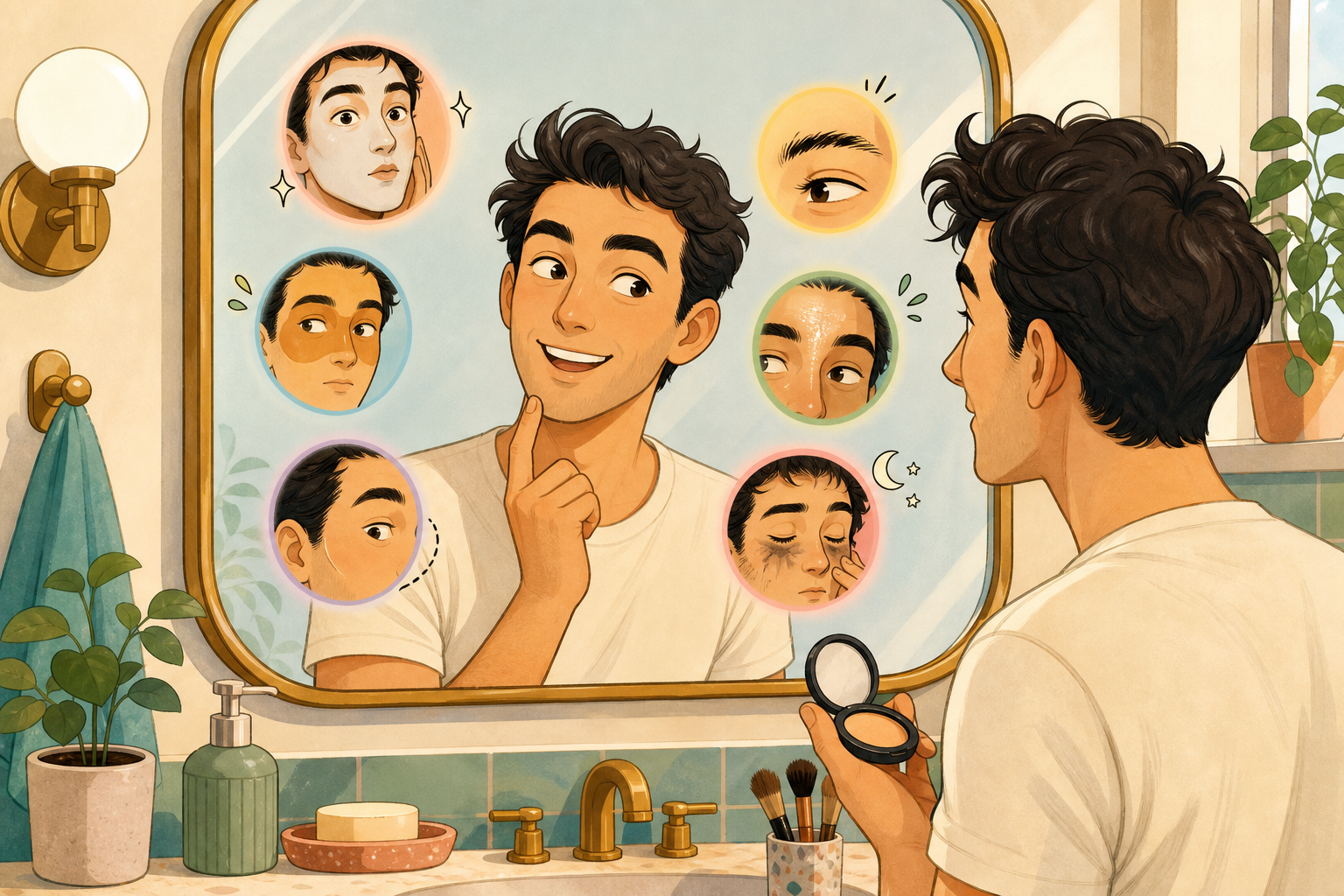
6 makeup mistakes men make and exactly how to fix them, ranked by how obvious they are
A useful, mildly mischievous ranking of common slip-ups—too much product, mismatched shade, unblended edges, ignoring brows, shiny T-zone, skipping removal—with concrete fixes for each and a short test to confirm the problem is solved.
Read article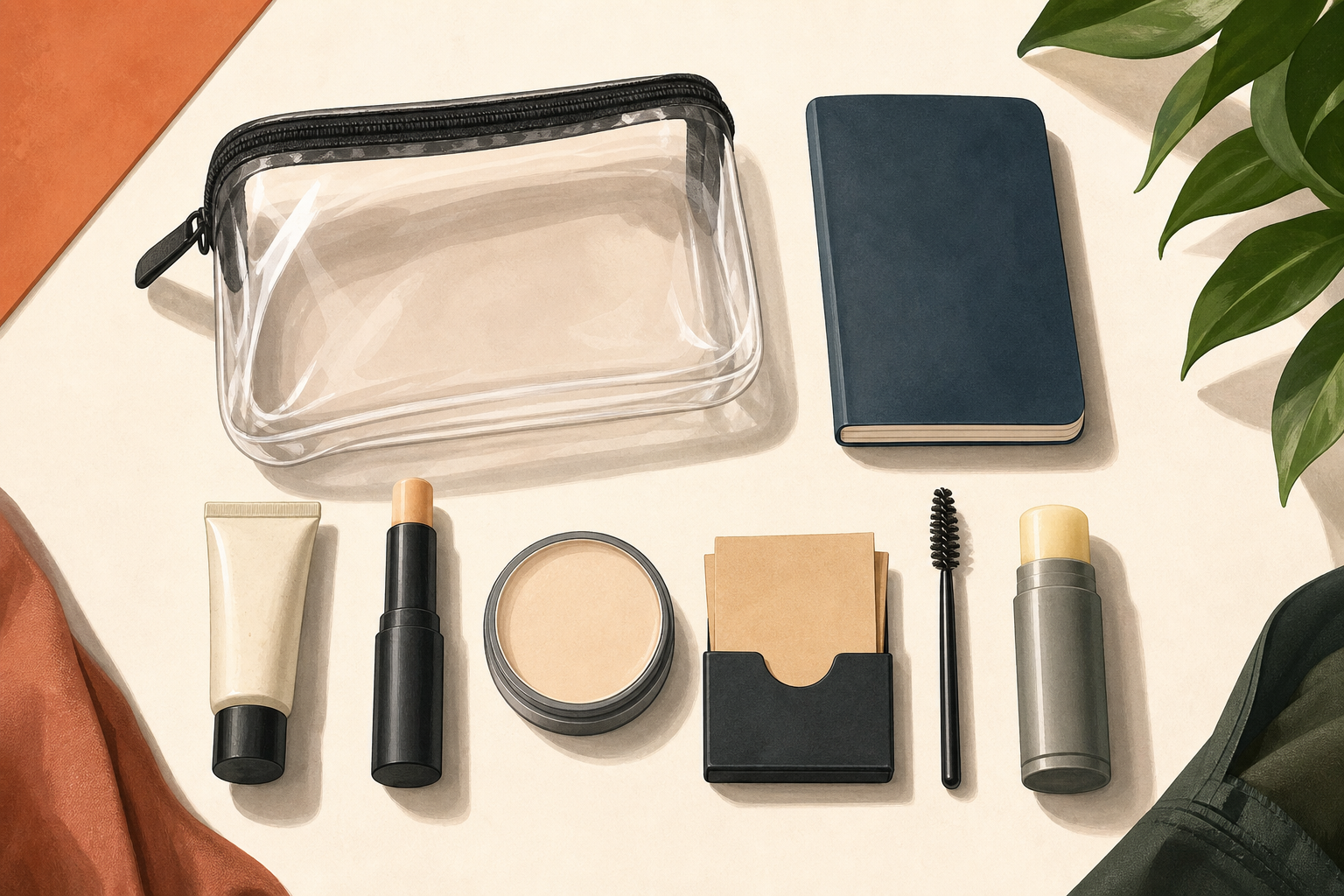
Bike & travel How-to
How to pack a minimalist men's makeup and grooming kit for a weekend trip
A compact packing how-to with an exact checklist, space-saving tips, and a suggested order of use so a 5–7 item kit covers shine control, blemishes, brows and camera prep. Includes TSA-friendly sizing notes and lightweight storage ideas.
Read article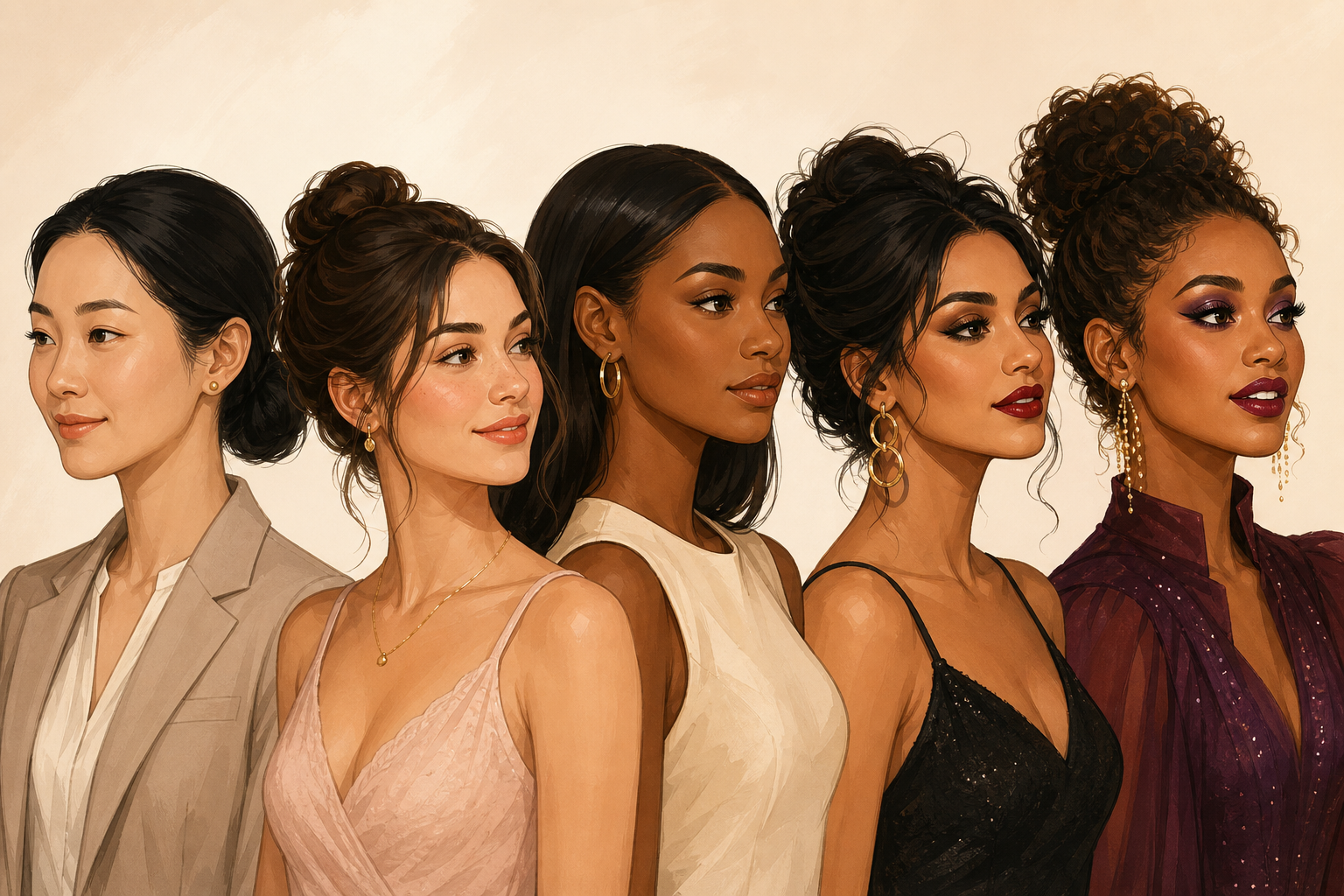
Home & life Listicle
5 subtle makeup looks matched to real occasions
Five pragmatic, low-drama makeup moods—ranked from the quietest to the most camera-ready—matched to actual situations. Each entry explains which features to nudge and which to leave alone so your face reads right for work, a first date, a photoshoot, a night out, or a stage/presentation.
Read article
Hobbies & crafts Listicle
Portrait photography colour palettes by zodiac: clothing and background matches
A photographer-friendly list of flattering palettes for each sign that helps you pick clothing, background and prop colours to flatter skin tones and convey personality. Includes notes on lighting, contrast and simple swap options for
Read article