Bike & travel
How to pack a lightweight daypack for a waterfall walk
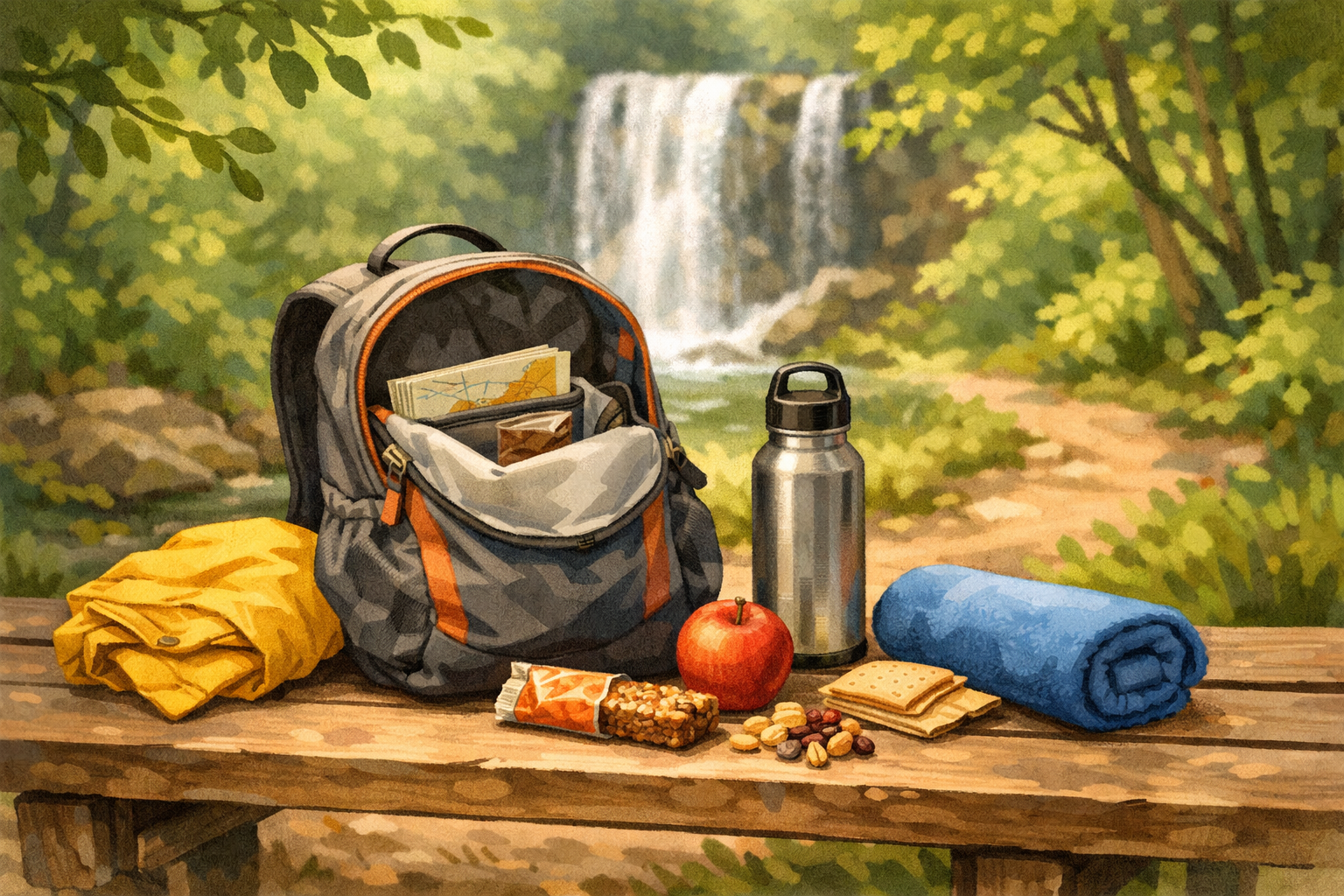
Lay out essentials, choose layers, and pack smart so everything stays dry and easy to reach on a short countryside waterfall visit. Includes a simple checklist and illustrations of where to place each item for balance.
- 01
Pick a small, comfy daypack
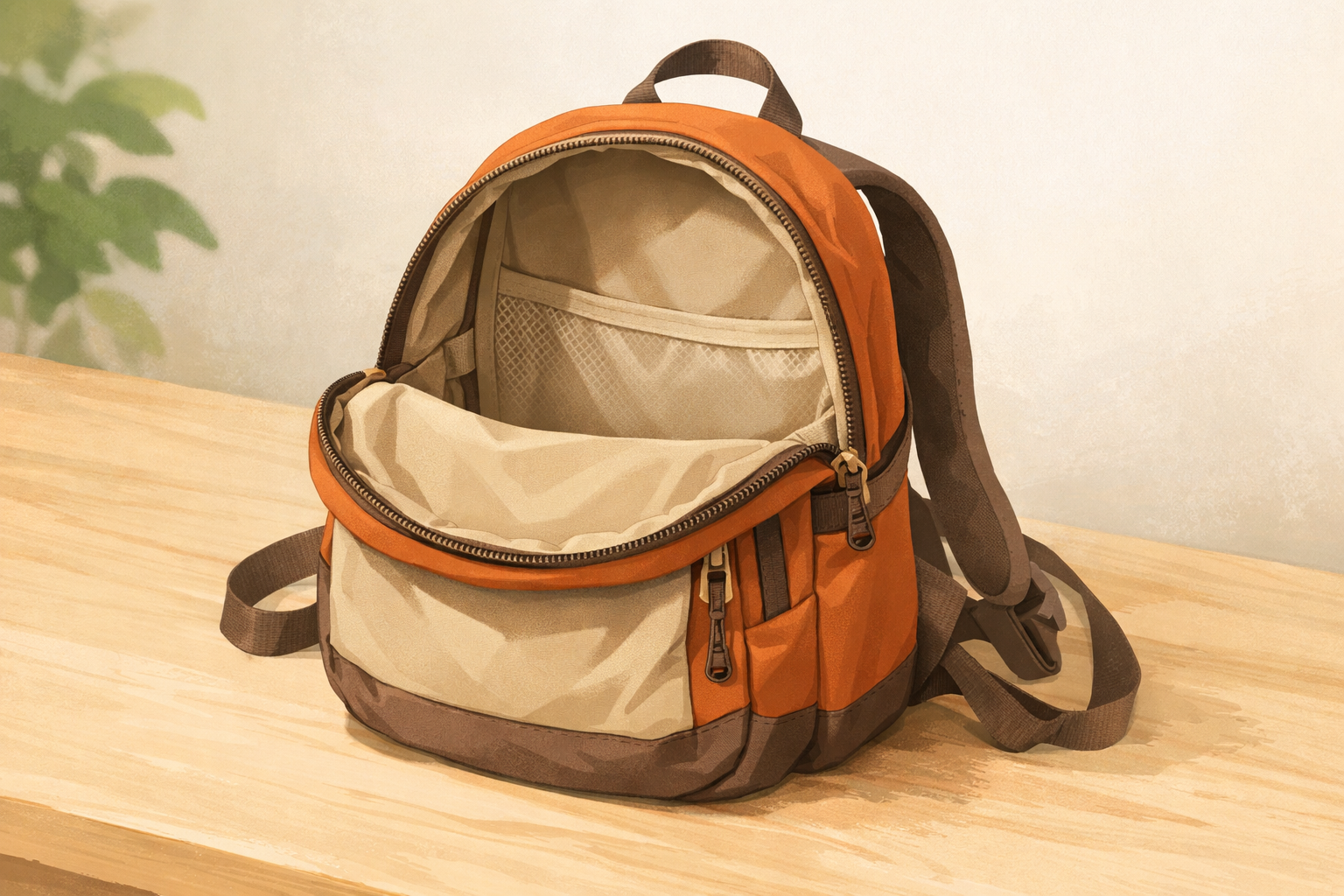
Choose a simple 15–20 litre daypack with a main compartment, side pockets, and a small top pocket if available. Empty it completely and loosen the straps so it’s easy to load and adjust later.
- 02
Check the forecast and choose layers
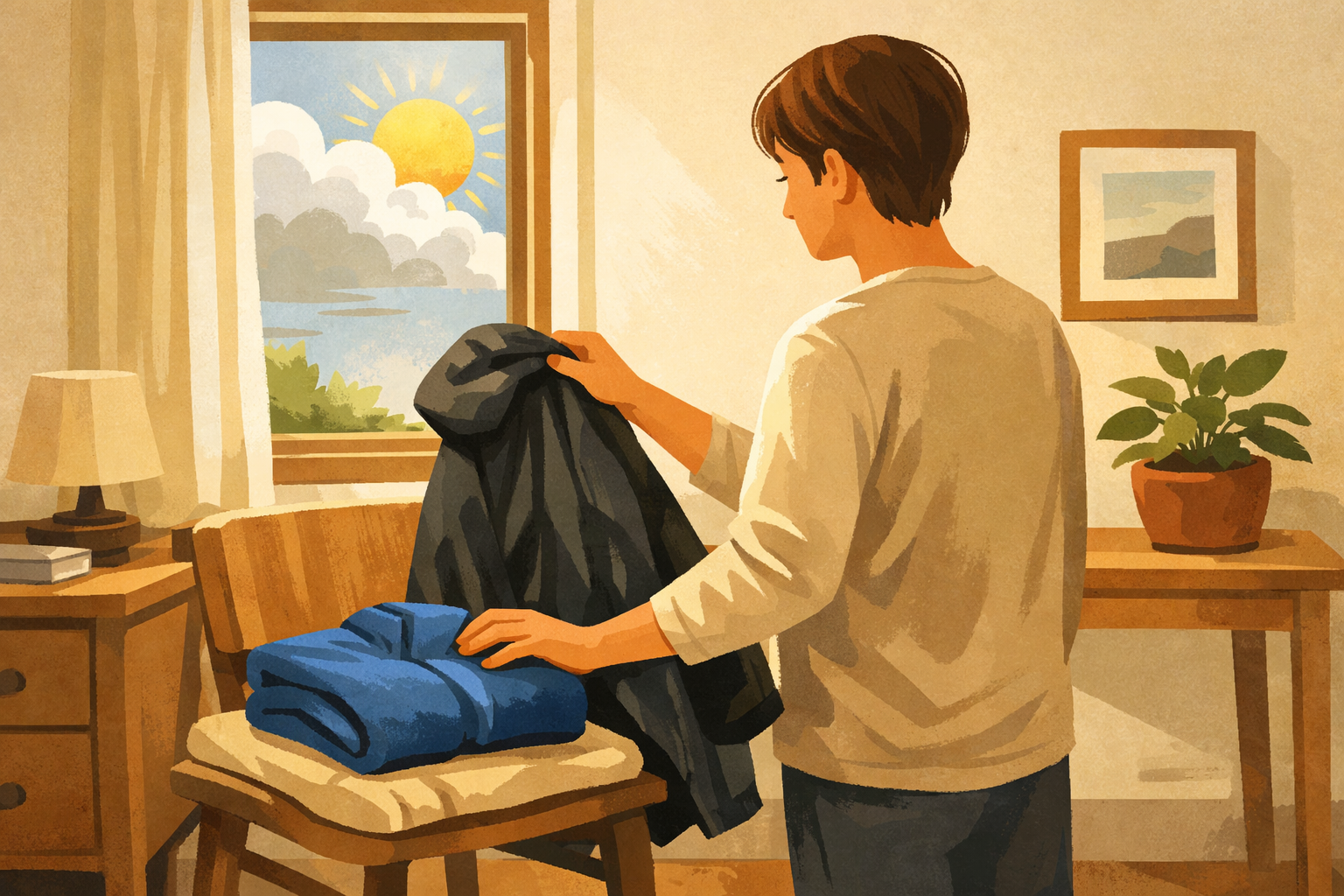
Look at the day’s temperature and chance of showers or spray. Set aside a light insulating layer (like a thin fleece) and a packable rain jacket; add a sunhat or warm hat and lightweight gloves only if conditions call for them.
- 03
Lay out the essentials (quick checklist)
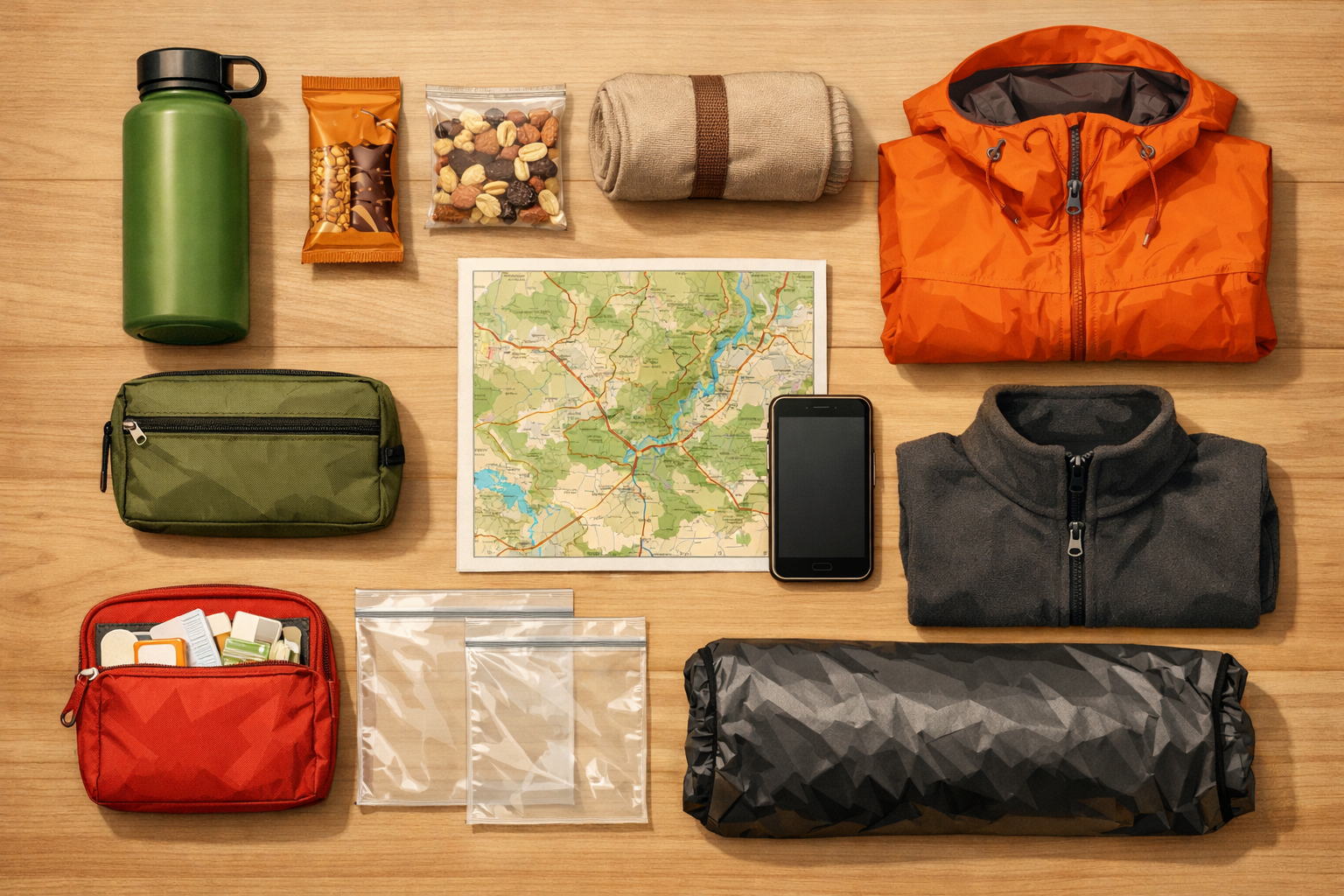
Use this short checklist: daypack; water (0.5–1 L); snacks (nuts, bars, fruit); lightweight rain jacket; warm layer; small quick-dry towel; phone; ID and a little cash; paper map or simple route printout; compact first-aid basics (plasters and blister care); tissues; sunscreen and insect repellent if needed; a couple of zip-top bags or a small dry pouch; pack liner or pack cover.
- 04
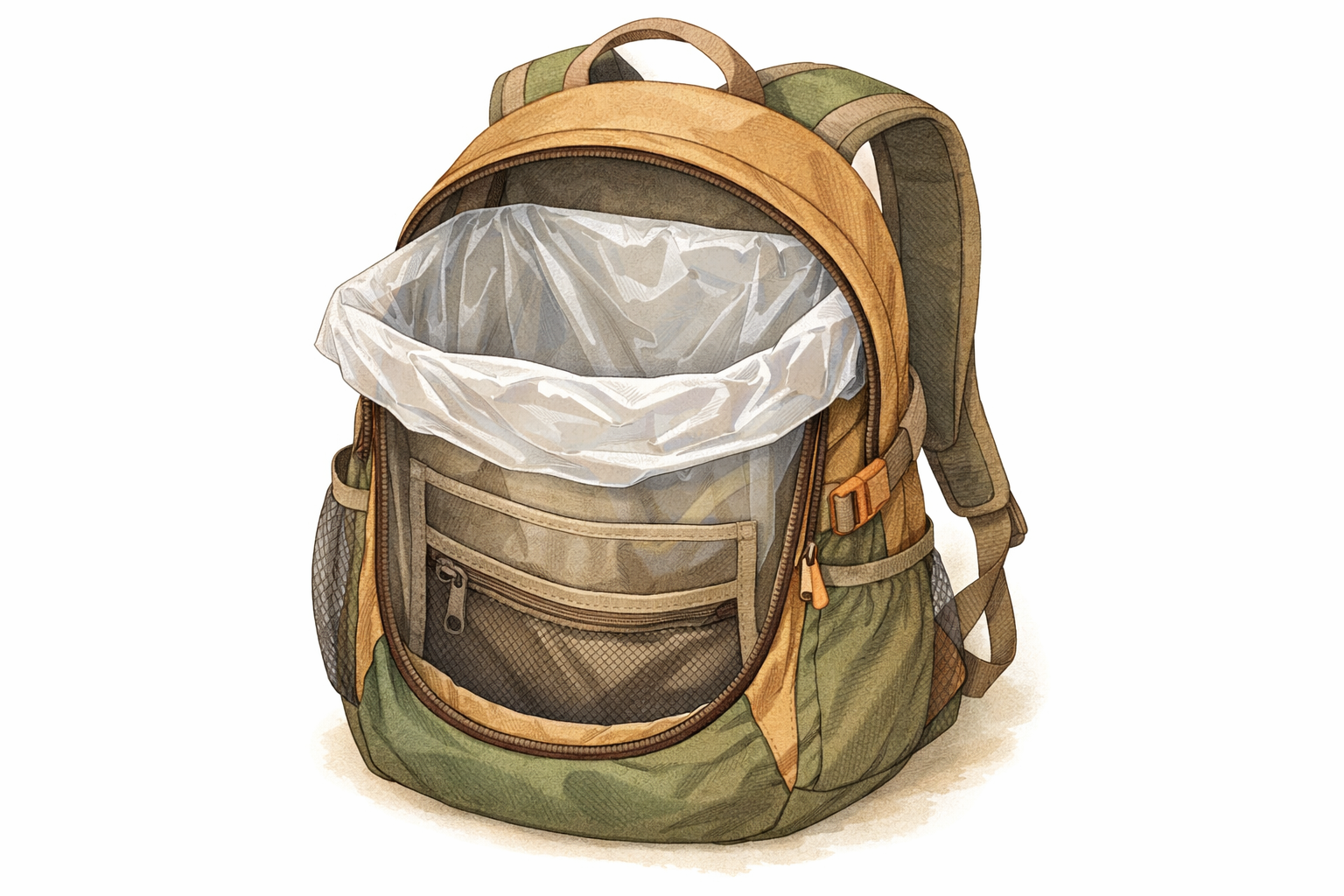
Add a simple waterproof liner
Line the main compartment with a light pack liner or a clean, tough plastic bag. This creates a water-resistant layer so spray or a shower doesn’t soak your spare layer and snacks.
- 05
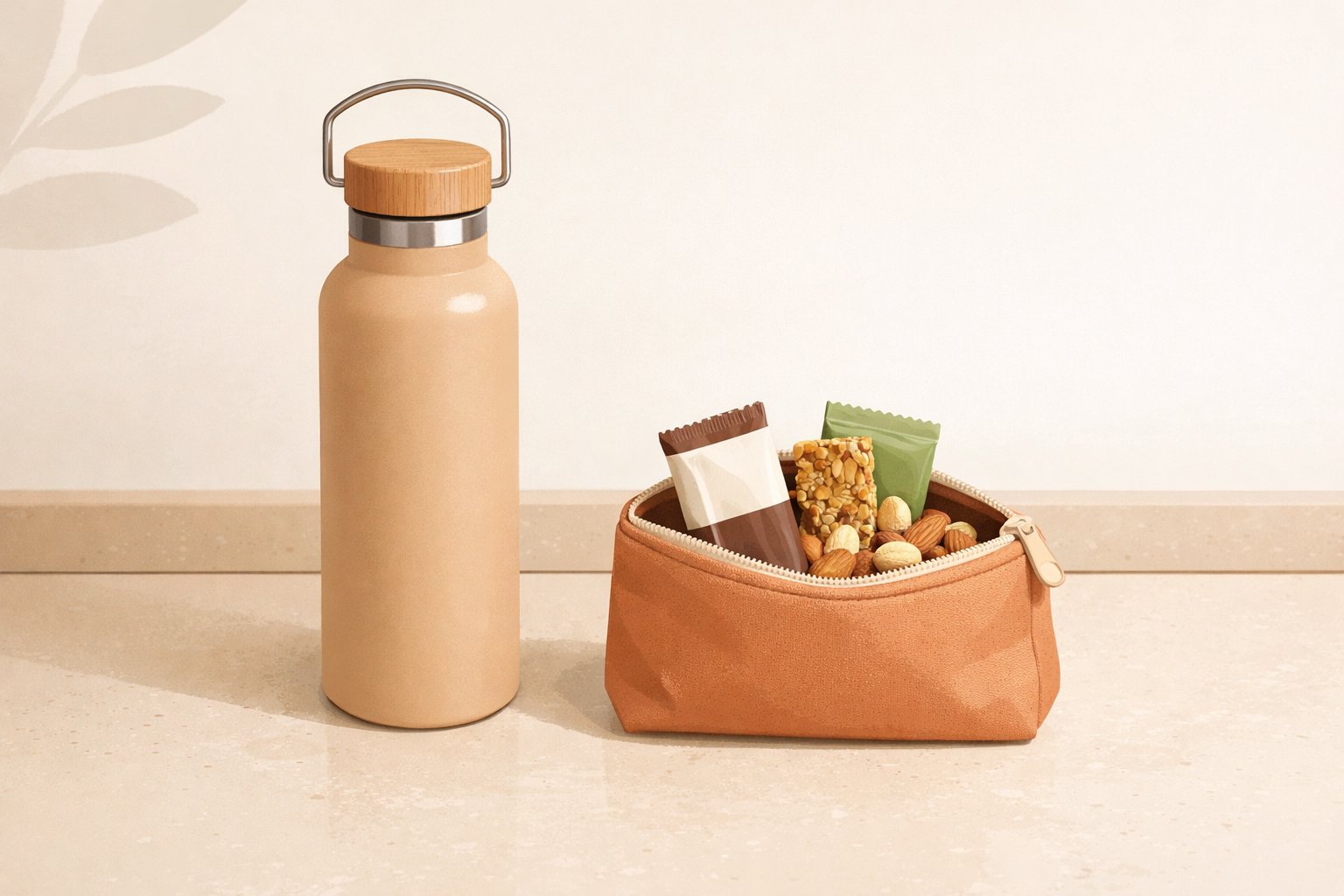
Prep water and snacks
Fill your bottle and choose compact snacks that won’t crush easily. Keep them together in a small pouch or zip-top bag so they’re easy to find and don’t scatter inside the pack.
- 06
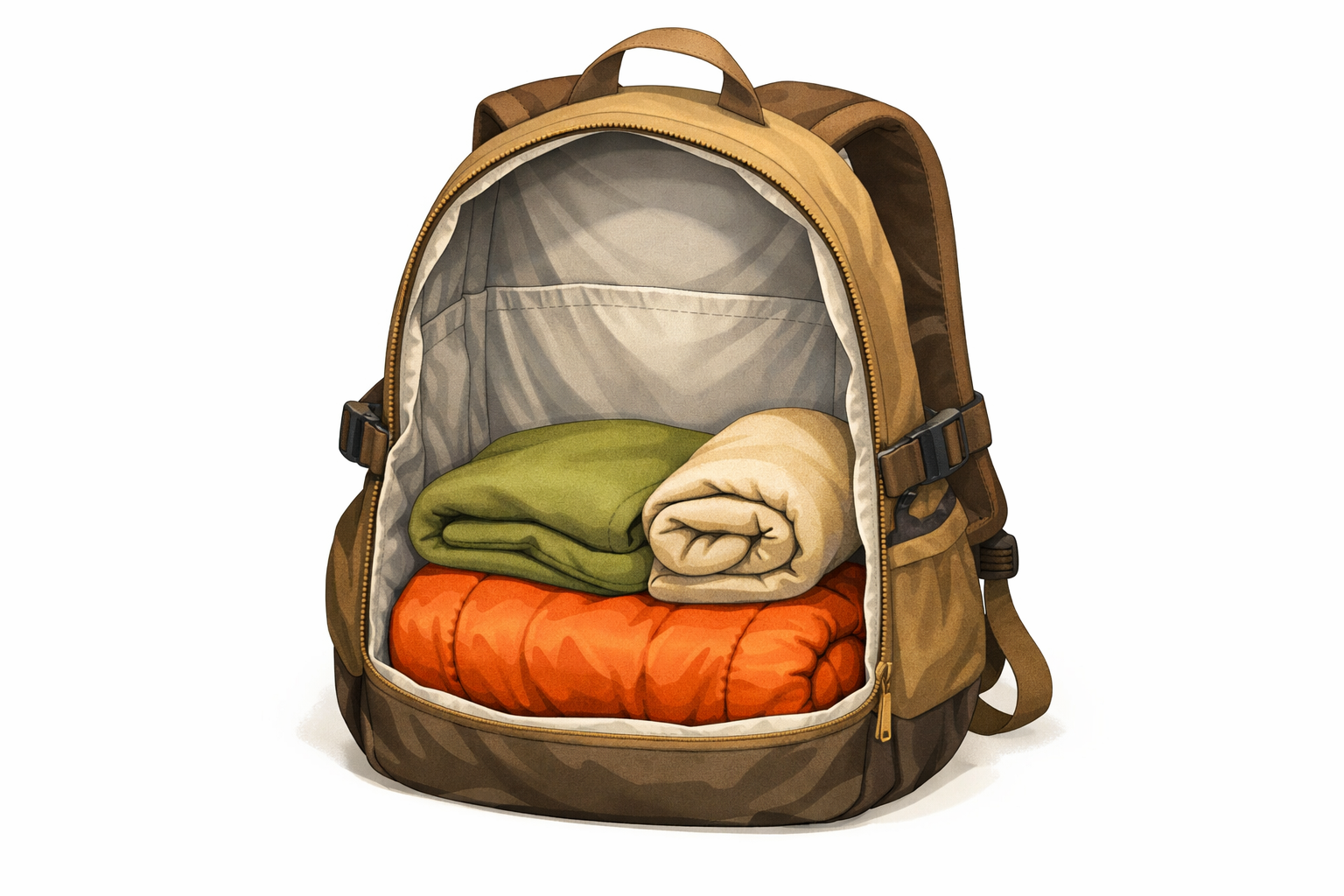
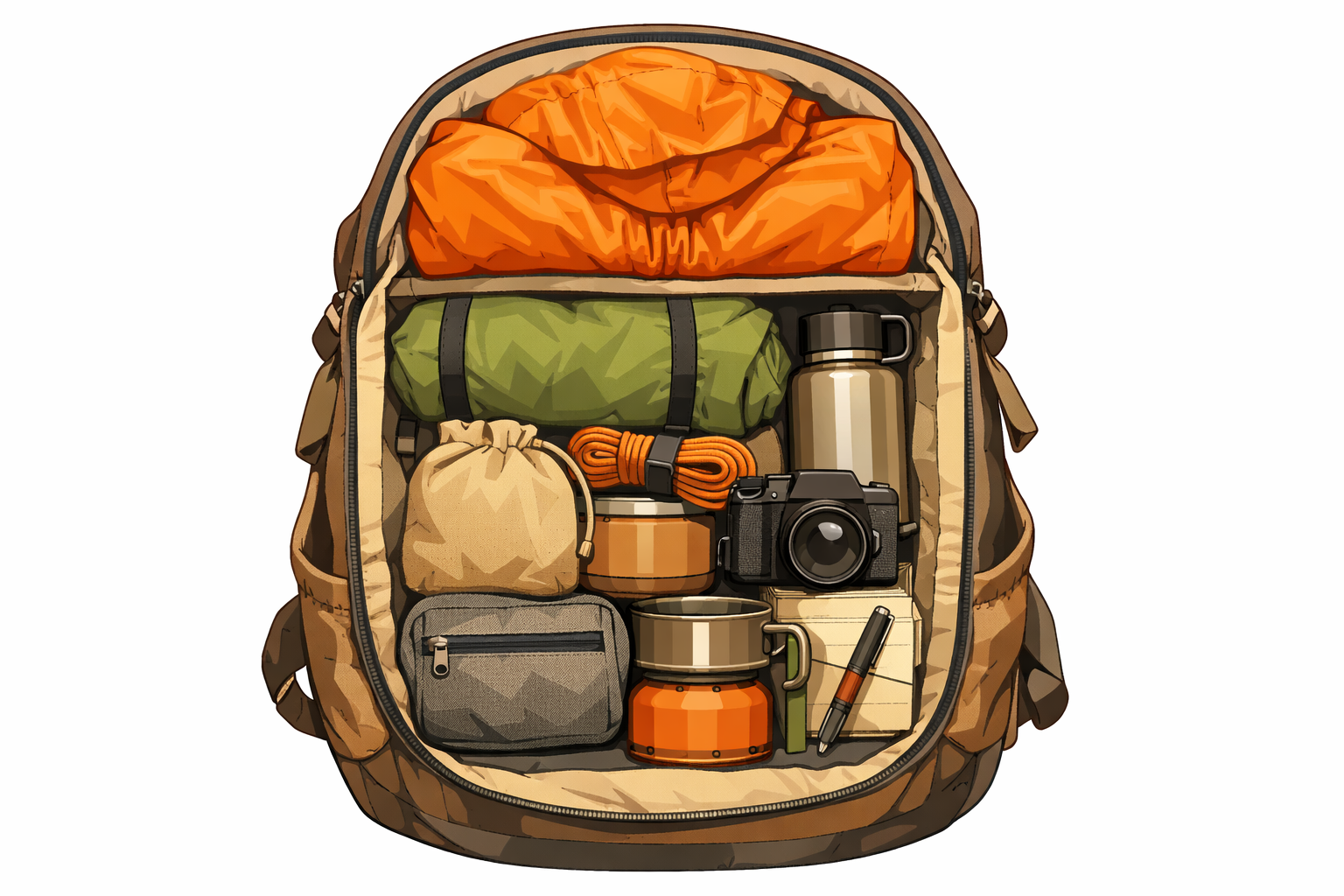
Start with soft items at the bottom
Place soft, compressible things—like the small towel or spare socks—at the very bottom of the lined main compartment. This forms a cushioned base and keeps delicate items away from any moisture that might sneak in when you open the top.
- 07
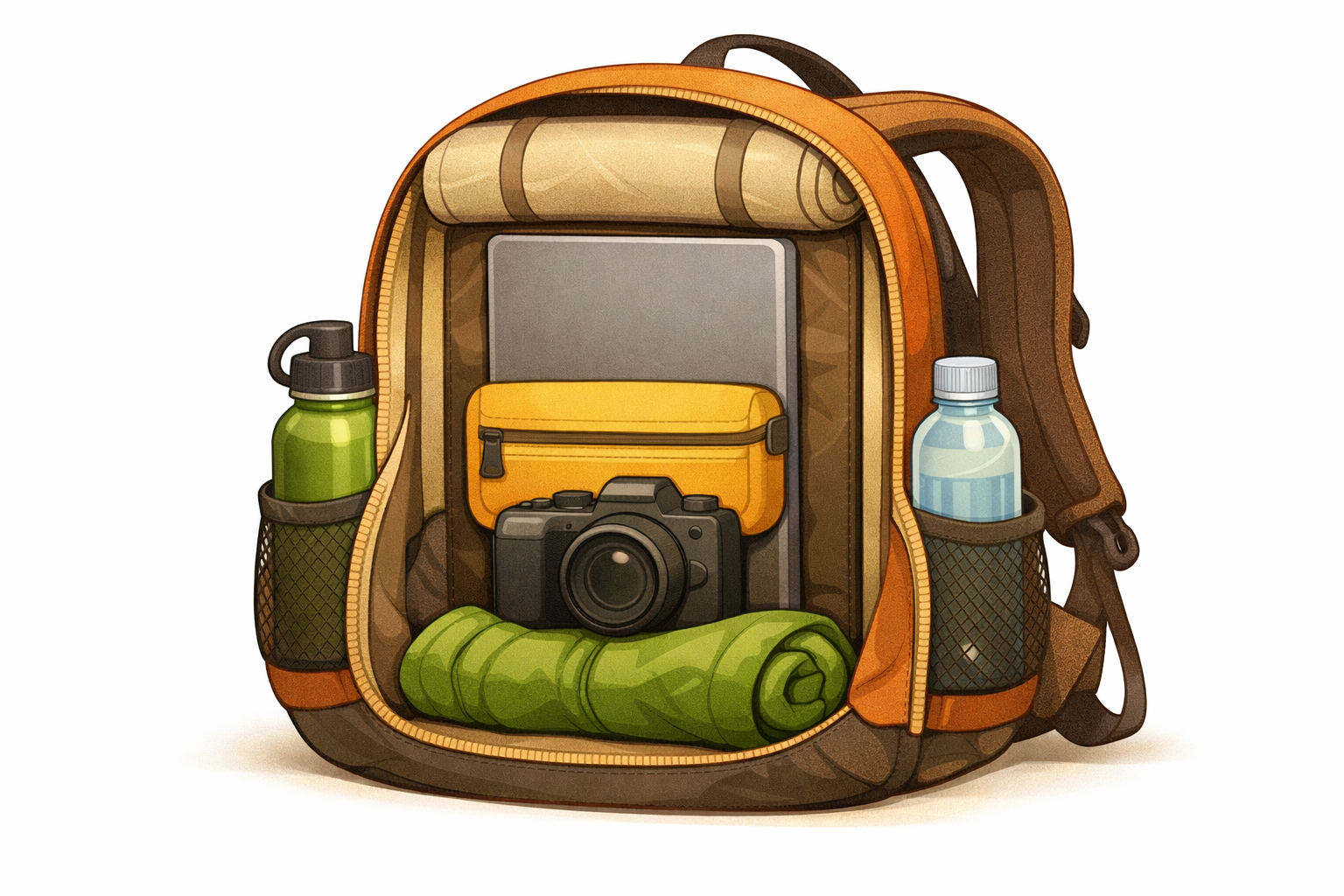
Pack dense items close to your back
Set heavier items—like your snack pouch and a single water bottle if it’s riding inside—mid-back and as close to the back panel as possible. If your pack has side pockets and you carry bottles there, balance the weight evenly on both sides.
- 08
Add layers where you can grab them
Lay your warm layer on top of the dense items, then place the rain jacket just under the lid or at the top opening so it’s the first thing you can reach when spray or showers start.
- 09
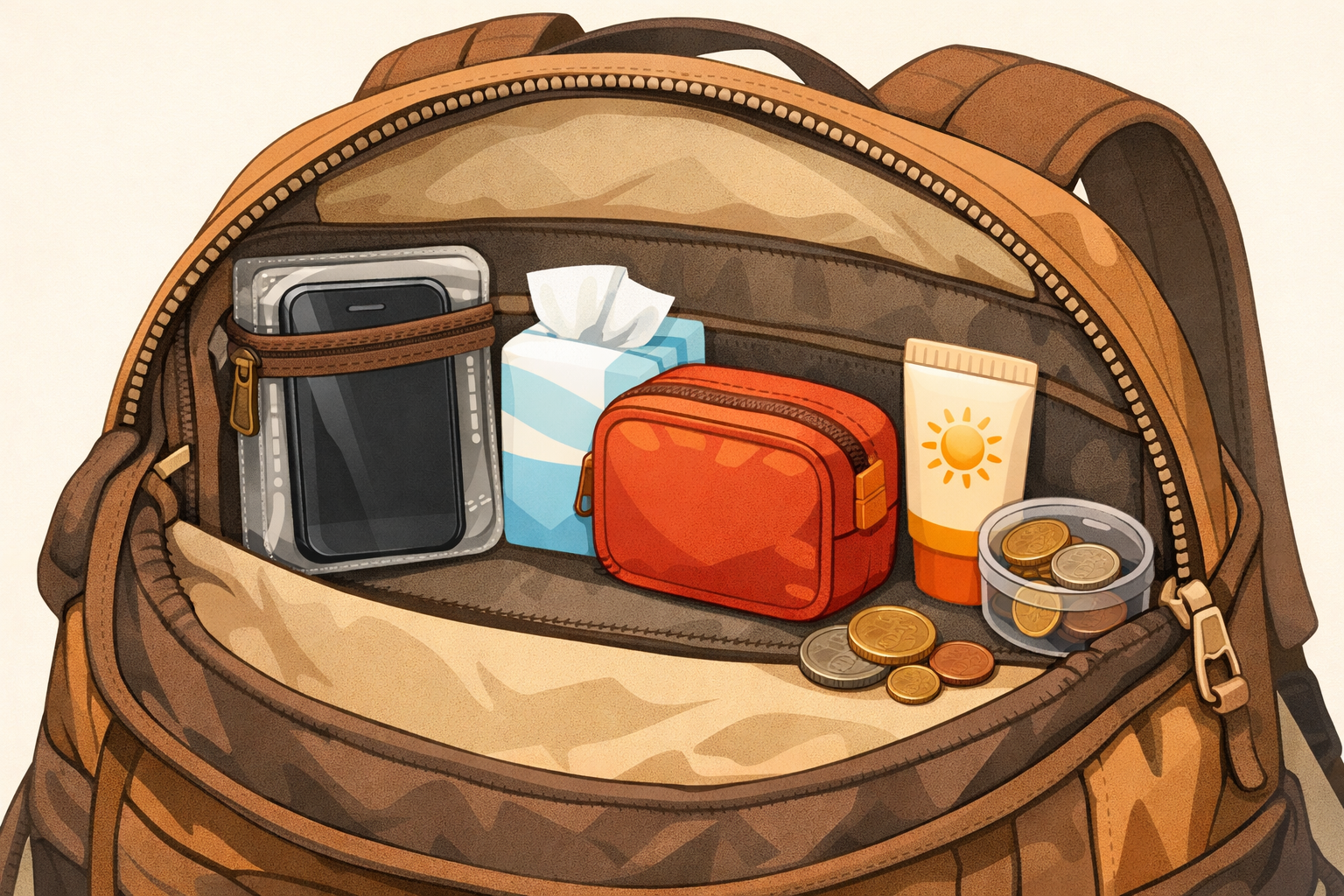
Use pockets for small essentials
Stash quick-grab items—phone (in a small zip bag), tissues, compact first-aid basics, sunscreen or repellent, and a little cash—in the top pocket or hip pocket so you don’t dig through the main compartment near wet ground.
- 10
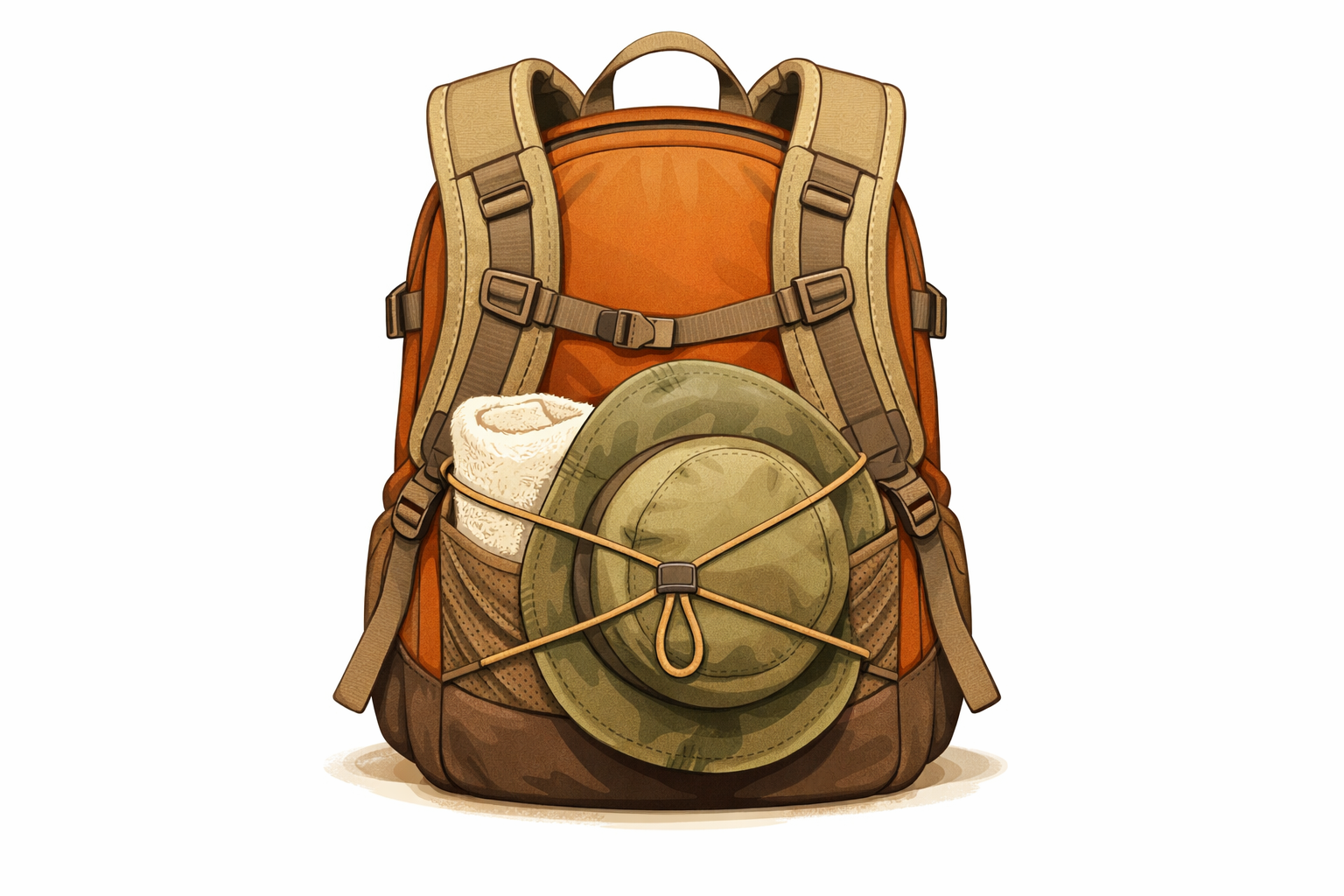
Carry items that can get damp on the outside
Use the outer stretch pocket for the quick-dry towel or a damp buff, and secure a hat with a light bungee if your pack has one. Keep electronics and paper items inside the lined compartment rather than on the outside.
- 11
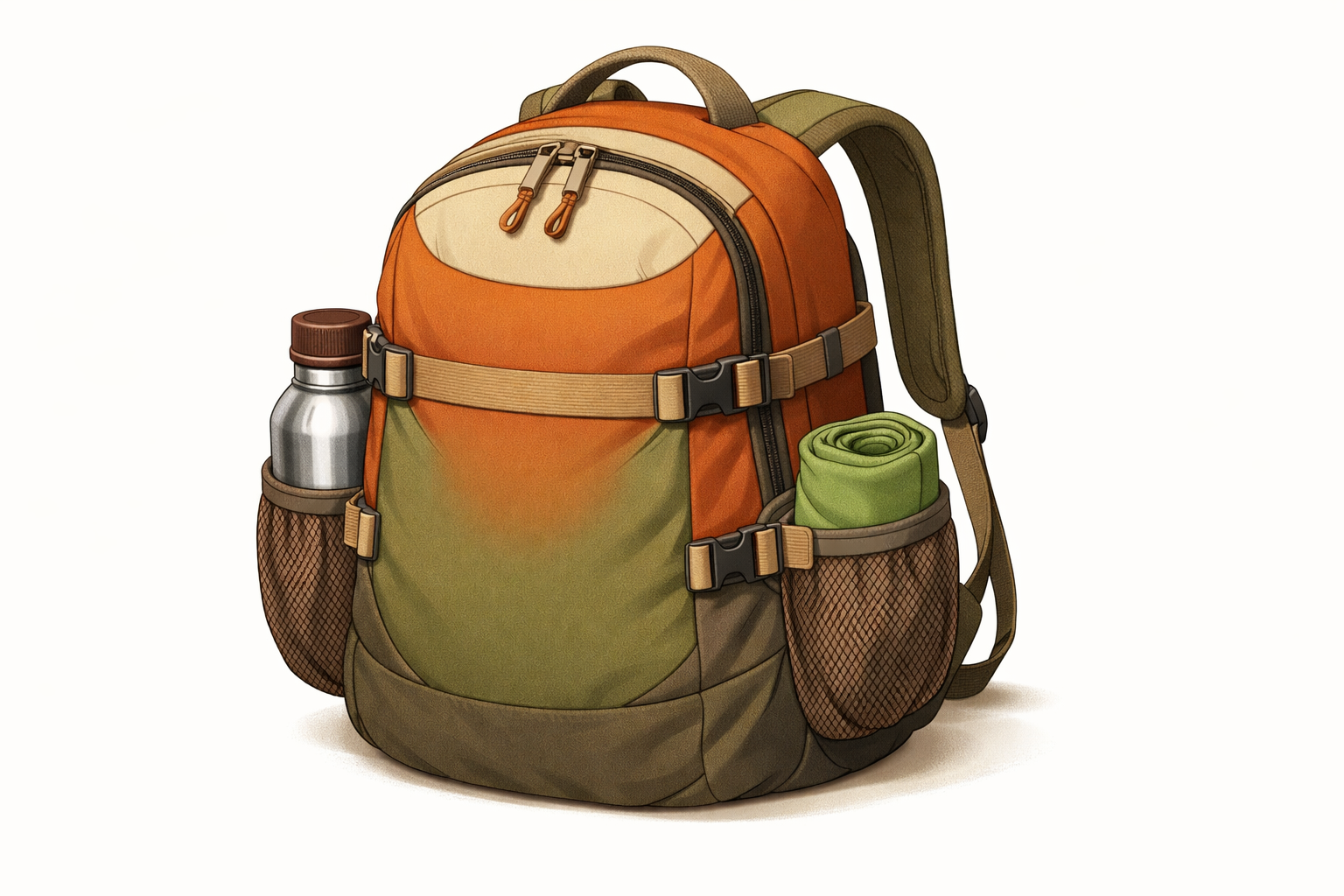
Close, cinch, and balance the sides
Zip or roll the main compartment, tighten side compression straps, and check that side pockets are even. The pack should feel compact with no bulges pulling to one side.
- 12
Try it on and adjust for comfort
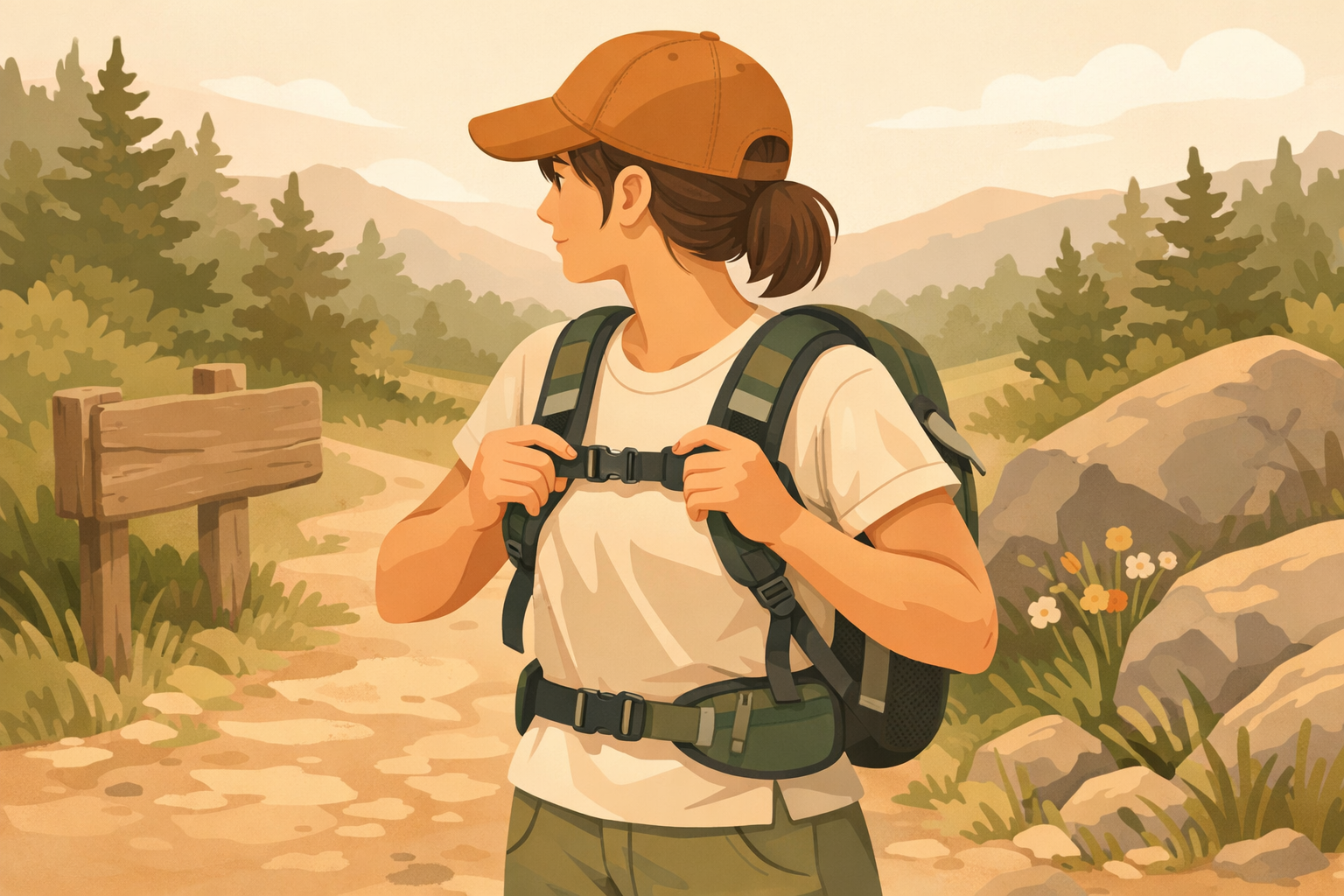
Put the pack on, snug the shoulder straps so the load sits high and close, and clip the sternum strap if you have one. Walk a few steps and make small tweaks so nothing rattles; shift items slightly if one side feels heavier.
If this was useful
Try one of these next
Home & life
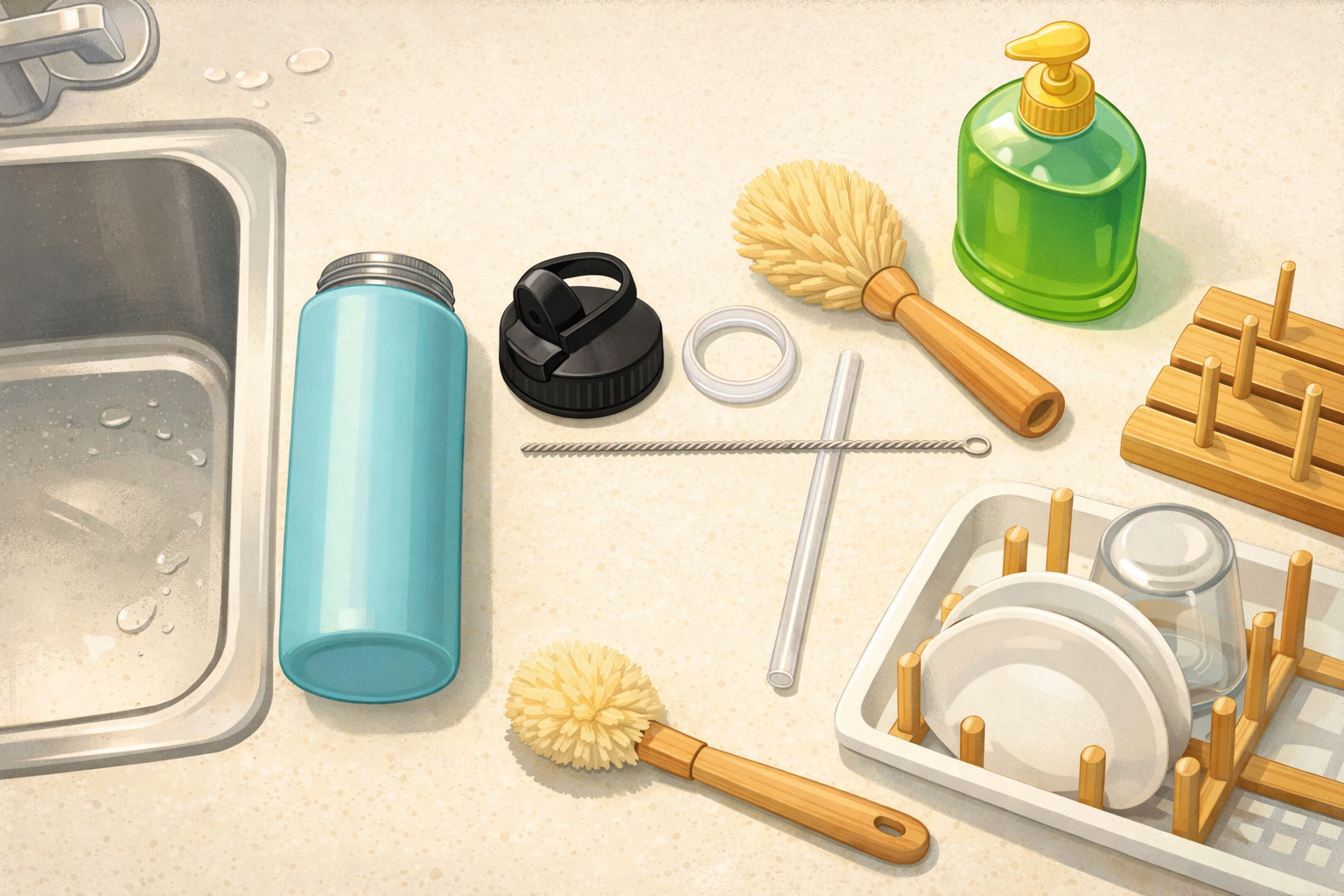
How to clean and dry a reusable water bottle after a picnic
Disassemble the lid, clean threads and seals, wash the body, rinse thoroughly, and air‑dry so it doesn’t develop odours between countryside trips. Close‑ups show where residue hides and a quick drying rack setup.
Read the guide
Hobbies & crafts
How to draw a standing penguin using teardrop shapes
Start with a tall teardrop for the body and small ovals for the head and feet. Add a simple beak and flippers with more teardrops, map the tuxedo belly, then refine the outline. Erase the guides and finish with light shading for roundness. Each step’s image overlays pale guide shapes and the darker final lines so you can see what to keep.
Read the guide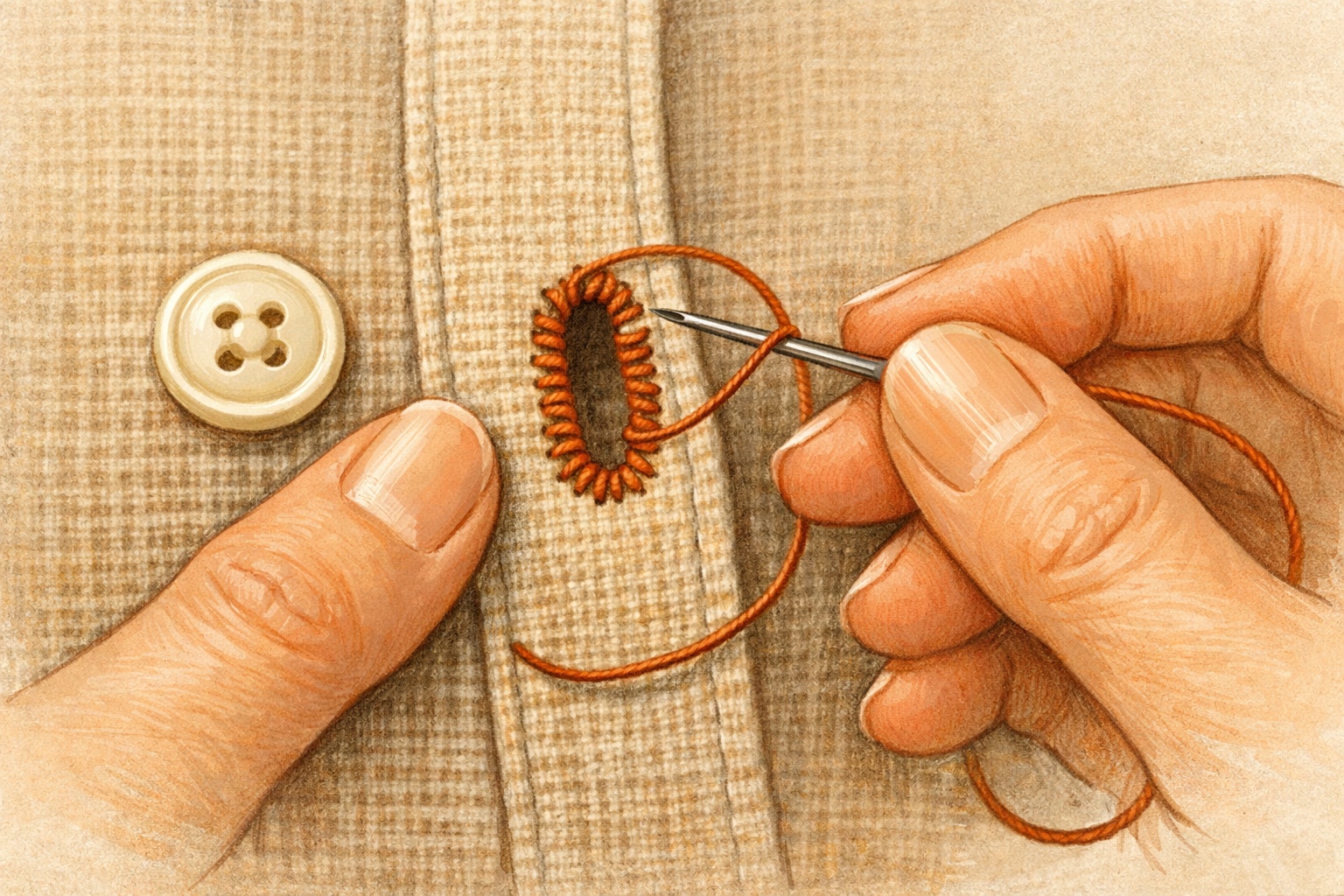
Hobbies & crafts
How to Tighten a Loose Buttonhole with Blanket Stitches
Reinforce stretched buttonholes by stitching a neat border that grips the button and prevents further fraying.
Read the guide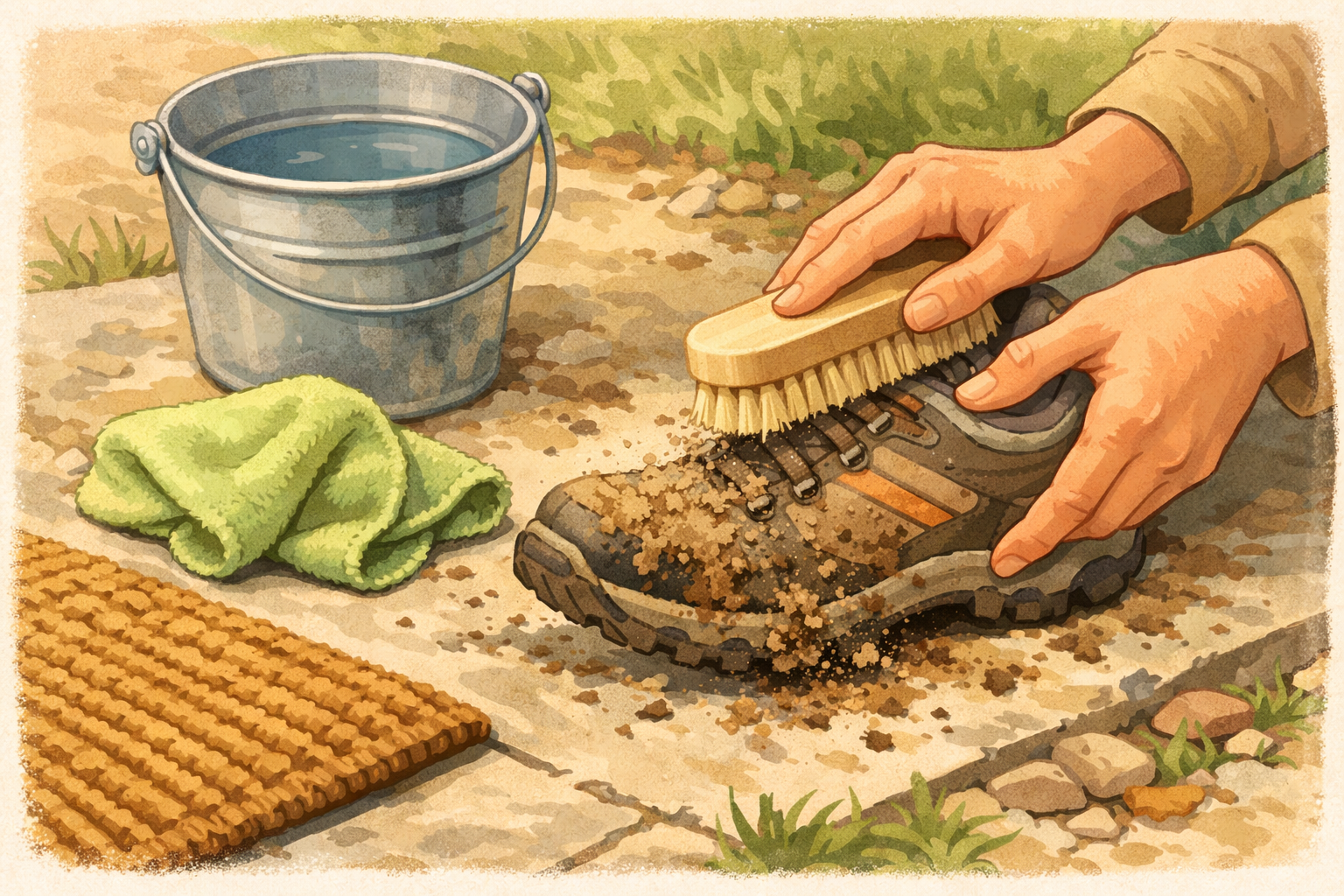
Home & life
How to clean muddy walking shoes after a countryside footpath
Knock off dried mud, brush seams, wipe uppers, clean outsoles, freshen insoles, and air‑dry so your shoes are ready for the next path. Photos show the order and which brushes or cloths to use.
Read the guide